
Indoor Air Quality Answers for Philadelphia Homes

Dust, dry air, humidity, or odors. W.F. Smith finds the cause. Family-owned since 1946.

Finding the Cause Before Any Fix

W.F. Smith diagnoses indoor air quality complaints in homes across Philadelphia, Bucks County, and Montgomery County. Dust, dry winter air, summer humidity, odors, and stuffy rooms all get traced to a cause first. Our office tells you the diagnostic fee before the visit, and the technician tells you what is driving the problem before anything gets recommended.

Most air quality complaints start in the system you already own. Duct leakage, airflow, and run time explain more of them than any add-on device does.

Signs Your Home Has an Air Quality Problem

  • Dust back on surfaces days after cleaning. Often a leaking return duct pulling basement or attic air into the house.
  • Static shocks and cracked woodwork every winter. Indoor humidity has fallen, which happens in any heated house through a Philadelphia January.
  • A clammy house with the air conditioner running. The system cools faster than it removes moisture, usually because it is oversized.
  • A musty smell when the system starts. Moisture on a coil or in a drain pan is a common cause.
  • Allergy symptoms that seem worse indoors. Dust stirred by the system or dry air can both play a role.
  • Stale rooms in a tightly sealed house. Air sealing cuts energy loss, and can cut fresh air with it.

What Causes These Complaints

Air quality problems usually trace to a few common mechanisms rather than the air itself. Working out which one applies is the point of a diagnostic visit.
  • Duct leakage. Return duct in a basement, crawl space, or attic can pull in unconditioned air and dust.
  • Short run time. An oversized system satisfies the thermostat quickly, so it never moves enough air to filter or dry it.
  • Humidity swings. Heated winter air runs dry, and humid summer air holds moisture the system has to remove.
  • Missing fresh air. Older leaky houses breathe by accident, and tightly sealed renovated ones often do not.
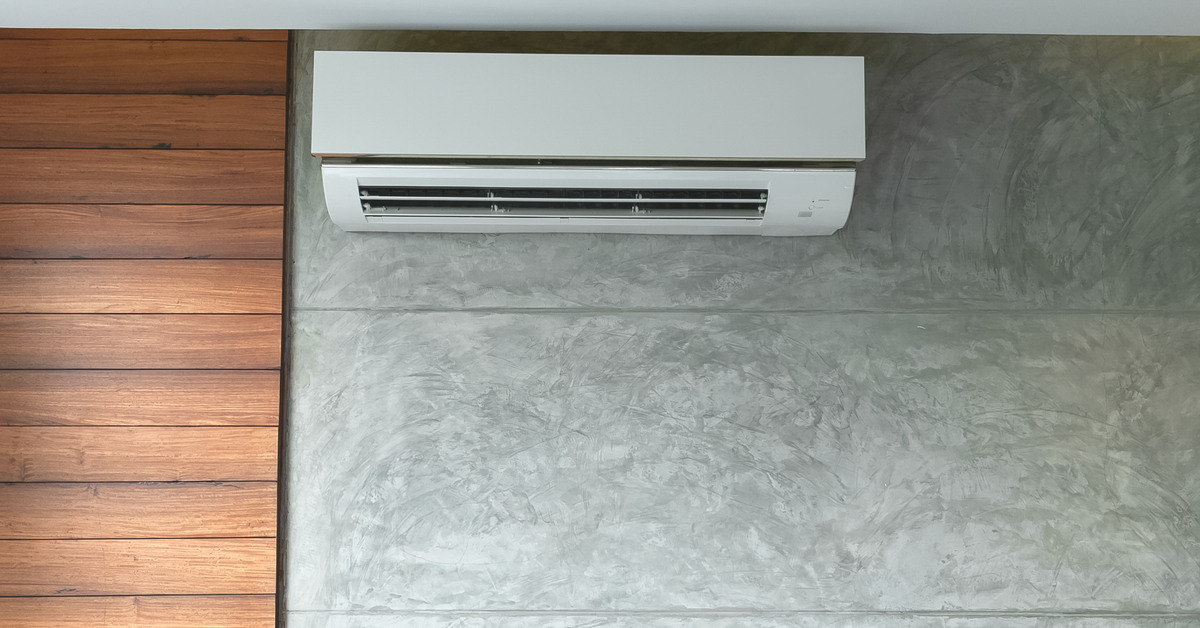
The interior of a home with wooden and linoleum walls has a ductless HVAC unit near the ceiling.
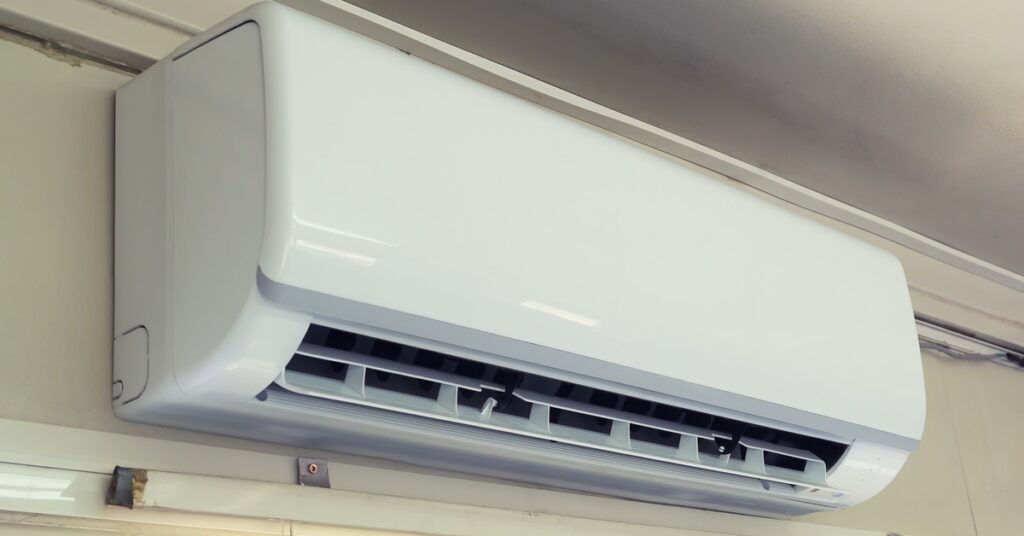
Wall-mounted mini-split indoor AC unit (evaporator) installed on a room wall for cooling and humidity control.

Why Humidity Drives So Many Complaints

Humidity explains more comfort complaints in this region than temperature alone. The number swings hard between seasons here. Winter heating drives indoor humidity down, which can crack trim, raise static, and dry out throats. Summer brings the opposite, and a house can feel cool and clammy at the same time.
How We Diagnose an Air Quality Complaint

  • You describe the symptom and the season. When the problem shows up helps narrow the cause.
  • The technician measures the system. Airflow at the registers, static pressure at the air handler, and return capacity come first.
  • The accessible duct gets inspected. Leaks, separated runs, and missing return paths explain much of the dust and stale air.
  • Humidity gets read, not guessed. Readings in the living space show which direction the house actually swings.
  • You get the finding in writing. Where equipment is part of the answer, we go through the options with you directly.
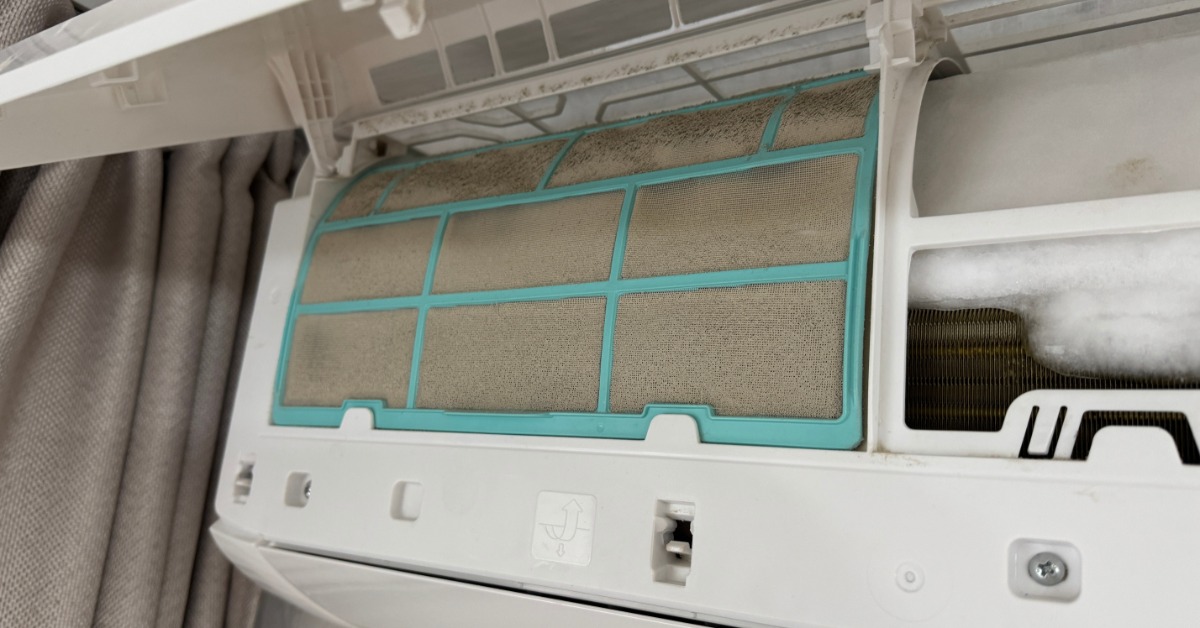
A dusty air conditioner filter with a turquoise frame beside white ice buildup inside an open indoor unit.

What Air Quality Work Costs

Every diagnostic visit starts with a fee, which our office tells you before the visit. That fee buys measurement and a written finding. Estimates on replacement systems are free and separate.

  • Whether the duct needs work. Sealing accessible joints is modest work; replacing a crushed run is not.
  • Whether the equipment is the cause. A system that never runs long enough can become a replacement conversation.
  • Access. Crawl spaces, tight basements, and third-floor air handlers add labor.

W.F. Smith takes part in the Electrical Association of Philadelphia rebate programs, and financing is available through our manufacturer partners for qualifying replacement work. Our rates stay the same year-round.

Whole Home Air Quality Solutions

Not every indoor-air complaint needs the same solution. Dust and airborne particles, excess summer humidity, and airflow or duct problems can feel similar from room to room, but they come from different causes. Once the system, ductwork, and indoor humidity have been evaluated, W.F. Smith can recommend the solution that fits the problem instead of adding equipment simply because it is available.

Whole House Dehumidifiers

Some homes reach the thermostat setting and still feel damp or clammy. A whole-house dehumidifier gives the home a separate way to remove moisture when air conditioning alone is not keeping humidity under control. The system has to be sized and connected around the home, ductwork, drainage, and existing HVAC equipment.

A dusty air conditioner filter with a turquoise frame beside white ice buildup inside an open indoor unit.
Wall-mounted mini-split indoor AC unit (evaporator) installed on a room wall for cooling and humidity control.

Whole House Air Purifiers

For homes where filtration is the main concern, a whole-house air purifier or air cleaner can work with the central HVAC system so air is treated as it circulates through the ductwork. The right option depends on the equipment, available filter space, airflow, and the type of particles the homeowner is trying to manage.

Custom Ductwork

Persistent dust, stale rooms, and uneven comfort can also begin with the duct system itself. Leaking returns, poor airflow, or missing return paths should be corrected before an accessory is expected to solve the problem.
A dusty air conditioner filter with a turquoise frame beside white ice buildup inside an open indoor unit.

Why Homeowners Choose W.F. Smith for Air Quality Work

The cause gets found first

Measurement comes before any recommendation.

Ductwork gets checked, not assumed

Leakage and return capacity drive more of these complaints than filters do.

Fair, steady pricing

Our rates do not change with the weather.

A family business since 1946

The Smith family runs the company from 7310 State Road.

Indoor Air Quality Questions From Philadelphia Homeowners

Why does dust come back days after I clean?

Return duct leakage is a common cause, often hiding in basements, crawl spaces, or attics. A leaking return can pull dusty, unconditioned air into the system, which then gets delivered to every room. A technician checks those connections and measures airflow before recommending anything.
Heating dries indoor air, and a Philadelphia winter does it noticeably. Cold outdoor air holds very little moisture, and relative humidity falls further once that air warms indoors. This is often what causes static shocks, cracked trim, and dry throats by late winter.
This often means the system is cooling faster than it is removing moisture. An oversized system can reach the thermostat setting quickly and shut off before it has a chance to dry the air properly.
Moisture sitting somewhere in the system is a common cause. A wet evaporator coil, a slow condensate drain, or a filmed blower wheel can each produce an odor. A technician finds the source rather than guessing.
Often, yes, but the cause determines what. A tightly sealed or recently renovated house may need ventilation addressed, while a blocked return or a short-cycling system needs that specific issue corrected. We measure airflow and run time before recommending anything.
Every three months is a common guideline for a standard filter, more often with pets or allergies in the home. A loaded filter restricts airflow, which can reduce system performance. Ask a technician about the right filter type and size for your system.
A technician measures rather than guesses. Airflow at the registers, static pressure at the air handler, and humidity readings come first, followed by a duct inspection. You get the findings explained in writing.

Match the Comfort Problem to the IAQ Solution

Get the Cause of Your Air Quality Problem Found