
Ductless Mini-Split Installation in Philadelphia

Flexible heating and cooling for rooms and homes where traditional ductwork is not the best fit.
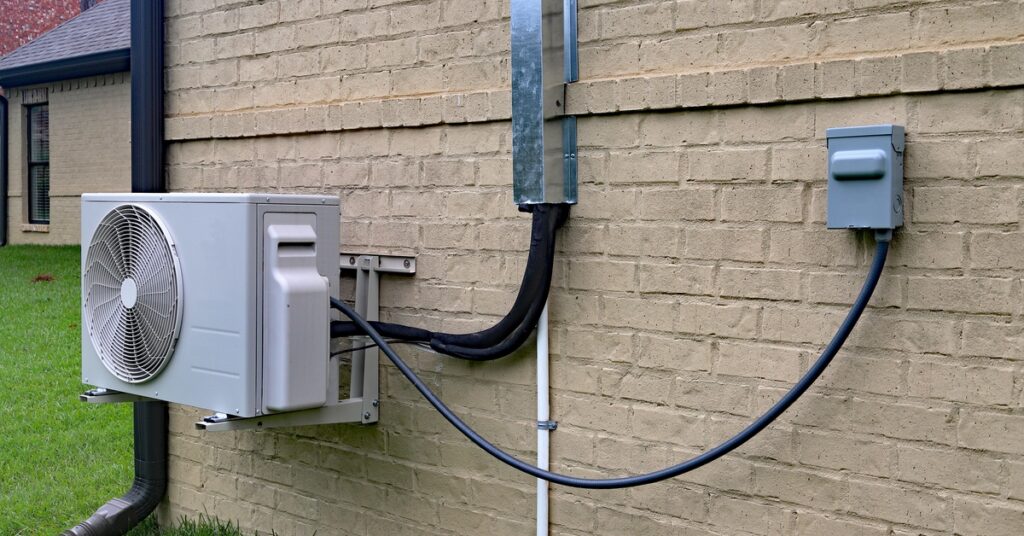
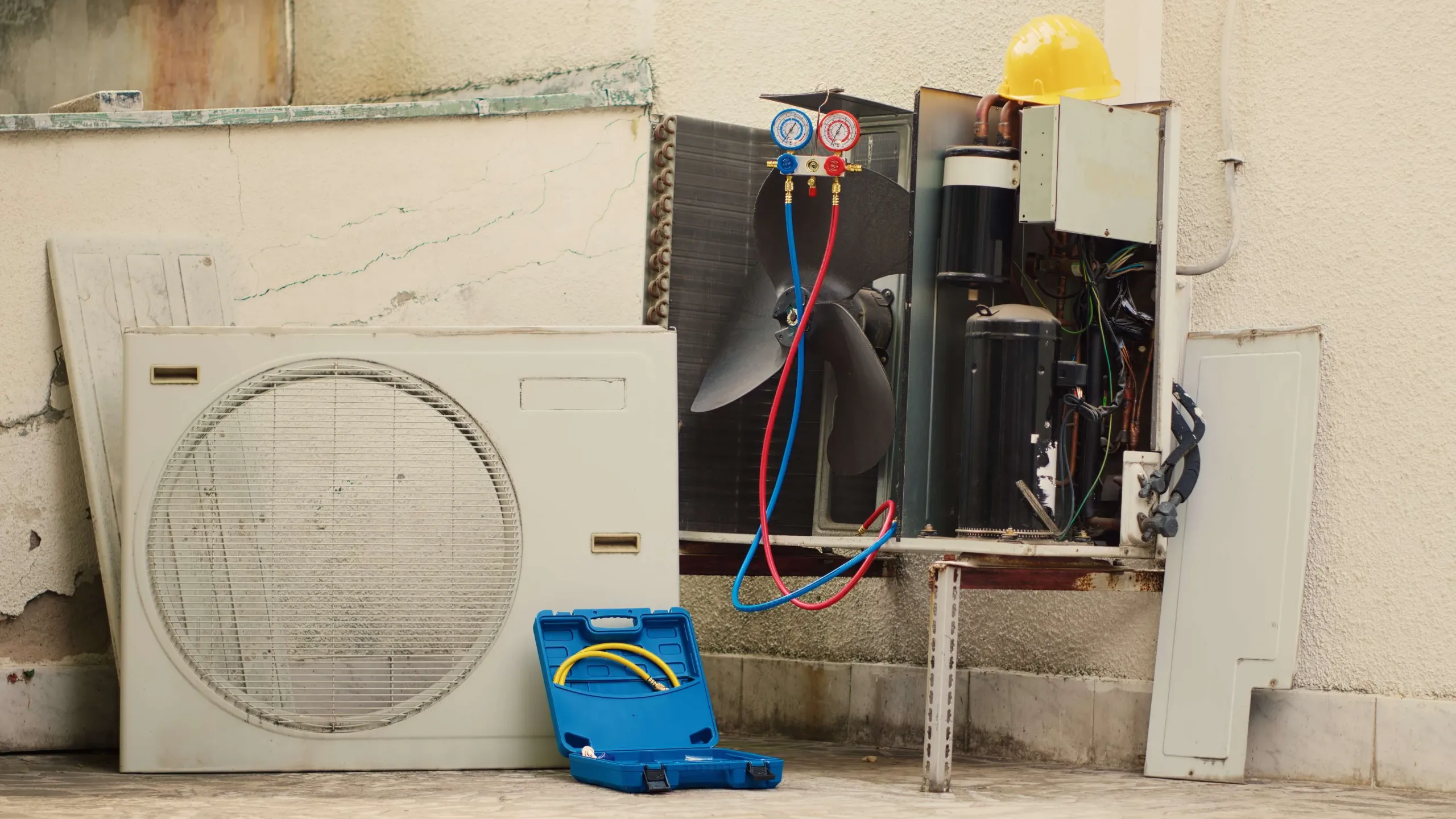
Outdoor mini-split condenser unit installed beside a brick exterior wall, with connected lines and mounting hardware.

Heating and Cooling Without Extending Ductwork

Ductless mini-splits provide heating and cooling without relying on a full network of supply and return ducts. They can be a practical option for older homes, additions, converted spaces, finished attics and basements, or individual rooms that never stay comfortable with the rest of the house.

W.F. Smith designs and installs ductless systems for homeowners in Philadelphia and nearby Bucks and Montgomery County communities. A replacement or installation estimate is free, and the design is based on the rooms being served rather than a one-size-fits-all equipment choice.

Where Ductless Can Solve a Comfort Problem

Not every comfort problem requires another indoor unit. During the estimate, the existing system, room layout, insulation, windows, airflow, and intended use of the space should be considered before the final design is recommended.

  • An addition, sunroom, finished attic, basement, or room over a garage that was never served properly by the original HVAC system.
  • An older home where installing new ductwork would require major construction or would take away valuable living space.
  • A room or floor that consistently runs warmer or colder than the rest of the house.
  • A home using window air conditioners that needs a quieter, permanent heating and cooling option.
  • A project where the homeowner wants separate temperature control in different parts of the house.
Central vs. Ductless AC: Which Is Right for Your Home?

How a Ductless Mini-Split Works

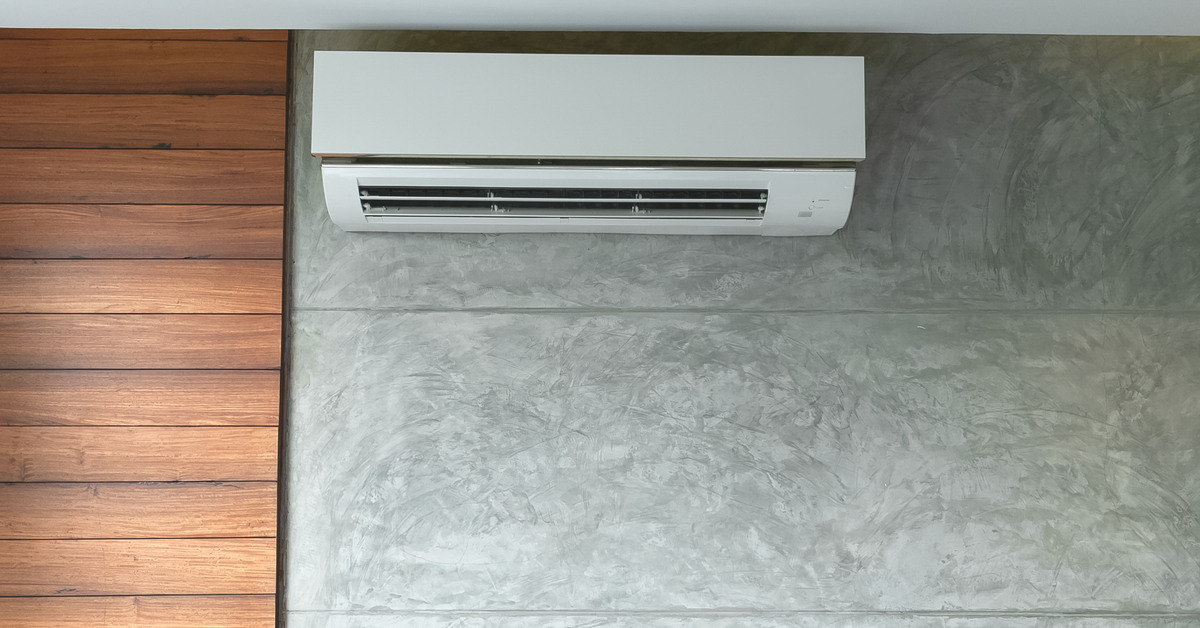
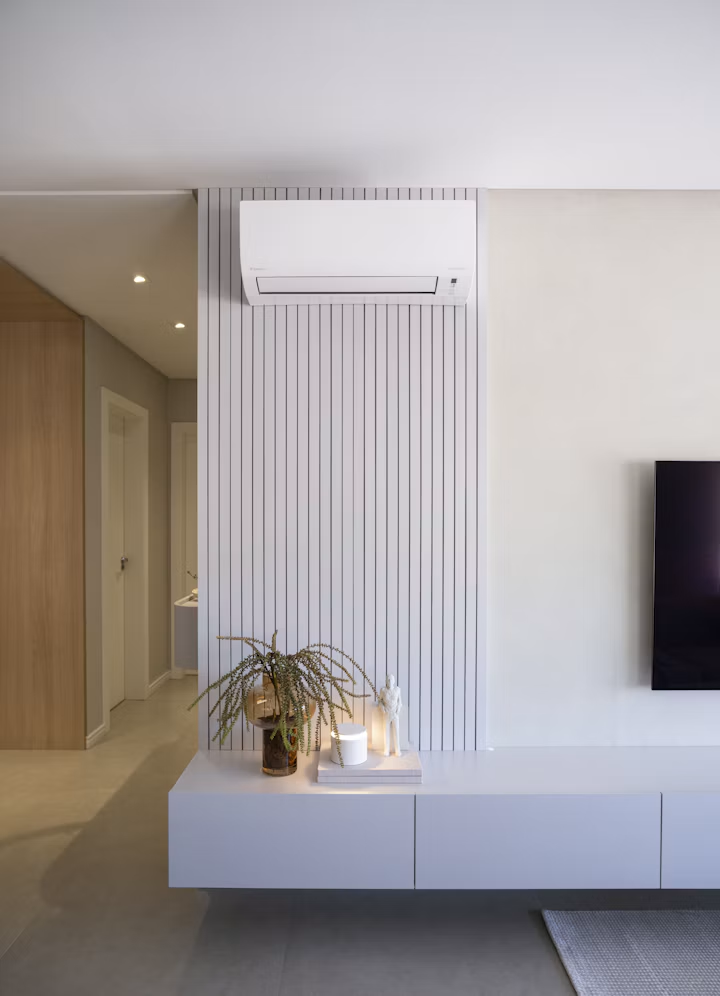
The interior of a home with wooden and linoleum walls has a ductless HVAC unit near the ceiling.

One Room or Several Zones

Indoor Units Can Fit Different Spaces

Wall-mounted heads

Wall-mounted units are installed high on the wall and are the most familiar ductless option.

Ceiling cassettes

Ceiling cassettes can distribute air from above when the ceiling structure and access allow them.

Slim ducted air handlers

Concealed or slim-ducted units can serve a small group of rooms where a hidden indoor unit and short duct runs make more sense.

Floor-mounted consoles

Floor-mounted units can work in rooms with knee walls, sloped ceilings, or limited high-wall space.
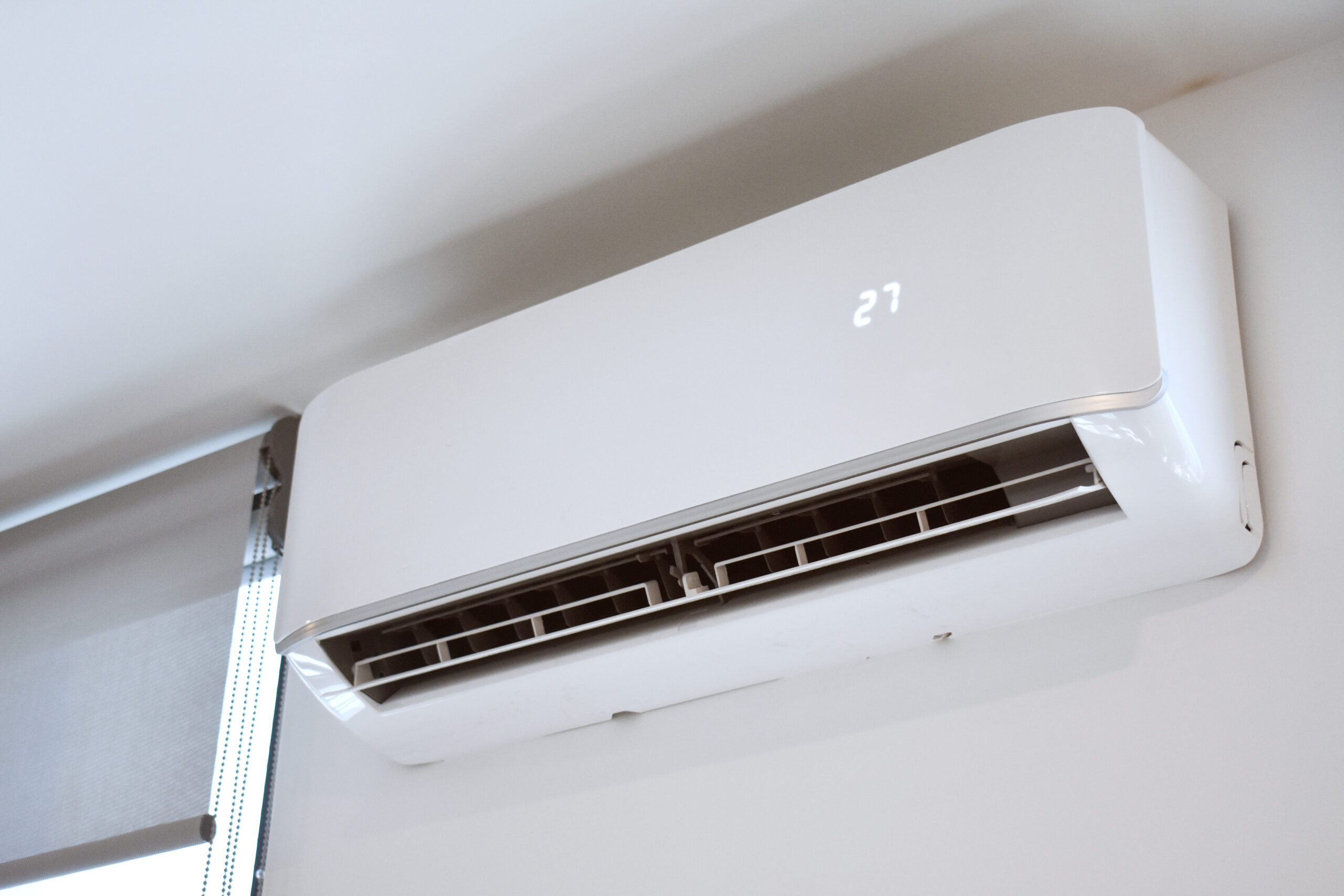
A ductless air-conditioning unit installed on the white wall of a room with a glowing "27" on its surface.

What Happens Before Installation

  • Home evaluation. We review the rooms that need conditioning, the existing HVAC system, electrical capacity, available outdoor space, and practical equipment locations.
  • Room-by-room planning. The design considers the heating and cooling needs of the spaces being served and how those rooms will actually be used.
  • Written proposal. The recommended equipment, number and location of indoor units, major routing considerations, and project scope should be clear before work begins.
  • Installation and commissioning. The equipment is installed, started, tested, and set up for normal operation before the project is complete.

The amount of time required depends on the number of zones, equipment locations, electrical work, access, and routing. The expected schedule should be confirmed with the homeowner as part of the proposal rather than presented as the same for every project.

Mitsubishi Electric Ductless Equipment

Keeping a Ductless System Clean and Working Properly

Ductless Questions Homeowners Ask

Can ductless mini-splits both heat and cool?

Yes. Ductless mini-splits are heat pumps, so the same system can provide cooling in warm weather and heating in cold weather. The exact winter capability depends on the equipment selected and the design of the home.
Sometimes one unit can serve a large open area, but closed rooms do not automatically receive the same airflow. The number of indoor units should be based on the layout and the rooms that need independent conditioning.
No. Ductless can be used as a complete solution in some homes or added to an existing system to serve a problem room, addition, finished space, or another area that needs independent control.
In many homes, yes. Ductless equipment can avoid the major framing and finish work required to add full-size duct runs. The actual project still depends on equipment placement, line routing, drainage, electrical work, and access.
The answer depends on how the rooms connect, how they are used, and the heating and cooling needs of each space. The planning guide explains the questions that should be answered before the final number of zones is selected.
Yes. W.F. Smith installs Mitsubishi Electric equipment for ductless and zoned applications. More brand-specific information is available on the Mitsubishi Electric page.

Get a Ductless System Designed for Your Home