

The Terms of the Job, Stated Before You Book

Family owned since 1946. W.F. Smith, license PA003700, BBB accredited since 1991.

What You're Agreeing to Before Any Work Starts

Our office tells you the visit fee before we come out, and a replacement estimate costs nothing. Neither one gets credited toward a repair; they are simply how we price different kinds of visits.

Every repair is found and priced in writing before anything is opened up. You approve that price. Every install starts with a real measurement of the house, not the rating of the unit coming out.

We fit Lennox on the ducted side and Mitsubishi Electric on the ductless side, and our technicians service other major brands. Boilers, water heaters, oil systems, and steam systems are outside what we service, and the office says so on the first call. 

What a Diagnostic Visit Buys

The fee pays for a technician’s time and judgment, not for parts. Gauges and meters go on the equipment. The fault gets worked back to its cause. You get the finding and a written price, whether you proceed or not.

  • A measured diagnosis. Pressures, temperatures, electrical readings, and airflow, rather than a part swapped on a hunch.
  • A written price. The repair is quoted before it starts, and the quote is yours to take elsewhere.
  • No obligation to proceed. Declining is normal.
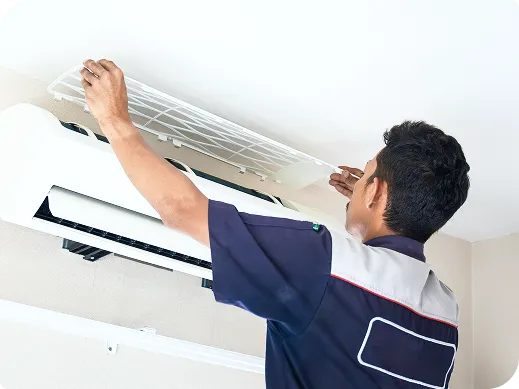
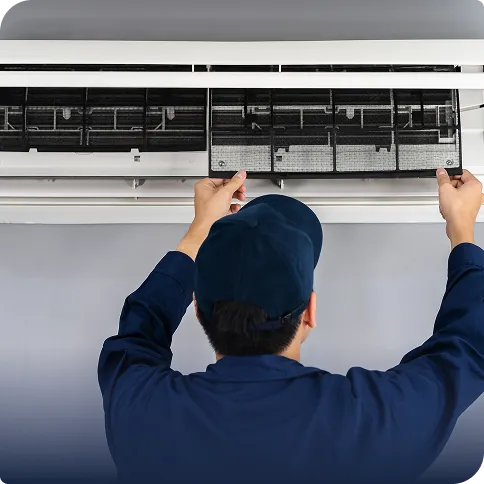
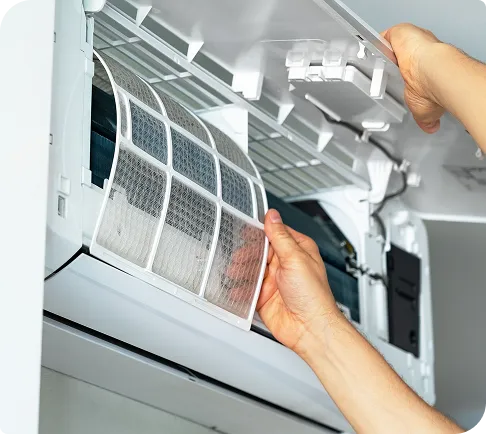
W.F. Smith HVAC technician inspecting the air filters inside a wall-mounted air conditioning unit during routine maintenance.

Nothing Is Opened Up Before You Approve the Price

The sequence runs the same way on a small repair and on a full replacement. Five steps cover a job end to end.
  • Booking. Our office tells you the visit fee before anyone is dispatched.
  • Diagnosis. A technician takes pressure, temperature, electrical, and airflow readings and traces the fault rather than swapping parts.
  • Written quote. The repair is priced in writing, and a replacement comes back as two or three options.
  • Your approval. Nothing is opened up, pulled, or ordered until you approve a number you have already seen.
  • Commissioning. On an install we verify charge and airflow, then register the equipment for its full manufacturer warranty.

A Real Measurement on Every Install

Sizing is where most comfort complaints get built in. We measure the house on every system we install: its insulation, its window area and the direction it faces, and how air moves between floors. Matching the tonnage of the old unit is faster and usually wrong, since houses get insulated, added onto, and reglazed.

Oversizing is the more common error. The unit cools fast, shuts off, and never runs long enough to pull moisture out, which leaves a house cool and clammy.

Pricing That Holds Through the Season

What the Warranty Covers

Parts we supply and fit on service work carry a one-year warranty. Equipment we install is registered so the full factory coverage runs from day one. Most Lennox systems are auto-registered for a three-year labor warranty, and Mitsubishi Electric equipment typically adds a one-year labor extension.

The Work We Turn Away

A boiler, a water heater, an oil system, or a steam system is a different trade, and turning that work away keeps our technicians on equipment they see every week.

Office Hours, After-Hours Calls, and Maintenance

Our office answers calls Monday through Friday, 8:00 a.m. to 4:00 p.m. Outside those hours an answering service reaches the technician on call, who calls back. We cover emergencies after hours rather than routine service around the clock.

Plan members get worked in first when several after-hours calls land at once.  

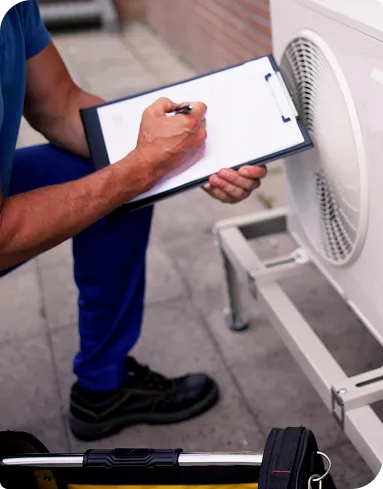
HVAC technician completing an air conditioning inspection checklist beside an outdoor AC unit to assess commercial cooling service needs.
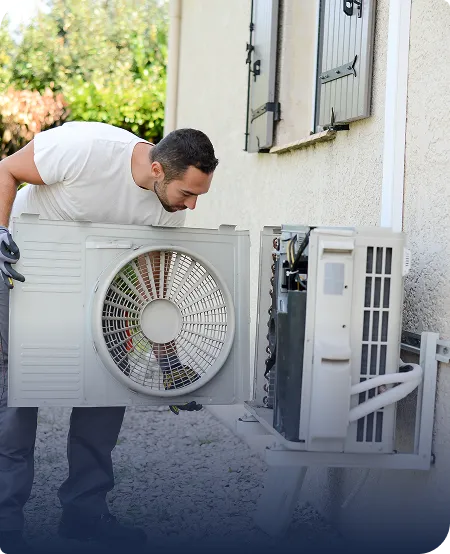
HVAC technician completing an air conditioning maintenance checklist beside an outdoor residential AC unit.

The Standards in Four Lines

  • You see the price before the work. Diagnosis first, a written quote second, your approval third.
  • Every install is measured to the house. A real calculation, not the old unit’s rating.
  • The number does not move with the weather. No heat-wave surge and no fall discounting.
  • Our limits are stated first, not last. Boilers, oil, and steam are named on the phone.

Common Questions About How We Work

Is the diagnostic fee credited toward the repair?

No. Our office tells you the visit fee before we come out, and that amount stands apart from whatever the repair costs. The fee pays for a technician’s time on site, the readings taken, and the written price you are left with. A replacement estimate works differently and costs nothing, and the diagnostic fee itself is quoted before anyone is dispatched.
Yes, and it happens regularly. The visit buys a finding and a written price, and both are yours whether or not we do the work. Some homeowners take the quote to a second contractor. Others decide the system is past saving and open a replacement conversation instead. Nothing is opened up or ordered until you approve a number you have already seen.
A phone description cannot separate a failed capacitor from a leaking coil, and a guess that turns out wrong costs more than the visit did. Two systems making the same noise often need different work. A technician measures pressures, temperatures, electrical draw, and airflow, then prices the fault that is actually there. You get that price in writing before anything is opened up.
Work stops and you get a fresh number. The approval you gave covers the repair that was quoted, not whatever turns up behind it. The technician explains what was found, what it means if it is left alone, and what the extra work would cost. You decide from there, and declining the second item is a normal outcome rather than an argument.
Every system we install, without exception. The measurement weighs floor area, insulation, glazing and the direction it faces, ceiling height, air leakage, and occupancy, rather than the rating of the equipment coming out. Sizing from the old unit carries forward whatever mistake was made last time, and two houses of the same size can need different equipment.
Neither. Rates hold through the year, so the same repair is priced the same in July as in October. Seasonal pricing is common in this trade, and it lands hardest on the homeowner who calls on the worst possible day. What does change a price is the equipment, the condition of the ductwork, and how hard the unit is to reach.
Parts we supply and fit on service work carry a one-year warranty, so a failure inside that window is ours to put right. Equipment we install is registered with the manufacturer, which keeps the full factory coverage active from the first day it runs. Most Lennox systems are auto-registered for a three-year labor warranty, and Mitsubishi Electric equipment typically adds a one-year labor extension.
It changes your place in the queue. Our office is open Monday through Friday, 8:00 a.m. to 4:00 p.m., and outside those hours an answering service reaches the on-call technician, who calls back. When several calls land at once, maintenance plan members are worked in first. Annual service also catches the faults that turn into night calls in the first place.

Before, During, and After Your Visit

Hold Us to What Is on This Page