

Brands & Equipment We Install

Compare equipment options after the house, load, ductwork, and project scope are understood.

Equipment We Install and Service

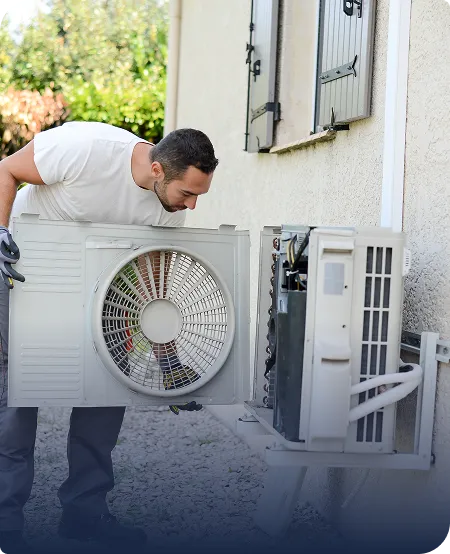
W.F. Smith installs and services heating and cooling equipment across Philadelphia and nearby Bucks and Montgomery County communities.
This page focuses on the equipment categories and brands used in replacement and installation work, with separate service pages for repairs and maintenance.

Brand matters, but it is one part of the decision. The load calculation sets the required capacity, the building determines whether a ducted, ductless, heat-pump, dual-fuel, or geothermal approach fits, and then the available equipment can be compared within that design.

Lennox is used most often on the ducted side and Mitsubishi Electric on ductless and zoned projects. Geothermal equipment is selected separately around the property and ground-loop design. W.F. Smith also services other major brands.

Boilers, water heaters, oil systems, and steam systems are outside the company’s service scope.

How Equipment for a House Actually Gets Chosen

Three decisions happen in order on every replacement. That order is what keeps a new system from disappointing the person who paid for it. Jumping straight to the third one is how a house ends up with good equipment that never feels right.
Five stages cover it:
  • The load comes first. We measure the house, its insulation, its window area and orientation, and how air moves between floors, then size to that number instead of to the old nameplate.
  • The building decides the route. A house with sound duct takes a ducted system. A house with no duct path takes ductless or zoned equipment. A property with the land for a ground loop can take geothermal.
  • The brand comes last. Once size and route are settled, the shortlist is usually two or three systems at different prices, laid out in writing.
Matching the tonnage of the old unit is faster, and it’s how most comfort complaints get built into a new system. Two houses of the same size on the same block can need different equipment. Installation quality carries as much weight as the label. A charge left wrong, a leaking duct connection, or a condensate line run uphill will spoil any manufacturer’s equipment.

From the First Visit to System Handoff

Commissioning and handoff. We verify operation and airflow, review the controls, and explain any manufacturer registration steps that apply to the selected equipment.
Five stages cover it:
  • In-home assessment. We review the house, existing ductwork or room layout, electrical needs, and equipment location.
  • Load calculation. Heating and cooling loads guide equipment capacity.
  • Written options. The proposal identifies the equipment, scope, and project price for each option.
  • Installation. The schedule depends on access, equipment type, ductwork, electrical work, and the number of zones. The expected project timeline is included with the written scope.
  • Commissioning and handoff. We verify operation and airflow, review the controls, and explain any manufacturer registration steps that apply to the selected equipment.

Lennox for Ducted Systems

W.F. Smith uses Lennox most often for ducted furnaces, air conditioners, and heat pumps. The equipment still has to be matched to the home’s load, ductwork, electrical needs, and control strategy.

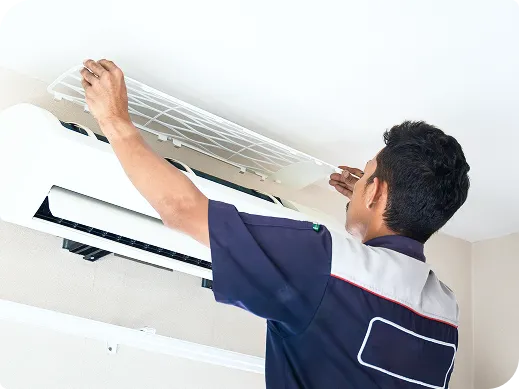
Mitsubishi Electric for Ductless and Zoned Systems

Geothermal Equipment Is a Separate Site Decision

Geothermal starts with the property, the ground-loop approach, access, and the home’s heating and cooling load. Equipment selection comes after those site questions are answered.

Warranty Coverage Depends on the Exact Equipment

Manufacturer basic, extended, and labor coverage are not the same thing. Registration can affect some extended or labor benefits, while basic coverage may apply from the installation date without registration depending on the manufacturer and product.
The written proposal and handoff should identify the exact equipment, the coverage that applies, any registration deadline, and who is responsible for completing it. Repair-parts warranties are separate from new-equipment manufacturer coverage.


What the Equipment Side Costs

Two things are fixed and worth stating plainly. Our office confirms the diagnostic fee before a visit, and that fee is never credited toward repair work. Estimates on replacement systems are free.
Everything else depends on the house, so we quote after seeing it rather than over the phone. Three things move the number most.

  • The route the building allows. Running new duct, or working around the absence of it, changes the job more than the nameplate does.
  • Ductwork condition. Leaking or undersized duct undermines new equipment, and correcting it is part of the job.
  • Electrical supply. Older services sometimes need work before new equipment can be fed properly.
  • Rates hold steady through the season. Prices don’t climb during a heat wave and they don’t get cut in the fall. Manufacturer rebate programs and the Electrical Association of Philadelphia program can apply to replacement projects, and financing is available for qualifying work.

    Why Homeowners Choose W.F. Smith for an Equipment Decision

    Sizing before selection.

    The load calculation and existing-system review happen before final equipment is selected.

    Written options.

    The proposal shows the equipment and project scope in writing so homeowners can compare what each option includes.

    Warranty handoff.

    The applicable basic, extended, and labor coverage, along with any registration steps, are identified for the equipment being proposed.

    A family business since 1946.

    The Smith family owns the company and works in the office.

    Equipment and Brand Question

    How should I compare HVAC brands?

    Start with the system your house actually needs. Compare the matched equipment, capacity, efficiency, controls, sound, warranty terms, service support, and what the installation scope includes. A brand name cannot correct a poor load calculation, weak ductwork, or an incomplete installation.
    W.F. Smith uses Lennox most often for ducted systems and Mitsubishi Electric most often for ductless and zoned projects. Geothermal equipment is selected separately around the property and ground-loop design.
    Often, but serviceability depends on the equipment and parts support. Give the office the brand and model information when you call so the team can confirm before scheduling.
    Yes. Warranty terms vary by manufacturer, model, and coverage type. The written proposal should identify the basic equipment coverage, any extended or labor coverage, and any registration steps that apply.
    Not automatically. Higher efficiency can be useful, but the best fit also depends on load, ductwork, controls, project cost, comfort goals, and how the equipment will operate in the house.

    Choose the System Type Before the Brand

    Talk Through the Equipment for Your House