
Dual Fuel Heating Systems in Philadelphia

A gas furnace and a heat pump, working together. W.F. Smith, family-owned since 1946.
The Advantages of Dual-Fuel Heating Systems

What Is a Dual Fuel Heating System?

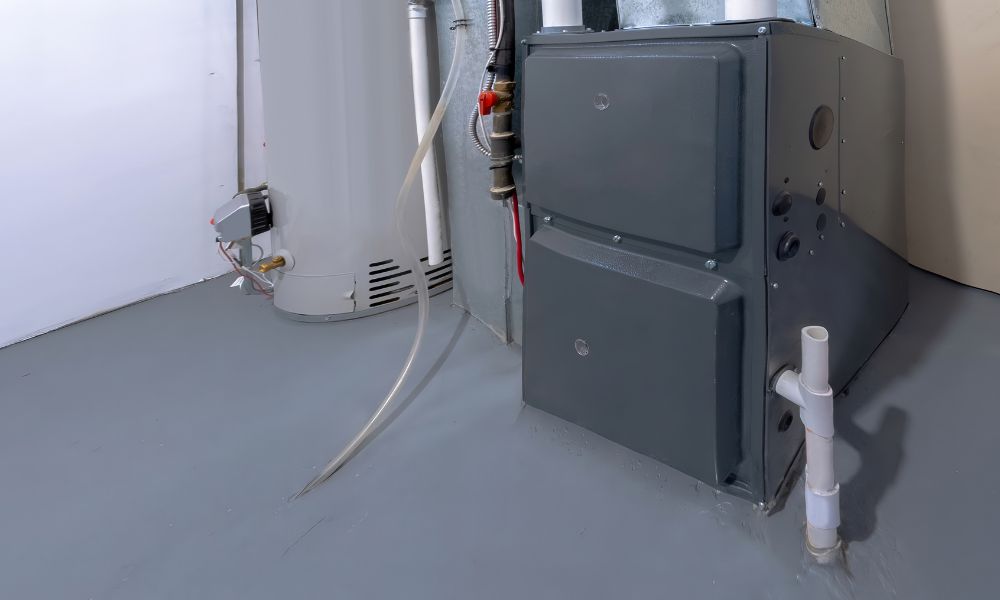
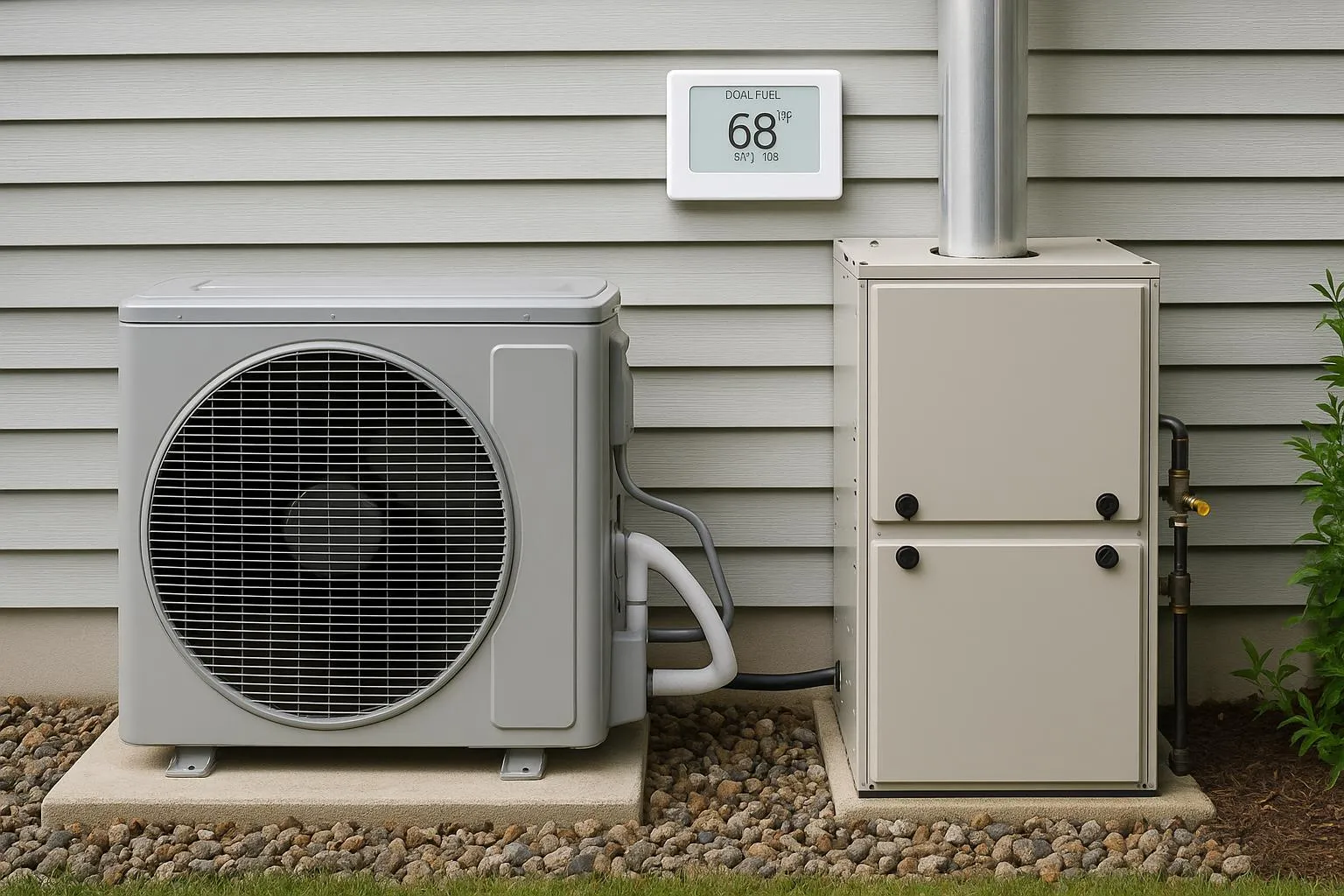
A dual fuel system pairs an electric heat pump with a gas furnace on one set of ductwork. The heat pump handles most heating and cooling, and the furnace takes over on the coldest days. Only one system runs at a time.

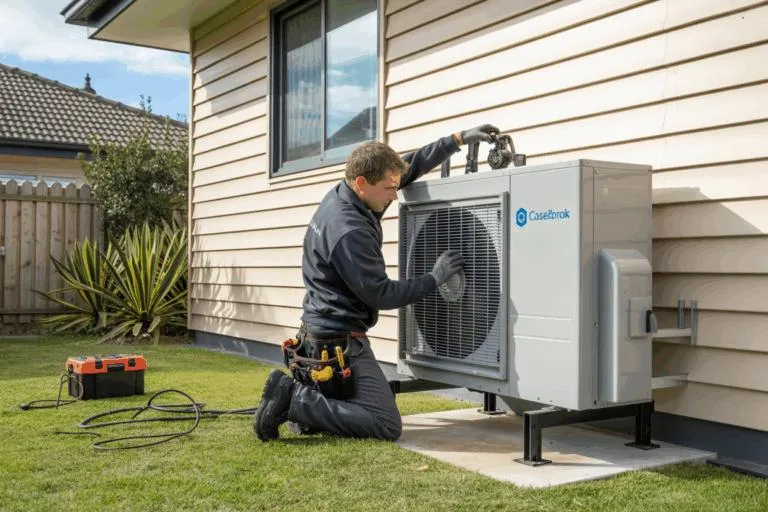
W.F. Smith installs dual fuel systems for homes across Philadelphia and nearby Bucks and Montgomery County communities, and installation estimates are free.

Is Dual Fuel Right for Your Home?

  • Both your furnace and air conditioner are aging. Replacing them together often makes the most financial sense.
  • You have gas service and want to keep it. The furnace gives you reliable heat on the coldest nights.
  • Your air conditioner needs replacing and your furnace is healthy. A heat pump can take the condenser’s place and add efficient heating.
  • You want lower electric bills than a standalone heat pump. The furnace avoids relying on electric backup heat in deep cold.

How the Two Systems Work Together

The heat pump moves heat from the outside air, which becomes less efficient as the temperature drops. The furnace burns gas, so its cost stays steady no matter how cold it gets outside.


A control switches between the two systems at a set outdoor temperature, called the balance point, so each system runs when it makes the most sense.

Setting the Balance Point

The balance point is the outdoor temperature where the system switches from the heat pump to the furnace. Getting it right matters for comfort and cost.

Set too high,

the furnace runs more than it needs to, which can cost more than necessary.

Set too low,

the heat pump struggles in cold weather and may not keep the home comfortable.

We calculate the balance point for your home and your equipment, and set it during installation.

Can Your Furnace Join a Dual Fuel System?

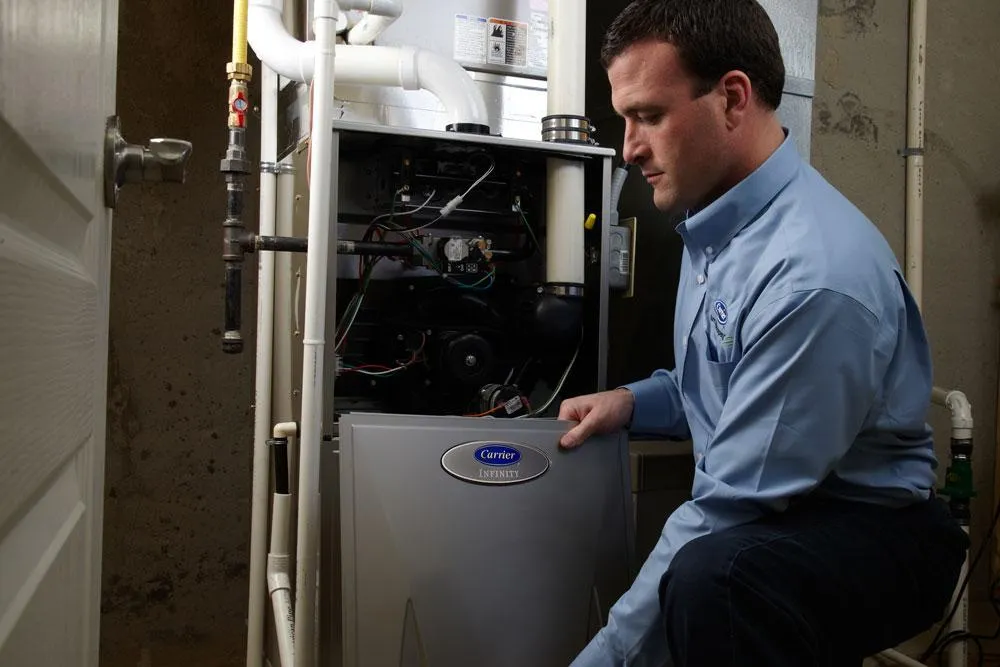
Not every furnace is a good candidate for pairing with a heat pump. We check several things during your free estimate.

  • Age and condition. A furnace near the end of its life is not worth building a dual fuel system around.
  • Blower capability. A heat pump often needs more airflow than a furnace alone.
  • Control compatibility. The furnace control board needs to accept a changeover signal.
  • Electrical capacity. The heat pump needs its own circuit, which some panels cannot support without an upgrade.

How We Install a Dual Fuel System

Free in-home estimate

We check your furnace, ductwork, electrical panel, and outdoor space.

Load calculation

We size both the heat pump and furnace pairing to your home. 

Written proposal

You compare options, including a traditional furnace and AC changeout.

Installation

Work on existing ductwork and gas lines is often completed in one to two days.

Commissioning

We test both systems, set the balance point, and register the equipment.

What Affects Dual Fuel System Cost?

Installation estimates are free. The price depends on your home and equipment choices.

  • What is being replaced. Installing both pieces together often costs less than replacing them separately over time.
  • Electrical capacity. An older panel may need an upgrade before the heat pump can be added.
  • Ductwork condition. Leaking or undersized ducts can reduce comfort with a heat pump.

W.F. Smith takes part in the Electrical Association of Philadelphia rebate programs, and financing is available through our manufacturer partners. Our rates stay the same year-round.

Why Homeowners Choose W.F. Smith for Dual Fuel

  • The balance point is calculated, not guessed. We set it based on your home and your equipment.
  • Both systems are sized properly. The heat pump and furnace are each sized to your home.
  • An honest comparison. We show you the cost of a standard changeout too, so you can compare.
  • A family business since 1946. The Smith family runs the company from 7310 State Road.

Dual Fuel Questions From Philadelphia Homeowners

What is a dual fuel heating system?

A dual fuel system pairs an electric heat pump with a gas furnace on one set of ductwork and one thermostat. The heat pump handles most heating and all cooling, and the furnace takes over automatically when it gets very cold outside.
No. A properly set up dual fuel system runs only one heat source at a time. The control locks out the heat pump whenever the furnace is running.
This usually means the balance point needs adjusting, or the outdoor temperature sensor is reading incorrectly. A technician can check and correct the setting during a service visit.
Often, yes. We check your furnace’s age, blower capability, control compatibility, and your home’s electrical panel capacity during a free estimate to confirm it is a good candidate.
It depends on whether you have gas service you want to keep using. Dual fuel can avoid relying on electric backup heat during the coldest weather, which some homeowners prefer. We price both options so you can compare.
Both halves of the system benefit from service once a year. The furnace is typically checked in the fall, and the heat pump in the spring, so each system is ready for its season.

When a Dual-Fuel System Makes Sense

Find Out If Dual Fuel Fits Your Home