
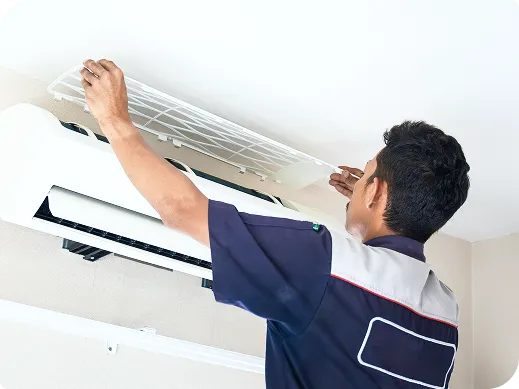
W.F. Smith services the heating and cooling side of restaurants across Philadelphia and the nearby Bucks and Montgomery County suburbs. That covers rooftop and packaged units, commercial split systems, and ductless or zoned equipment for dining rooms, bars, and back of house.
This page covers comfort heating and cooling only: the equipment that keeps the dining room, bar, and back of house at a comfortable temperature. Kitchen exhaust hoods, makeup air units, grease duct, and walk-in or reach-in refrigeration are a different trade and are not part of what we service.
We also do not service boilers, steam systems, oil systems, water heaters, or chillers. Tell us what’s on the roof and in the mechanical room when you call, and we’ll say plainly which of it is ours.
Our office quotes the commercial diagnostic visit per site before a technician is dispatched. Replacement estimates are free, and nothing gets replaced before you approve the price. We install Lennox most often and Mitsubishi Electric on the ductless and zoned side.
A restaurant reports an HVAC fault through the room rather than the equipment. Staff and guests notice it before anyone opens a panel. The pattern of when it happens usually names the fault.
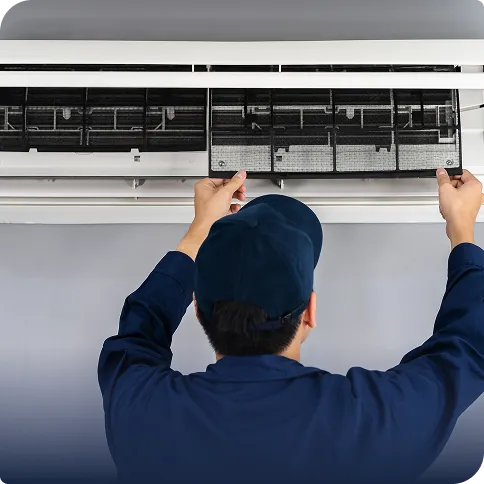
A restaurant is not a building with a steady load. An empty dining room at three in the afternoon and the same room at eight on a Saturday are different problems. The equipment has to answer both.
Three things move it. A full room adds heat and moisture from the people in it. Cooking equipment runs hard through service and pushes heat toward the front. A street door opens all evening and brings outside air with it.
Equipment sized on floor area alone misses all three. A real measurement of occupancy, equipment, and outside air is why two restaurants on the same block with the same square footage can need different systems.
Heat behaves the same way in reverse. A room that fills on a January evening needs less heat than the empty room did at four in the afternoon. A single stage overshoots and then coasts, which is why zoning matters on the heating side too.
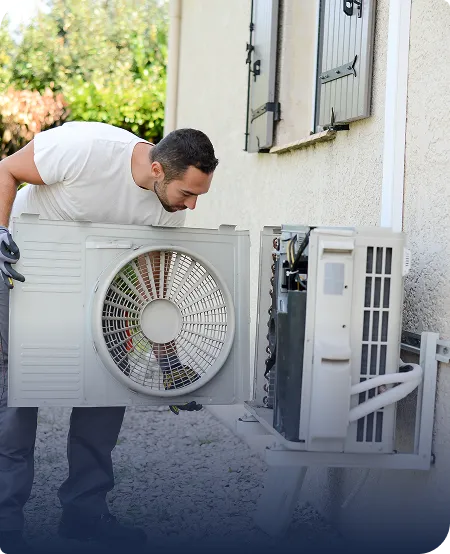
This is the complaint we hear most from operators, and it’s a zoning problem rather than a capacity one. Back of house makes heat all service. Front of house does not.
One thermostat holds whichever end it sits in and loses the other. Turning the setpoint down cools the dining room past comfortable. The line stays hot anyway. Guests put coats on while the compressor runs hours it doesn’t need.
Splitting the space so front and back answer to different thermostats is the fix. Zone dampers do it where the duct allows. Where duct won’t reach, ductless equipment covers a bar, a private room, or back of house on its own thermostat.
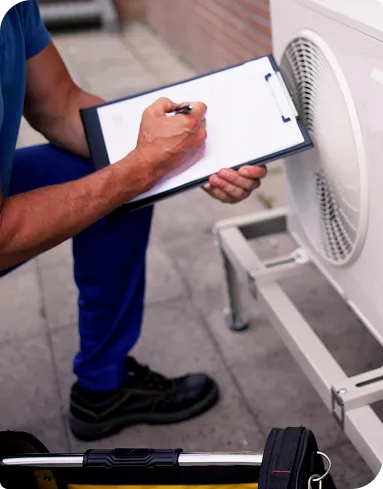
A technician reads supply air temperature, damper position, and the balance between the two ends before quoting anything. Added tonnage rarely fixes a split like this. It usually makes the cold end colder and leaves the line where it was.
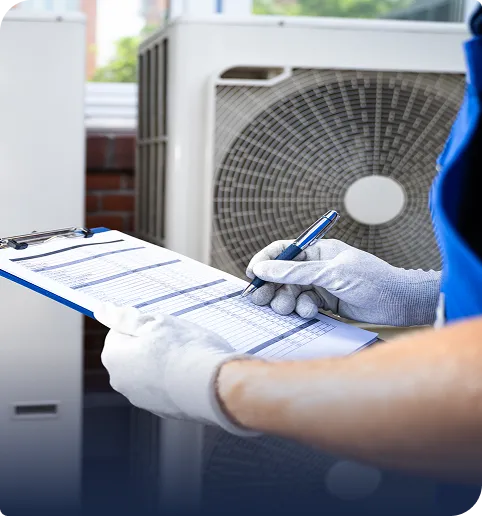
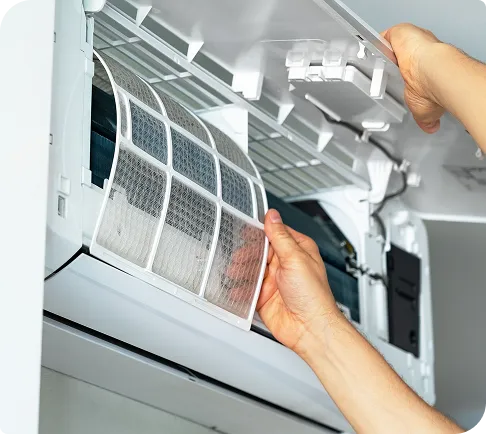
The same five steps on every job, with the working window agreed before anything starts.
The time to replace a restaurant’s cooling is before you need it, which means late winter into spring rather than June. Planning ahead gets you the same load calculation and the same written options as always, plus more room to schedule: crane time, equipment lead time, and a working window between services.
A unit that fails without warning in July still gets measured and quoted the same way. What changes is the scheduling room: equipment comes from whatever’s available that week, and the work runs at overtime rates since it falls outside a planned window.
Our office quotes the commercial diagnostic visit per site, since roof access, unit counts, and parking change the time on site. Replacement estimates are free. We quote after seeing the roof rather than over the phone.
Call W.F. Smith to book restaurant HVAC service or a free replacement estimate. The office answers Monday through Friday, 8:00 a.m. to 4:00 p.m., and an answering service reaches the on-call technician outside those hours.
See commercial HVAC for the whole category, commercial HVAC maintenance for scheduled work, or request service online.