A home can reach the thermostat setting and still feel damp. Philadelphia summers bring long periods of moisture, and some houses hold on to that humidity even while the air conditioner is running. W.F. Smith installs whole-house dehumidification systems for homes where cooling alone is not keeping indoor moisture under control.
A whole-house dehumidifier works with the home rather than one room at a time. The equipment removes moisture from the air, sends the collected water to a drain, and returns drier air to the living space through the HVAC system or a dedicated duct connection, depending on the design.
High indoor humidity is often noticed before it is measured. The house feels sticky even when the temperature is comfortable, the basement or lower level smells musty, or condensation appears on cooler surfaces. Those symptoms can come from several sources, so W.F. Smith looks at both the moisture level and the HVAC system before recommending equipment.
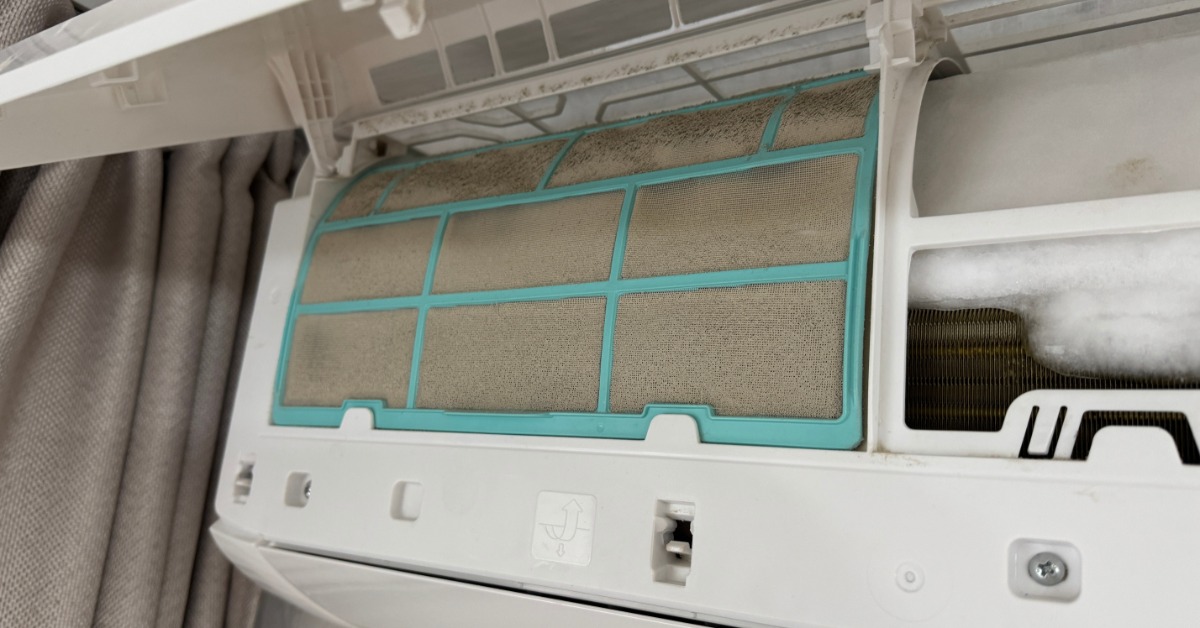
An air conditioner removes moisture as a byproduct of cooling. That works well when the system runs long enough. Problems appear when the equipment is oversized, the home gains moisture faster than the system can remove it, or the outdoor temperature is mild enough that the thermostat is satisfied before much dehumidification occurs.
Duct leakage and airflow matter too. A return duct that pulls humid basement, crawl-space, or attic air into the system can keep feeding moisture back into the house. Before adding a dehumidifier, W.F. Smith can look at the pattern of the problem and whether the existing system is contributing to it.
A dedicated dehumidifier uses a refrigeration cycle to cool incoming air below its dew point so moisture condenses out. That water drains away, and the drier air is then returned to the home. Because humidity control has its own set point, many systems can remove moisture when the home needs dehumidification even if the thermostat is not asking for much cooling.
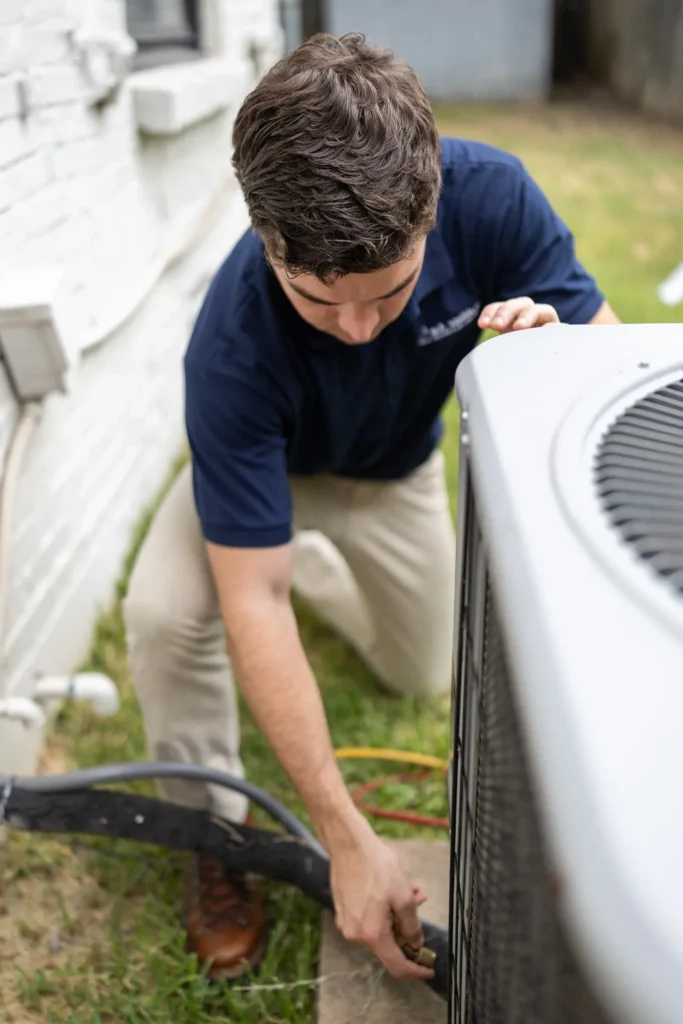
The installation has to account for airflow, duct connections, drainage, electrical service, access for filter changes, and how the dehumidifier will communicate with the existing controls. The best layout depends on the house and on whether the equipment serves the whole home or a specific problem area.

A dehumidifier is useful when the problem is excess moisture in the air. It is not a substitute for repairing an active plumbing leak, water entering through a foundation, a failed condensate drain, or another source that is continuously adding liquid water to the building.
That distinction matters because drying the air while a water problem continues only treats the symptom. When the moisture source is building-related, W.F. Smith can explain what the HVAC system is seeing, but the source itself may need a different trade or repair before humidity control can work as intended.
Whole-house dehumidifiers are selected by more than square footage. The moisture load, basement conditions, duct layout, existing HVAC capacity, and how tightly the home is built all affect the amount of dehumidification needed. The goal is steady control, not simply installing the largest unit that will fit.
During the estimate, W.F. Smith can review where the air will be pulled from and returned, where the condensate can drain, how the unit will be serviced, and how the controls will work with the existing thermostat and HVAC equipment.
A dehumidifier needs routine care just like other HVAC equipment. Filters have to be cleaned or replaced, drains need to stay clear, and the unit should remain accessible for service. The exact interval depends on the manufacturer, the home, and how many hours the equipment runs during humid weather.