
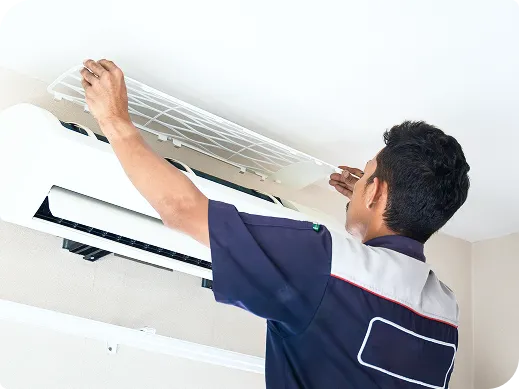
Lennox Heating and Cooling Equipment

Ducted heating and cooling options selected around the house, the load, and the installation.

Lennox for Ducted Heating and Cooling

W.F. Smith installs and services Lennox equipment for ducted heating and cooling across Philadelphia and nearby Bucks and Montgomery County communities. The equipment choice is paired with the home’s load, ductwork, electrical needs, controls, and installation scope.
A Lennox proposal should identify the matched indoor and outdoor equipment, the capacity and efficiency of the combination, the control strategy, any duct or electrical work, and the warranty coverage that applies. Registration can affect certain extended or labor benefits, but basic coverage does not depend on registration.
W.F. Smith also installs Mitsubishi Electric equipment for ductless and zoned applications and services other major brands.

Why One Range of Equipment Ends Up in Most Jobs

Repetition is a practical habit, not a loyalty. A technician who opens the same cabinet most weeks knows where the board sits and what its fault codes mean. That familiarity also says which supplier has the part on a shelf tonight. It’s the difference between a repair tonight and an order placed on Monday.

The housing stock pushes the decision the same way. Much of it is masonry rowhomes, twins, and colonials that had duct added decades later. New equipment nearly always has to work with a duct system nobody designed for it.
What the Nameplate Does Not Decide

A brand is a purchasing decision and it arrives late. Three things sit ahead of it, and together they settle whether the finished system feels right.

  • The load calculation. Heat loss and heat gain set the size, measured from the house rather than read off the old unit.
  • The route the building will take. Sound duct, or a path to run it, is what makes a ducted system workable.
  • The condition of what’s already there. Duct, returns, and the electrical supply decide how much happens before the equipment arrives.

Sizing a replacement to match the old unit is quicker, and it’s how most comfort complaints get built in. Two houses with the same footprint on the same street can need different systems, because insulation, window area, orientation, and the way air moves between floors all pull the number around.

What follows the name is the part that decides the outcome. It’s a matched indoor and outdoor pair, and a charge weighed in rather than guessed at. It’s duct connections sealed rather than taped over, and a registration filed before the van leaves. None of that appears on a specification sheet, and all of it shows up two summers later.

From the First Visit to a Registered Warranty

Five steps run in the same order on every ducted replacement we quote. The order is what stops the last step becoming a problem in year three.
  • Free estimate. We walk the house, the duct that’s already there, and the electrical supply.
  • Load calculation. The size is measured out of the house, room by room.
  • Written options. Two or three systems, priced, with no push toward the dearest.
  • Installation. A straight changeout usually runs a day. New duct runs longer.
  • Commissioning and registration. Charge and airflow verified, then the equipment registered.

The Ducted Jobs This Equipment Covers

Three categories account for nearly all of it. Furnaces on the heating side, central air conditioners on the cooling side, and heat pumps where one machine does both. Which of the three suits a house is a fuel and building question, not a brand question. A house moving off oil, or one adding cooling anyway, usually gets a heat pump priced alongside. The duct is part of every one of those jobs, not an extra line on the invoice. Leaking joints and undersized returns waste whatever the equipment produces.

Understand the Warranty Before Installation

What Ducted Work Costs

One thing is fixed. Our office confirms the diagnostic fee before a visit on equipment already installed, and that fee is never credited against the repair. A replacement estimate carries no charge.

Everything else follows the house, so we price after seeing it. Three things move the number further than the equipment does.

  • The state of the duct. Sealing leaks or correcting an undersized return is part of the job, not an upsell.
  • Access. A third-floor air handler, a tight alley, or a condenser bound for a flat roof adds hours.
  • Electrical supply. An older electrical service sometimes needs upgrading before new equipment can be fed.

Why Homeowners Choose W.F. Smith for Ducted Work

The size comes before the shopping.

A load calculation runs on every install, before any equipment gets named.

More than one written option.

Two or three systems, priced side by side, with no push toward the dearest.

Registration filed by us.

The coverage is active before we pull away, and we go through the terms first.

A family business since 1946.

The owners work at the State Road office, not at a regional headquarters.

Lennox Questions We Get Asked

Why does W.F. Smith install Lennox on the ducted side?

Because fitting the same equipment week after week makes the people fitting it faster and surer. Our technicians know the control boards, the wiring layouts, and which supplier holds the part tonight rather than on Thursday. That shortens a diagnosis and shortens a parts wait, which is what a homeowner feels. That’s a decision about how the work runs. Nobody here is saying the other manufacturers build poor machines.
No. Most of our ducted installations use it, for the repetition reason above, but the equipment is never the first decision on a job. The load calculation sets the size, and the building decides whether a ducted system is the right route at all. If the house points somewhere else, you hear it at the estimate rather than after the booking.
Yes. Who installed it doesn’t decide whether we come out to it. When you call, tell the office what the outdoor unit and the furnace or air handler are. Nothing is dispatched until that’s confirmed. A system we did not fit sometimes has a charge or a duct connection worth checking, so allow a little extra time on that first visit.
Lennox’s basic warranty doesn’t require registration and applies from the installation date. We still register every system we install, because that’s what activates extended and labor coverage where it applies. Parts and labor are separate coverages and easy to confuse. On service work rather than installation, the parts we supply carry a one-year warranty. What your own system holds is set out in the paperwork you sign.
It means the indoor and the outdoor equipment were designed and tested to run as a pair. Putting a new outdoor unit on an old indoor coil is cheaper on the invoice and worse in the house. Neither half then reaches what it was built to do. We quote matched equipment as standard and say plainly when a particular house makes that awkward.
Because the duct delivers whatever the equipment produces, and a great deal of it never arrives. Leaking joints dump conditioned air into a crawl space or an attic. An undersized return starves the blower and pushes the system toward short cycling. Unbalanced runs to the far bedrooms stay warm in July whatever sits outside. We assess all of it during the free estimate.
No. A replacement estimate is free, and that covers the load calculation, the duct assessment, and the written options. The diagnostic fee is a separate thing entirely. It applies when a technician comes out to find a fault on a system you want repaired. Our office confirms that fee before dispatch, and it’s not credited against the repair.
A straight changeout, where new equipment lands in the same place and feeds the duct already there, usually finishes inside a day. Adding duct, moving equipment to another part of the house, or correcting an electrical supply stretches it to two or three. We put the expected schedule into the written estimate, so the timing is agreed rather than discovered. Most of the changeouts we quote fall into the first category.

How to Compare Lennox Equipment Options

Talk Through a Ducted System for Your House