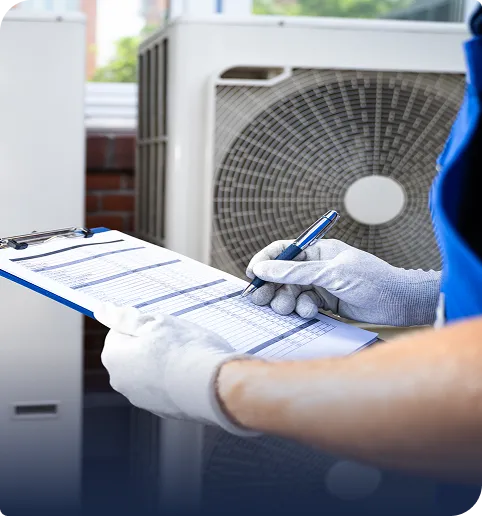
W.F. Smith installs ducted and ductless heat pumps in Philadelphia homes. A replacement estimate starts with measurements of the house, the existing distribution system, electrical capacity, and equipment location so the proposal reflects the actual project.
Every installation starts with the building rather than simply matching the equipment being removed. We review the load, ductwork or room layout, electrical supply, and outdoor-unit location before selecting equipment.
A heat pump earns its place in some houses and not others. These are the situations where it usually wins.
A real measurement of the house decides the size, not floor area. Two houses with identical square footage can need different equipment. Insulation, window area, orientation, and the path air takes between floors all count. The measurement takes about an hour during the estimate.
Oversizing is the common error. Too much capacity short cycles, which wears the compressor and leaves moisture in the air all summer. Undersizing is easier to spot, since the system runs flat out and still loses ground.
Sizing also sets a balance point — the outdoor temperature where backup heat takes over. Set it too high and the backup runs more than it should.
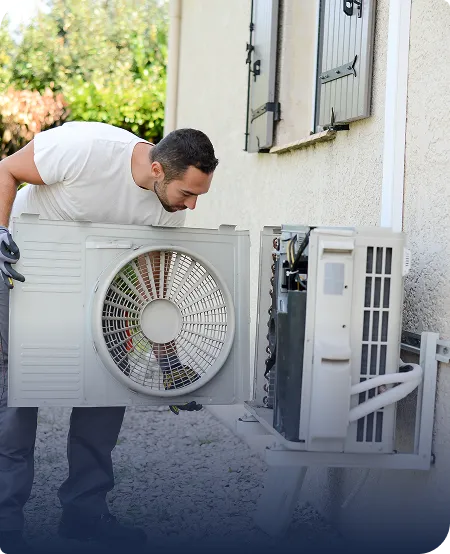
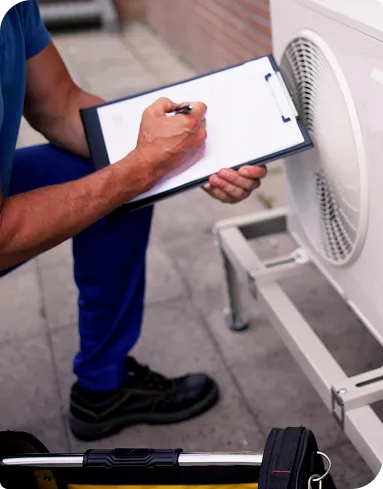
A ducted heat pump suits a house with usable duct in place. The indoor coil sits on the air handler, and the duct gets measured and modified where static pressure calls for it.
Ductless suits a house with no duct path. Each indoor head connects back to the outdoor unit through a small wall penetration, which keeps the work out of ceilings.
Dual-fuel keeps a working gas furnace in the picture. The heat pump carries cooling and most of the heating season, and the furnace takes over below the changeover point we set.
The estimate is free and the price follows the survey. Equipment, duct condition, electrical supply, and where the outdoor unit can sit all feed into it, so we don’t quote a heat pump over the phone. Three things move it most.