Get Your Philadelphia Heating System Ready Before Winter
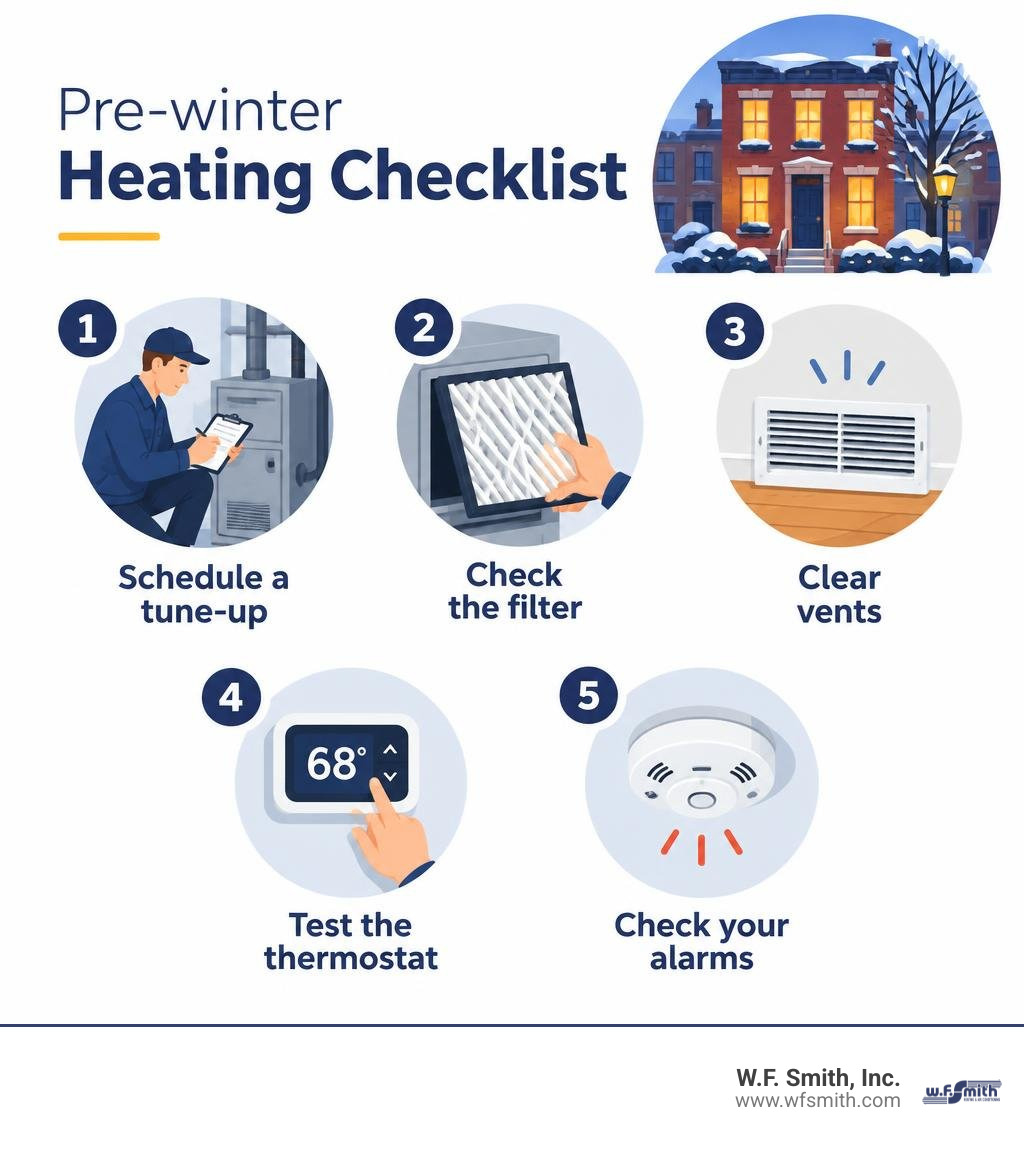
For heating maintenance in Philadelphia, schedule a professional tune-up before cold weather settles in. While you wait, replace or clean the air filter, keep vents clear, test the thermostat, and check your carbon monoxide alarms. These simple steps can help you spot problems before a winter breakdown.
If your heat is already out, check the thermostat, heating system switch, and circuit breaker first. Do not try to repair gas or electrical parts yourself. W.F. Smith, Inc. offers heating maintenance and 24/7 emergency service in Philadelphia.
Essential Heating Maintenance in Philadelphia Before Cold Weather Arrives
Winter in our area brings biting winds off the Delaware and Schuylkill rivers, sub-freezing cold snaps, and nor’easters that push residential heating equipment to its limit. From historic brick rowhomes in South Philly to modern split-level homes in the Northeast, dependable heating is essential for indoor comfort and freeze protection.
Proactive care ensures your equipment operates reliably when outdoor temperatures plunge. Following proven HVAC maintenance best practices for Philadelphia homeowners protects your family from mid-winter breakdowns while preserving indoor air quality and keeping monthly heating costs manageable.
Why Heating Maintenance in Philadelphia Is Essential for Winter Comfort
When outdoor temperatures drop below freezing, a struggling heating system must run almost continuously to satisfy the thermostat. That constant strain increases wear on vital mechanical parts, spikes monthly utility bills, and raises the risk of unexpected component failure.
Regular pre-season maintenance delivers several practical benefits:
- Lower Utility Bills: Clean blowers, properly calibrated burners, and unrestricted airflow allow the system to transfer heat efficiently without burning extra fuel.
- Extended Equipment Lifespan: Lubricating moving parts, tightening electrical connections, and cleaning internal assemblies prevent premature wear on expensive components.
- Consistent Comfort: Well-maintained systems distribute warm air evenly across every room, eliminating drafty corners and cold spots.
- Safety and Peace of Mind: Thorough safety checks ensure that fuel burns cleanly, flue passages vent combustion gases outdoors properly, and built-in safety controls respond correctly.
Common Philadelphia Winter Heating Problems
During our peak winter service calls across the city, our technicians regularly encounter heating failures that could have been prevented with timely fall maintenance. Recognizing these common issues early helps you avoid being left in the cold:
- Severe Airflow Restrictions: Dust buildup and clogged air filters starve the blower motor of air, causing heat to build up inside the cabinet until safety limit switches shut down the system.
- Ignition and Pilot Failures: Dirty flame sensors, worn igniters, or oxidized pilot assemblies can prevent gas burners from lighting or staying lit.
- Thermostat Inaccuracies: Aging sensors, loose low-voltage wiring, or dead backup batteries can cause short-cycling, false temperature readings, or total system non-responsiveness.
- Worn Belts and Blower Motors: Dry bearings and frayed blower belts create squealing noises and reduce airflow through your ductwork.
If you notice odd noises, uneven temperatures, or strange odors when your system starts up, review these 12 warning signs your furnace needs a tune-up before minor wear turns into an emergency shutdown.
How to Perform Routine DIY Heating Maintenance at Home
While complex electrical and gas diagnostic work must always be handled by certified HVAC professionals, homeowners can take several straightforward maintenance steps to improve efficiency and system reliability.
Step-by-Step Fall Heating Maintenance Checklist
Taking an hour in the fall to prepare your heating equipment pays dividends all season long. You can follow our comprehensive annual furnace maintenance fall checklist or walk through these fundamental steps:
- Replace the Air Filter: Check your filter monthly throughout the heating season. Replace standard 1-inch fiberglass or pleated filters every 30 to 90 days, or clean reusable filters according to manufacturer specifications.
- Clear Vents and Registers: Walk through your living spaces and make sure all supply vents and return air grilles remain unblocked by furniture, drapes, or area rugs.
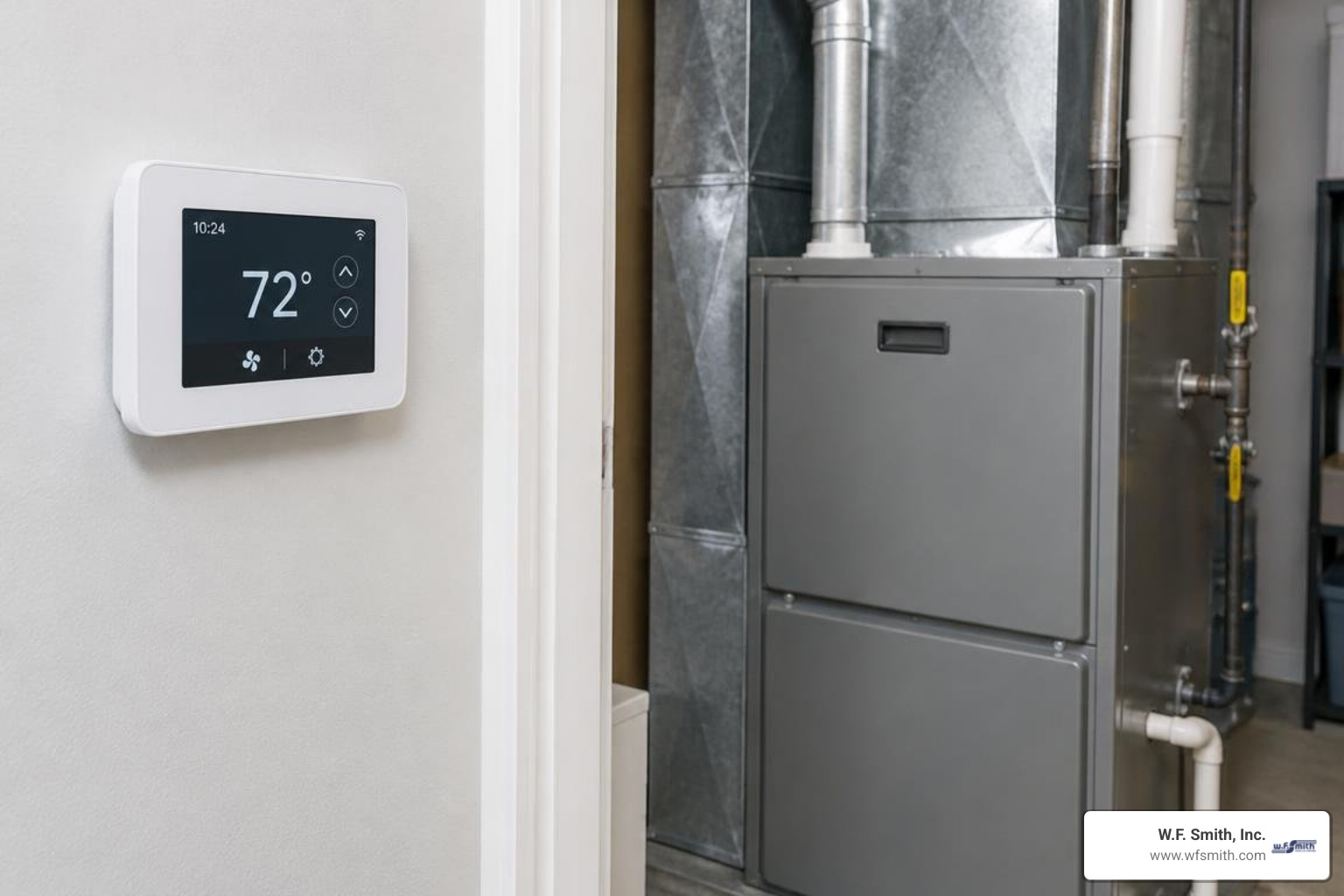
- Calibrate and Test the Thermostat: Switch your thermostat from “Cool” to “Heat” and raise the setpoint 5 degrees above current room temperature. Listen for the system to engage smoothly and confirm that warm air begins flowing within a few minutes.
- Inspect Flue and Chimney Connections: Visually check the exhaust pipe leading from your unit to the chimney or outdoor vent for visible corrosion, loose joints, or disconnected sections.
- Test Carbon Monoxide and Smoke Detectors: Place fresh batteries in every detector, test their alarms, and ensure at least one carbon monoxide monitor sits on every level of your home, especially near sleeping areas.
Safe Homeowner Checks for Gas Heating and Oil Heating Systems
Safe visual inspections can help you catch small issues before they interrupt your heat:
- Emergency Power Switch: Most residential heating systems feature a dedicated power switch mounted on the side of the unit or at the top of the basement stairs (often marked with a red faceplate). Verify this switch is in the “ON” position.
- Main Electrical Panel: Check your breaker box to ensure the 15-amp or 20-amp heating circuit breaker has not tripped into the neutral or “OFF” position.
- Gas Burner and Pilot Observation: If your system features a visible burner assembly or standing pilot, observe the flame. A healthy natural gas flame burns steady and bright blue. If the flame flickers yellow, orange, or rolls outside the burner compartment, turn the unit off and schedule professional service immediately.
- Oil Tank Gauge Levels: For homes utilizing heating oil, inspect your tank gauge to ensure fuel reserves remain well above the 1/4-tank mark before the first deep freeze arrives. Note: W.F. Smith does not service oil heating systems.

What to Do If Your Heating System Stops Working
Discovering your home has no heat during a freezing winter night can be stressful. Before panicking, work through these basic checks to identify any simple issues.
Emergency Troubleshooting Steps Before Calling for Help
Before scheduling a technician, perform this quick troubleshooting sequence:
- Confirm Thermostat Settings: Ensure the thermostat is set to “Heat,” the fan is set to “Auto,” and the target temperature sits at least 3 to 5 degrees above the current indoor reading. Replace the batteries if the display is blank or dim.
- Inspect the Emergency Shutoff Switch: Make sure the red-labeled emergency switch at the basement entryway or near the unit was not bumped into the “OFF” position.
- Examine the Electrical Panel: Locate the heating circuit breaker. If it has tripped, firmly switch it completely to “OFF” before resetting it back to “ON.” If it trips a second time, leave it off and call for service.
- Check Blower Access Doors: Many modern split systems have safety interlock switches that cut all electrical power if the blower compartment access panel is loose or ajar. Ensure the panel is seated securely.
- Verify Fuel Availability: Confirm that your gas supply valve is open or that your heating oil tank has adequate fuel.
If your system still fails to start after completing these checks, protect your home from freezing temperatures by contacting our team for 24/7 emergency heating repair in Philadelphia.
Renter Heating Rights and Emergency Procedures
If you rent an apartment or house in Philadelphia, city regulations mandate specific heating requirements to protect tenant safety throughout the colder months.
Under the Philadelphia Heat Code, landlords are legally required to provide adequate heat from October through April. Rental properties must maintain an indoor temperature of at least 68 degrees Fahrenheit. If your heat fails:
- Notify your landlord or property management company immediately in writing (via email, portal, or text) and by phone, documenting the exact date, time, and indoor temperature.
- If your landlord fails to respond or take corrective action within a reasonable timeframe, you can contact the Philadelphia Department of Licenses and Inspections (L&I) by dialing 311 to report the violation.
- Never use a kitchen oven, gas range, or unvented fuel-burning heater to warm living spaces, as this presents severe fire and carbon monoxide hazards.
Philadelphia Emergency Heating Assistance and Community Programs
No Philadelphia resident should face sub-freezing winter weather without safe, reliable heat. The City of Philadelphia and local non-profit organizations offer specialized utility and repair assistance programs for qualifying low-income households.
The Philadelphia Heater Hotline and ECA Services
The Heater Hotline program has operated Philadelphia’s only emergency hotline for income-eligible residents facing heating system breakage during winter for over 30 years. Administered by the Energy Coordinating Agency (ECA) with support from the Division of Housing and Community Development, the program provides free, emergency repairs to home heaters.
- Hotline Phone Number: Residents can call the Energy Coordinating Agency directly at 215-568-7190 for emergency repair assistance.
- Eligibility Requirements: To qualify for the Heater Hotline Program, household income must not be greater than 150% of the Federal Poverty Level. Applicants must own and occupy a single-family home in Philadelphia and cannot own more than one property. (Renters and multi-unit rental buildings are not eligible for this specific program).
- Covered Repairs: The program’s technicians can repair oil burners, gas valves, thermostats, heating controls, chimneys, flues, blowers, circulators, and heat distribution pipes.
Low Income Home Energy Assistance Program (LIHEAP)
The Low Income Home Energy Assistance Program (LIHEAP) is a federally funded program that provides utility bill and fuel assistance and can support renters with heating repairs and anyone in need of a whole heating system replacement.
LIHEAP is generally open from November to April annually, but dates are subject to change based on federal and state funding schedules. Residents can contact the Philadelphia LIHEAP office at 215-560-1583 for application details and crisis grant assistance.
| Program Feature | Philadelphia Heater Hotline (ECA) | LIHEAP Crisis Assistance |
|---|---|---|
| Primary Focus | Free emergency heater repairs | Utility bills, fuel grants & system replacements |
| Eligibility Limit | Income up to 150% Federal Poverty Level | State income guidelines (typically up to 150% FPL) |
| Property Type | Owner-occupied single-family homes only | Homeowners and qualifying renters |
| Scope of Work | Mechanical repairs, controls, flues, burners | Fuel delivery, repairs, and complete replacements |
| Contact Number | 215-568-7190 | 215-560-1583 |
Professional Heating Tune-Ups vs. Emergency Heating Repairs
Emergency repairs focus on getting a broken system running again during a freeze, but proactive maintenance prevents those failures from happening in the first place. Comprehensive seasonal tune-ups address subtle mechanical wear, clean hidden buildup, and verify that all safety systems operate correctly.
Our team provides heating services for residential split systems and commercial rooftop units (RTUs), helping keep equipment running reliably throughout the heating season.
Scheduling Professional Heating Maintenance in Philadelphia
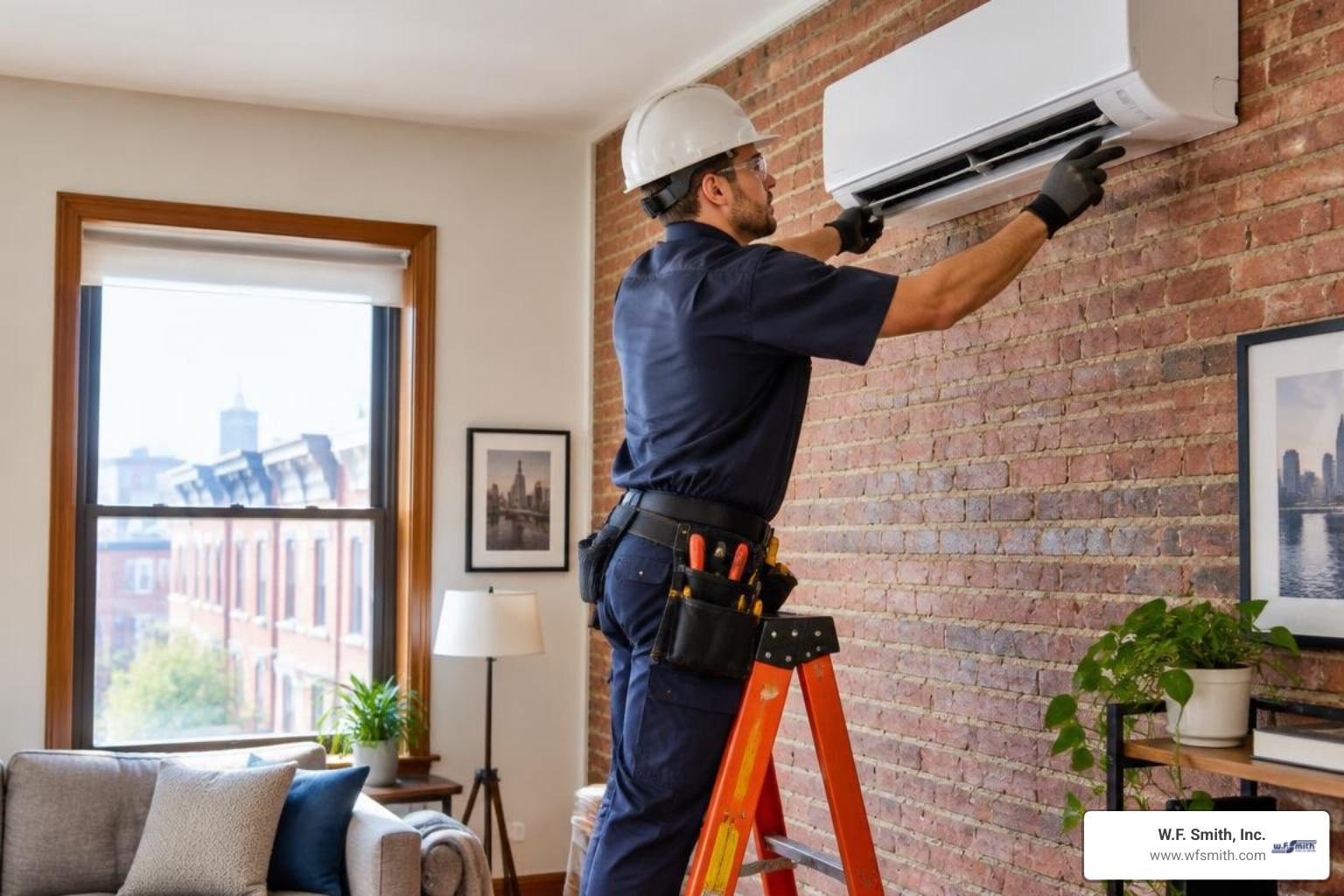
A professional tune-up goes far beyond basic filter changes. During a comprehensive maintenance visit, our technicians perform detailed diagnostics and safety testing, including:
- Heat Exchanger Inspection: Inspecting the heat exchanger for cracks, rust, or metal fatigue to prevent carbon monoxide leaks into living spaces.
- Burner Cleaning and Flame Adjustment: Removing carbon buildup, cleaning ignition assemblies, and adjusting fuel-to-air ratios for clean combustion.
- Electrical Testing: Tightening high-voltage and control wiring, measuring motor operating amperages, and testing safety limit switches.
- Blower Motor and Airflow Optimization: Cleaning blower wheels, checking airflow static pressure, and lubricating bearings where applicable.
- Exhaust Flue and Draft Verification: Testing draft pressure and confirming flue gases vent safely outdoors.
For routine care, our furnace maintenance services help identify wear and safety concerns before they become disruptive problems.
For broader repair, installation, and maintenance support, explore our HVAC services in Philadelphia, PA.
Local Rebates and Heating Efficiency Incentives
Upgrading aging heating equipment or scheduling efficiency improvements can deliver long-term utility savings. Homeowners looking to lower their energy costs can take advantage of local utility incentives and manufacturer promotions:
- PECO Heating and Cooling Rebates: PECO offers energy efficiency rebates for residential customers who install qualifying high-efficiency heat pumps, central split systems, and smart thermostats.
- Philadelphia Gas Works (PGW) EnergySense Rebates: PGW provides equipment rebates for customers who replace older, inefficient gas heating equipment with qualifying high-efficiency units.
- Manufacturer Rebates and Financing: Major brands like Lennox and Mitsubishi periodically offer seasonal promotions, instant trade-in credits, and flexible financing options to make new system installations more affordable.
Note: The former federal Section 25C Energy Efficient Home Improvement tax credit for HVAC equipment expired for installations placed in service after December 31, 2025. For any installations completed in 2025, tax credit eligibility was governed by the specific rules in effect at that time. Today, homeowners can maximize their savings through local utility rebates, seasonal manufacturer discounts, and lower monthly fuel bills.
Frequently Asked Questions About Philadelphia Heating Maintenance
How often should you schedule heating maintenance in Philadelphia?
You should schedule professional heating maintenance once a year, ideally during late summer or early fall before cold weather settles in. An annual tune-up ensures clean combustion, verifies safety controls, lowers utility bills, and preserves manufacturer warranty coverage.
Who qualifies for emergency repairs through the Philadelphia Heater Hotline?
To qualify for free emergency repairs through the Energy Coordinating Agency’s Heater Hotline (215-568-7190), you must own and occupy a single-family home in Philadelphia, have a household income at or below 150% of the Federal Poverty Level, and not own any additional residential properties.
What simple checks should I perform before calling a heating technician?
Before calling for service, make sure your thermostat is set to “Heat” with the target temperature set above room temperature. Check that your red emergency shutoff switch is in the “ON” position, verify that the heating circuit breaker has not tripped, check that blower access panels are securely closed, and confirm you have adequate gas or oil fuel.
Keep Your Philadelphia Home Warm and Safe All Winter
Taking care of routine heating maintenance before winter arrives is the most reliable way to prevent unexpected breakdowns, reduce heating bills, and keep your family comfortable. Simple steps like replacing air filters and clearing supply registers help your system run smoothly, while professional inspections ensure your heating equipment operates safely and efficiently.
For 80 years, the W.F. Smith, Inc. team has helped keep Philadelphia homes comfortable. Whether you need a pre-season tune-up or prompt 24/7 emergency service, our technicians deliver dependable workmanship backed by a 100% satisfaction guarantee.
To schedule a pre-winter tune-up or request prompt help when your system stops working, contact our professional heating maintenance technicians before cold weather sets in.