
After-Hours HVAC in Philadelphia, With the Terms Up Front

W.F. Smith, on call for Philadelphia homes since 1946. License PA003700.

Emergency Heating and Cooling for Philadelphia Homes

W.F. Smith takes emergency heating and cooling calls from Philadelphia homes. Our office confirms the residential diagnostic fee before a visit — lower through most of the city, higher in the Center City ZIP codes, where parking and traffic eat into the visit. Neither comes off the repair bill, and an estimate on a replacement is free. After hours, the labor on that visit bills at an overtime rate.

We do not run a service department that never sleeps. The office keeps regular hours, and coverage outside them comes from one technician on call. Saying so beats a slogan.

We work on Lennox and Mitsubishi Electric equipment most often and service other major brands.

What Counts as an HVAC Emergency

Not every failure needs a technician tonight, and overtime on one that could wait helps nobody. These are the calls we treat as urgent. The rest go into a weekday slot.

  • Gas odor on any floor. Get everyone out, then phone the utility from the street.
  • A carbon monoxide alarm sounding. Leave, call 911, and don’t go back to reset it.
  • No heat with a hard freeze outside. Pipes are the risk, not comfort.
  • No cooling in a heat advisory with someone vulnerable at home.
  • Water from the air handler into a finished ceiling.
  • Burning or hot-metal smells from the equipment. Kill the breaker.
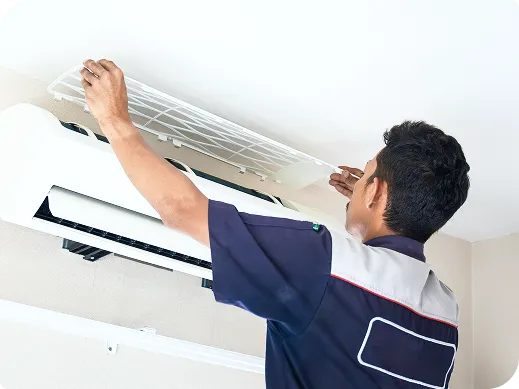
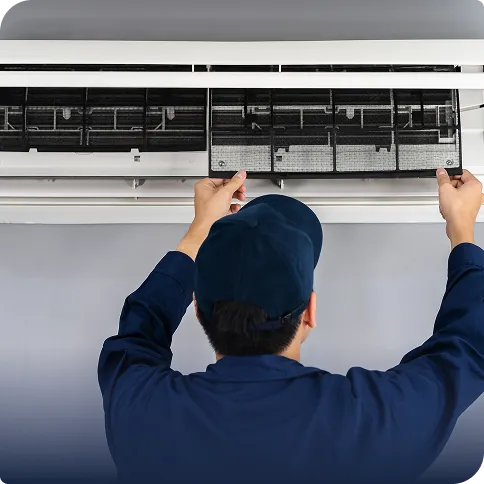
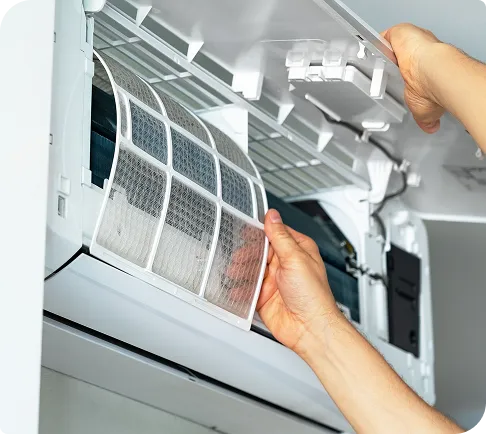
W.F. Smith HVAC technician inspecting the air filters inside a wall-mounted air conditioning unit during routine maintenance.

How an After-Hours Call Actually Works

Knowing the sequence saves a second call. This is what happens when you ring after four. It runs the same on a Saturday.
Five steps, every time:
  • You call the office number. Outside business hours the line goes to an answering service, not to voicemail.
  • The service takes your details. Address, the equipment, what it’s doing, and a number for you.
  • The on-call technician calls you back. He asks enough to judge whether the fault can wait until morning.
  • The overtime rate gets quoted on that call. You hear the number before anyone gets in a truck.
  • You decide. If it goes ahead the technician sets out, and if not the office books a weekday slot.
Maintenance customers get priority when several calls land in one night. That’s what a plan buys.

Before the Technician Gets There

A few minutes at your end changes what the technician walks into. Switch the system off at the thermostat and the service switch, since equipment left running through a fault gets worse. Clear a path and put a light on.

Write down what you saw, in order. Whether the burners lit, whether the outdoor fan turned, and what the thermostat read all help. Note whether a breaker tripped. Have the model and serial number ready if you can.

Then deal with the house. In a heat emergency, close the blinds on the sun side, move anyone vulnerable downstairs, and keep fluids up. In a cold one, the plumbing on outside walls matters most.

What We'll Tell You Can Wait

What Emergency HVAC Costs in Philadelphia

The diagnostic is the same visit it would be on a Tuesday — our office confirms the fee before a visit, lower through most of Philadelphia and higher in the Center City ZIP codes. After hours the labor rate goes on top.

Three things set what an after-hours call costs.

  • When you call. Evenings and Saturdays bill at overtime, Sundays and holidays higher again.
  • What failed. A capacitor and a compressor are not the same repair at any hour.
  • Whether the part is on the truck. An ordered part means a temporary fix and a return.

The rate is quoted before the technician leaves. Nobody learns what an overtime hour costs from the invoice. If that changes your mind, a weekday slot is a normal choice.

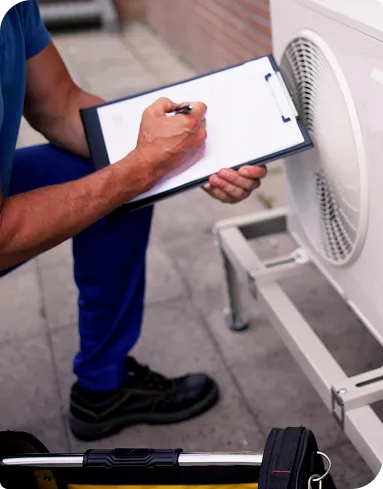
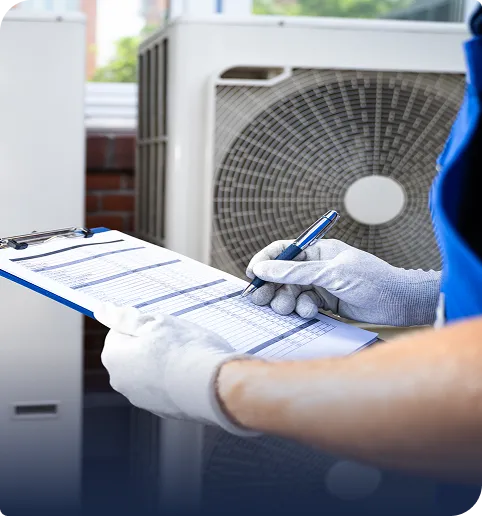
HVAC technician completing an air conditioning inspection checklist beside an outdoor AC unit to assess commercial cooling service needs.
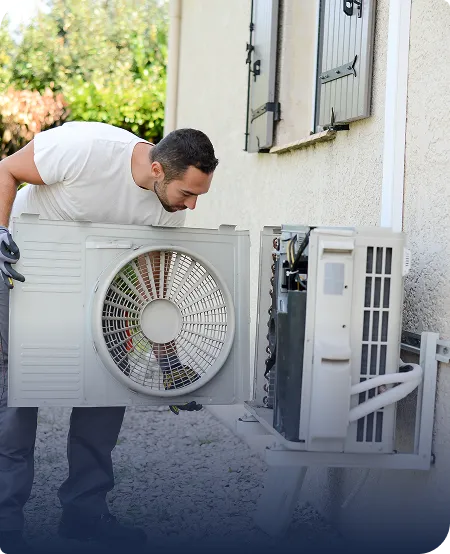
HVAC technician completing an air conditioning maintenance checklist beside an outdoor residential AC unit.

Why Philadelphia Homeowners Choose W.F. Smith After Hours

  • The rate is quoted before the truck moves. You approve the cost on the phone, not on the doorstep.
  • A technician calls you back, not a dispatcher reading from a script.
  • We tell you when a fault can wait. An honest answer at nine at night saves overtime.
  • Maintenance customers go first on a busy night, and we don’t pretend otherwise.

Emergency HVAC Questions We Get Asked

Are you available at any hour?

No, and we’d rather say so. Our office answers Monday through Friday, 8:00 a.m. to 4:00 p.m. Outside those hours an answering service reaches the technician on call, who returns the call himself. That covers nights, weekends, and holidays for genuine emergencies, which is most of what people mean. What it is not is a full service department running through the night.
We don’t put a number on that, since the honest answer depends on where the on-call technician already is and how many calls came in before yours. What we’ll tell you is whether the fault sounds like one that should wait. The callback comes from the technician, so you get that read from the person doing the work.
Our office confirms the diagnostic fee before dispatch, the same whether it’s a weekday or after hours — lower through most of Philadelphia and higher in the Center City ZIP codes. On top of that, evening and Saturday labor bills at an overtime rate, and Sunday and holiday labor higher again. The technician quotes the applicable rate on the callback, before he sets out.
Anything with a safety, water, or freezing risk behind it. A gas smell, a carbon monoxide alarm, water running into a ceiling, and a burning smell from the equipment all qualify. So does no heat in a hard freeze. So does no cooling in a heat advisory with someone vulnerable at home. A system that works badly but works usually does not.
Leave the house first, and take everyone with you. Don’t touch a light switch, a thermostat, or a phone on the way out. From outside, call the gas utility, since a suspected leak is theirs before it’s ours. They’ll make the line safe. Don’t go back in until they say so. Then call us about the appliance side of it.
Close off rooms nobody needs and gather everyone into one. Open the cabinet doors under sinks on outside walls, and let a tap fed by an exposed line run at a trickle, since moving water is slower to freeze. Use space heaters only where you can watch them, and never a stove or a grill. Then tell the technician what the house is reading.

Yes, and priority is the clearest thing a maintenance plan buys here. When several emergency calls land in the same evening, plan customers are worked in first. The technician also has a service history on that equipment, which shortens the diagnosis in a cold Philadelphia basement. The plan doesn’t waive the overtime rate, and we’re not going to suggest that it does.

Often, yes, and the technician will say so on the callback if that’s the right answer. Cooling that’s weak rather than absent, a noisy blower, a drip into a pan, and a thermostat that lost its schedule all hold. What doesn’t hold is anything with gas, carbon monoxide, water in a ceiling, or a freeze risk attached.

Call Now or Book the Next Available Visit?

Reach the On-Call Technician