- 24/7 Emergency HVAC Repair
- Financing Available
- We Accept All Major Credit Cards

Why Is Your Home Humid With the AC Running?
If your air conditioner is running and your home still feels sticky, you have good reason to wonder what is going on. Cooling and humidity control work closely together, so an AC system should remove some moisture while lowering the indoor temperature. When the house stays damp, something may be interfering with that process. To understand why your home is humid with the AC running, start by looking at how the system operates during each cooling cycle.
Your AC Needs Time to Remove Moisture
Your air conditioner does more than lower the temperature. As warm indoor air passes over the cold evaporator coil, moisture condenses on the coil and drains away from the system. This process reduces indoor humidity while the AC runs. Longer, steady cooling cycles usually give the system more time to remove moisture.
Problems begin when those cycles end too quickly. The temperature might drop before the AC removes enough moisture from the air. As a result, you end up with a home that feels cool on the thermostat but uncomfortable in person.
Short Cycling
Your AC might stop and restart because of a thermostat problem or another equipment issue. Either way, repeated short cycles reduce the time available for moisture removal. As a result, you may hear the system start several times within a short period while the indoor air still feels damp.
Pay attention to how your AC runs during humid weather. A healthy system should not repeatedly start and stop every few minutes under normal conditions. If yours does, schedule an inspection rather than lowering the thermostat.
Poor Airflow
Your AC depends on steady airflow across the evaporator coil. When airflow drops, cooling performance changes, and moisture removal often suffers as well. A dirty filter is one common place to start looking. A filter packed with dust makes the blower work harder to move air through the system.
Blocked return grilles and closed supply vents create similar trouble. Restricting airflow does not redirect comfort as many homeowners expect. Instead, it may disturb pressure and airflow throughout the system.
Check the Filter Before Assuming the Worst
If the house suddenly feels more humid, look at the filter before making thermostat changes. Replace a dirty filter with the type recommended for your system. Then give the AC time to operate normally. If humidity remains high, you know the problem needs a closer inspection.
A Dirty Evaporator Coil
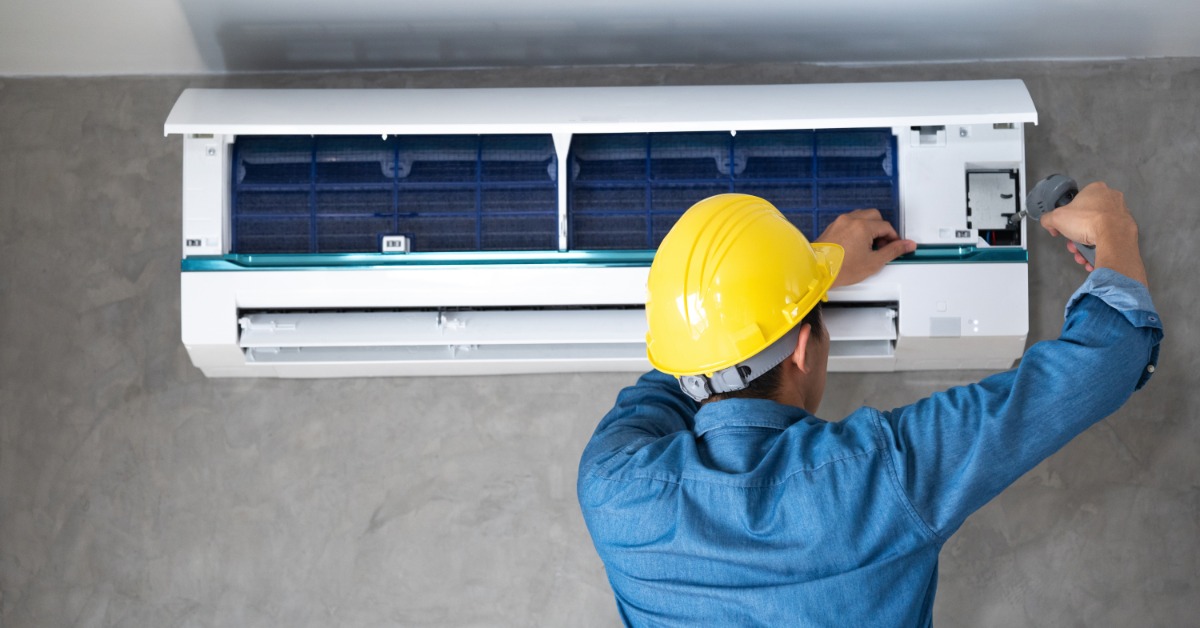
Even with a clean filter, dirt can still reach the evaporator coil. That layer of buildup makes heat transfer even more difficult. As a result, the AC struggles to cool and remove moisture the way the equipment was designed to operate. You might notice longer run times without much improvement in comfort.
The evaporator coil is located inside the indoor portion of the system, so most homeowners do not inspect its surface themselves. A professional technician should check the coil when poor performance continues despite a clean filter and open vents.
Refrigerant Problems
Your AC needs the correct refrigerant charge to move heat through the system properly. When refrigerant levels fall because of a leak, the cooling process changes. In some situations, the evaporator coil may become too cold, raising the risk of ice formation. In other cases, cooling performance simply drops.
A refrigerant problem often comes with other clues. You might notice poor cooling or longer system operation times. Ice forming around the indoor coil or the refrigerant lines also warrants attention. If you notice these symptoms, schedule a professional consultation immediately.
Outside Humidity May Be Getting Into Your Home
Sometimes your AC works properly while the house keeps gaining moisture from outside. Older homes often have air leaks around windows or doors. As a result, humid outdoor air enters the living space throughout the day, and your AC has to remove that added moisture while also handling the normal cooling load.
Duct leaks create another path for humid air. When ducts run through an attic, crawl space, or another unconditioned area, leaks may pull warm, damp air into the system. That air then reaches the rooms you are trying to keep comfortable. If humidity problems affect certain parts of the house more than others, ductwork deserves a closer look.
Your Thermostat Settings
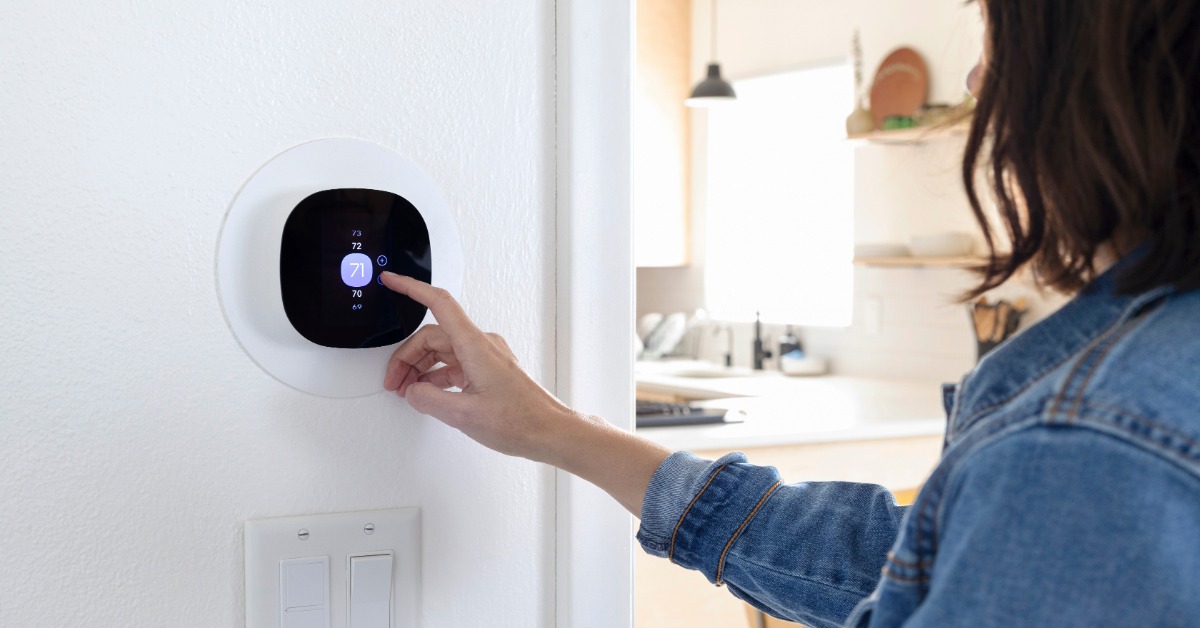
Your thermostat affects how the blower operates after each cooling cycle. Many thermostats give you a choice between “auto” and “on” for the fan setting. When you choose “on,” the blower continues moving air even after the outdoor unit stops cooling. That airflow may move moisture left on the evaporator coil back into the home instead of letting the water drain away.
For most cooling situations, the “auto” setting gives the system a better chance to manage moisture. The blower stops when the cooling cycle ends, allowing the water on the coil to drain. If you recently changed the fan setting and started noticing increased humidity, switch back to “auto” and see how the home feels.
Know When Humidity Points to a Service Call
A humid day outside does not always mean something is wrong with your AC. The concern grows when your home repeatedly feels damp while the system runs for normal cooling periods. In that case, a professional inspection helps narrow down the source.
Before scheduling service, pay attention to a few warning signs:
- The AC starts and stops more often than usual.
- Indoor air stays sticky at a comfortable temperature.
- Certain rooms feel more humid than others.
- Airflow from the vents feels weak.
- Ice appears near the indoor unit or refrigerant lines.
- Humidity increased after a recent AC replacement.
- The fan runs constantly even when cooling stops.
Share those details with your HVAC technician. Small observations help explain how the system behaves between service visits, and they give the technician a better starting point for diagnosis.
Get to the Source of Indoor Humidity
If you have been asking why your home is humid with the AC running, resist the urge to solve the problem by lowering the thermostat again. Persistent humidity often points to how the system operates rather than the temperature setting itself. The right repair depends on what is interfering with moisture removal. Once you address the cause, your home should feel more comfortable without forcing the AC to work harder than necessary.
Need air conditioner installation in Philadelphia? W.F. Smith can help with professional guidance and a system tailored to how your home cools. If your current AC leaves rooms feeling humid or struggles to maintain steady comfort, our team will evaluate the setup and recommend an installation or repair approach that fits your home. Schedule a consultation today and take the next step toward more consistent cooling and better indoor comfort.

W.F. Smith was great. They worked very professionally and neatly. They were extremely knowledgeable about the equipment and all specific HVAC practices. Would recommend them to the world!