Why Your Furnace Keeps Turning On and Off
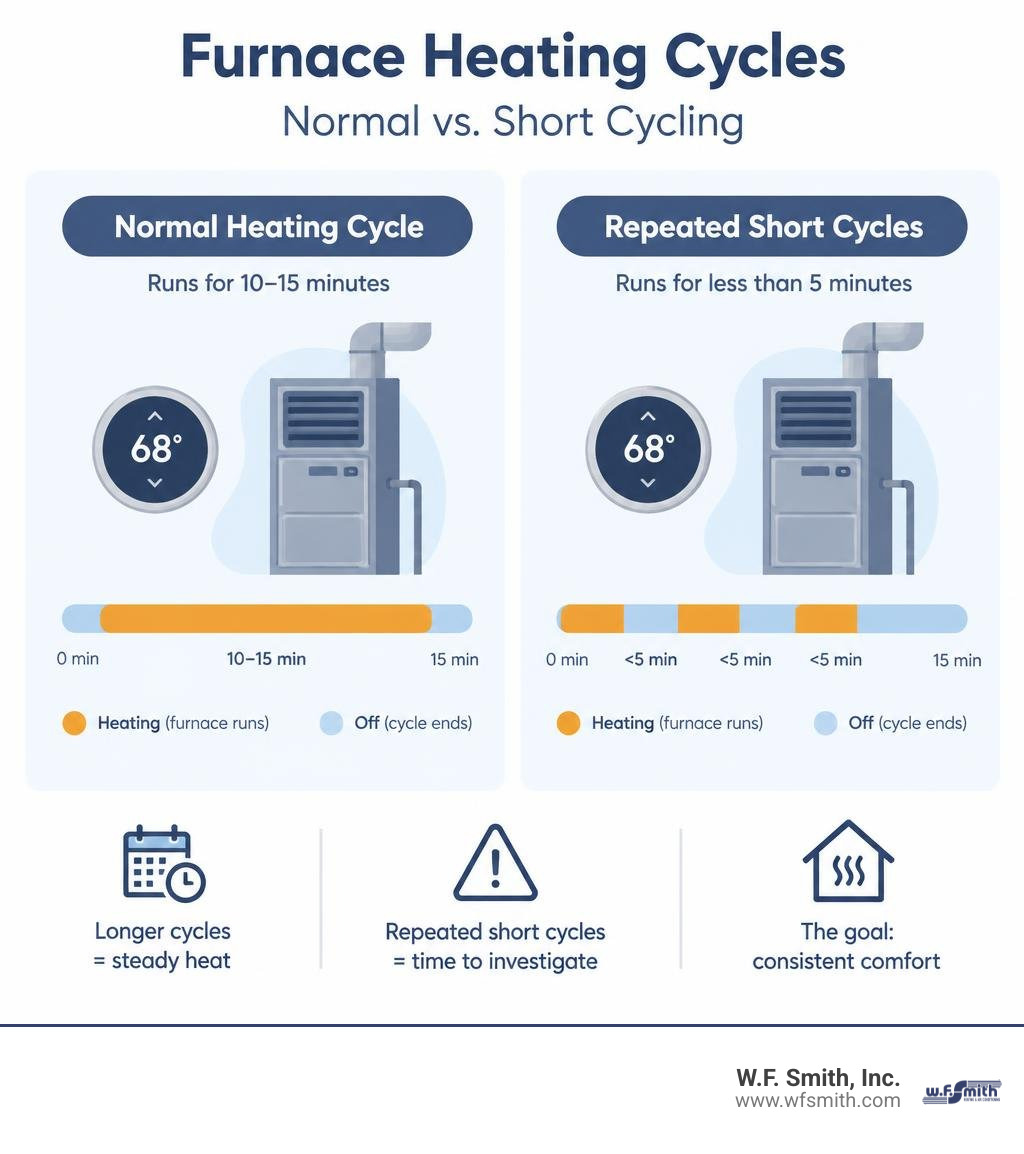
Furnace short cycling means your furnace turns on, runs briefly, and shuts off before your home is warm. A normal heating cycle often lasts about 10 to 15 minutes; repeated runs of less than 5 minutes are a sign to investigate.
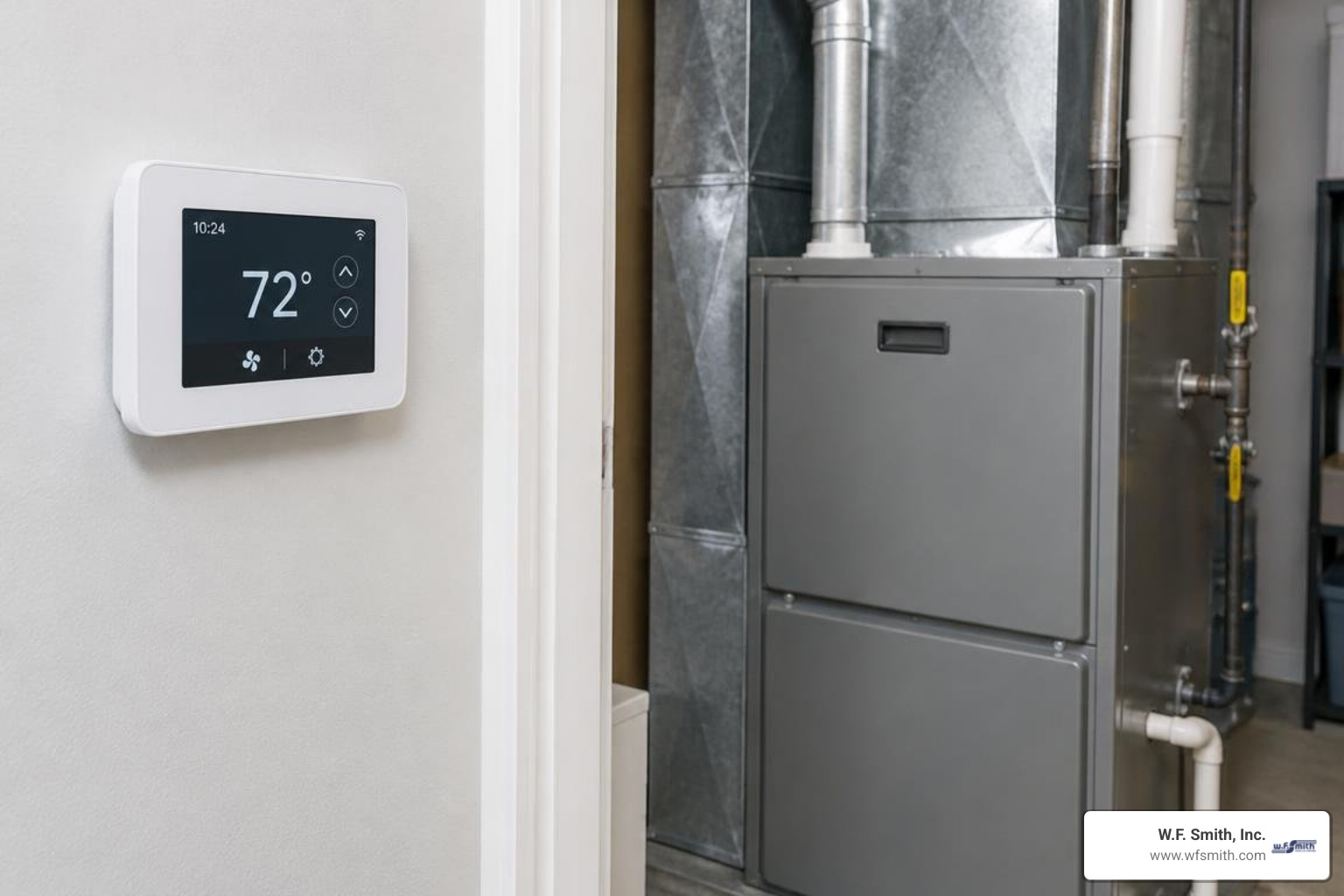
Start with the simple checks: replace a dirty air filter, make sure vents are open, and check your thermostat settings and batteries. If the furnace still shuts off too soon, call a heating professional. The cause may be a safety switch, flame sensor, or venting problem that needs proper diagnosis. Leaving it unresolved can mean uneven heat, higher bills, and extra wear on the system.
Understanding furnace short cycling terms can help homeowners recognize when a simple maintenance task may help and when a professional diagnosis is warranted. Regular annual furnace maintenance can help identify airflow, ignition, and safety-control concerns before they trigger repeated shutdowns. If the problem persists, knowing the signs that your furnace needs repair before cold weather arrives can help you decide when to schedule service. For situations where an aging system may need more than a repair, review the furnace and air conditioner replacement cost breakdown for homeowners to better understand the factors that affect replacement planning.
Understanding Heating System Operation and Furnace Short Cycling
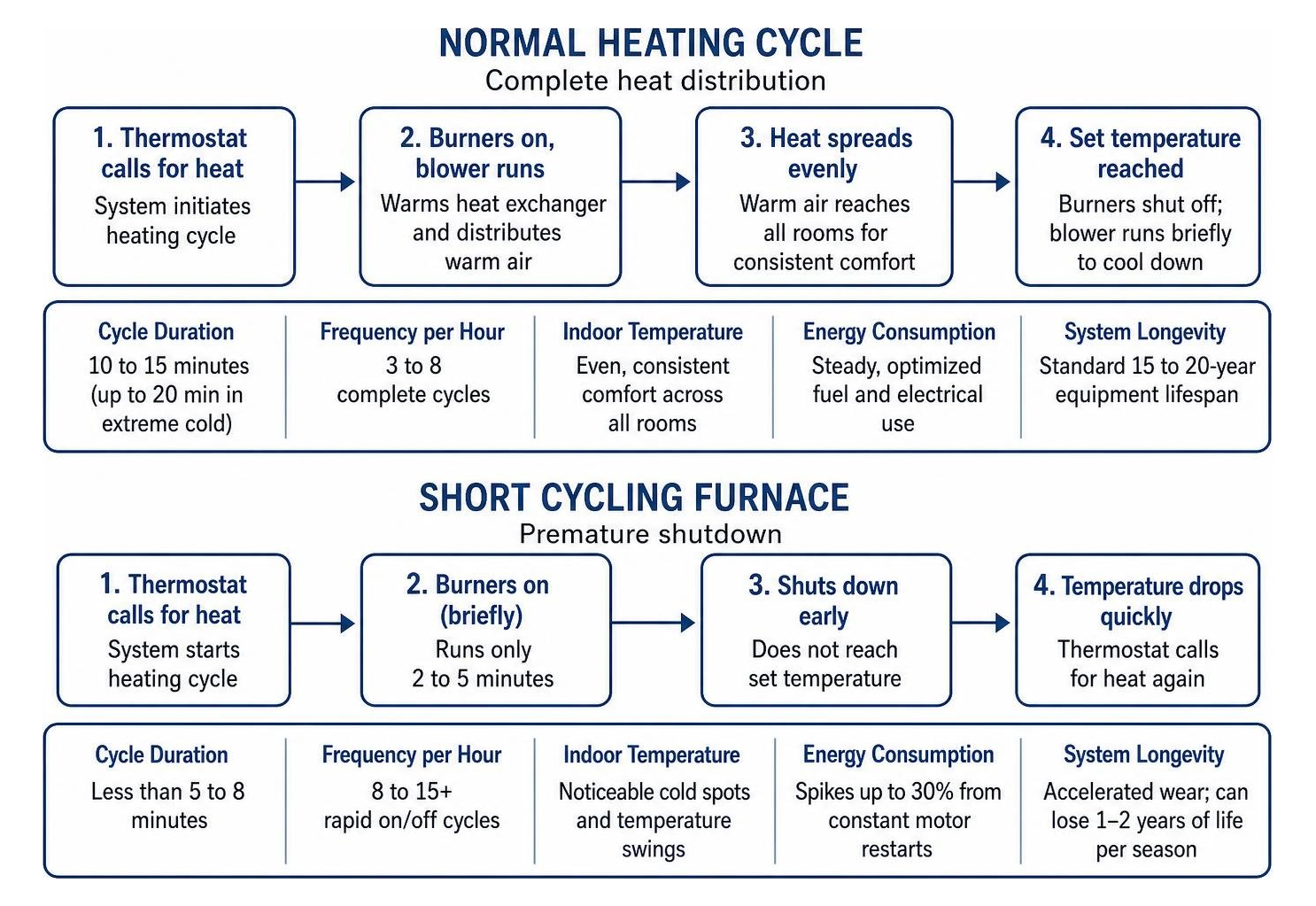
To stop a furnace that cuts out early, it helps to understand what standard heating looks like. When a thermostat calls for heat, the system initiates a controlled ignition sequence, lights the burners, warms the heat exchanger, and activates the blower fan to distribute warm air throughout your living spaces. Once the thermostat confirms your set temperature is reached, the burners shut down while the blower continues running briefly to harvest leftover heat and safely cool down internal components.
When everything operates normally, these heating cycles last between 10 and 15 minutes, repeating three to eight times per hour depending on outside weather and your home’s insulation levels. By contrast, a short-cycling furnace aborts this cycle prematurely, often shutting down after just two to five minutes of burner activity.
This frequent restarting places significant electrical and mechanical strain on internal parts. Because the unit never runs long enough to circulate air evenly, it can leave chilly drafts, cold rooms, and higher utility bills. Understanding what furnace short cycling is and how to fix it can help homeowners address problems before they lead to a winter breakdown.
| Operational Factor | Normal Heating Cycle | Short Cycling Furnace |
|---|---|---|
| Cycle Duration | 10 to 15 minutes (up to 20 min in extreme cold) | Less than 5 to 8 minutes |
| Frequency per Hour | 3 to 8 complete cycles | 8 to 15+ rapid on/off cycles |
| Indoor Temperature | Even, consistent comfort across all rooms | Noticeable cold spots and temperature swings |
| Energy Consumption | Steady, optimized fuel and electrical use | Spikes up to 30% from constant motor restarts |
| System Longevity | Standard 15 to 20-year equipment lifespan | Accelerated wear; can lose 1–2 years of life per season |
Normal Heating Cycles vs. Rapid On-Off Cycling
A normal heating cycle gives the warm air enough time to circulate to the furthest corners of your home. As heat spreads evenly, the entire living space warms up at a steady pace. Once the thermostat is satisfied, the system rests for a reasonable period, allowing the heat exchanger to cool gradually.
Rapid on-off cycling disrupts this balance. When a furnace shuts off after only two to three minutes, the air nearest the supply vents warms slightly, but surrounding rooms and exterior walls stay freezing cold. The thermostat quickly registers a drop in temperature and calls for heat again, forcing the system through another demanding startup sequence.
Primary Symptoms of a Short Cycling Furnace
How can you be sure your heating system is short cycling rather than just managing a mild day? Look out for these common warning signs:
- Abbreviated Burner Runtimes: The furnace flames ignite, but extinguish after two to five minutes before reaching your set temperature.
- Persistent Clicking and Relaying: You hear repetitive clicking noises as the ignition controls constantly attempt to restart the heating cycle.
- Blower Running Without Heat: The blower fan runs continuously or blows cool air because the safety controls have disabled the gas burners.
- Noticeable Temperature Swings: The room with the thermostat feels briefly warm, while bedrooms and basements remain uncomfortable.
- Spiking Heating Bills: Gas and electric bills climb because the draft inducer and blower motors consume significant power every time they restart from a dead stop.
- Unusual System Sounds: Rattling, banging, or humming during rapid restarts can point to deeper issues. Reviewing 5 furnace noises you shouldn’t ignore can help pinpoint mechanical trouble early.
Common Causes Why Your Furnace Shuts Off Prematurely
Furnaces are equipped with built-in safety controls. When a critical operating condition is disrupted, whether by poor airflow, blocked venting, or sensor failure, the control board interrupts the cycle to protect your home. Many of the issues described in this guide also appear in our overview of common furnace problems homeowners should know about.
Clogged Air Filters and Overheating High-Limit Switches
A clogged air filter is the single most common cause of furnace short cycling. When a filter becomes packed with dust, pet dander, and debris, it chokes return airflow into the furnace cabinet.
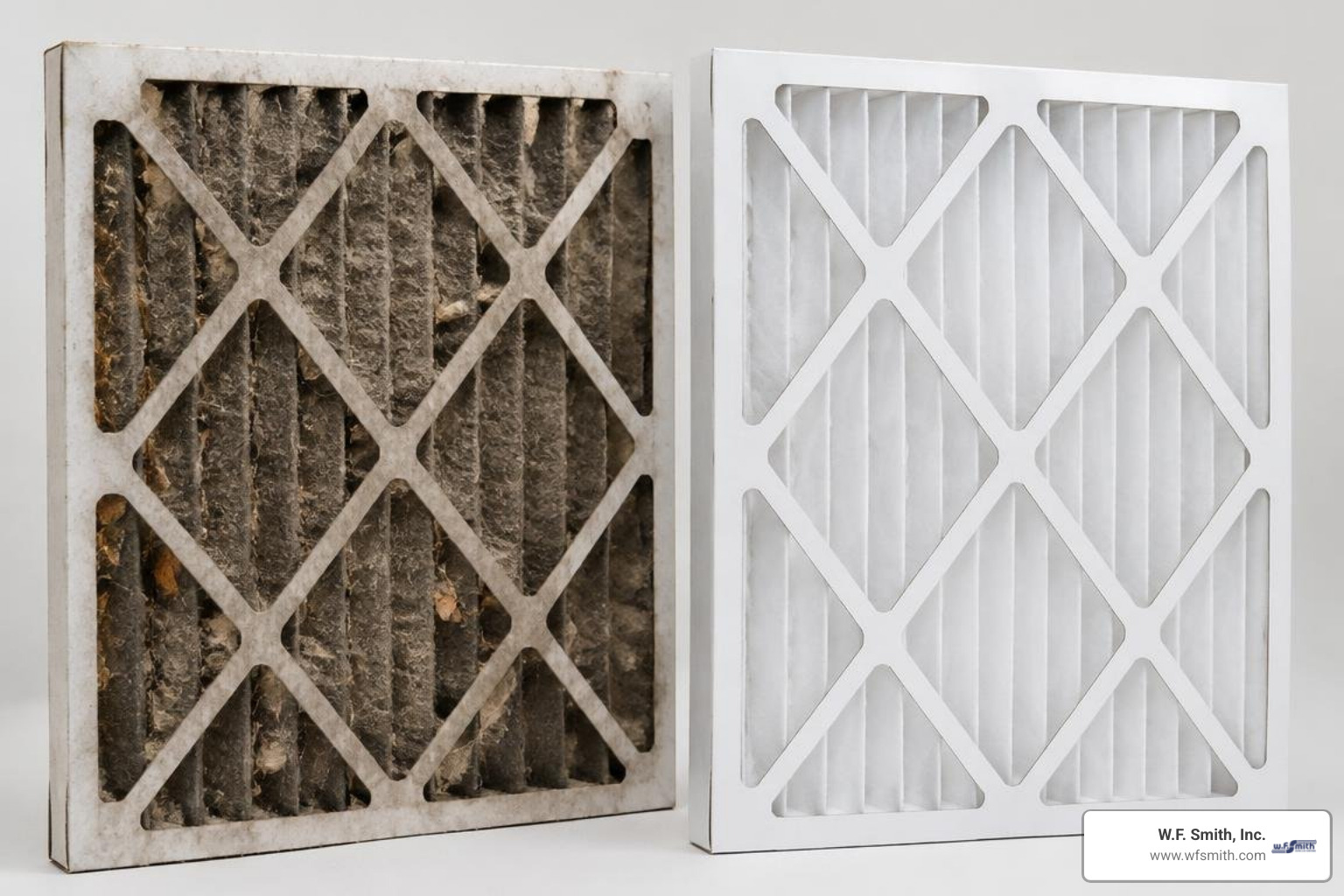
Without enough cool air passing over the heat exchanger, temperatures inside the cabinet skyrocket. To prevent the metal heat exchanger from warping or cracking, the safety limit switch trips and cuts off power to the gas valve. The blower fan often keeps running to cool down the scorching metal. Once temperatures drop, the switch resets, the burners relight, and the cycle repeats. Inspecting your filter monthly and replacing it every 30 to 90 days prevents this severe thermal stress.
Dirty Flame Sensors and Ignition Failures
The flame sensor is a thin metal rod positioned directly in the burner flame’s path. Its job is simple: confirm an active fire exists so raw gas does not pour into your home. It accomplishes this through flame rectification, converting alternating current into a tiny direct microamp signal sent back to the integrated furnace control board.
Over time, combustion byproducts create an insulating layer of carbon buildup and oxidation on the sensor rod. If the sensor cannot detect the flame within approximately four seconds of ignition, the control board automatically closes the gas valve. The furnace will attempt this sequence several times before locking out, causing the burners to sputter and shut down almost immediately after lighting.
Thermostat Malfunctions and Poor Placement
Your thermostat acts as the command center for your heating system. If it misreads room conditions, it sends erratic run signals to the furnace.
Common thermostat triggers for rapid cycling include:
- Depleted Batteries: Weak batteries cause erratic logic signals or intermittent dropouts across the low-voltage control circuit.
- Poor Thermostat Placement: If your thermostat sits in direct sunlight, directly above a heat register, or near heat-generating appliances, it will sense a false temperature spike and shut the system down prematurely.
- Anticipator or C-Wire Faults: Older mechanical thermostats with improperly calibrated heat anticipators, or modern smart thermostats with unstable voltage, can cause premature cycle cutoffs. Scheduling professional furnace thermostat repair ensures your controls communicate reliably with your equipment.
Flue Blockages and Pressure Switch Trips
High-efficiency and standard gas furnaces use a draft inducer fan to pull exhaust fumes safely through the heat exchanger and vent them outside. The system monitors this critical draft using a differential pressure switch connected by a small rubber hose.
If exterior PVC or metal exhaust flues become blocked by bird nests, snow, or leaves, the switch senses inadequate draft and cuts electrical power to the gas valve. Similarly, high-efficiency condensing furnaces generate acidic water during operation; a clogged condensate drain line or double-trapped drain hose can cause water to back up into the inducer housing and trip the pressure switch. Persistent shutdowns are one of the signs that your furnace needs repair before cold weather arrives.
Oversized Heating Equipment
Bigger is not always better when it comes to heating equipment. If a previous contractor installed a furnace with far too much heating capacity (BTU output) for your square footage, the unit will dump immense amounts of heat into the home too fast.
The air near the thermostat warms in just a few minutes, prompting the system to shut down before the heat can spread to outer rooms. This rapid cycling leaves stubborn cold spots, damages internal parts from continuous thermal shock, and shortens overall equipment life. Proper sizing requires an ACCA Manual J load calculation that accounts for insulation, window quality, and your home’s layout.
How to Troubleshoot and Fix Short Cycling Issues
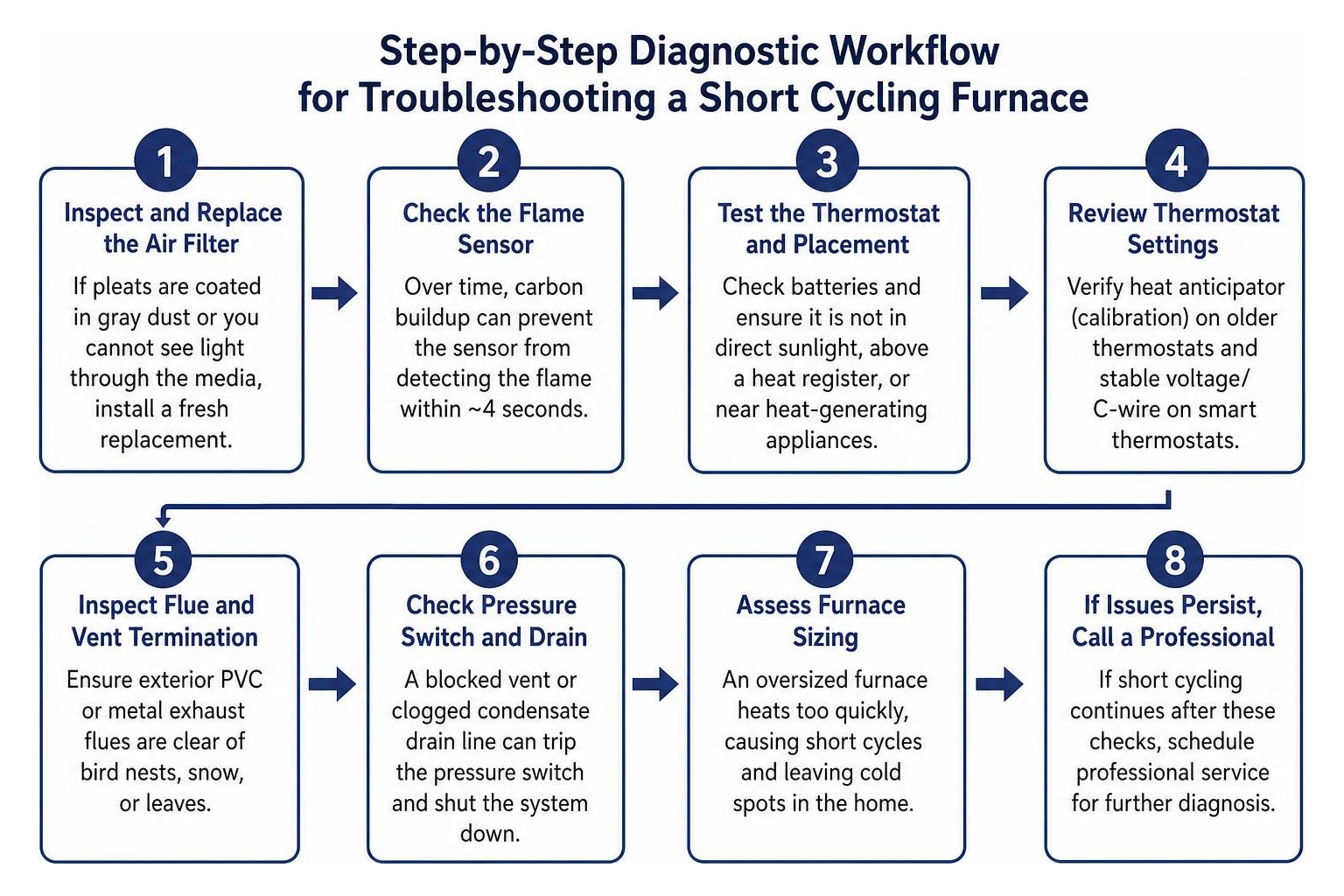
When your furnace keeps shutting down, following a structured diagnostic sequence can help resolve simple issues safely. These furnace troubleshooting tips for winter explain the basic checks to complete before scheduling a professional service call.
Step-by-Step DIY Checks for Furnace Short Cycling
Before calling a certified technician, work through these safe, homeowner-friendly checks:
- Inspect and Replace the Air Filter: Shut down system power at the furnace switch. Slide out the air filter. If the pleats are coated in gray dust or you cannot see light through the media, install a fresh replacement matching your unit’s exact dimensions ($10 to $30).
- Open and Clear Supply and Return Registers: Walk through your home and ensure all supply grilles and return air intakes are fully open and unblocked by rugs, furniture, or heavy drapes.
- Verify Thermostat Settings and Fresh Batteries: Set the thermostat mode switch firmly to “Heat” and the fan to “Auto.” Replace older alkaline batteries with fresh name-brand cells, and ensure the temperature setpoint is at least 3 degrees above current room temperature.
- Inspect Exterior Flue Terminations: Walk outside and inspect your exhaust and intake pipes. Remove any leaves, twigs, ice, or animal nesting material blocking the openings.
- Check Condensate Lines (Condensing Furnaces): Ensure the plastic drain tube running from your high-efficiency furnace is free of kinks, slime clogs, or standing water traps.
- Perform a System Power Reset: Flip the furnace electrical power switch (or breaker) off for 60 seconds, then turn it back on to clear soft diagnostic lockouts on the control board.
The Hidden Costs and Dangers of Furnace Short Cycling
Ignoring a furnace that rapidly cycles on and off is never a good idea. Short cycling causes serious issues over time:
- Premature Component Burnout: Ignition elements, draft inducer motors, and control board relays endure several seasons’ worth of mechanical wear in just a few weeks of rapid cycling. A system that short-cycles all winter can lose one to two years of operational life by spring.
- Risk of Heat Exchanger Failure: Constant rapid heating and cooling causes metal expansion and contraction cycles that weaken the heat exchanger. This can lead to stress fractures and cracks that risk leaking dangerous carbon monoxide into your living areas.
- Skyrocketing Energy Bills: Furnaces consume their highest electrical and fuel surge during the ignition and initial blower startup phases. Rapid on-off cycling can drive heating bills up by as much as 30%.
- Cold Spots and Poor Humidity Control: Short bursts of heat fail to circulate air through your filtration and humidification equipment, leaving stale, dry air and uneven temperatures.
Professional Diagnostics, Component Replacement, and Prevention
If basic filter and thermostat checks do not resolve the issue, internal components require professional attention. Handling line-voltage electrical circuits, testing microamp signals, and adjusting gas pressures are tasks strictly for licensed HVAC professionals.
During a service call, our certified technicians execute precise diagnostics:
- Flame Sensor Service: Technicians clean oxidation from the sensor rod using fine abrasive pads or replace failed sensors.
- Electrical Limit Switch Testing: Using a digital multimeter, technicians verify whether high-limit switches or roll-out switches are tripping within safe temperature boundaries.
- Pressure Switch and Inducer Verification: Technicians measure draft pressure with a digital manometer and replace failed switches or failing inducer motors.
- Gas Valve and Manifold Pressure Adjustments: Technicians confirm the gas supply matches exact manufacturer specifications, preventing overfiring and thermal stress.
The best defense against mid-winter breakdowns is scheduling comprehensive furnace maintenance every fall. The W.F. Smith HVAC team cleans internal assemblies, verifies electrical safety circuits, checks heat exchanger integrity, and helps keep systems running smoothly.
If a furnace is already struggling, prompt furnace repair can prevent a small component failure from becoming a complete system shutdown.
Frequently Asked Questions About Furnace Short Cycling
Can a dirty air filter really cause my furnace to short cycle?
Yes, absolutely. A dirty air filter is the most common cause of short cycling in residential heating systems. When dust and debris clog the filter media, return air volume drops significantly. Without enough air flowing across the heat exchanger, internal temperatures quickly exceed safety thresholds, tripping the high-limit switch and shutting off the burners after only a few minutes. Swapping out a clogged filter takes five minutes, costs between $10 and $30, and frequently resolves the issue immediately.
How long should a normal furnace heating cycle last?
A healthy, properly sized furnace runs for roughly 10 to 15 minutes per cycle under moderate winter conditions. During this window, the unit safely reaches operating temperature, mixes indoor air thoroughly, and distributes warmth to every room. In milder weather, cycles may naturally be slightly shorter (around 8 to 10 minutes), while freezing temperatures can extend runtimes to 20 minutes. Cycles that consistently end in under 5 to 7 minutes are short cycling and require troubleshooting.
Is it safe to run a furnace that keeps turning on and off?
No, you should not continue running a furnace that is actively short cycling. While the safety switches are doing their job by cutting fuel to prevent fires, underlying conditions such as severe overheating, pressure imbalances, or exhaust blockages can cause rapid wear on critical parts. Continued operation can crack the heat exchanger, creating a severe carbon monoxide hazard. If simple DIY checks do not fix the rapid cycling, switch the system off at the thermostat and call a professional technician.
Conclusion
A short-cycling furnace is an urgent warning sign that your heating system is struggling with restricted airflow, electrical faults, or mechanical safety shutdowns. Leaving rapid cycling unaddressed invites higher monthly bills, frequent cold spots, accelerated equipment wear, and potential carbon monoxide safety risks. By checking your air filter, keeping vents unobstructed, and making sure your thermostat is working properly, you can solve simple issues right away.
For complex diagnostic issues, including flame sensor failures, safety limit switch trips, pressure switch faults, or equipment resizing, turn to the experienced HVAC team at W.F. Smith, Inc. The team has served Philadelphia homeowners for more than 80 years and backs its split-system and rooftop unit services with a 100% satisfaction guarantee. When cold weather hits and a furnace refuses to stay running, contact our professional furnace repair technicians to restore reliable comfort at home.