Find Rebates for High-Efficiency Gas Furnaces Before You Buy
Philadelphia-area homeowners may be able to lower the cost of a new high-efficiency furnace through utility rebates, manufacturer offers, and installer financing. Before choosing equipment, check the furnace’s AFUE rating, confirm that its exact model qualifies, and review your gas utility’s current program rules.
For current and upcoming installations, local utility rebates may be available for qualifying high-efficiency equipment. Incentive amounts, model lists, contractor rules, and deadlines vary by program.
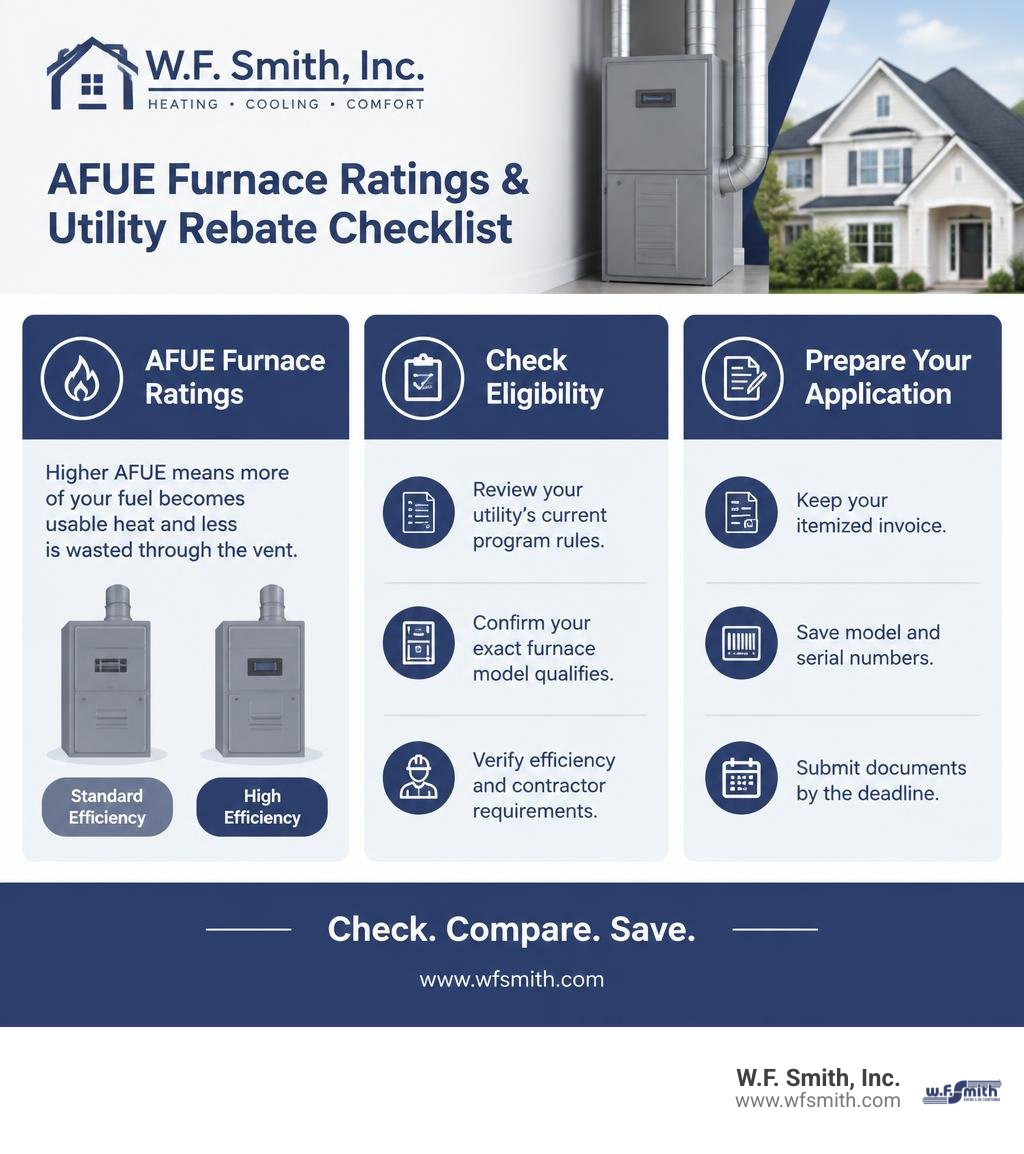
A furnace with a higher AFUE uses more of its fuel for heat and wastes less through the vent. That can mean lower winter gas bills, especially when replacing an older system.
This guide explains how to find available incentives, document your installation, and avoid missing a rebate because of a model or filing requirement.
Understanding High-Efficiency Systems and Efficiency Ratings
When evaluating modern gas furnaces, the primary metric used to define performance is AFUE, or Annual Fuel Utilization Efficiency. In simple terms, AFUE represents the percentage of natural gas consumed by the system that is converted directly into usable heat for your living space over a typical heating season.
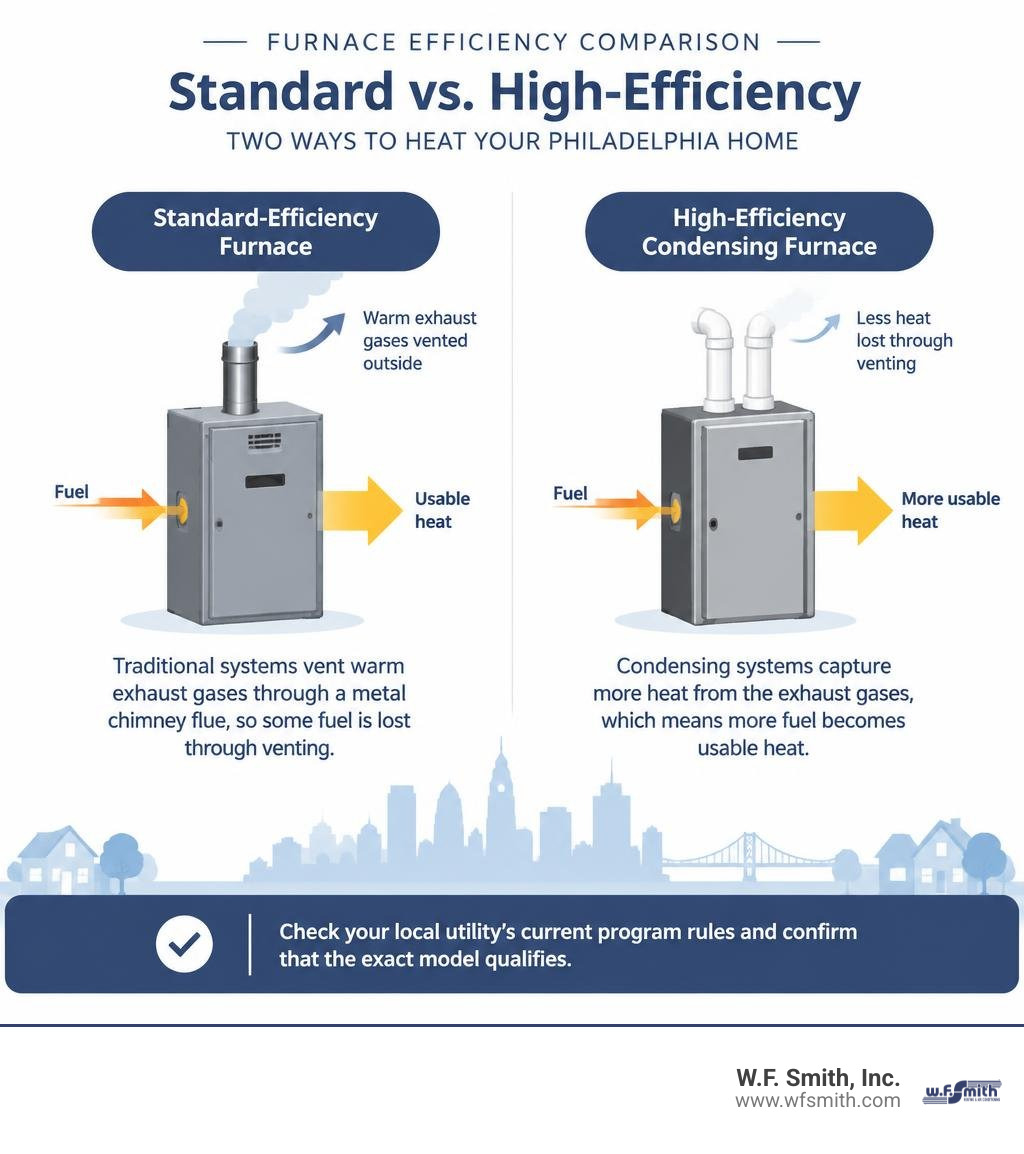
Older, standard-efficiency systems often vent a significant portion of their combustion gases directly outdoors. By contrast, modern high-efficiency units extract thermal energy that conventional designs allow to escape.
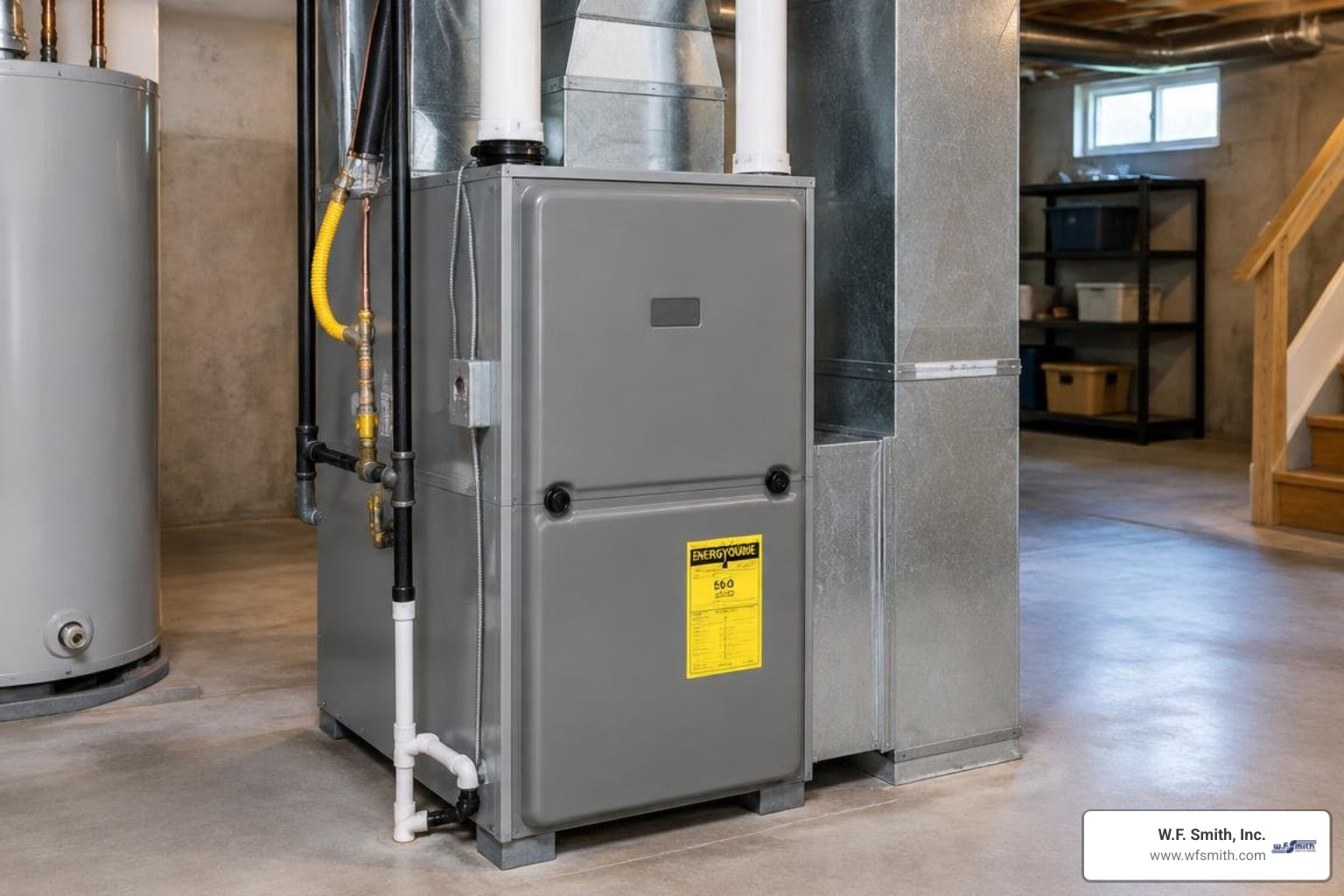
High-efficiency units, frequently called condensing furnaces, use a specialized secondary heat exchanger. As the primary heat exchanger absorbs the bulk of the burner heat, the exhaust gases pass into the secondary coil. There, latent heat is extracted from the water vapor produced during combustion, causing the vapor to condense into liquid water and releasing extra warmth into your ductwork. Because newer furnaces can operate far more efficiently than older units built decades ago, upgrading may reduce fuel use and monthly utility costs.
For a closer look at the relationship between equipment efficiency and operating costs, understanding how AFUE affects heating costs can help homeowners compare options before selecting a system.
AFUE Ratings and Heating Efficiency
Heating equipment is categorized across distinct efficiency tiers:
- Standard Efficiency (80% AFUE): Traditional systems that vent warm exhaust gases out through a metal chimney flue. A portion of the fuel used is lost through venting.
- Mid-Efficiency (90% to 92% AFUE): Early condensing units featuring basic draft induction and sealed combustion chambers.
- High-Efficiency (95% to 96% AFUE): Modern condensing systems incorporating multi-stage gas valves and advanced electronic ignitions.
- Ultra High-Efficiency (97% to 98%+ AFUE): Top-tier condensing furnaces featuring fully modulating gas valves and variable-speed blower motors that adjust heat output with precision.
Choosing the proper rating requires balancing upfront equipment costs with your home’s square footage, insulation levels, and heating demands.
Before installation, what BTU and AFUE rating your new furnace should have can help you avoid an oversized or undersized system and support more consistent indoor comfort.
How AFUE Tiers Affect Rebates for High Efficiency Gas Furnaces
Incentive programs set strict operational thresholds before issuing cash disbursements. Utility companies structure their rebate tiers based on AFUE thresholds to encourage property owners to install the most efficient systems available. A minimum of 95% AFUE is commonly required to unlock entry-level rebates, while the 97% or 98% AFUE tier may qualify for higher incentives.
| Efficiency Tier (AFUE) | What to Verify With Your Utility | Operating-Cost Benefit |
|---|---|---|
| 95% AFUE | Confirm the current eligible-equipment list, model number, contractor requirements, and deadlines. | Uses less fuel than a standard-efficiency furnace. |
| 96% AFUE | Confirm the current eligible-equipment list, model number, contractor requirements, and deadlines. | Can support lower fuel use when properly sized and installed. |
| 97% AFUE | Confirm the current eligible-equipment list, model number, contractor requirements, and deadlines. | Offers high seasonal heating efficiency. |
| 98%+ AFUE | Confirm the current eligible-equipment list, model number, contractor requirements, and deadlines. | Provides top-tier efficiency for eligible models. |
Actual incentive availability depends on the local utility, qualifying equipment list, contractor requirements, and application deadlines. Confirm eligibility before making a purchase or scheduling installation.
Utility Rebates, Manufacturer Offers, and Financing for High Efficiency Gas Furnaces
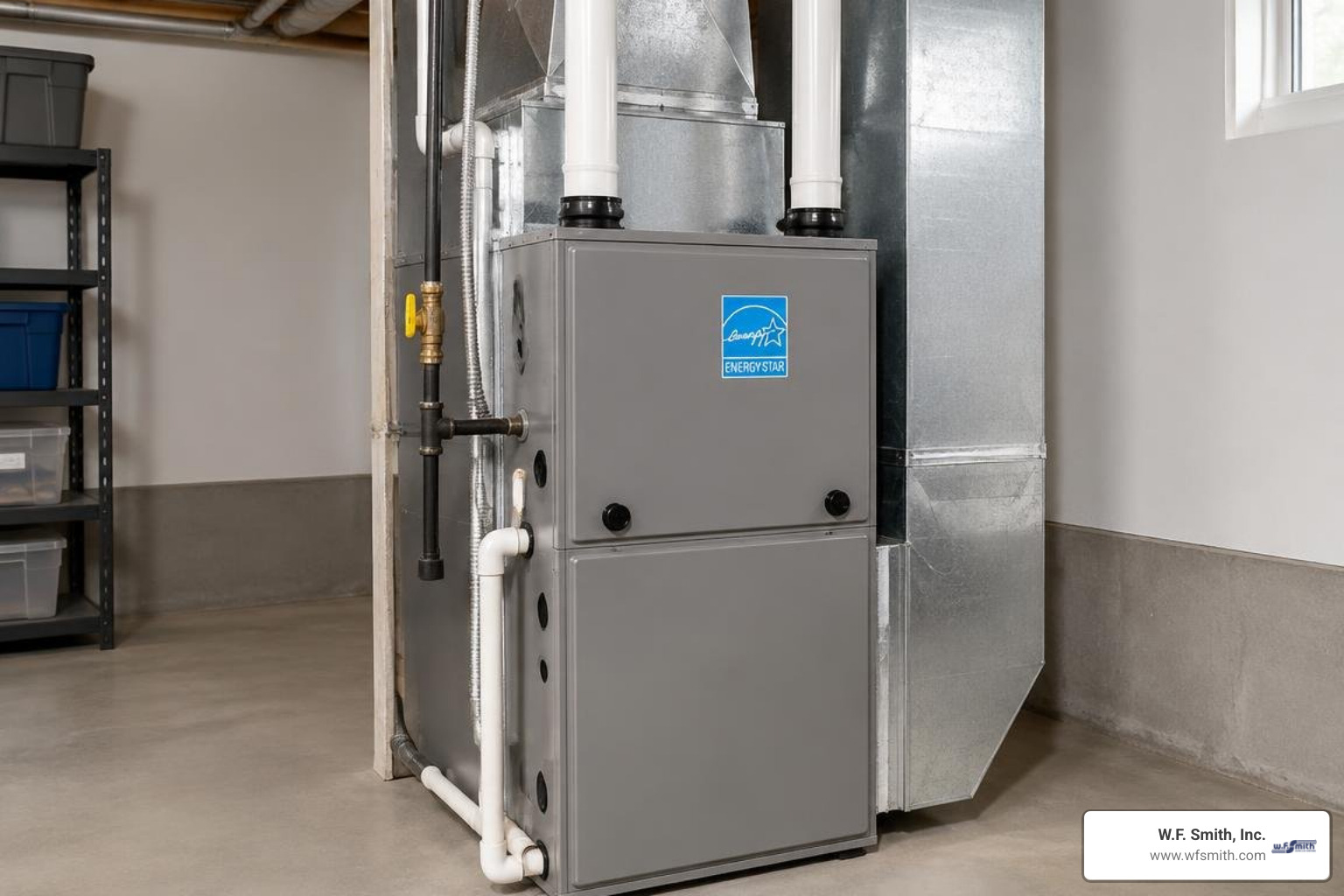
Navigating available financial incentives becomes much simpler when you recognize that savings may come from local utility rebates, manufacturer offers, and financing options available through qualified installers.
Qualified installers may also offer seasonal HVAC specials that lower the net cost of upgrading your heating system.
Check Current Utility Rebates Before You Choose Equipment
Local gas and electric utilities may offer rebates for qualifying high-efficiency furnaces, but program requirements can change by service area and season.
Before purchasing equipment:
- Confirm that the model number appears on your utility’s current qualifying-equipment list.
- Verify any efficiency threshold, contractor requirement, and application deadline.
- Keep the paid invoice, model and serial numbers, and any supporting documents required by the program.
Review your utility’s current program details before relying on an incentive or selecting equipment.
Manufacturer Offers and Installer Financing
Manufacturer promotions and installer financing can help make a furnace replacement more manageable. Availability, terms, and eligible equipment vary, so compare current offers alongside your utility’s rebate requirements.
Utility rebates may be paid as a mailed check, a direct account bill credit, or an instant point-of-sale deduction applied to a contractor’s invoice. Program requirements vary, so verify the current rebate tier and eligible model list with your gas utility before installation.
Bundling Smart Thermostats and Additional Incentives
Most gas and electric utilities encourage whole-home efficiency by offering supplementary incentives when you bundle controls with a new heating system. Installing an ENERGY STAR certified smart thermostat alongside your high-efficiency furnace may unlock additional rebates.
Smart thermostats optimize temperature setbacks automatically based on occupancy and daily schedules. According to the Department of Energy, lowering the thermostat for an extended period can reduce heating costs. Combining smart setback automation with variable-speed gas heating can support consistent comfort while maximizing available incentives.
Eligibility Criteria and Step-by-Step Rebate Application Process

Securing your rebate requires strict adherence to utility filing requirements. Even a high-performing furnace may be disqualified if the application lacks required documentation or misses submission deadlines.

How to Apply and Qualify for Rebates for High Efficiency Gas Furnaces
- Verify Utility Customer Status: Confirm that your property receives active natural gas service from the participating utility.
- Select Eligible Equipment: Confirm that the exact model appears on your utility’s current eligible-equipment list and meets its current program criteria.
- Schedule Professional Installation: Work with an experienced HVAC professional to ensure correct sizing and code-compliant installation.
- Submit Application: File the completed rebate application through your utility’s online portal within the required window following installation.
For a properly sized, code-compliant upgrade, W.F. Smith’s furnace installation services can help homeowners plan the project around eligible equipment and required documentation.
Required Documentation and Payout Timelines
To ensure your application is approved without delays, prepare the following documents:
- Itemized Contractor Invoice: Must show the installation date, total equipment and labor cost, physical address, and paid-in-full status.
- Equipment Identifiers: Full model and serial numbers for both the furnace and any bundled smart thermostats.
- AHRI Certified Reference Number: The Air-Conditioning, Heating, and Refrigeration Institute certificate confirming verified laboratory AFUE ratings.
- Utility Account Number: A recent copy of your natural gas utility bill.
Once your completed application and supporting files are submitted, utility processing teams generally review and issue rebate checks within 6 to 8 weeks.
DIY vs. Certified Contractor Installation Requirements
While a few utility programs permit homeowner self-installation on select standalone components, the vast majority of gas furnace rebate programs require professional installation by a licensed HVAC contractor. Gas furnaces require gas line sizing, combustion calibration, venting calculations, and electrical hookups.
Hiring a certified professional protects your manufacturer parts warranty, supports proper airflow balancing, and helps ensure compliance with municipal building codes.
Homeowners considering a replacement can learn what to expect during the furnace installation process before finalizing equipment and rebate paperwork.
Maximizing Savings When Upgrading an Aging Heating System
A high-efficiency furnace delivers its rated AFUE performance only when properly sized for your home. Installing a furnace based on simple rule-of-thumb estimates can lead to short-cycling, uneven room temperatures, and premature component wear.
A thorough upgrade begins with a room-by-room Manual J load calculation. Performing a proper HVAC load calculation accounts for insulation depth, window efficiency, ceiling heights, and orientation to match equipment capacity to your home’s heating loss.
Signs Your Furnace Requires Full Replacement
If your current heating system is struggling to keep your home warm, repairing an aging unit may cost more over time than replacing it with an incentive-backed system.
Watch for these indicators:
- System Age: The furnace is more than 15 years old and operates below 80% AFUE.
- Rising Heating Costs: Fuel consumption increases each winter despite normal weather patterns.
- Frequent Repairs: Component failures require costly service calls during peak winter periods.
- Cracked Heat Exchanger: Poses safety risks and requires immediate shutdown.
Recognizing the warning signs that a furnace needs replacement can help you plan an upgrade proactively, avoid an emergency replacement, and preserve time to apply for incentives.
When replacement is the right choice, W.F. Smith’s furnace replacement services provide a clear path from equipment selection through installation.
Alternative Upgrade Paths: Dual-Fuel and Heat Pump Hybrid Systems
Homeowners exploring system modernizations can also evaluate hybrid heating systems. A dual-fuel system pairs an electric heat pump with a high-efficiency gas furnace. The heat pump warms your home efficiently during mild autumn and winter days, while the gas furnace takes over automatically when outdoor temperatures fall.
For homeowners comparing options, how dual-fuel heating systems work explains when this approach may fit a Philadelphia-area home.
For homes currently using heating oil, oil-to-gas conversion services can be another route to a more efficient heating system.
Frequently Asked Questions About Furnace Rebates
Can I combine furnace rebates with manufacturer offers and other efficiency incentives?
Sometimes. Local utility rebates may be available alongside manufacturer promotions or installer financing, subject to each program’s terms. Confirm whether offers can be combined before purchasing equipment or scheduling installation.
Are there property type or income restrictions for furnace rebates?
Standard utility rebates are often available to homeowners without an income requirement. However, equipment must be installed in an existing residential property, such as a single-family home, townhouse, or individually metered multifamily unit. New-construction homes often fall under separate builder incentive programs. Landlords can claim rebates for rental properties if they purchase qualifying equipment and hold the active utility account.
How long does it take to receive a furnace rebate?
Processing times and payment methods vary by utility program. After a complete application is submitted and approved, the rebate may be issued as a bill credit, mailed check, or other program-specific incentive. Check your utility’s current program details for its expected timeline and payment method.
Conclusion
Upgrading to a high-efficiency condensing gas furnace can lower winter utility bills, improve home comfort, and reduce fuel use. By combining efficient equipment with available local utility incentives, manufacturer offers, or financing, homeowners may help manage their initial installation investment.
At W.F. Smith, Inc., our team brings more than 80 years of heating experience to homeowners across the greater Philadelphia region. As a family-owned HVAC contractor, we provide 24/7 emergency service, industry-leading installations of brands such as Lennox and Mitsubishi, and a 100% satisfaction guarantee. Our certified technicians help homeowners identify qualifying equipment, complete load calculations, and prepare for utility rebate paperwork.
To discuss the best heating system for your home and available upgrade options, contact our furnace specialists today.