- 24/7 Emergency HVAC Repair
- Financing Available
- We Accept All Major Credit Cards

9 Questions To Ask an HVAC Installer When Replacing an AC
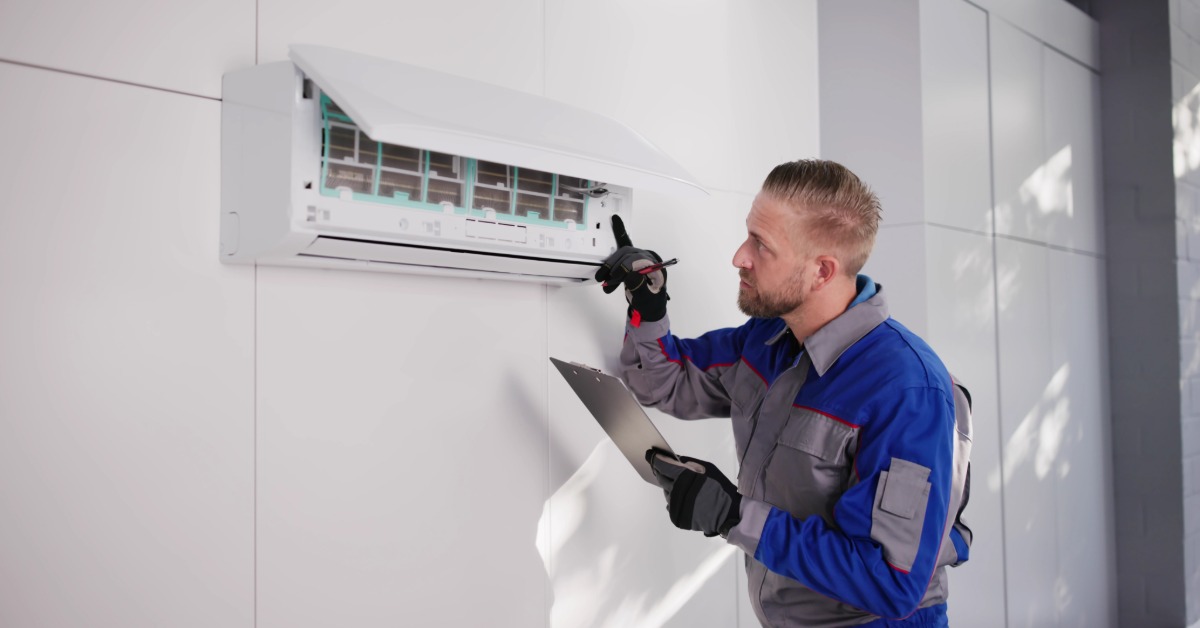
At first, replacing an air conditioner can seem straightforward, but the details matter. One contractor might talk about system size, another about efficiency ratings, while a third may only mention price, leaving out how the work will actually be done. The right system should suit both your home and your lifestyle, not just look good on paper. To help you make a truly informed choice, here are nine important questions to ask your HVAC installer when replacing an AC.
1. How Did You Size the New AC for My Home?
This question should be one of your first. The size of your AC system determines your comfort every day. If the unit is too big, it can cool your home too quickly without properly removing humidity, leaving the air feeling damp. If it’s too small, it may struggle to keep up during the hottest weather. Even the best equipment won’t deliver comfort if the size isn’t right for your home.
A good answer should show the installer reviewed your house, not just matched the old unit. If they only consider the previous size, ask for more details. Homes change, so your new AC should fit your current needs.
2. What Parts of the System Are You Replacing?
A “new AC” doesn’t always include every part. One estimate may include more than another, such as adding the indoor coil or electrical work. These differences affect price and system performance.
Ask your installer to walk you through every part of what’s being replaced. Find out whether the indoor coil is included and ask whether any safety or code updates are needed. This way, you can compare quotes based on what’s actually being done.
3. Will My Ductwork Support the New AC?
Your new AC relies on your current ducts. If ducts go through hot attics or don’t reach all rooms, you may still have comfort issues. Ductwork matters as much as unit choice.
Ask if your installer checked the duct size and whether there’s any risk of leaks. Some homes can benefit from duct sealing or balancing airflow, not just replacing equipment. When a contractor reviews your whole system, you’ll get a more complete and effective proposal.
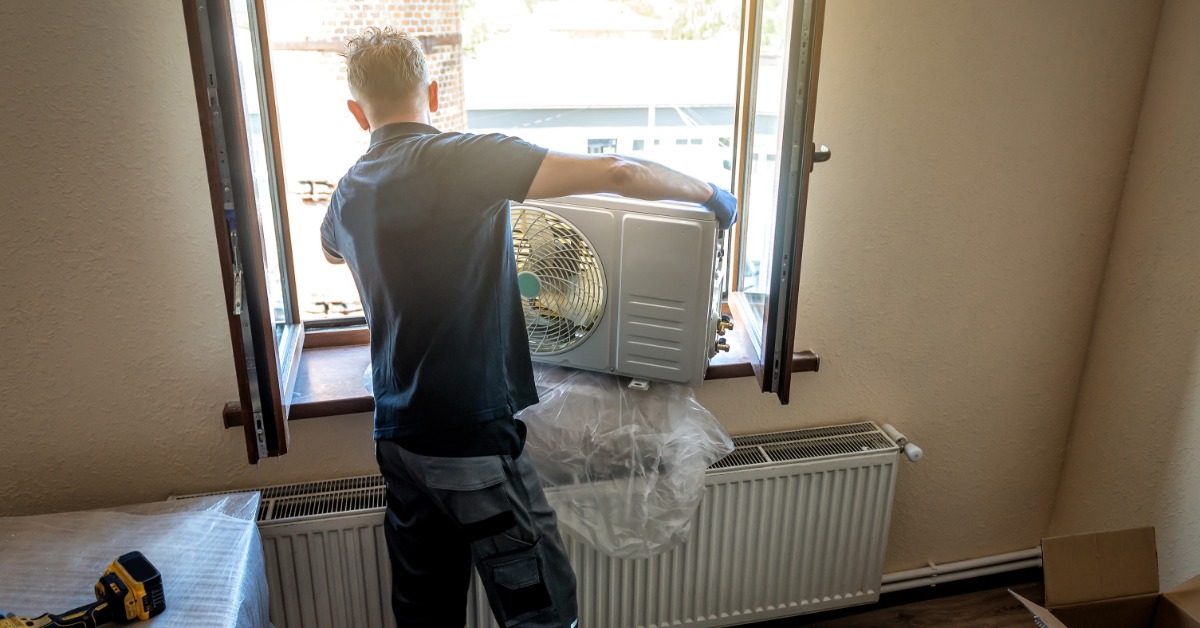
4. What Efficiency Level Fits My Home and Budget?
Efficiency ratings matter, but the highest isn’t always best for everyone. Some homes may benefit from high-efficiency AC; others may need ductwork first. The right level depends on how you use AC and what your home needs.
Ask your installer to explain more than just the efficiency rating. Find out why they recommend a certain level for your home and budget. The goal is to choose an option that fits your needs now and down the road, so you don’t have regrets later.
5. What Refrigerant Does the New System Use?
Refrigerant might seem like a minor technical detail, but it matters during a replacement. Newer systems rely on updated refrigerant types, so your installer should explain which one your equipment uses and why. For homeowners, the key is to know that the refrigerant matches the new system and is safe for your home.
Your new system should use the specific refrigerant it was designed for, and the installer must fill it correctly during setup. Clear answers at this stage help you understand what your new equipment needs to run smoothly. If something isn’t clear, don’t hesitate to ask for more explanation until you feel confident.
6. What Work Is Included in the Installation Price?
Sometimes, a low quote just means important steps were left out. Removing the old system, setting up the thermostat, making electrical updates, testing everything, and cleaning up all add value to the job. Without these details, you may compare prices that don’t actually cover the same work. It’s important to know exactly what’s included so your expectations match the final outcome.
Ask for the full scope of installation in plain language. Also, ask which items might cost extra once the old equipment is removed. This helps you avoid surprises and ensures you’re comparing apples to apples. Verbal answers help, but written scopes are easier to compare. A proposal shows exactly what each contractor plans to do and serves as a record if questions arise later.
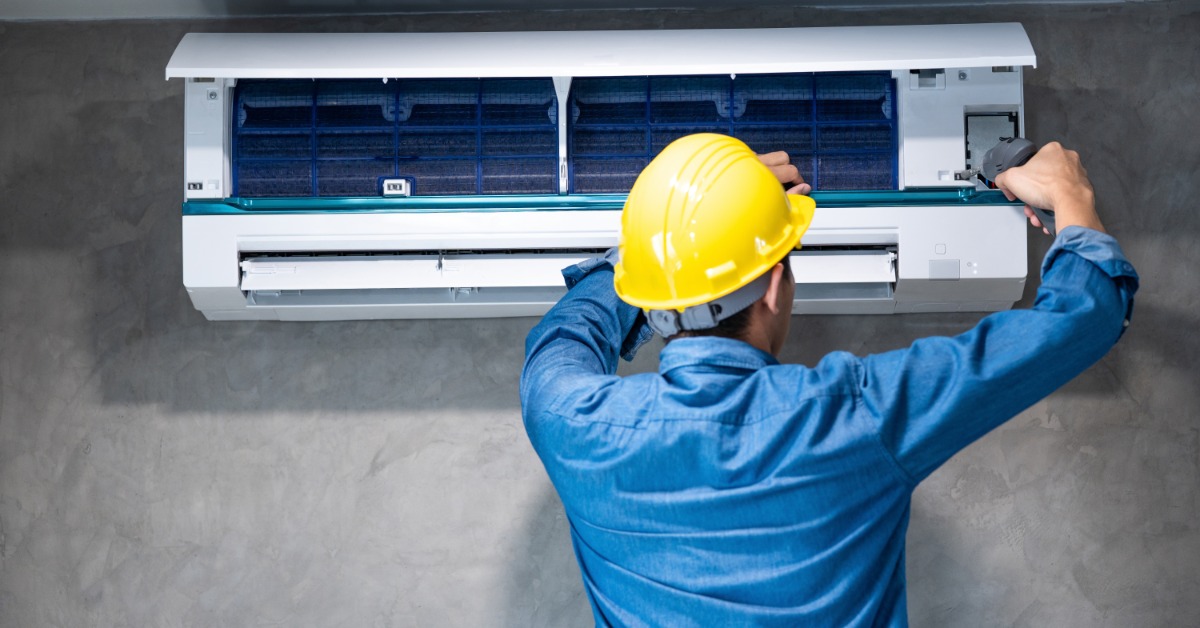
7. Who Handles Permits and Code Requirements?
Replacing an AC system usually involves electrical work and meeting code requirements, which are steps that shouldn’t be overlooked. Asking about this helps you see how organized and prepared the contractor is. A clear, confident answer should make you feel comfortable about the schedule and process from start to finish. If the answer is vague or uncertain, take note and ask more questions.
You should know who pulls the permits, who handles inspections, and how local codes affect your installation. You shouldn’t be left guessing about these steps. The installer should take the time to explain the process clearly and answer your questions directly.
8. How Will This New AC Address the Comfort Problems I Have?
This question focuses on solving your comfort issues. Many homes have warm rooms or weak airflow. If your contractor ignores these, the proposal may miss key improvements. Replacements should improve comfort, not just swap equipment.
Ask how the new setup will fix your comfort issues. A thoughtful installer will listen first, then recommend solutions based on how your home feels in everyday life. This ensures the new system addresses your needs, not just the technical specs.
9. What Warranty and Maintenance Support Come With the New AC?
Your new AC system should come with clear protection after installation. Ask your installer to explain the difference between the manufacturer’s warranty and the company’s labor warranty. These aren’t the same, and you’ll want to know where each one starts and stops. Make sure the installer tells you about any registration requirements before the job begins, so you’re fully covered.
Ask what maintenance your new AC will need, what warning signs should prompt a service call, and when you should schedule the first maintenance visit. A good installer will help make owning your new system feel straightforward and stress-free, not confusing.
How the Right Questions Lead to a Better Installation
A successful AC replacement starts with good questions, long before installation day. Asking these questions helps you spot weak estimates, missing details, or vague promises before they turn into costly problems. It also makes it easier to recognize strong contractors because they answer with clarity, patience, and detail. Keep these nine questions in mind when replacing an AC, and you’ll feel more confident about your investment and your home’s comfort.
W.F. Smith offers AC installation services you can trust when your old system no longer delivers the comfort and efficiency your home needs. From the first estimate to the final installation, our team guides you through your options and helps you choose a system that truly fits your home. Contact us today to schedule your estimate and start your journey toward better, more reliable cooling.

W.F. Smith was great. They worked very professionally and neatly. They were extremely knowledgeable about the equipment and all specific HVAC practices. Would recommend them to the world!