- 24/7 Emergency HVAC Repair
- Financing Available
- We Accept All Major Credit Cards

9 Pro Tips for Cleaning Your Home’s Air Conditioner Coils
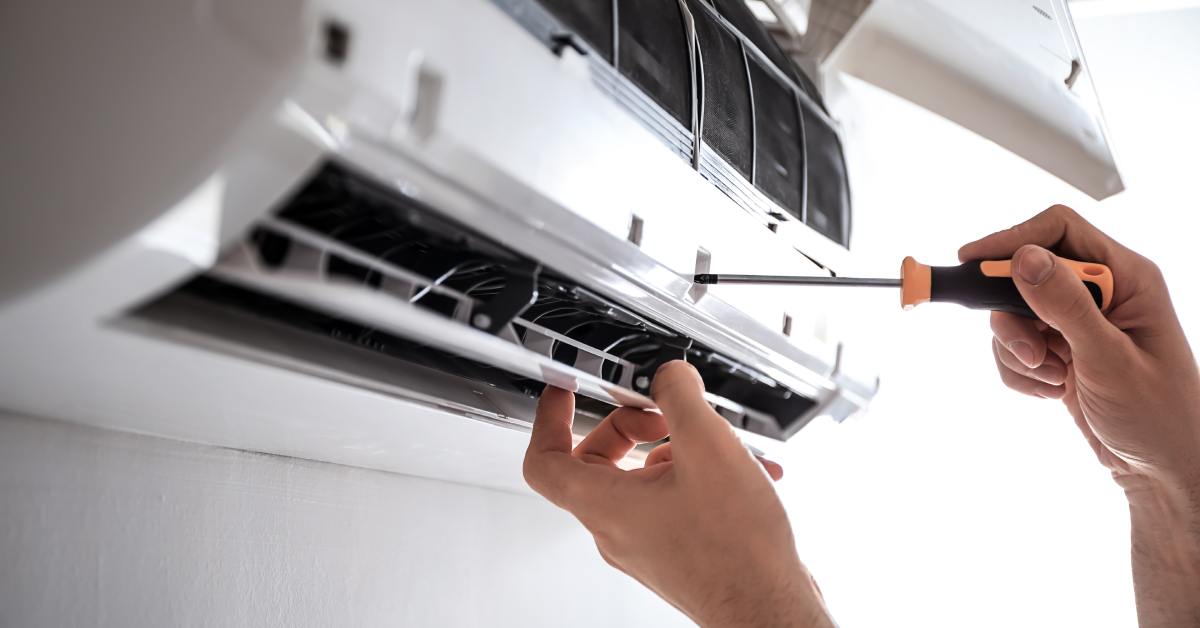
Air conditioner coils do a quiet but critical job: they move heat, manage humidity, and help your system run efficiently when temperatures climb. When coils get coated with dust, pollen, or grime, your AC has to work harder to deliver the same comfort, and that strain can show up as higher bills, longer run times, or uneven cooling. Read on as we break down nine pro tips for cleaning your home’s air conditioner coils.
Start With the Right Coil Basics
When people hear “coil cleaning,” they often picture a quick rinse and a quick fix. In reality, coils are delicate and closely tied to airflow, humidity control, and overall system performance.
The Difference Between Evaporator and Condenser Coils
Your evaporator coil typically sits inside, near the air handler or furnace, and it absorbs heat from the air moving through your home. Your condenser coil sits outside in the outdoor unit and releases that heat outdoors.
Both coils need clean surfaces to move heat efficiently, but they get dirty in different ways. Outdoor coils collect debris from weather and landscaping, while indoor coils often build up dust from airflow issues and filtration gaps.
Understand What Dirt Does
Even a thin film of grime acts like insulation on the coil surface, slowing heat transfer. That can lead to longer cycles, reduced comfort, and, in some cases, coil freezing if airflow is restricted enough. Dirty coils can also worsen indoor humidity because the system struggles to remove moisture effectively. Cleaning won’t solve every AC problem, but it can remove one of the most common causes of performance loss.
Know Why Coil Cleaning Is Often a Pro Job
Coils sit near sensitive components, and they can be damaged by excess force, the wrong cleaner, or too much moisture in the wrong place. Indoor coil access can require panel removal, careful re-sealing, and safe handling around wiring and drain systems.
Outdoor coils can be bent easily, and damaged fins restrict airflow. In many cases, the safest and most cost-effective option is scheduling a professional cleaning rather than taking the unit apart.
Support Coil Health With Low-Risk Maintenance
A few simple habits can keep dirt from accumulating as quickly, and they also make professional service more effective when it’s time for a tune-up.
Replace Filters on a Consistent Schedule
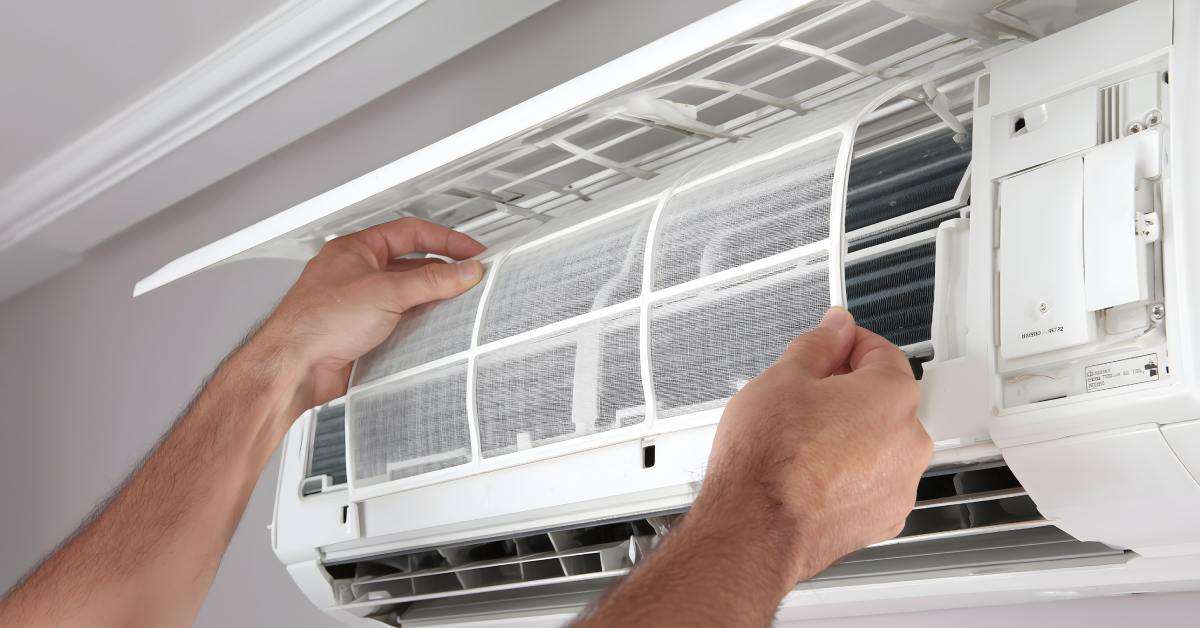
A clogged filter reduces airflow, which can contribute to coil icing and faster dirt buildup. Use the correct size and avoid forcing a poor fit that leaves gaps. Replacing the filter every one to three months is a strong baseline, adjusted for pets, allergies, and dust levels. Consistent filter changes help protect the indoor coil from becoming a sticky dust magnet.
Keep Vents and Returns Clear
Blocked returns starve the system of airflow and can make the coil run colder than it should. Make sure furniture and rugs aren’t covering return grilles, especially where return placement is limited. Keep supply vents open to allow air to circulate as designed. If a room stays uncomfortable, it’s usually a sign of balance or duct issues rather than something vent adjustments can fix.
Maintain Clearance Around the Outdoor Unit
Outdoor coils need space to breathe! Remove leaves and debris around the condenser, and trim plants to keep clearance on all sides. After storms or heavy winds, do a quick visual check for lodged debris. This simple habit supports better heat rejection and reduces the likelihood of heavy buildup.
Signs Your Coils Need Professional Attention
If your AC feels like it’s working harder to do the same job, that’s worth taking seriously. Dirty coils are one possible cause, but they can also be a clue that airflow or drainage is not working the way it should.
Longer Run Times and Uneven Cooling
If your system runs longer than it used to, struggles to hit the thermostat setting, or cools some rooms better than others, airflow or coil performance may be part of the story. Dirty coils reduce the system’s ability to transfer heat, slowing cooling and creating temperature differences throughout the house. Older ductwork can compound the issue by leaking conditioned air or restricting flow.
Higher Bills
When utility costs climb during the cooling season, it’s easy to assume it’s only the weather. A dirty coil can add hidden run time that drives up energy use, especially during long stretches of high humidity. If bills are rising and comfort isn’t improving, it’s a good moment to schedule a checkup.
Musty Odors, Humidity, or Water
Coils and drainage go together, so moisture issues can show up as odors or a “clammy” feeling indoors. Musty smells near the indoor equipment can indicate standing water, drainage problems, or buildup around the coil area. Having water near the air handler is a reason to stop and call a professional, since overflow can damage ceilings, walls, and floors. Addressing moisture issues promptly is one of the best ways to avoid costly repairs.
What Professional Coil Cleaning Often Includes
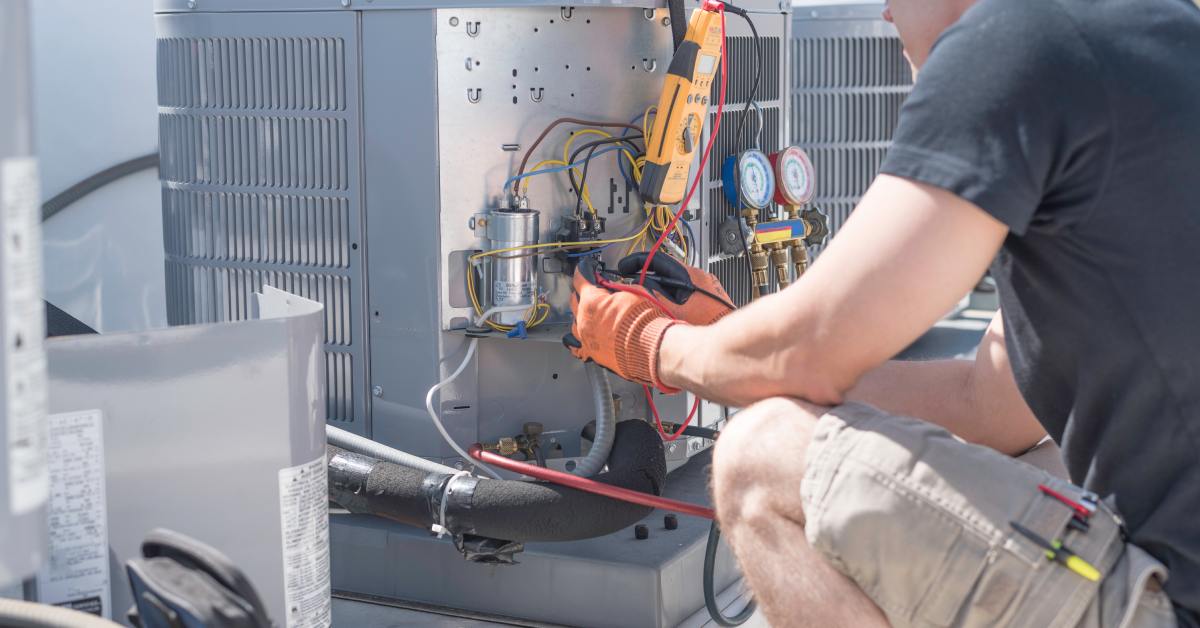
A professional coil cleaning visit is about restoring performance without risking the system. Beyond cleaning, technicians look for the cause of the buildup and check the surrounding components that affect comfort and reliability.
Safe Access and Proper Resealing
Technicians access coils without damaging panels, insulation, or seals that affect airflow. After cleaning, those areas need to be sealed so air can flow through the coil properly rather than leaking around it. Improper sealing can cause small air leaks that can have outsized effects on comfort and run time.
Cleaning Matched to the System and Buildup
A quality cleaning approach depends on the coil condition, equipment design, and the source of the dirt. A technician may use appropriate coil cleaners, controlled rinsing, and fin correction tools when needed. They also look for reasons buildup is happening, such as filtration gaps or duct leakage. Fixing the underlying cause helps keep coils cleaner longer.
Drainage and Performance Checks Afterward
Coil cleaning should include confirming that the drain pan and condensate line are working properly. Many technicians also verify airflow and measure system performance to make sure the equipment is operating within expected ranges. That extra verification helps catch developing problems before they become peak-season breakdowns.
Keeping Coils Clean Without Taking Risks
Coil issues often start quietly, then show up as rising bills, uneven temperatures, or humidity that never feels quite right. The most dependable approach is to handle low-risk upkeep, watch for early warning signs, and schedule professional maintenance before peak season. Keep these nine pro tips for cleaning your home’s air conditioner coils in mind, and you protect your system from avoidable damage and reduce the odds of surprise breakdowns.
Need a system clean-up? W.F. Smith is a heating and cooling company that offers system maintenance you can rely on, with thorough inspections that go beyond surface-level fixes. If your AC has been running longer, feeling less consistent, or showing signs of strain, our team can identify what’s really driving the issue and restore efficient performance without guesswork. Schedule maintenance today to help prevent mid-season breakdowns and keep your home comfortable all season long.

W.F. Smith was great. They worked very professionally and neatly. They were extremely knowledgeable about the equipment and all specific HVAC practices. Would recommend them to the world!