- 24/7 Emergency HVAC Repair
- Financing Available
- We Accept All Major Credit Cards

Ductless Mini Splits: Common Myths and Facts
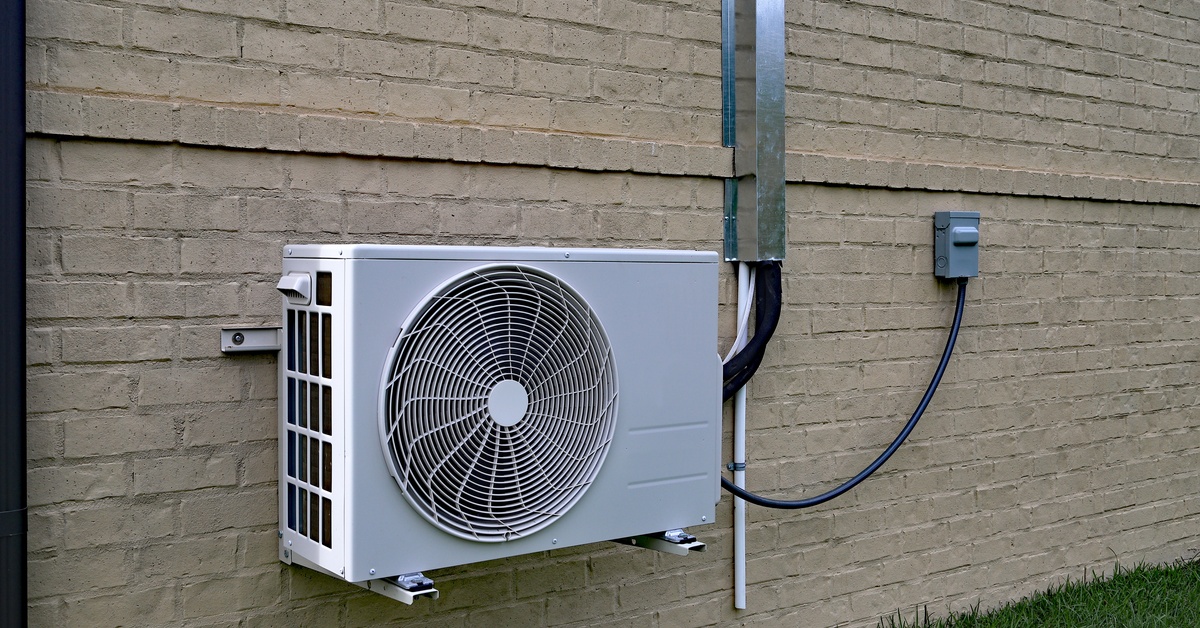
Ductless mini splits solve comfort problems that older ducted systems often leave behind, but myths still steer homeowners in the wrong direction. Friends, neighbors, and online threads often repeat outdated “facts” that no longer match modern equipment or proper installation standards. As a local team that handles ductless mini splits every day, we’ll walk through the common myths and facts in a way that helps you make a clear, confident decision for your home’s system.
Myth: Mini Splits Only Work for Additions or New Homes
Many homeowners assume that ductless systems are only suitable for brand-new construction or a single-room addition. That myth persists because builders often use mini-splits to address comfort needs in spaces without ductwork. In real life, mini splits work well in older homes that struggle with hot upstairs bedrooms, chilly basements, or rooms far from the main trunk line. When ductwork cannot deliver balanced comfort, ductless zones can solve the problem without a major remodel.
Where Ductless Fits Best in Established Homes
Older homes often have duct layouts that never matched today’s expectations for even temperatures. Mini splits let you add targeted comfort where you actually feel the problem, such as a sunroom, finished attic, or back bedroom. You also avoid the disruption that comes with opening ceilings and walls to add supply and return ducts. A well-designed ductless plan can complement an existing system or replace it, depending on your goals.
Fact: Cold-Climate Mini Splits Handle Real Winters
Many people still treat heat pumps as “mild weather” equipment, but modern ductless models can heat far beyond that stereotype. Manufacturers build cold-climate systems to keep delivering heat when temperatures drop, and inverter control helps them maintain steady output. You still need correct sizing and smart placement, but you can rely on ductless heat in many winter conditions.
What Makes Cold-Weather Performance Possible
Inverter-driven compressors adjust output in small steps rather than running at full blast on every cycle. That approach supports steady indoor temperatures and reduces the swings that make some homes feel drafty. Modern controls also manage defrost cycles more smoothly, which helps the system recover quickly after it clears outdoor frost.
Myth: Mini Splits Cannot Heat and Cool a Whole House
Some homeowners believe mini splits only work for one room, so they dismiss the idea for whole-home comfort. Multi-zone systems connect multiple indoor units to a single outdoor unit, effectively covering a wide range of layouts. The best plan starts with a room-by-room load calculation and a clear zoning strategy.
Whole-Home Success Comes From Smart Zoning
Zoning lets each area respond to its own conditions, preventing overcooling or overheating in other rooms. Bedrooms can stay comfortable at night without forcing the entire home to follow the same setting. High-solar rooms can run more efficiently, while interior rooms cost less. That flexibility makes mini splits feel “custom fit” when the design matches how you live.
Fact: Mini Splits Can Reduce Waste From Duct Losses
Ductwork can waste comfort when leaks, poor insulation, or long runs let conditioned air escape before it reaches the room. Mini splits deliver heating and cooling directly in the space, so they avoid many common duct-related losses. Zoned operation also helps because you can condition the rooms you use most, rather than the entire home equally.
How to Use Zoning
Zoning works best when you pick steady setpoints and let the system modulate smoothly. Constantly changing temperatures can force the equipment to chase the swings, reducing comfort. A simple routine that matches your daily patterns usually delivers better results than aggressive setbacks. Your installer should also show you how the controls work, so you can use zoning confidently.
Myth: Mini Splits Look Bulky and Ruin the Room
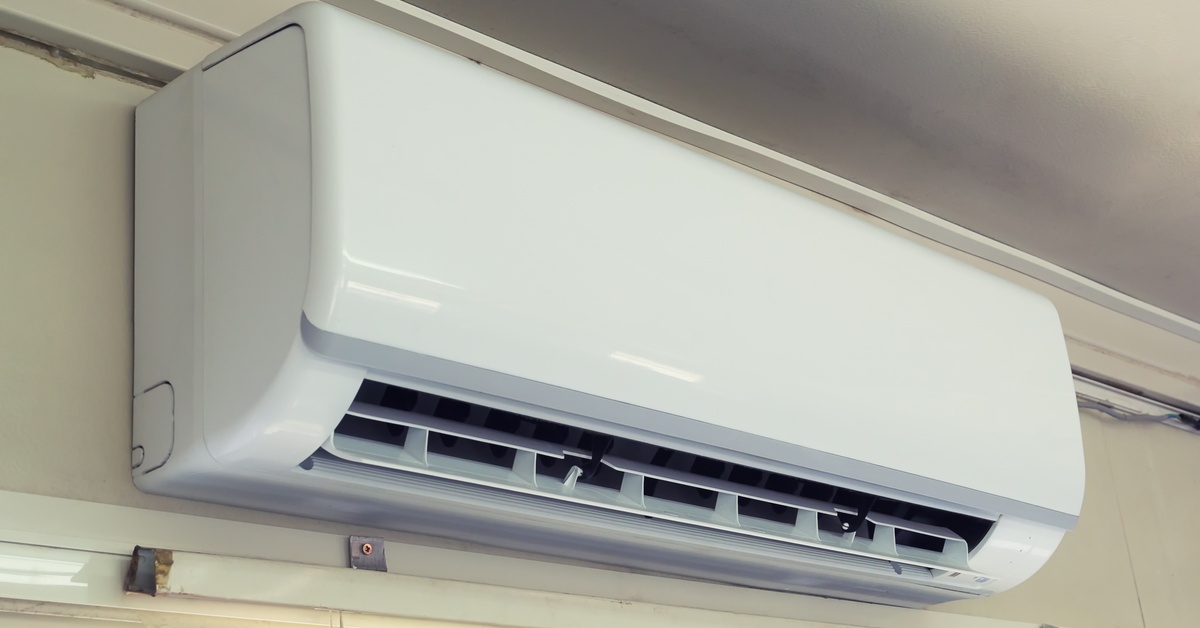
Many homeowners worry that indoor units will stand out or clash with their decor. Today’s systems offer more options than the classic high-wall head, and placement can make a big difference. Contractors can recommend styles such as compact wall units, floor consoles, ceiling cassettes, or slim ducted solutions in the right layouts.
Placement is Crucial
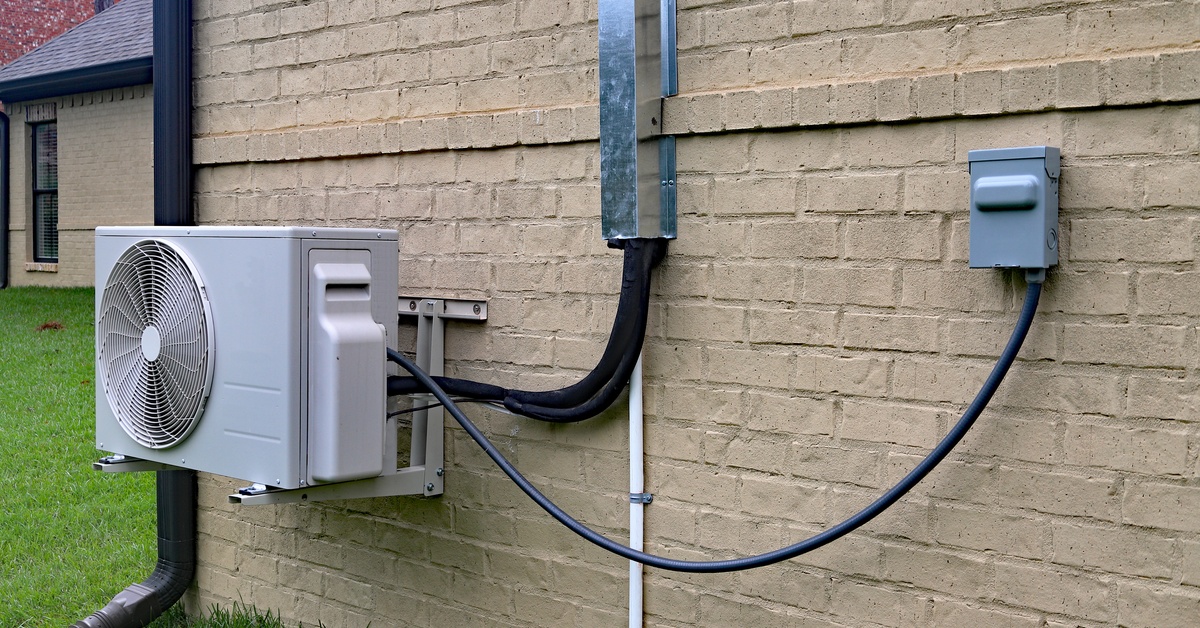
Good placement prevents drafts and keeps airflow from blowing directly onto seating or beds. A contractor should review sightlines, furniture layout, and room shape before choosing a location. The best installs also hide line sets cleanly and protect the building envelope with proper sealing. Those details help the system look intentional rather than tacked on.
Fact: Maintenance Stays Simple
Mini splits do not eliminate maintenance, but they keep it straightforward. Homeowners can clean filters regularly, keep outdoor units clear, and monitor for performance changes, such as reduced airflow. However, professional service adds deeper cleaning, performance checks, and verification that controls and refrigerant operation stay on track.
A Quick Maintenance Checklist
Use this list to keep ductless performance steady without overcomplicating your routine. Start by handling the simple items, and schedule professional service for the technical checks. Here is a quick maintenance checklist:
- Clean or replace indoor filters on a regular schedule
- Keep the outdoor unit clear of leaves, snow, and clutter.
- Watch for new noises, reduced airflow, or uneven room comfort.
- Use steady setpoints and avoid constant temperature swings.
- Schedule professional inspections to verify performance and drainage.
Myth: Mini Splits Always Cost More Than Central Air
Homeowners often assume ductless systems cost more because they focus only on the equipment price. The total project cost depends on the number of zones, the difficulty of line-set routing, and the condition of existing ducts. In many older homes, central upgrades often require duct repairs, added returns, or major modifications, which can raise the real cost. A fair comparison considers total installed cost, comfort improvement, and expected operating costs over time.
Compare Quotes Without Guesswork
Mini splits deliver the best results when a skilled team designs and installs the system around your home and comfort goals. Do not be afraid to ask questions! Comfort improves fastest when you stop chasing common myths and start planning around facts instead. Ductless mini splits can also solve stubborn hot spots, reduce duct-related waste, and give you control that feels practical day to day.
W.F. Smith focuses on accurate sizing, thoughtful placement, and clean ductless mini-split serviceto support quiet, consistent comfort throughout your home. We also support ongoing ductless mini-split installations and services, so you can stay ahead of common issues like uneven temperatures, airflow concerns, and seasonal efficiency drops. When you want clear answers, practical options, and dependable results, we’re ready to help you move forward. Contact W.F. Smith today!

W.F. Smith was great. They worked very professionally and neatly. They were extremely knowledgeable about the equipment and all specific HVAC practices. Would recommend them to the world!