- 24/7 Emergency HVAC Repair
- Financing Available
- We Accept All Major Credit Cards

Is Your Thermostat Causing the AC To Freeze Up?
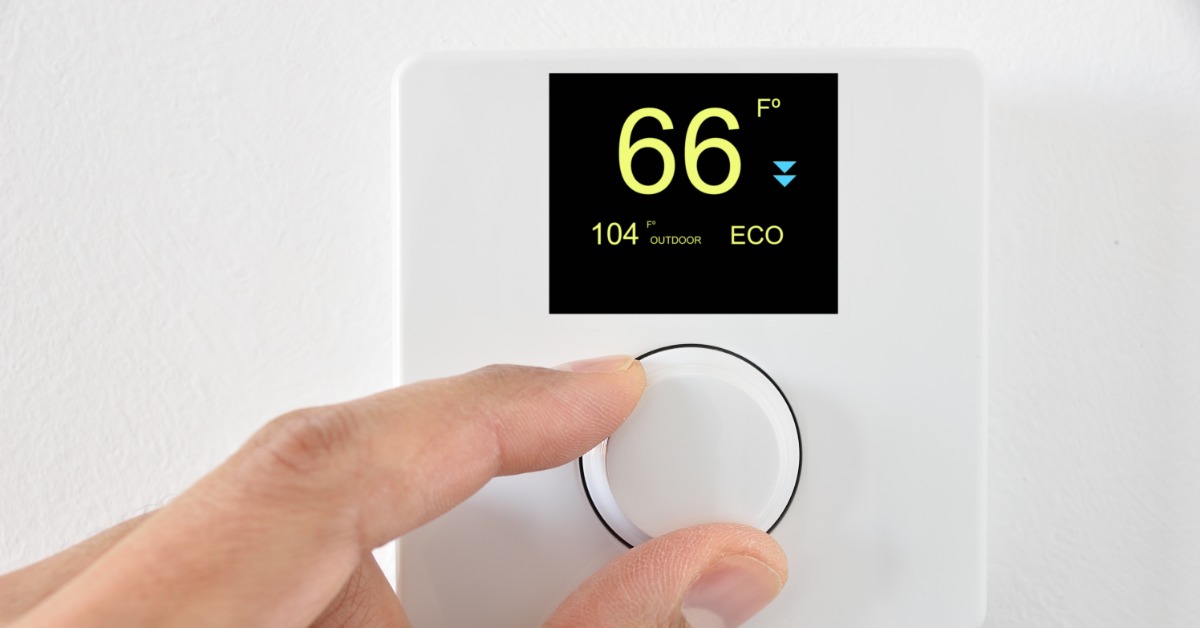
Seeing ice on your air conditioner during warm weather can be confusing. After all, if your AC is supposed to cool your home, why would it suddenly start freezing? If you’ve found yourself wondering whether your thermostat is causing the AC to freeze up, you’re not alone.
In many cases, a thermostat can contribute to freezing problems, but it is rarely the only possibility. The thermostat plays an important role because it tells your system when to start and stop cooling. However, airflow restrictions and refrigerant issues can create similar symptoms.
How an AC Freezes in the First Place
To understand whether your thermostat could be involved, it helps to know how freezing happens. Your air conditioner cools your home by pulling warm indoor air across the evaporator coil. The refrigerant inside the coil absorbs heat from the air and carries it outside. Under normal conditions, moisture that collects on the coil drains away safely.
Problems begin when the coil becomes too cold. Instead of draining, moisture freezes on the coil’s surface. As ice builds up, airflow becomes more restricted, which causes the coil temperature to drop even further. Before long, you have a cycle that feeds itself.
When the Thermostat Is Part of the Problem
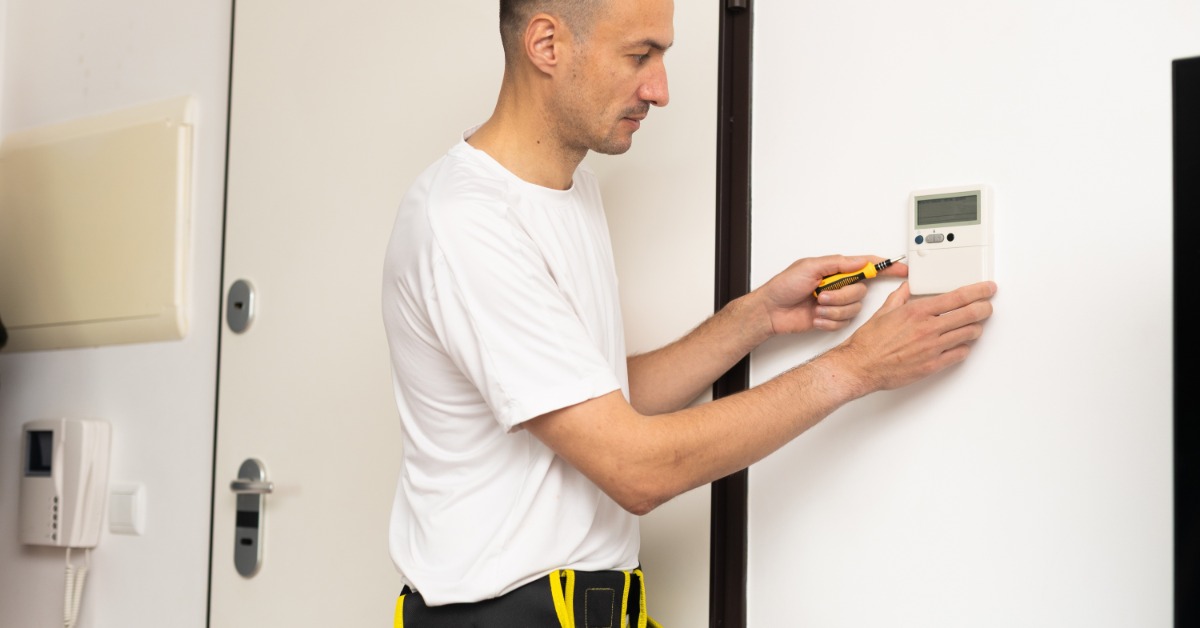
Your thermostat can contribute to freezing by running the system longer than necessary. For example, if the thermostat is reading temperatures incorrectly or continuously calling for cooling, your AC may not get the normal breaks it needs between cycles. An extended runtime can increase the risk of freezing, especially if another issue is already affecting airflow.
You may notice the AC running almost nonstop, uneven temperatures throughout the house, or rooms that stay warm despite continuous cooling. Some homeowners also find themselves constantly adjusting the thermostat without seeing any improvement.
If any of these situations sound familiar, the thermostat deserves a closer look. However, it is important to remember that the thermostat may be revealing another problem rather than causing it directly.
Watch for Constant Cooling Cycles
Have you noticed your AC running for unusually long periods? Long cooling cycles do not automatically mean the thermostat has failed. They can also point to dirty coils, low refrigerant, or excessive heat entering the home. Still, when long runtimes occur alongside ice buildup, it is worth having the thermostat and the rest of the system evaluated together. Your thermostat should help regulate cooling cycles, not keep the system locked in an endless cooling demand.
Low Thermostat Settings Can Trigger Trouble
Many homeowners assume that lowering the thermostat by a large amount will cool the house faster. Unfortunately, that is not how air conditioners work. Setting the thermostat extremely low simply tells the system to keep running until it reaches that temperature.
If airflow is already restricted by a dirty filter or another issue, longer cooling cycles can increase the likelihood of freezing. Think of it this way: your AC needs a steady supply of warm air moving across the evaporator coil. Without enough airflow, the coil temperature can drop too far.
Do Not Keep Lowering the Temperature
When your home feels warmer than expected, it is tempting to keep lowering the thermostat. Before you do, take a moment to look for other signs of trouble. Is airflow weaker than usual? Have you noticed ice around the indoor unit? Does the system seem to run constantly?
If so, continuing to lower the temperature may only make the situation worse. The better approach is to identify why the system is struggling in the first place.
Airflow Problems Often Work With Thermostat Issues
One of the most common causes of AC freezing has nothing to do with thermostat failure at all. Restricted airflow prevents enough heat from reaching the evaporator coil. Without that heat transfer, the coil temperature can fall below freezing.
Several issues can contribute to poor airflow:
- Dirty air filters
- Closed or blocked vents
- Obstructed return grilles
- Dirty evaporator coils
- Blower motor problems
- Damaged ductwork
If your thermostat continues to call for cooling while airflow remains restricted, the risk of ice formation increases. This is one reason routine filter changes are so important. A simple clogged filter can create conditions that eventually lead to a frozen system.
What to Do When You See Ice on the AC
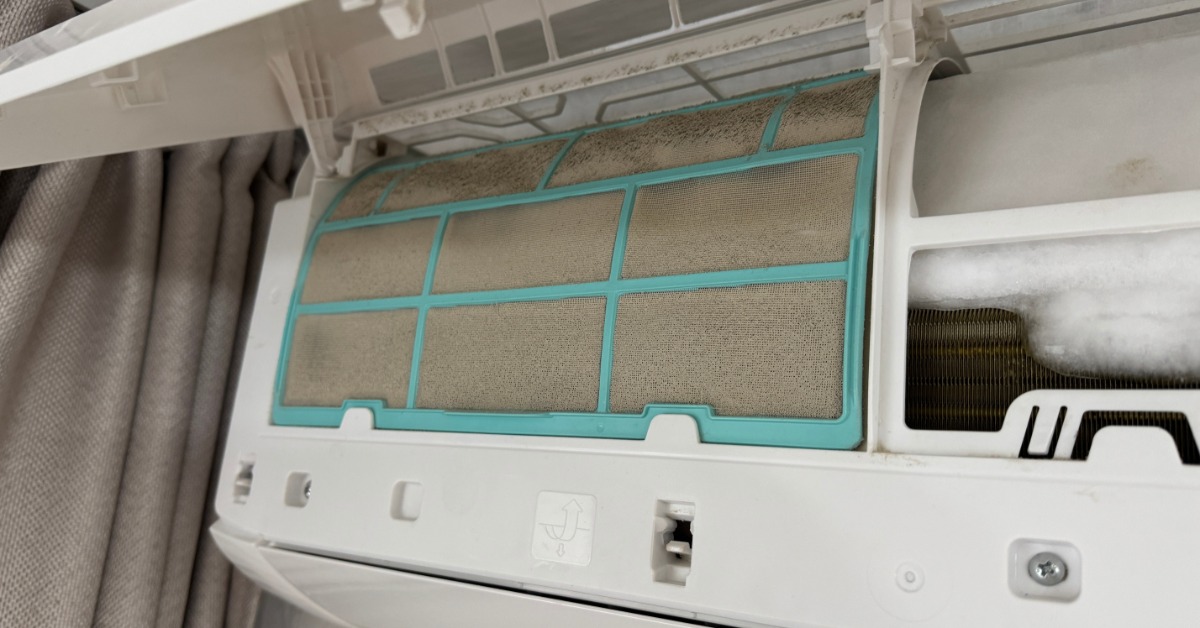
If you discover ice on your system, there are a few steps you can take before scheduling service. First, turn off the cooling mode. Continuing to run the AC while ice is present can increase strain on the equipment. Next, allow the system to thaw completely. If your thermostat allows it, switching the fan setting to “on” can help circulate air and speed up the thawing process.
While waiting for the ice to melt, check the air filter and verify that the thermostat is set correctly. If you notice visible ice on refrigerant lines or the indoor unit, avoid restarting the cooling system until everything has thawed. If the system freezes again after thawing, it is time for professional service.
When a Thermostat Replacement Makes Sense
Sometimes the thermostat really is the problem. Older thermostats can lose calibration or struggle to communicate properly with the HVAC system. In those situations, replacement may improve comfort and system performance.
Modern programmable and smart thermostats offer additional benefits, but proper installation remains important. If you suspect your thermostat may be contributing to freezing issues, professional testing can determine whether replacement is necessary.
How Maintenance Helps Prevent Freeze-Ups
One of the best ways to avoid AC freezing is through regular maintenance.
Routine inspections allow technicians to identify developing problems before they become major repairs. During a maintenance visit, they can evaluate airflow, inspect coils, check refrigerant levels, and verify thermostat operation. Here are a few signs that it may be time to schedule professional service:
- Ice forming on the indoor unit or refrigerant lines
- Weak airflow from vents
- Rooms that never seem to reach the desired temperature
- An AC system that runs constantly
- Repeated freeze-ups after thawing the system
- Unexplained increases in energy usage
Getting the Right Diagnosis for a Frozen AC
When ice appears on your air conditioner, it is natural to think that your thermostat is causing the AC to freeze up. However, freezing is usually the result of a larger issue somewhere within the cooling system. The thermostat may be involved, but looking at the entire system provides a clearer picture and helps prevent repeat freeze-ups.
If your home feels warm despite the AC running, or if you notice ice forming around the indoor unit, W.F. Smith can help identify the cause before the problem gets worse. We offer heating and cooling services in Philadelphia designed to address thermostat issues and other AC problems with clear, reliable service. Schedule your appointment today and get your cooling system back to steady, dependable comfort.

W.F. Smith was great. They worked very professionally and neatly. They were extremely knowledgeable about the equipment and all specific HVAC practices. Would recommend them to the world!