- 24/7 Emergency HVAC Repair
- Financing Available
- We Accept All Major Credit Cards

Tricks HVAC Pros Use To Keep Their Garages Cool Year-Round

Any homeowner knows the pain of a hot, suffocating garage in summer. A bigger fan helps for a few hours, but by late afternoon, the ceiling and concrete slabs push warmth back into the space, even as outside temperatures drop.
HVAC pros usually view the garage as a small thermal system with its own heat load, air leakage patterns, and moisture issues. Here are a few tricks HVAC pros use to keep their garages cool year-round.
Find Where the Heat Is Entering
Before discussing equipment, HVAC pros trace the hottest surfaces and note when they peak. In many garages, the ceiling heats first, then the overhead door once the afternoon sun hits the front. Heat also appears along the slab edge, especially in attached garages where uninsulated perimeter areas absorb warmth from nearby pavement. That survey shapes the plan.
Check the Roof Deck and Ceiling Assembly
Pay close attention to the ceiling, as attic heat often sinks into the garage for hours. Pros frequently notice this in garages below attics with poor ventilation, especially when insulation lies thin, patchy, or compressed around the edges.
In this setup, the garage not only warms faster but also stays hot well into the evening, since the ceiling radiates stored heat downward. Adding a better insulation layer above the garage can drastically improve the room’s comfort.
Watch the Slab and Shared Walls
Concrete holds temperature longer than most realize, which is why a garage floor often feels like part of the problem after a hot day. If the slab edge meets direct sun outside, heat moves inward and lingers near the lower part of the room long after sunset.
Shared walls matter too, especially when the garage sits next to living space with leaky framing or missing insulation in the band area. These details explain why some garages feel hottest near the back wall while others stay warm from the floor up.
Tighten the Garage Before Adding Cooling
Cooling a loose garage wastes money because the room never keeps the air you paid to condition. Gaps around side doors and framing joints let hot outdoor air slip in all day and cooled air leak out once the system catches up.
A pro usually seals those weak points first because the payoff shows immediately in how long the room holds temperature after the door closes. This step also makes equipment sizing more accurate, preventing overspending on a system chosen to compensate for leakage.
Treat the Garage Door as Part of the HVAC Plan
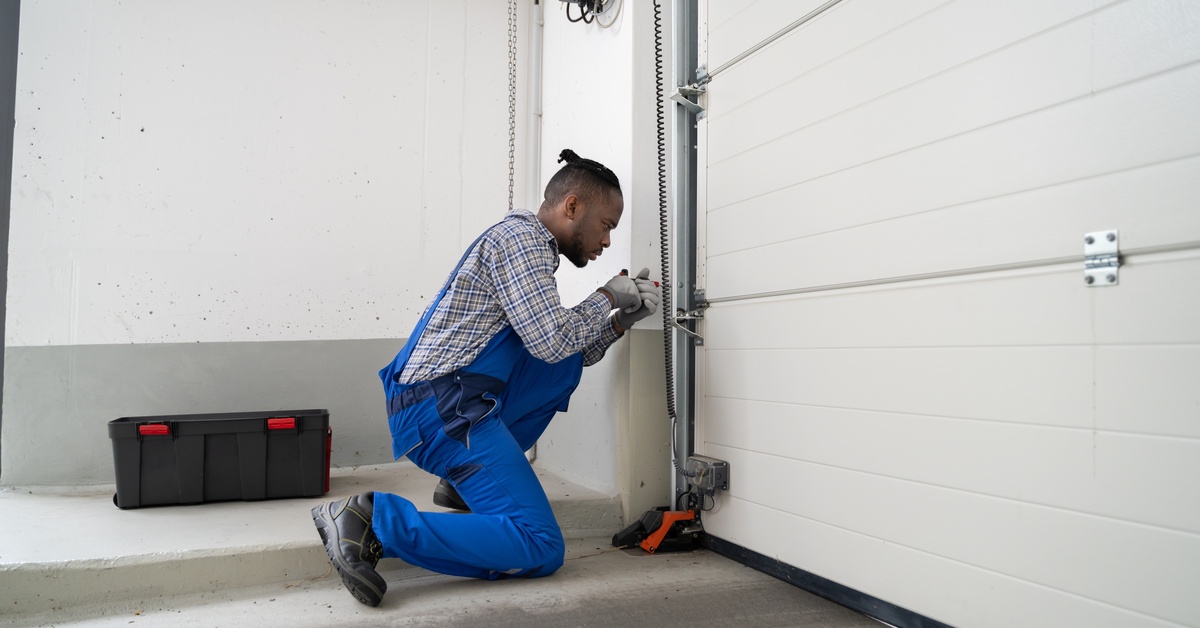
A garage door often accounts for a large share of the cooling load. Thin metal doors heat quickly, and older, uninsulated sections hold warmth for hours. Even a well-sized cooling setup feels inadequate when the largest surface acts like a radiator.
Pros treat the overhead door as part of the HVAC plan, not as a separate building detail. With proper panel insulation, side seals, and threshold, the room stops absorbing daily heat from this surface.
Use Ventilation at the Right Time of Day
Garage ventilation helps when it follows the heat pattern. Pulling outdoor air into the garage at midday often worsens the space because the replacement air is hotter than the room. Pros usually use ventilation for a purge cycle early morning or late evening, when outdoor air drops below indoor temperature. This timing flushes stored heat out without feeding the problem during the hottest hours.
Why Ductless Mini Splits Work in Garages
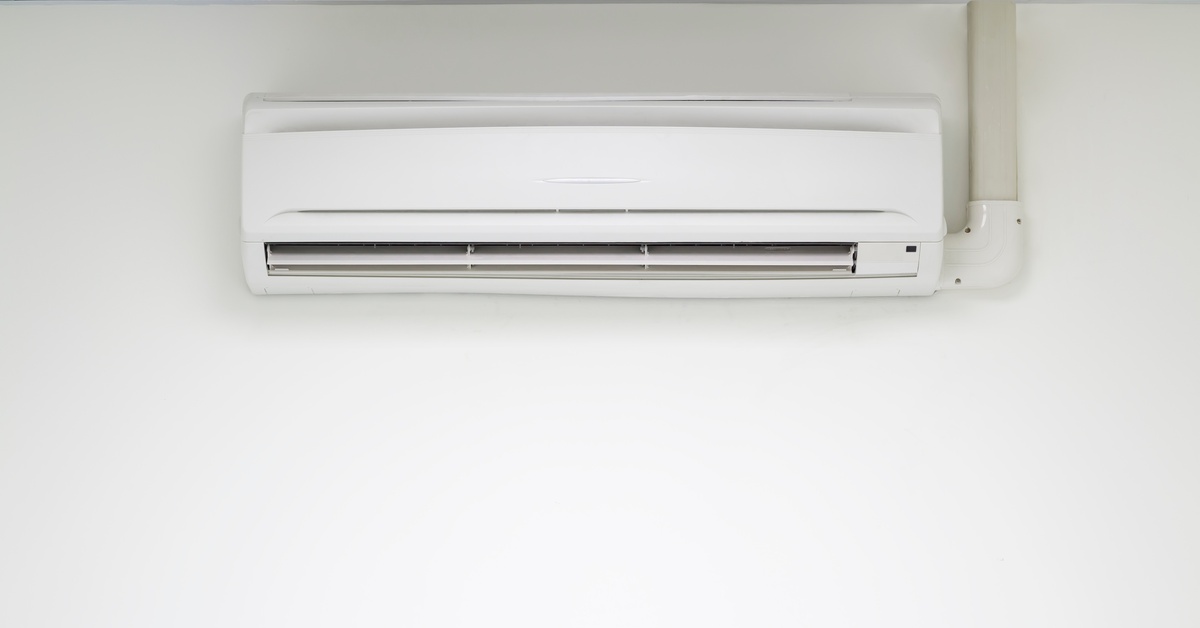
Garages respond well to ductless mini splits because their loads shift quickly and don’t match the rest of the house. Central systems for living areas often struggle in garages due to long duct runs and poor return paths. A mini split solves this by conditioning the garage directly and adjusting output as the temperature changes.
Place the Indoor Head Intentionally
Place the indoor head intentionally, as placement often matters as much as capacity. Garages rarely use the entire room for the same purpose. Mounting a unit where airflow hits shelving or the back of an SUV won’t deliver conditioned air where people spend time.
Pros usually aim the indoor head across the longest clear path, which is often toward a bench area or a central aisle rather than straight at the overhead door. This arrangement gives the garage a more even feel and reduces complaints about uneven cooling.
Control Humidity
Dampness often enters quietly through a wet vehicle, an unsealed slab, or small leaks that let humid outside air drift in during the evening. Once moisture builds, the room feels warmer than the thermostat indicates.
If the slab sweats after a storm or the side door leaks during wind-driven rain, you end up making the equipment work harder without truly solving the discomfort. Good drainage outside the opening often removes the source of the problem, rather than forcing the cooling system to chase it.
Remove Small Heat Sources
A garage often creates its own heat without anyone noticing. Old refrigerators, freezers, battery chargers, air compressors, and bright non-LED lighting all dump heat into the enclosed space you are trying to cool. One item might not seem significant, but the combined effect keeps the room warmer longer and makes the cooling setup look weaker than it is.
Often, people overlook this process in garage gyms and hobby spaces. A treadmill or a row of task lights above a workbench changes the heat profile during long sessions. Once you reduce those internal loads, the space feels more responsive, and the equipment holds temperature with less effort.
Set the Garage Up for Year-Round Operation
Small service details drive year-round comfort and support the larger plan. Keep the filter clean and ensure proper maintenance so the garage mini split operates as designed. The goal isn’t perfection but consistent attention to the details that affect daily comfort.
Here are a few checkpoints you can use over a full season:
- Clean the indoor filter before dust starts choking airflow
- Keep boxes and shelving away from the discharge path
- Check the bottom door seal after the first major heat wave
- Clear weeds and debris away from the outdoor unit
- Watch for slow condensate drainage after humid days
- Revisit garage ventilation timing when the weather pattern shifts
Once you put those pieces in place, the garage stops feeling like a space that needs constant rescue. The room holds temperature longer, responds more quickly to cooling, and stays more comfortable during hours of use. When used well, these tricks HVAC pros use to keep garages cool year-round turn a stubborn hot zone into a space that works as homeowners hope.
Searching for ductless mini split installation in Philadelphia? W.F. Smith has you covered with expert guidance and comfort solutions tailored for hard-to-heat or cool spaces, including garages. If you want better room-by-room control and a system matched to your space, our team will help you choose the right setup and install it with care. Schedule your estimate today and take the next step toward consistent comfort in every season

W.F. Smith was great. They worked very professionally and neatly. They were extremely knowledgeable about the equipment and all specific HVAC practices. Would recommend them to the world!