- 24/7 Emergency HVAC Repair
- Financing Available
- We Accept All Major Credit Cards

What Is an Air Handler and When Do You Need One?
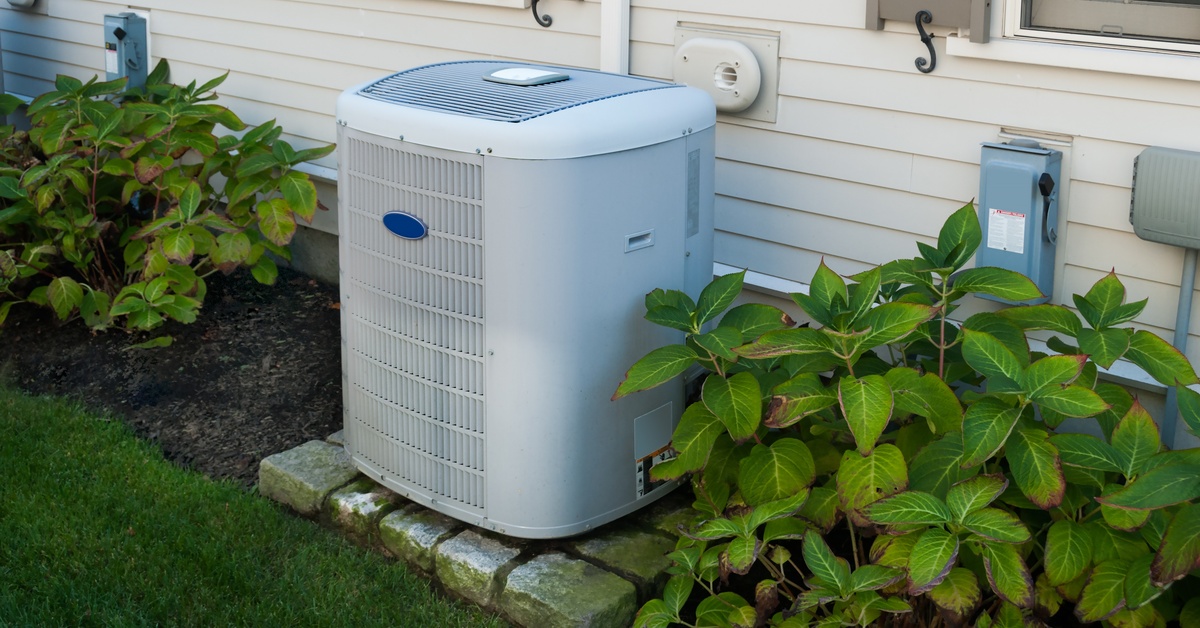
Many homeowners know the outdoor unit, thermostat, and furnace, yet fewer know the job of an air handler. What is an air handler, and when do you need one? An air handler sits indoors and moves conditioned air through your ductwork. The cabinet usually holds a blower, filter, evaporator coil, and electrical controls.
Together, these parts create steady airflow, cleaner air, and balanced comfort throughout the home. We’ll explain how the air handler drives airflow, humidity, control, and efficiency, along with practical signs your system needs attention.
What an Air Handler Does
An air handler circulates air throughout your home after cooling or heating occurs. During the cooling season, warm indoor air passes over the indoor coil, where heat is removed, and the blower sends cooled air back through the ducts. In many ducted heat pump systems, the air handler works with the outdoor unit as part of one matched system. Strong airflow from the blower helps rooms feel even, stable, and comfortable from floor to floor.
Air handlers also support indoor air quality and moisture control. The filter captures airborne particles before the air is returned to living spaces. Some systems also connect with humidifiers, energy recovery ventilators, or auxiliary heat, depending on the design.
Air Handler vs. Furnace
Homeowners often mix up an air handler and a furnace because both move air through ducts. The difference starts with how each system handles heating. A furnace creates heat, often with gas or oil, then pushes warm air through the home. An air handler primarily moves air and is typically paired with a heat pump or an air conditioner.
That distinction matters when you plan repairs or replacement. A home with a central air conditioner and gas furnace usually uses the furnace blower for air movement. A home with an all-electric heat pump often relies on an air handler instead. In other words, the system type drives the equipment choice. That is why a proper inspection is necessary before any recommendation is made.
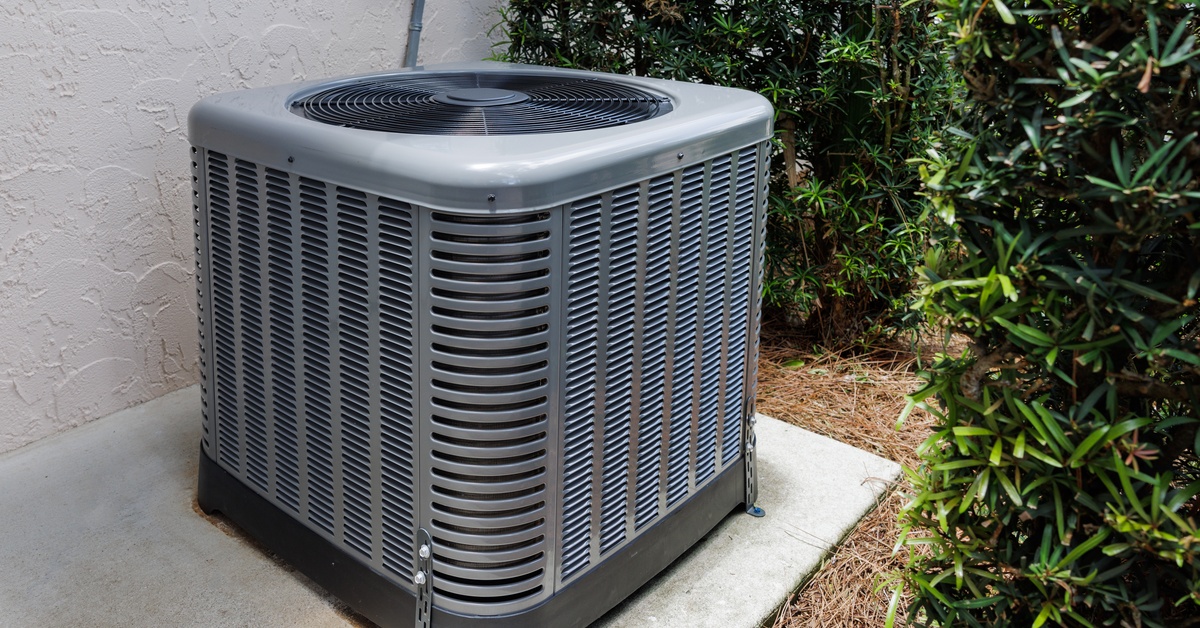
Main Parts Inside an Air Handler
The blower motor does most of the visible work because airflow problems are noticeable quickly in daily comfort. When blower speed drops or the motor struggles, rooms feel stuffy, and supply vents lose force. The evaporator coil also plays a major role, as cooling depends on heat transfer across it. Dirt on the coil or low airflow across it often leads to weak performance and increased strain on the system.
The filter protects both air quality and equipment health. A clogged filter chokes airflow, raises stress on moving parts, and reduces comfort throughout the house. Electrical components, drain lines, and control boards also deserve attention during maintenance visits. When a single part slips, comfort problems often spread throughout the whole system.
When You Need an Air Handler
You need an air handler when your system design requires one. Many ducted heat pump systems use an air handler as the indoor unit because they depend on blower-driven air movement and the performance of the indoor coil. Some all-electric upgrades also replace a furnace with an air handler and keep or adapt existing ductwork. That option appeals to homeowners who want a ducted solution without a traditional combustion-based heating setup.
You might also need an air handler during a major system replacement. If your current indoor equipment no longer matches a new outdoor heat pump, replacement often resolves airflow and compatibility problems. When you own an older home with uneven temperatures, aging ducts, or repeated repair calls, you often benefit from a complete indoor equipment review.
Signs Your Air Handler Needs Attention
Several warning signs indicate air handler trouble before a full breakdown. Weak airflow at vents often tops the list because homeowners quickly notice a loss of comfort. Rattling, buzzing, or grinding noises signal trouble inside the cabinet. Blowers, filters, or controls that perform poorly create uneven room temperatures.
You should never ignore higher energy bills, especially when no major weather shift explains the increase. Although these symptoms do not always require a full replacement, you should call a professional for inspection.
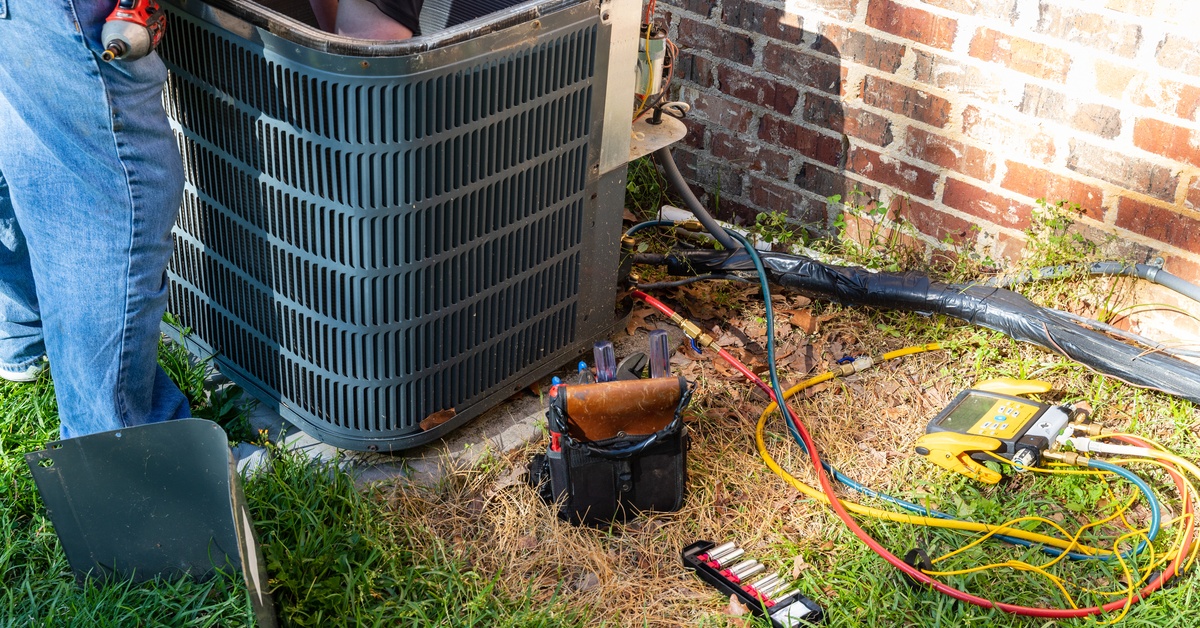
Maintenance Steps That Help
Routine maintenance keeps an air handler working more reliably through the year. Filter changes rank high because a dirty filter causes avoidable airflow loss. For most homes, change the air filter every one to three months, though this can vary depending on your system, home environment, and whether you have pets or allergies.
Seasonal service also gives technicians a chance to inspect the blower, clean components, check the drain function, and verify controls. Those steps support comfort, system life, and steadier operation during hot and cold weather.
Homeowners benefit most when maintenance stays simple and consistent:
- Change filters on schedule
- Keep vents open and unobstructed.
- Watch for new noises or weaker airflow.
- Schedule service before peak season
- Ask about airflow and duct performance during inspections.
These habits help you find small issues before you face larger repair bills.
Should You Repair or Replace?
Repair often makes sense when the issue involves a serviceable part, and the rest of the system still performs well. A worn capacitor, a clogged drain, a dirty coil, or a neglected filter may not always warrant a full replacement. In most cases, repair is less expensive than full replacement, making it an appealing option for newer or well-maintained systems.
However, keep in mind that older systems may need frequent repairs or use outdated parts, and these ongoing costs can add up over time. Age, repair history, and overall system match matter more than one isolated symptom. Ask a trusted HVAC professional to review the indoor and outdoor units, airflow, and ductwork before deciding!
Replacement looks more attractive when comfort problems return, or equipment mismatch drags performance down. Older homes often accumulate layers of HVAC updates from different decades, and those mixed systems rarely operate at peak efficiency. A properly matched ducted heat pump and air handler setup provides a cleaner path in many cases. Your home, your current equipment, and your comfort goals determine the right answer.
What Homeowners Should Keep in Mind
An air handler may not be the star in the system, but your daily comfort relies on what happens inside that cabinet. When airflow drops, you notice uneven rooms, rising energy use, and increasing strain. By understanding what an air handler does and when to use one, you can spot problems earlier and make better decisions for your home. If you see weak airflow, new noises, rising bills, or uneven temperatures, schedule an air handler inspection as soon as possible.
For W.F. Smith, we value clear communication as much as equipment quality. Many homeowners in older homes do not want more jargon or vague recommendations. They want clear answers. If you notice weak airflow, uneven temperatures, or have questions about how your current system fits your home, schedule a professional evaluation. If you need heat pump installers in Philadelphia, contact us! Our experienced team will help you choose the best solution for your home.

W.F. Smith was great. They worked very professionally and neatly. They were extremely knowledgeable about the equipment and all specific HVAC practices. Would recommend them to the world!