
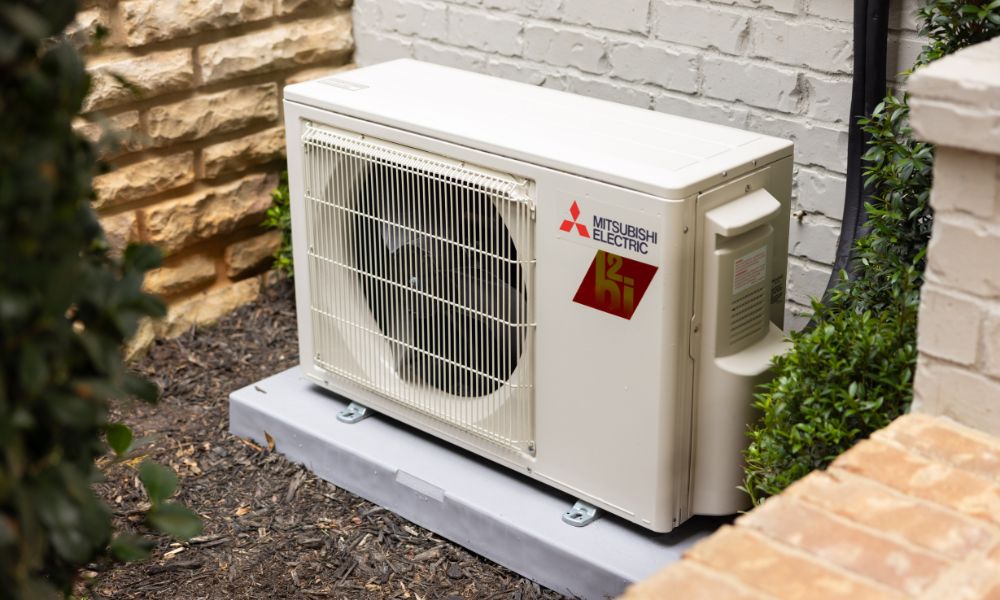
Why You Should Replace Your Gas Furnace With a Heat Pump

Why You Should Replace Your Gas Furnace With a Heat Pump

Heat pumps continue to gain popularity as a clean energy solution for residential heating, marking a significant departure from the reliance on fossil fuels. These pumps operate by transferring heat from the outside air or ground into your home, requiring substantially less energy compared to conventional heating methods.

This technology not only aligns with global efforts to reduce carbon emissions but is also a forward-thinking investment in the sustainability of your home. Understanding why you should replace your gas furnace with a heat pump will help you create a more comfortable living environment while contributing to a greener planet.

Enhanced Efficiency

One of the most compelling reasons to choose a heat pump over a traditional gas furnace is the significant improvement in energy efficiency. The pump’s main process of transferring heat from the outside air consumes notably less energy than generating heat by burning fuel. This efficiency not only translates to lower energy bills but also minimizes your household’s carbon footprint, making it a more sustainable choice for the environmentally conscious homeowner.

Versatility and Convenience

A distinct advantage of heat pumps is their versatility. Unlike gas furnaces that only provide heating, heat pumps can both heat and cool your home, making them a versatile all-in-one system for year-round comfort. This dual functionality can eliminate the need for separate systems, saving space and simplifying home climate control.

Cost-Effectiveness

The upfront cost of purchasing and installing a heat pump might seem higher than that of a gas furnace. However, heat pumps’ improved energy efficiency means lower utility bills, which can lead to substantial savings over time. It’s important to consult professional heat pump installation services to get an accurate estimate of the costs and potential savings associated with implementing this system in your home.

Improved Air Quality

Heat pumps can also contribute to better indoor air quality. Since heat pumps don’t rely on combustion to generate heat, there’s no risk of carbon monoxide leakage or the emission of other harmful combustion by-products into your home. Heat pumps circulate and filter the air as they operate, reducing dust, allergens, and humidity levels indoors.

Environmentally Friendly

Replacing your gas furnace with a heat pump can have a positive impact on the environment. As previously mentioned, the reduced energy consumption and absence of combustion in heat pumps lead to lower greenhouse gas emissions, contributing to the global effort to combat climate change. With the ongoing advancements in renewable energy, electricity is becoming an increasingly cleaner power source, enhancing the environmental benefits of choosing an electrically powered heat pump.

Replacing your gas furnace with a heat pump offers numerous benefits, including enhanced energy efficiency, cost savings, versatility, improved air quality, and environmental sustainability. Doing so is not just a step toward more efficient heating and cooling; it’s a move toward a more sustainable and responsible way of living.
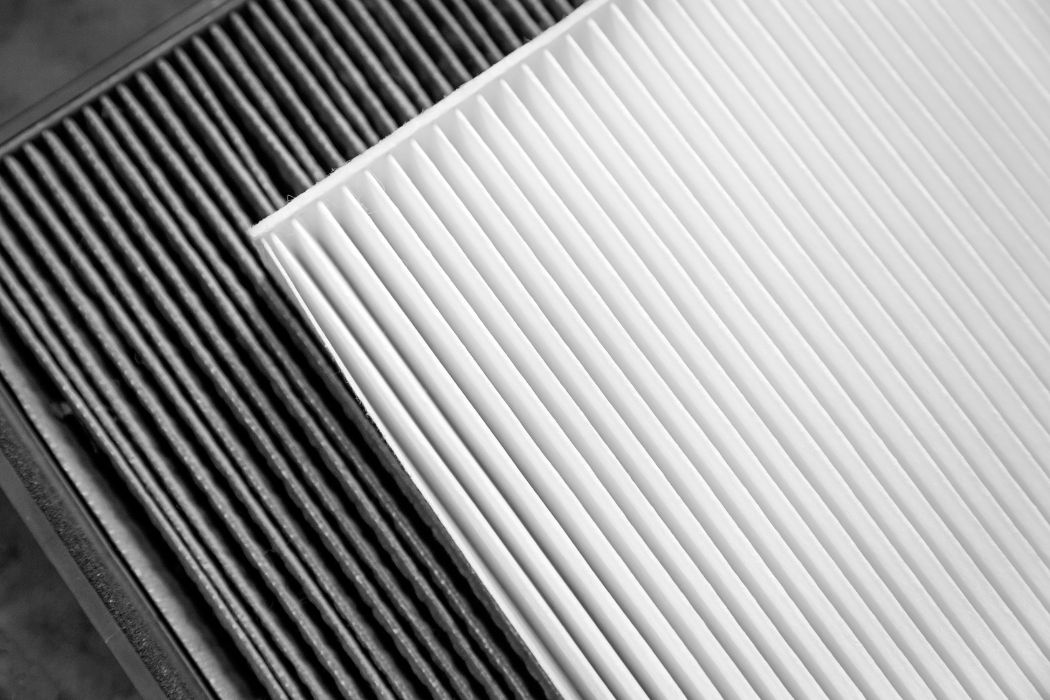
5 Reasons To Replace Your Air Filters Constantly

A clean and efficient HVAC (heating, ventilation, and air conditioning) system is the foundation of comfort in most homes, particularly in areas that experience extreme weather conditions. Filters play an important role in your HVAC system’s functionality, and neglecting them could cause issues within the system.

HVAC filters are the gatekeepers of your home’s air quality, influencing everything from allergen levels to the efficiency of airflow through your heating and cooling system. Learning five reasons to replace your air filters constantly will help you clean up the very air you breathe.

Improving HVAC Efficiency

When dirt and debris clog air filters, your HVAC system has to work harder to circulate air. This leads to increased energy consumption and strains the system, potentially causing it to overheat or fail. Installing a fresh filter means air can flow freely, reducing the system’s energy usage and prolonging its life.

Lowering Energy Costs

The efficiency of your HVAC system directly relates to your monthly energy bills. A dirty filter that impairs airflow forces the system to expend more energy to maintain your desired temperature settings. By regularly replacing your air filters, your HVAC system operates at peak efficiency, which translates to cost savings on your energy bills. This investment pays off in the long run.

Enhancing Air Quality

Better air quality at home is one of the most immediate benefits of replacing your HVAC’s air filters. Clean filters trap pollutants, such as dust, pollen, and pet dander, and prevent them from circulating throughout your dwelling. Various factors affect your home’s indoor air quality and can cause allergic reactions and respiratory issues. By frequently changing your air filters, you guarantee the air in your home remains clean and healthy for all family members.

Extending HVAC System Life

One of the most common reasons HVAC systems fail prematurely is because of a dirty air filter. Over time, the strain on the system can lead to wear and tear on its components, resulting in poor performance and malfunctions. Regular filter replacement can extend the life of your HVAC system, ensuring it heats and cools your home effectively all year.

Supporting a Healthier Environment

Regularly replacing HVAC air filters has a positive impact on the environment! With improved efficiency and lower energy consumption, your HVAC system’s demands less power. By consuming less energy, you contribute to reduced demand from power plants. This small change has big benefits!

Regularly changing your air filters is important because it offers significant benefits for your health, comfort, finances, and the environment. Make a habit of checking and replacing your air filters as needed to ensure your home remains a sanctuary of clean air.

What You Should Know About the Furnace Installation Process

What You Should Know About the Furnace Installation Process

When the chill of winter begins to creep through your home, having a reliable heating system is essential to enhance the quality of your space. A critical component of this system is the furnace, which offers refuge from the cold with its warmth and comfort.

Those considering a new furnace will find the installation process to be a complex but manageable endeavor, especially with the different types available. This guide on what you should know about the furnace installation process will ensure a smooth transition to your new heating system.

Choosing the Right Furnace

The initial step in the furnace installation process is selecting an appropriate model for your home. This involves considering the size of your house, your climate, energy efficiency ratings, and your budget. Consulting with professionals to make an informed decision is vital since the right furnace will provide maximum efficiency and comfort for years to come.

Preparing for Installation

Once you select the perfect furnace, preparing your home for installation is the next step. Ensure the area around your current furnace is clear. This involves removing any flammable materials and ensuring there is enough space for technicians to work safely. You might also need to assess your home’s electrical and gas lines to make sure they can accommodate your new system’s requirements.

The Installation Process

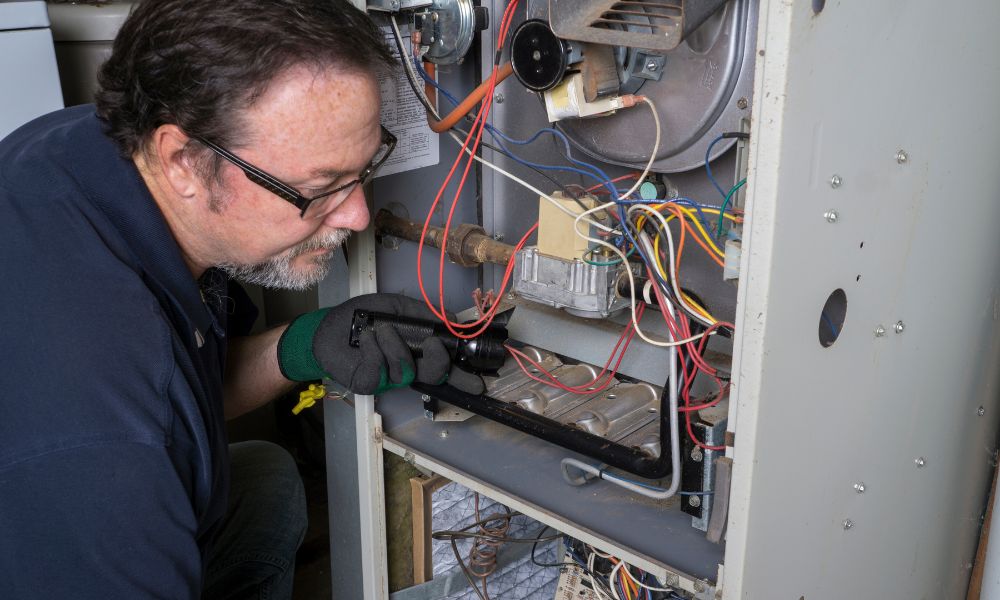
Professional furnace installation services are essential to safely and correctly installing your new heating system. Skilled technicians will handle the removal of your old furnace, taking care to dispose of it following local regulations. They will then install your new furnace, connect it to existing ductwork, electrical supplies, and gas lines, and ensure everything functions correctly with proper sealing.

Testing and Quality Assurance

After the physical installation comes a thorough testing phase. Technicians will run the system, monitor its operation, check for leaks or irregular noises, and verify that the thermostat is communicating effectively with the new furnace. This phase is critical to confirm that your new heating system operates safely and efficiently.

Maintenance and Care

Understanding the maintenance practices required to keep your furnace in peak condition is crucial. This typically includes replacing filters regularly, scheduling annual inspections, and being attentive to unusual burning smells or sounds like bangs, knocks, or booms because these indicate problems. Proper care extends the life of your furnace and helps maintain its efficiency.

The process of installing a new furnace in your home requires attention to detail, careful planning, professional assistance, and ongoing maintenance. By gaining knowledge about each step of the process, you can ensure your home remains a warm sanctuary throughout the coldest months.