A Quick Guide to Heat Pump Sizes and Your Home

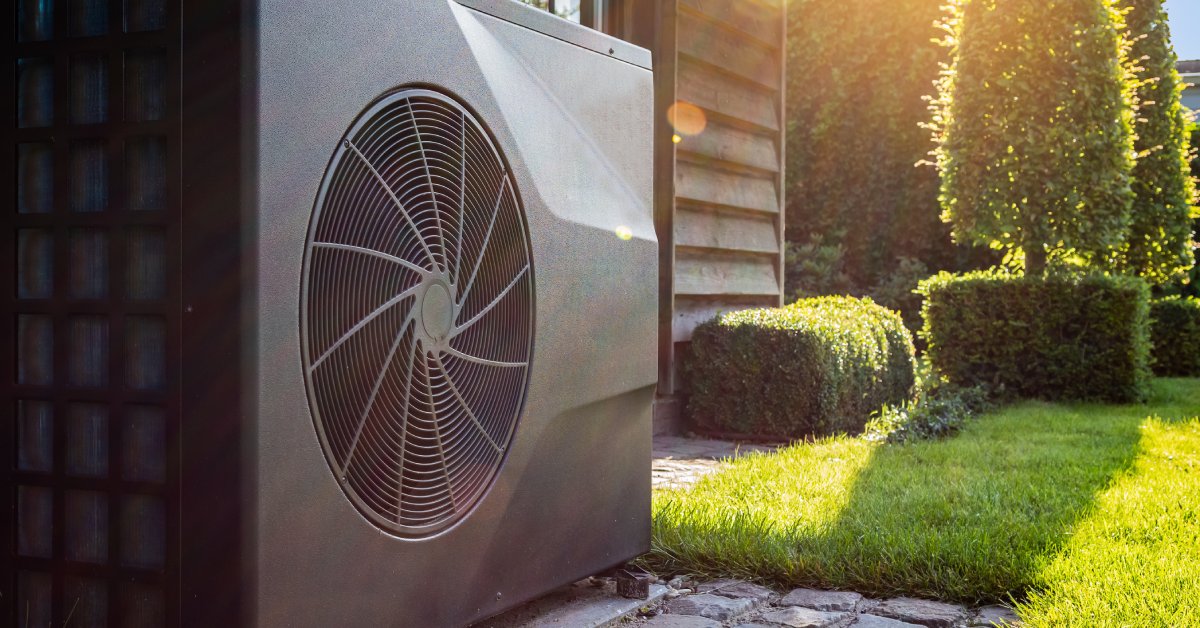
A heat pump with a dark gray exterior stands outside a home with the rays of the sun shining on it and the shrubs around it.

Heat pumps are innovative devices that provide heating and cooling for your home, making them energy-efficient additions. However, before you enjoy its benefits, you’ll need to find the perfect size for your home. Here’s a quick guide to heat pump sizes and your home so you can find the best option that keeps the interior at a comfortable temperature.

The Importance of Choosing the Right Size

Selecting the right heat pump size helps you optimize energy efficiency at home. An undersized heat pump will use more energy to maintain a consistent temperature, leading to insufficient heating and cooling.

Conversely, an oversized unit will turn on and off too frequently, shortening its cycle and reducing its capability to fully heat or cool all the rooms in the house. Proper sizing ensures your heat pump operates efficiently while providing maximum comfort.

Common Heat Pump Sizes

Heat pumps come in various sizes, typically measured in tons or British thermal units (BTUs). Common sizes range from 1.5 to 5 tons (or about 18,000 to 60,000 BTUs) and suit different home sizes and needs. For instance, a 1.5-ton unit may be ideal for a relatively small home, while a 5-ton unit would accommodate a large home with multiple levels. Understanding these options helps you choose a heat pump that aligns with your home’s requirements and effectively heats and cools throughout the year.

Factors Affecting Heat Pump Sizing

Numerous factors come into play when determining the appropriate size for your heat pump. The Manual J calculation, a comprehensive method developed by the Air Conditioning Contractors of America (ACCA), provides a detailed approach to sizing a heat pump.

The following factors are considered in the Manual J calculation:

  • Square footage of your home
  • The climate in your area
  • The level of insulation
  • The number and type of windows
  • The occupancy level
  • The home’s orientation to the sun
  • Air infiltration rates

The Sizing Process

Determining the ideal heat pump size for your home involves a few steps. While it’s possible to conduct a Manual J load calculation to assess your home’s heating and cooling needs on your own, it is highly recommended to contact an experienced HVAC contractor, like W.F. Smith, to perform this task. Professionals use special software to perform the calculations and have years of experience to ensure an accurate result.

With this information, a professional HVAC contractor, like W.F. Smith, can interpret the results and recommend the best heat pump size for your home. Our professional heat pump installers have the expertise to help you select a system that matches your home’s needs.

Heat pump sizes and your home influence each other in many ways, and finding the right fit ensures you feel comfortable in your space. Use this guide to factor in your Manual J calculations and understand how to determine the ideal heat pump size. Your effort will be worth it as your home’s climate control pays dividends in comfort and savings for years.
Top 5 Air Conditioner Problems Homeowners Face

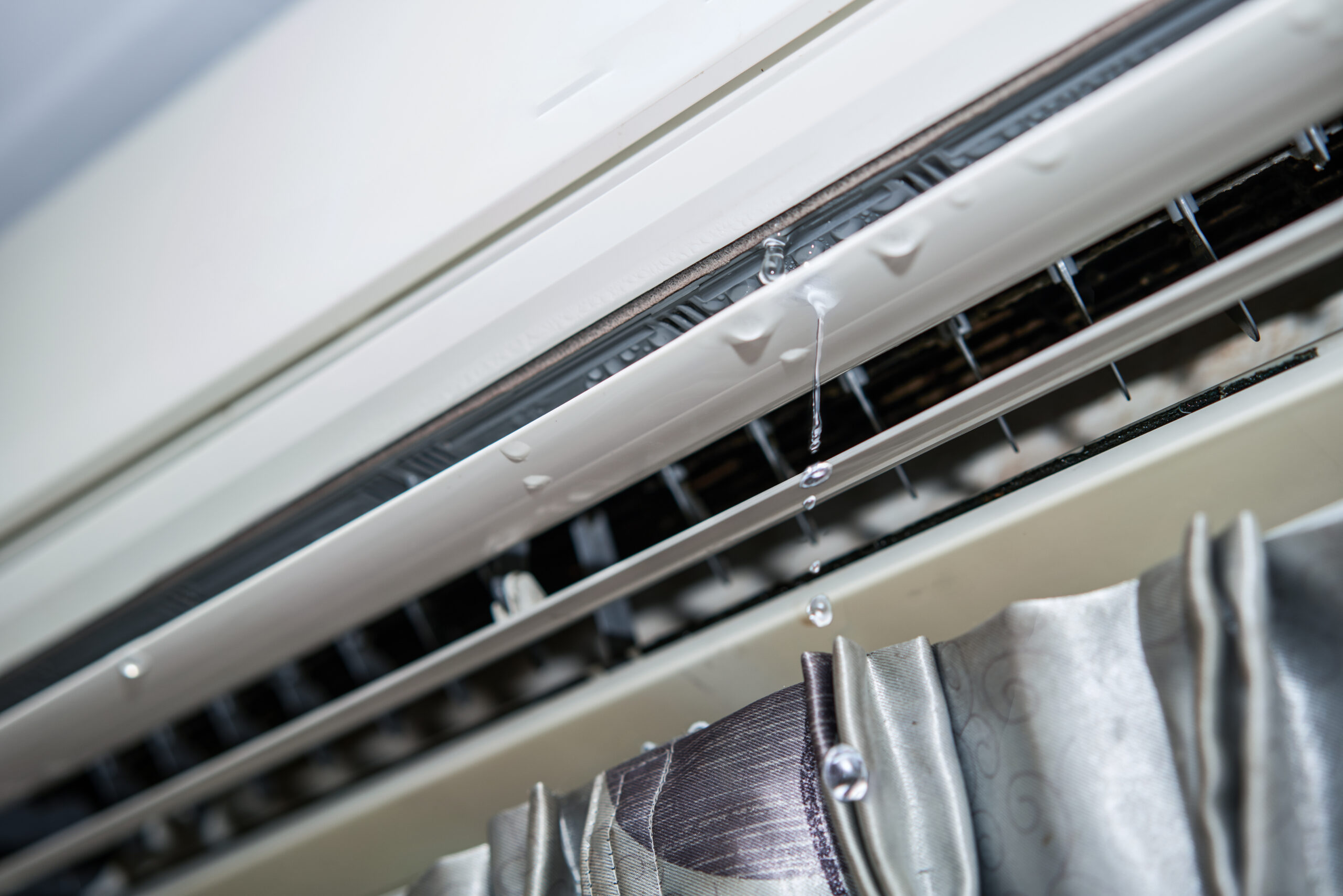
A close-up of a ductless air conditioning unit above a curtain with droplets of refrigerant leaking from the vents.

Air conditioners are essential appliances that keep our homes cool and comfortable, especially during the hot summer months. However, like any other mechanical system, they encounter problems that disrupt their functionality, and understanding these issues helps homeowners identify and address them promptly, ensuring their AC unit operates efficiently. Discover the top air conditioner problems that homeowners face, and learn how to avoid or resolve them.

1. Poor Airflow

Poor AC airflow is a common issue for many homeowners. This problem manifests as weak airflow from the vents, making it challenging to cool the space effectively.

Several factors contribute to poor airflow, including clogged air filters, blocked ducts, or issues with the blower motor. Regularly clean or replace air filters, ensure unobstructed vents, and schedule professional maintenance to thoroughly inspect the system.

2. Refrigerant Leaks

Another common issue that homeowners may encounter is refrigerant leaks in their air conditioning units. Refrigerant plays a crucial role in the cooling process, and low levels result in decreased cooling performance and increased energy consumption.

Detecting refrigerant leaks requires professional expertise, as handling refrigerant is hazardous. Look for signs of reduced cooling capacity, hissing noises, or ice buildup on the refrigerant lines, and promptly contact the HVAC professionals at W.F. Smith for services such as ductless AC repair. Our experts have the skills and knowledge to find and repair refrigerant leaks.

3. Thermostat Problems

Issues with the thermostat significantly impact the efficiency of an air conditioning system. Incorrect temperature readings, unresponsiveness, or erratic cycling indicate a malfunctioning thermostat.

Calibrating or replacing the thermostat, checking that it’s away from heat sources, and ensuring you set it correctly help resolve these issues. Smart thermostats offer added convenience and control, allowing homeowners to optimize their cooling settings for comfort and energy savings.

4. Frozen Evaporator Coils

Frozen evaporator coils are a common issue resulting from restricted airflow, low refrigerant levels, or dirty coils. When the evaporator coils freeze, the AC unit may blow warm air or fail to cool the space adequately.

Turn off the system to defrost the coils, check for airflow obstructions, clean the coils, and address refrigerant issues. Keep up with maintenance by periodically cleaning coils and checking refrigerant levels to prevent this recurring problem.

5. Electrical Component Failures

Electrical component failures, such as malfunctioning capacitors, worn-out contactors, or faulty wiring, disrupt the operation of an air conditioning system. These issues may cause the unit to cycle frequently, produce unusual noises, or fail to start altogether. Homeowners should refrain from attempting DIY repairs on electrical components due to safety risks and instead rely on our licensed HVAC technicians to diagnose and resolve these issues promptly.

Being aware of the common air conditioner problems that homeowners face is instrumental in maintaining a comfortable indoor environment. By addressing these challenges proactively, you’ll enjoy reliable cooling performance and energy efficiency throughout the year.

The Importance of Proper Heat Pump Installation

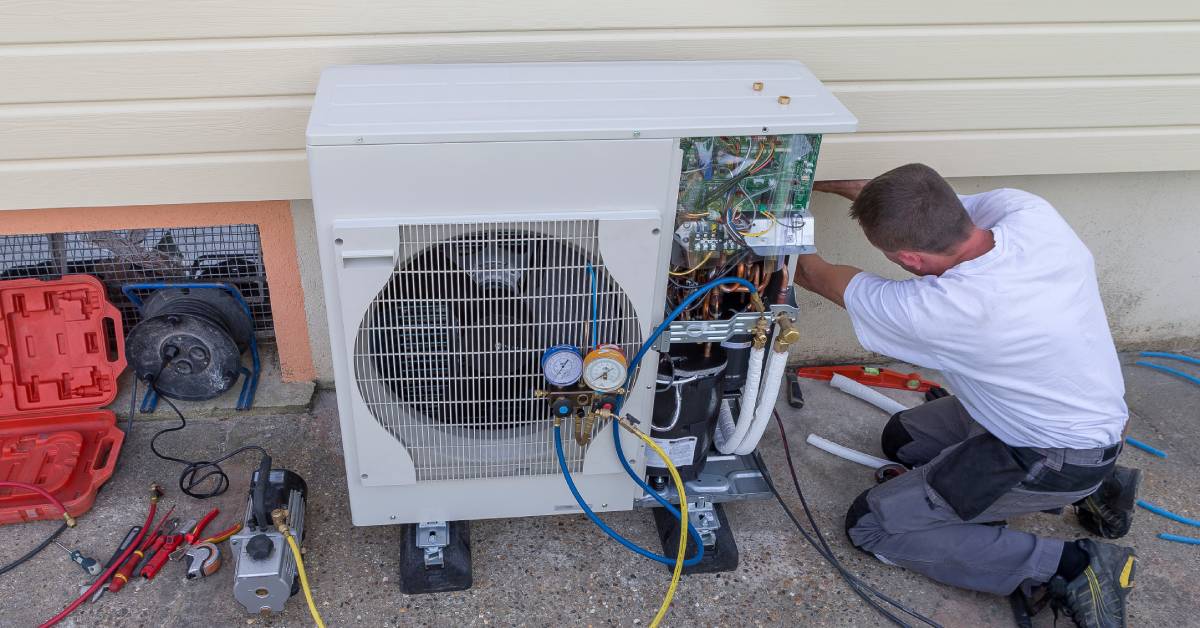
A man works on the installation of a heat pump using various tools to measure and wire the unit outside someone's home.

Heat pumps serve the dual purpose of heating during the winter and cooling during the summer, making them a versatile addition to any home. However, a heat pump’s installation significantly affects its efficiency and effectiveness. Therefore, it requires proper technique. Discover the importance of proper heat pump installation and how it affects your home in the long run.

Signs of Inadequate Installation

Several indicators suggest the incorrect installation of a heat pump. One of the most telling signs is excessive utility bills. An improperly installed heat pump consumes more energy than necessary, leading to higher operational costs.

You may notice certain rooms are too hot while others are too cold, resulting from uneven heat distribution due to improper airflow. Additionally, if your heat pump needs frequent repairs, the system will likely struggle to function efficiently and experience undue wear and tear.

Benefits of Proper Heat Pump Installation

When installed correctly, a heat pump offers numerous benefits. A well-installed heat pump operates more effectively, using less energy to provide the same comfort level. This translates to lower utility bills.

Improved home comfort is another benefit, as proper installation ensures even heating and cooling distribution, eliminating those hot and cold spots. Additionally, a correctly installed heat pump will have a longer lifespan, reducing the need for frequent repairs and replacements and saving you money on repairs and potential replacements.

The Installation Process

The installation process is critical and requires a professional to ensure optimal performance. Professional installers follow a series of steps to guarantee the heat pump has the best setup.

This process typically includes assessing the home’s heating and cooling needs using the Manual J Load Calculation, which involves the physical aspects of your home, such as its dimensions and construction materials. Selecting an appropriately sized unit based on this calculation is the next step. This ensures that the ductwork and other components are compatible and properly connected.

Correctly sealing and insulating the installation area is vital to prevent energy loss. These steps ensure the heat pump operates at its highest efficiency from day one.

Choosing the Right Contractor

Picking the right contractor for your heat pump installation is paramount. At W.F. Smith, our team hasextensive experience with HVAC systems and ensure that all heat pump installations run smoothly. We have many positive reviews and references from previous clients, so you can feel as confident as we do that our work results in a job well done.

As experienced, certified contractors, we have the expertise to install your heat pump correctly, ensuring you reap all the benefits of your investment while avoiding common pitfalls associated with poor installation.

Properly installing a heat pump is important for maximizing its efficiency, comfort, and lifespan. You should think about these factors when considering a heat pump installation or replacement. Understanding the signs of inadequate installation will help you keep your home comfortable and energy efficient for years.

Tips for Getting Your Air Conditioner Ready for Summer

The anticipation of summer brings with it a mixture of excitement and preparation for that type of weather. While visions of sunny skies and outdoor adventures are appealing, facing the intense heat requires some forethought and action—especially when it comes to creating a comfortable indoor environment.

The heart of ensuring a cool and serene home environment lies in the effective functioning of your air conditioning system. Neglecting the health of your AC system can lead to inefficiency, increased energy bills, and the trouble of high temperatures. Implementing these tips for getting your air conditioner ready for summer will ensure it operates efficiently and cost-effectively, providing a tranquil and cool sanctuary.

Check and Clean the Condenser Unit

The outdoor condenser unit plays a crucial role in the efficient operation of your air conditioning system. It expels heat from your home to the outside, and when it’s full of leaves, dirt, or debris, it can’t perform well. Start by cutting back any vegetation or shrubs to allow at least two feet of clearance around the unit.

Ensure Proper Insulation and Sealing

Efficient cooling isn’t just about the air conditioning unit itself; it’s also about how well your home retains the cool air it produces. Check the insulation in your attic, walls, and around ductwork to ensure it’s adequate. Look for any drafts around doors and windows, and seal them to prevent cool air from escaping. This measure will not only improve your home’s cooling efficiency but also reduce energy costs.

Schedule Professional Maintenance

While you can undertake several tasks yourself, professional maintenance by certified AC installation contractors ensures a thorough examination and tuning of your air conditioners. Experts will check coolant levels and the electrical system and ensure all components are in good working order. Identifying potential issues before they escalate will ensure your system operates at peak efficiency. They will also suggest when it is time to upgrade your system and ensure you get the most out of your investment.

Clean or Replace the Air Filters

One of the simplest yet most effective tips to enhance the performance of your air conditioning system is to clean or replace its air filters. Over time, filters accumulate dust, pet dander, and other airborne particles, impairing airflow and reducing the system’s efficiency. By cleaning or changing the air filters every month during high-usage periods, you ensure better air quality indoors and reduce the workload on your AC, which can prolong its lifespan.

Upgrade Your Thermostat

If you haven’t already, consider upgrading to a programmable or smart thermostat. These devices can significantly improve the efficiency of your air conditioning by allowing you to set different temperatures throughout the day automatically, ensuring your home is cool. With features allowing remote control via smartphone apps, managing your home’s climate has never been more convenient.

Taking proactive steps to maintain and optimize your AC enhances your comfort during the warmer months while extending the life of your system and reducing energy bills. Don’t wait for the first heatwave to realize your air conditioner isn’t up to the task. Start preparing now and enjoy a comfortably cool home all summer long.

Central vs. Ductless AC: Which Is Right for Your Home?

Central vs. Ductless AC: Which Is Right for Your Home?

In your quest to create a comfortable living space, especially in areas prone to extreme temperatures, you must carefully weigh your AC options. The introduction of ductless air conditioning systems into the market has sparked a significant transformation in efficiency, cost, and environmental impact compared to traditional central air units.

Understanding the distinctions between central and ductless AC systems is crucial in determining which is right for your home. Deciding on the right air conditioning solution ensures that your choice not only cools your home effectively but also complements your lifestyle.

Central Air Conditioning

One of the primary benefits of central air conditioning systems is their ability to cool multiple rooms or an entire house uniformly and discreetly. The central unit, usually located outside the home, works by extracting hot air from inside the house, cooling it through a refrigeration cycle, and then pushing the cooled air back through the ducts and vents placed in various rooms. This ensures a consistent temperature throughout the home, enhancing comfort levels for all occupants.

Ductless AC Systems

Ductless air conditioning, or mini-split systems, consist of an outdoor compressor unit and one or more indoor air handling units connected by a small conduit. These systems are highly flexible, allowing for precise temperature control in individual rooms or zones. Ductless systems are especially suitable for homes without existing ductwork, offering an efficient and less invasive installation process.

Installation Differences

One of the most significant differences between these two systems is the installation process. Central AC systems often require extensive ductwork placement, which can be invasive and costly. Ductless systems, which are installed with the help of professional mini-split installers, require only a small hole in the wall for the conduit, making the process less disruptive.

Energy Efficiency and Cost

When it comes to energy efficiency, ductless mini-split systems often have the upper hand. Without the energy losses associated with ductwork, ductless AC can provide more efficient cooling, particularly in well-insulated homes or specific zones. Central AC systems, while potentially less efficient due to ductwork losses, may have a lower initial cost for homes already equipped with ducts.

Which Is Right for Your Home?

Deciding whether a central or ductless AC system is right for your home depends on several factors, including the size of your living space and existing infrastructure. For a large house with existing ductwork, a central AC system might offer a straightforward cooling solution. For houses without ductwork or those seeking flexible cooling options for different zones or additions, ductless AC provides an efficient and less invasive alternative.

Both central and ductless air conditioning systems have their place in modern homes. Your choice will hinge on your home’s structure, your budget, and your cooling needs. Consult a professional HVAC technician, like those on our team at W.F. Smith, who can provide personalized advice and help ensure that you make the best decision for your comfort and home cooling efficiency.