
How To Finance a New HVAC System Without Breaking the Bank

A person's left hand is reaching out to touch a black, modern, circular thermostat that reads "74."

When it’s time to replace or install a new HVAC system, the cost can feel intimidating. Homeowners often face the challenge of balancing comfort and affordability, especially when temperatures or indoor air quality are less than ideal. Luckily, you can finance a new HVAC system without breaking the bank and keep your home comfortable.

Budget Planning for a Big Purchase

Before exploring financing options, take a step back and assess your budget. A clear understanding of your current finances will help you determine how much you can afford.

Start by reviewing your monthly income and expenses. Pinpoint areas where you can cut back temporarily to allocate funds for an HVAC investment. Building a realistic budget ensures that you can cover ongoing payments, should you choose a financing option, while accommodating your other financial obligations. Knowing your financial baseline will also help you approach lenders or financing programs with confidence.

Exploring HVAC Manufacturer Promotions

Many HVAC manufacturers partner with dealers to offer limited-time promotions or rebates when installing a new system. These offers may include zero-interest financing options, deferred payments, or discounts on high-efficiency models. Reaching out to local dealers or visiting manufacturer websites can reveal special promotions that lower upfront costs.

These incentives sometimes include energy-efficient models, meaning you might save on energy bills over time. Opting to combine promotional offers with energy savings makes upgrading to a new system both affordable and environmentally friendly.
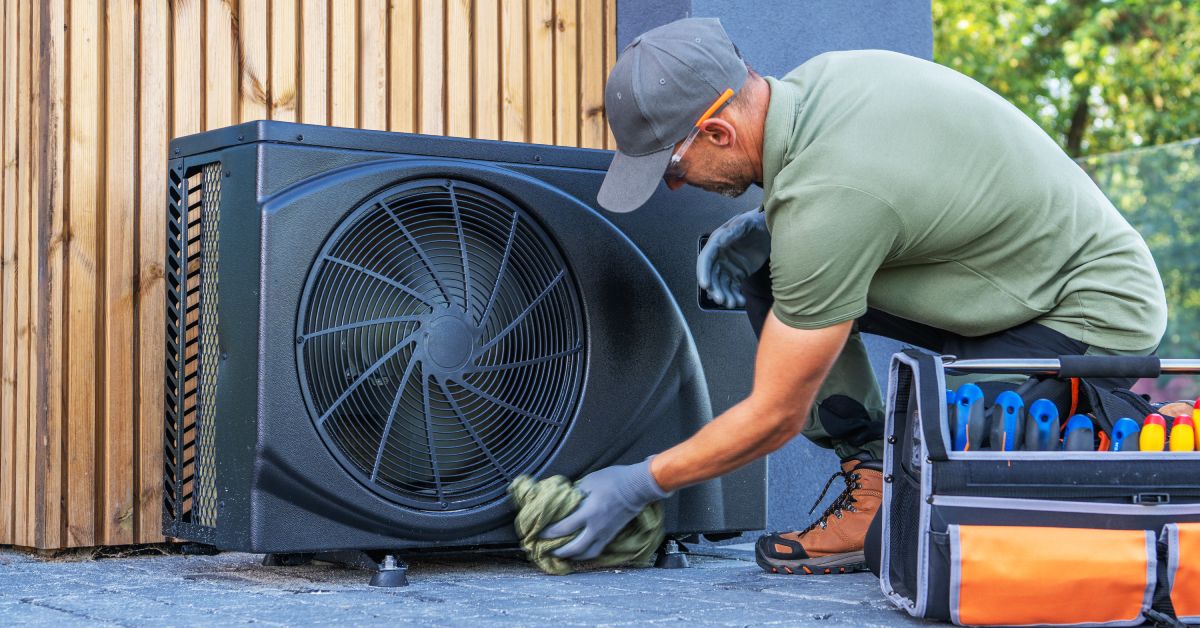
A technician wearing blue gloves, a grey hat, and a green shirt is wiping down a black HVAC system outside.

Tapping Into Utility Company Programs

Another potential avenue for easing the burden of financing a new HVAC system is to check with your local utility provider. Many utility companies offer programs to encourage customers to upgrade to energy-efficient heating and cooling systems. These programs might include rebates, low-interest loans, or special payment arrangements. These offers are designed to save energy and provide relief for households. Contact your utility provider or browse their online resources to uncover opportunities where you may be eligible to reduce the financial strain of a new HVAC system.

HVAC Dealer Financing Plans

Most HVAC dealers offer customized financing options for customers who wish to spread the cost of a new system over several months or years. Dealer financing plans are convenient because you can arrange them at the same time you select your system. These plans typically include varying interest rates, payment terms, and approval requirements.

Before you decide, research different pricing and manufacturers, and don’t be afraid to ask for a quote during the inspection. Remember to read the fine print, including interest rates and potential fees, to avoid surprises. Working with a reputable HVAC provider ensures you’re getting a fair deal and quality service in the process.

Are you looking for reliable and trustworthy residential HVAC contractors? Look no further than W.F. Smith, Inc.! We offer competitive pricing without compromising on the quality of our work so that your home stays comfortable year-round.

Considering Home Equity Options

Homeowners may have access to home equity options, such as a home equity loan or a line of credit, also known as a HELOC. These options allow you to borrow against the equity you’ve built in your home, often at lower interest rates than other types of personal loans.

Using home equity is an effective way to finance a large purchase, such as an HVAC system. However, it’s essential to proceed cautiously, as your home is collateral for the loan.

A person's hand is holding a credit card while the other hand is typing on the keyboard of a laptop.

Credit Cards as a Short-Term Solution

While credit cards aren’t the first choice for financing a new HVAC system, they can be viable under certain conditions. Some credit cards offer introductory zero-interest periods, which you can take advantage of if you are confident that you can pay off the balance within the promotional timeframe. If you opt to use a credit card, prioritize those payments to prevent the potential for high-interest debt. A quick discussion with your HVAC dealer about estimated costs will ensure you don’t exceed your available credit limit.

Government and Nonprofit Assistance

For homeowners facing financial challenges, exploring government and nonprofit assistance programs can ease the burden of an HVAC upgrade. The Low-Income Home Energy Assistance Program (LIHEAP) in the United States provides financial aid to qualifying households in need of essential heating and cooling upgrades.

Additionally, nonprofit organizations sometimes collaborate with communities to provide resources or grants for energy-efficient home improvements. It’s worth researching the options available in your area to determine if you qualify for these programs.

Saving Through Preventative Measures

If you’re not in immediate need of a new HVAC system but anticipate a replacement in the future, building a savings plan now can spare you from financial stress down the line. Set aside a portion of your monthly budget in an HVAC savings fund. Taking a proactive approach offers greater flexibility, enabling you to cover a larger portion of the cost upfront and potentially avoid financing altogether.

Take steps to maintain your current system in the meantime, as regular upkeep can extend its lifespan until you are financially ready for an upgrade. Small measures, such as regularly changing filters or scheduling routine maintenance, can delay the need for a replacement.

Making the Right Choice for Your Situation

When financing a new HVAC system, the best choice will depend on your financial situation, priorities, and needs. Evaluate options such as dealer financing, utility programs, or home equity loans to make an informed decision that works for your circumstances. By exploring the various tools and resources available, you can maintain financial stability while investing in a new HVAC system.

Create Comfort Without Financial Stress

Replacing your HVAC system doesn’t have to wreak havoc on your finances. With the variety of financing options and resources available today, it’s easier than ever to make a smart investment in your home’s comfort and efficiency. Take the time to explore the alternatives that align with your budget, and rest assured that a cozy, well-heated, or cooled home is within reach. If you’re ready to take the next step, begin your research today and finance a new HVAC system without breaking the bank.

Are Residential Mini-Splits Efficient and Eco-Friendly?

A woman meditates cross-legged on a bed. An AC, wooden bedside table, and hanging plants surround her.

When it comes to maintaining a comfortable home environment while keeping energy consumption in check, many homeowners turn to mini-split systems. These residential heating and cooling units have gained popularity over the years, often recognized for their efficiency, versatility, and modern design. But are residential mini-splits efficient and eco-friendly? Read on to learn more about residential mini-split systems and the benefits they bring to your home.

The Basics of Mini-Splits

Mini-split systems, often referred to as ductless systems, are a type of heating and cooling solution that consists of two main components: an outdoor compressor or condenser and one or more indoor air-handling units. What makes mini-splits especially appealing is their ductless nature, meaning they don’t rely on a network of air ducts to distribute hot or cold air. Instead, they directly deliver temperature-controlled air to specific zones, making them an attractive option for homes lacking traditional HVAC ductwork or for homeowners looking to optimize energy usage.

Additionally, modern mini-splits come equipped with advanced features like programmable thermostats, remote control options, and even integration with smart home systems. These elements combine functionality with modern convenience, providing a solid choice for an energy-efficient and eco-conscious heating and cooling system.

Energy Efficiency Redefined

Energy efficiency is one of the biggest selling points of residential mini-splits, and it’s not just a marketing buzzword. These installations have technology that greatly reduces energy waste. Traditional HVAC systems often lose significant amounts of heated or cooled air due to duct leakage. Mini-splits, on the other hand, bypass this issue altogether, as their ductless operation eliminates that source of energy loss. This feature alone can account for a substantial improvement in overall efficiency.

Additionally, mini-splits use inverter technology, which allows them to adjust the speed of the compressor rather than cycling on and off repeatedly. This provides precise temperature control while consuming less energy compared to traditional systems. Over time, homeowners often notice significantly reduced monthly utility bills and energy consumption.

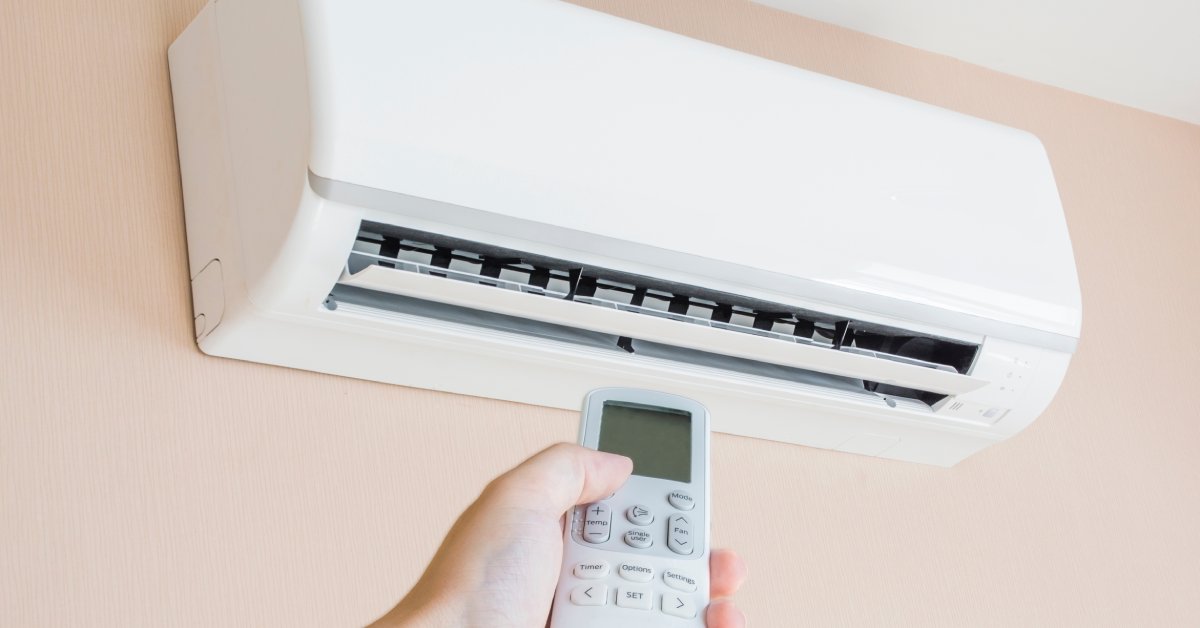
A close-up of a person's hand controlling a remote while pointing it at an air conditioner system.

Customizable Comfort With Zoning Capabilities

One unique efficiency feature of mini-splits is their ability to create different zones within a home. Each indoor air-handling unit can function independently, allowing homeowners to heat or cool specific areas as needed without wasting energy on unoccupied spaces. For instance, if you spend most of your time in the living room during the day, you can focus on maintaining a comfortable climate there without unnecessarily cooling the entire house.

This zoning capability enhances comfort and aligns with eco-friendly practices by reducing energy usage. Homeowners with larger homes can benefit from this since it offers an alternative to the inefficiency and expense of cooling or heating unused rooms.

Eco-Friendly Design and Sustainability

Mini-split systems often appeal to eco-conscious homeowners because of their emphasis on sustainability. By consuming less energy, these systems can significantly contribute to a lower carbon footprint. Many systems even use environmentally friendly refrigerants designed to minimize the impact on the ozone layer compared to older HVAC systems.

Furthermore, the reduced energy demand of mini-splits means fewer fossil fuels are burned to generate electricity. That’s an important factor for those striving to live more sustainably, especially in areas where renewable energy sources like solar or wind may not yet dominate the grid. Modern mini-splits align well with renewable energy use, offering an opportunity for eco-conscious homeowners to pair them with solar panels or green energy programs for an even greater environmental impact.

Durability and Maintenance Benefits

Efficiency and eco-friendliness aren’t just about operation; they’re also about longevity and maintenance. Mini-splits are durable, often lasting 20 years or more with proper care. This durability reduces the environmental impact associated with frequent replacements, which can be a common issue with less durable HVAC systems.

When it comes to maintenance, mini-splits are relatively easy to care for. Regular filter cleaning ensures good airflow and system performance. Unlike traditional ducted systems, there’s no need for extensive ductwork cleaning, which can be both time-consuming and resource-intensive. By maintaining your mini-split properly, you can ensure it remains efficient and eco-friendly for years to come.

A man and a woman sit comfortably on a sofa while the woman is pointing a remote to the air conditioner behind them.

The Role of Home Design in Efficiency

While mini-splits boast impressive efficiency ratings, the design and insulation of your home can influence their performance. Homes with proper insulation make it easier to maintain stable indoor temperatures, reducing the workload on a mini-split system. Similarly, energy-efficient windows and doors can prevent heat loss or gain, further supporting the system’s eco-friendly operation.

For homeowners in older properties where retrofitting ductwork would be impractical or expensive, mini-splits offer a highly efficient alternative. Even in homes with existing HVAC systems, adding a mini-split can serve as a supplement to enhance energy efficiency in specific areas, such as finished basements, sunrooms, or even home offices.

Comparing Mini-Splits to Traditional Systems

Homeowners often wonder whether mini-splits truly outperform traditional HVAC systems in practice. For most scenarios, they do. While both systems have their uses, mini-splits excel in delivering targeted comfort with minimal energy waste, making them a standout choice for modern living. Additionally, the simplicity of installation often results in less renovation work and maintenance compared to traditional systems, saving homeowners from major disruptions and additional expenses.

It’s also worth noting that many mini-split systems boast higher Seasonal Energy Efficiency Ratio or SEER ratings compared to their traditional counterparts. This metric, widely used in the HVAC industry, measures the cooling efficiency of a system. The higher the SEER rating, the more efficient the system is at cooling your home, which translates to long-term savings and eco-friendliness.

Making the Switch to Mini-Splits

For homeowners considering a switch to mini-splits, the decision can feel both exciting and overwhelming. With their proven efficiency, eco-friendly benefits, and ability to create comfortable, targeted climate zones, these systems represent a modern and sustainable alternative to traditional HVAC solutions. Furthermore, as energy prices continue to fluctuate, investing in a highly efficient system like a mini-split can provide both immediate and long-term financial relief.

W.F. Smith provides expert ductless mini-split installation services designed to deliver fast, reliable comfort for your home. Whether you’re dealing with tricky spaces, additions, or hard-to-reach areas, our solutions seamlessly bring heating and cooling to the rooms where you need it most.

A Cost-Effective, Greener Option

Choosing sustainability doesn’t have to hurt your budget. Most homeowners often wonder if residential mini-splits are efficient and eco-friendly. Ductless systems eliminate the additional need for renovations, incorporate advanced inverter technology, and offer zoning capabilities, delivering personalized comfort without excessive energy use. Add to that their sustainable design, easy maintenance, and compatibility with renewable energy systems, and it’s easy to see why eco-conscious homeowners prefer them.

Whether you’re focused on reducing your carbon footprint, lowering energy bills, or enhancing your home’s comfort levels, mini-splits represent a smart and sustainable choice for heating and cooling. With careful selection and proper maintenance, your mini-split system can provide years of efficient, eco-friendly service, helping your home and the planet thrive together.

What Size Air Conditioner Is Right for My Home?

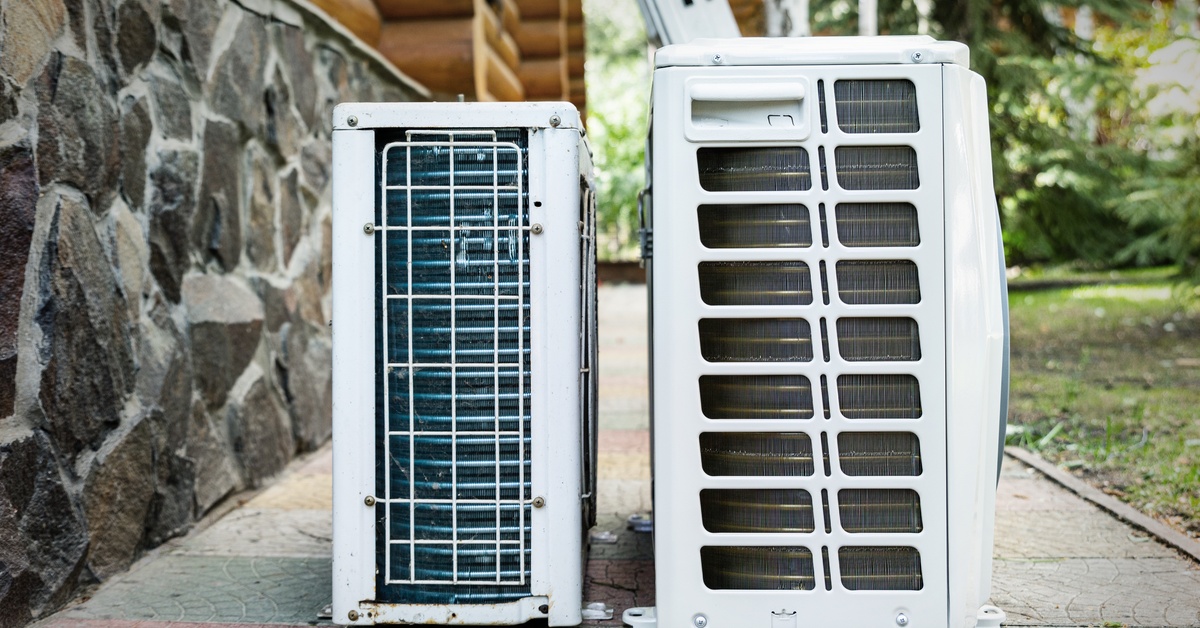
Two white air conditioners sit on the pavement outside of a wooden log home. The right is larger than the left.

Choosing the right air conditioner size for your home determines your cooling system’s comfort and efficiency. With many factors influencing this choice, from room dimensions and insulation to local climate and energy efficiency, you must understand what’s at stake.

Learn about the factors that determine what size air conditioner is right for your home and find a cooling system that performs optimally throughout the hottest months.

The Importance of Choosing the Right AC Size

When shopping for ACs, you must get the size just right. An air conditioner that’s too small will struggle to cool your space, leading to excessive energy use and frequent breakdowns. Conversely, an oversized unit will cycle on and off too quickly, failing to adequately dehumidify the air and wasting energy.

Both scenarios result in higher utility bills and reduced system lifespan. Understanding the factors that influence the proper size of your AC unit ensures you achieve optimal cooling performance and cost savings over time.

Understanding BTUs

British thermal units (BTUs) measure an air conditioner’s cooling capacity, indicating how much heat it removes from a space per hour. The higher the BTU rating, the more powerful the air conditioner. Choosing the right BTU capacity ensures effective cooling and energy efficiency.

A unit with too few BTUs will work harder to cool a room, while one with high BTUs will waste energy and lead to uneven cooling. Typically, larger air conditioners have a higher BTU rating, making it an important factor to consider when seeking a unit of the right size. Consider BTUs to make an informed choice about cooling needs and ensure your air conditioner performs at its best.

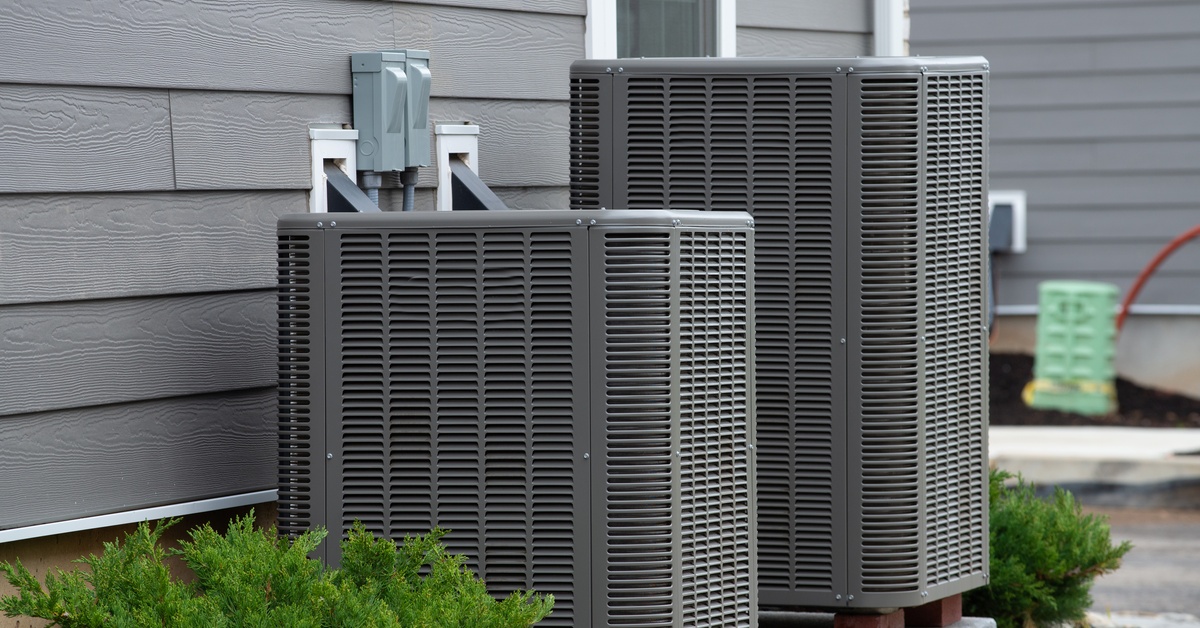
Two gray air conditioner units are placed next to each other outside a gray home. The right unit is larger than the left.

Factors Influencing Air Conditioner Size

Several factors determine the appropriate size of an air conditioner for your home, including room size, insulation, the number of windows, and ceiling height. Consider each to avoid inadequate cooling and excessive energy consumption.

Room Size

Measure the square footage of your space to choose the right air conditioner size. Find the length and width of each room, then multiply those numbers to determine the area in square feet. For oddly shaped or open-concept spaces, break the area into smaller sections and calculate each separately, then add them together for the total square footage. Once you have the square footage, consult BTU guidelines to match your cooling needs.

Room Type

The type of room affects the air conditioner size you need. For instance, the flooring in some rooms determines cold air retention and how large and efficient your unit must be. Carpeted rooms, such as the living room or bedroom, retain temperatures by preventing cold air from escaping through floorboards.

Rooms with more windows, such as the living room or sunroom, are prone to heat, so a larger unit with higher BTUs can improve efficiency. Consider the rooms in your home and their features to find the best air conditioner size.

Ceiling Height

Higher ceilings create more space for air to circulate, so they often require additional cooling capacity and a larger unit to maintain a comfortable temperature. In contrast, lower ceilings may allow quicker cooling with less BTU capacity.

To account for varying ceiling heights, adjust the BTU requirements by adding 10 percent more BTUs for ceilings above eight feet.

Climate

Your local climate is pivotal in determining your home’s air conditioner size. Regions with hotter, humid summers require larger units with higher BTU ratings to combat outdoor temperatures and efficiently maintain indoor comfort.

Conversely, cooler climates may need smaller, less powerful units, as the ambient temperature places less demand on the cooling system. This consideration ensures your air conditioner handles peak heat periods without overworking or underperforming.

Insulation

Insulation quality impacts your air conditioner’s efficiency by determining how well your home retains cool air. Proper insulation maintains a stable indoor temperature and reduces your cooling system’s workload. Further, smaller units will have a greater effect in a room.

Evaluate your home’s insulation, particularly the attic, walls, and windows, where leaks are more likely to occur. Enhanced insulation leads to more effective cooling, allowing you to choose a unit with the appropriate size and BTU capacity.

Windows and Sun Exposure

Windows and sun exposure significantly influence your home’s cooling requirements. Consider the size of the windows to determine what size air conditioner is right for your home.

Large, sun-facing windows increase indoor temperatures, necessitating additional cooling power from larger units with a higher BTU to maintain comfort. Consider the type of glass your windows use and how much solar radiation enters the home to determine the unit’s size and cooling efficiency.

Additionally, installing energy-efficient windows, such as low-E windows, further enhances temperature control by diminishing solar radiation that enters via sunrays. Use treatments like blinds, shades, or reflective films to minimize heat gain and reduce air conditioner strain.

Common Mistakes in Choosing Air Conditioner Size

Choosing the wrong air conditioner size can cause reduced comfort, higher energy bills, and decreased system lifespan. Ignoring special factors such as furniture and average occupancy also leads to poor decision-making for air conditioning units.

The larger objects in the room and the people who frequently inhabit it affect how efficiently the room cools down. A small unit may not be effective in a living room with a sectional and at least five people spending most of the day sitting around. The body heat and decreased open space cause less air to circulate, making cooling more challenging for the unit.

Precision and accuracy are important in choosing an air conditioner size, and deciding without careful consideration leads to negative consequences.

A man in a white shirt has one gloved hand on a ductless AC unit while turning back and giving a thumbs up to the camera.

When To Seek Expert Advice

While homeowners often determine air conditioner size through careful calculations, sometimes, a professional assessment is best. The AC installation contractors at W.F. Smith bring extensive knowledge and experience, offering insights into your home’s unique cooling needs.

A professional evaluation identifies overlooked factors and accurately matches your air conditioner and living space. Consulting with an expert provides peace of mind, knowing your investment will deliver maximum comfort and efficiency. Don’t hesitate to seek our professional advice for the best results.

The right air conditioner creates a comfortable, cost-effective, and environmentally responsible living environment that meets your needs now and in the future. Consider the above factors to make an informed decision. Take the time to evaluate your options and consult with professionals if needed.

5 Common HVAC Installation Mistakes To Avoid

Two men and a woman in hard hats and overalls work together to install an HVAC system on the side of a person's home.

A well-functioning HVAC system is a significant pillar in your home’s comfort. However, improper installation leads to numerous issues, including increased energy bills and reduced system longevity. Avoid these common HVAC installation mistakes to ensure the climate in your home remains controlled.

1. Choosing the Wrong Unit Size

One of the most common mistakes homeowners make is choosing an HVAC unit that is either too large or too small for their home. A unit that’s the wrong fit for your home may cause excessive wear and tear or struggle with maintaining temperatures.

Avoid this mistake by having a professional calculate the correct size for your HVAC unit based on your home’s square footage, insulation, and other factors. The experts at W.F. Smith have the tools to gather the necessary information and provide accurate heating and cooling services for your home.

2. Poor Ductwork Design

Improper ductwork design significantly impacts your HVAC system’s efficiency. Leaky or poorly insulated ducts lead to uneven heating and cooling, increased energy consumption, and poor indoor air quality. Ensuring that your ductwork has the proper design, sealing, and insulation through a professional prevents these issues and provides an efficient HVAC system.

3. Incorrect Thermostat Placement

Your thermostat’s placement has a significant effect on your HVAC system’s performance. Installing the thermostat in a location with direct sunlight and drafts or near heat-producing appliances causes inaccurate temperature readings and inefficient operation.

Place your thermostat on an interior wall, away from direct sunlight, drafts, and heat sources, ensuring accurate temperature control. Take note of the window positions and how far the light reaches to find the best spot.

4. Ignoring Manufacturer’s Instructions

Each HVAC system comes with specific installation guidelines from the manufacturer. Ignoring these instructions leads to improper installation, voided warranties, and reduced system efficiency. Always ensure that your HVAC contractor follows the manufacturer’s guidelines during installation to guarantee optimal performance and protect your investment.

5. Skipping Professional Installation

Attempting a DIY HVAC installation or hiring an unqualified contractor results in numerous issues, including safety hazards, poor system performance, and costly repairs. Hire an HVAC professional to ensure your system’s correct and safe installation. Hiring the professionals at W.F. Smith will save you money in the long run and provide peace of mind, knowing that your system is in good hands.

Avoid these common HVAC installation mistakes to enjoy a comfortable and energy-efficient home. Consider hiring the help of our HVAC experts to complete a smooth installation with precision. You’ll avoid repairs and climate-control issues when you choose professional help.

Central vs. Ductless AC: Which Is Right for Your Home?

Central vs. Ductless AC: Which Is Right for Your Home?

In your quest to create a comfortable living space, especially in areas prone to extreme temperatures, you must carefully weigh your AC options. The introduction of ductless air conditioning systems into the market has sparked a significant transformation in efficiency, cost, and environmental impact compared to traditional central air units.

Understanding the distinctions between central and ductless AC systems is crucial in determining which is right for your home. Deciding on the right air conditioning solution ensures that your choice not only cools your home effectively but also complements your lifestyle.

Central Air Conditioning

One of the primary benefits of central air conditioning systems is their ability to cool multiple rooms or an entire house uniformly and discreetly. The central unit, usually located outside the home, works by extracting hot air from inside the house, cooling it through a refrigeration cycle, and then pushing the cooled air back through the ducts and vents placed in various rooms. This ensures a consistent temperature throughout the home, enhancing comfort levels for all occupants.

Ductless AC Systems

Ductless air conditioning, or mini-split systems, consist of an outdoor compressor unit and one or more indoor air handling units connected by a small conduit. These systems are highly flexible, allowing for precise temperature control in individual rooms or zones. Ductless systems are especially suitable for homes without existing ductwork, offering an efficient and less invasive installation process.

Installation Differences

One of the most significant differences between these two systems is the installation process. Central AC systems often require extensive ductwork placement, which can be invasive and costly. Ductless systems, which are installed with the help of professional mini-split installers, require only a small hole in the wall for the conduit, making the process less disruptive.

Energy Efficiency and Cost

When it comes to energy efficiency, ductless mini-split systems often have the upper hand. Without the energy losses associated with ductwork, ductless AC can provide more efficient cooling, particularly in well-insulated homes or specific zones. Central AC systems, while potentially less efficient due to ductwork losses, may have a lower initial cost for homes already equipped with ducts.

Which Is Right for Your Home?

Deciding whether a central or ductless AC system is right for your home depends on several factors, including the size of your living space and existing infrastructure. For a large house with existing ductwork, a central AC system might offer a straightforward cooling solution. For houses without ductwork or those seeking flexible cooling options for different zones or additions, ductless AC provides an efficient and less invasive alternative.

Both central and ductless air conditioning systems have their place in modern homes. Your choice will hinge on your home’s structure, your budget, and your cooling needs. Consult a professional HVAC technician, like those on our team at W.F. Smith, who can provide personalized advice and help ensure that you make the best decision for your comfort and home cooling efficiency.