
How To Finance a New HVAC System Without Breaking the Bank

A person's left hand is reaching out to touch a black, modern, circular thermostat that reads "74."

When it’s time to replace or install a new HVAC system, the cost can feel intimidating. Homeowners often face the challenge of balancing comfort and affordability, especially when temperatures or indoor air quality are less than ideal. Luckily, you can finance a new HVAC system without breaking the bank and keep your home comfortable.

Budget Planning for a Big Purchase

Before exploring financing options, take a step back and assess your budget. A clear understanding of your current finances will help you determine how much you can afford.

Start by reviewing your monthly income and expenses. Pinpoint areas where you can cut back temporarily to allocate funds for an HVAC investment. Building a realistic budget ensures that you can cover ongoing payments, should you choose a financing option, while accommodating your other financial obligations. Knowing your financial baseline will also help you approach lenders or financing programs with confidence.

Exploring HVAC Manufacturer Promotions

Many HVAC manufacturers partner with dealers to offer limited-time promotions or rebates when installing a new system. These offers may include zero-interest financing options, deferred payments, or discounts on high-efficiency models. Reaching out to local dealers or visiting manufacturer websites can reveal special promotions that lower upfront costs.

These incentives sometimes include energy-efficient models, meaning you might save on energy bills over time. Opting to combine promotional offers with energy savings makes upgrading to a new system both affordable and environmentally friendly.
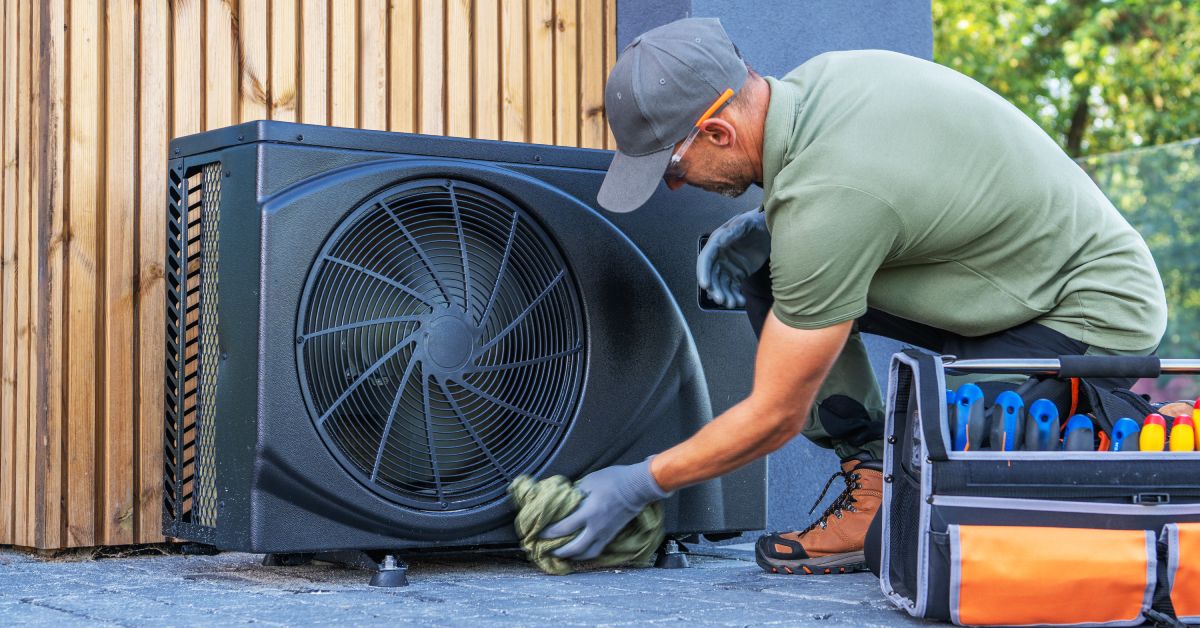
A technician wearing blue gloves, a grey hat, and a green shirt is wiping down a black HVAC system outside.

Tapping Into Utility Company Programs

Another potential avenue for easing the burden of financing a new HVAC system is to check with your local utility provider. Many utility companies offer programs to encourage customers to upgrade to energy-efficient heating and cooling systems. These programs might include rebates, low-interest loans, or special payment arrangements. These offers are designed to save energy and provide relief for households. Contact your utility provider or browse their online resources to uncover opportunities where you may be eligible to reduce the financial strain of a new HVAC system.

HVAC Dealer Financing Plans

Most HVAC dealers offer customized financing options for customers who wish to spread the cost of a new system over several months or years. Dealer financing plans are convenient because you can arrange them at the same time you select your system. These plans typically include varying interest rates, payment terms, and approval requirements.

Before you decide, research different pricing and manufacturers, and don’t be afraid to ask for a quote during the inspection. Remember to read the fine print, including interest rates and potential fees, to avoid surprises. Working with a reputable HVAC provider ensures you’re getting a fair deal and quality service in the process.

Are you looking for reliable and trustworthy residential HVAC contractors? Look no further than W.F. Smith, Inc.! We offer competitive pricing without compromising on the quality of our work so that your home stays comfortable year-round.

Considering Home Equity Options

Homeowners may have access to home equity options, such as a home equity loan or a line of credit, also known as a HELOC. These options allow you to borrow against the equity you’ve built in your home, often at lower interest rates than other types of personal loans.

Using home equity is an effective way to finance a large purchase, such as an HVAC system. However, it’s essential to proceed cautiously, as your home is collateral for the loan.

A person's hand is holding a credit card while the other hand is typing on the keyboard of a laptop.

Credit Cards as a Short-Term Solution

While credit cards aren’t the first choice for financing a new HVAC system, they can be viable under certain conditions. Some credit cards offer introductory zero-interest periods, which you can take advantage of if you are confident that you can pay off the balance within the promotional timeframe. If you opt to use a credit card, prioritize those payments to prevent the potential for high-interest debt. A quick discussion with your HVAC dealer about estimated costs will ensure you don’t exceed your available credit limit.

Government and Nonprofit Assistance

For homeowners facing financial challenges, exploring government and nonprofit assistance programs can ease the burden of an HVAC upgrade. The Low-Income Home Energy Assistance Program (LIHEAP) in the United States provides financial aid to qualifying households in need of essential heating and cooling upgrades.

Additionally, nonprofit organizations sometimes collaborate with communities to provide resources or grants for energy-efficient home improvements. It’s worth researching the options available in your area to determine if you qualify for these programs.

Saving Through Preventative Measures

If you’re not in immediate need of a new HVAC system but anticipate a replacement in the future, building a savings plan now can spare you from financial stress down the line. Set aside a portion of your monthly budget in an HVAC savings fund. Taking a proactive approach offers greater flexibility, enabling you to cover a larger portion of the cost upfront and potentially avoid financing altogether.

Take steps to maintain your current system in the meantime, as regular upkeep can extend its lifespan until you are financially ready for an upgrade. Small measures, such as regularly changing filters or scheduling routine maintenance, can delay the need for a replacement.

Making the Right Choice for Your Situation

When financing a new HVAC system, the best choice will depend on your financial situation, priorities, and needs. Evaluate options such as dealer financing, utility programs, or home equity loans to make an informed decision that works for your circumstances. By exploring the various tools and resources available, you can maintain financial stability while investing in a new HVAC system.

Create Comfort Without Financial Stress

Replacing your HVAC system doesn’t have to wreak havoc on your finances. With the variety of financing options and resources available today, it’s easier than ever to make a smart investment in your home’s comfort and efficiency. Take the time to explore the alternatives that align with your budget, and rest assured that a cozy, well-heated, or cooled home is within reach. If you’re ready to take the next step, begin your research today and finance a new HVAC system without breaking the bank.

Are Residential Mini-Splits Efficient and Eco-Friendly?

A woman meditates cross-legged on a bed. An AC, wooden bedside table, and hanging plants surround her.

When it comes to maintaining a comfortable home environment while keeping energy consumption in check, many homeowners turn to mini-split systems. These residential heating and cooling units have gained popularity over the years, often recognized for their efficiency, versatility, and modern design. But are residential mini-splits efficient and eco-friendly? Read on to learn more about residential mini-split systems and the benefits they bring to your home.

The Basics of Mini-Splits

Mini-split systems, often referred to as ductless systems, are a type of heating and cooling solution that consists of two main components: an outdoor compressor or condenser and one or more indoor air-handling units. What makes mini-splits especially appealing is their ductless nature, meaning they don’t rely on a network of air ducts to distribute hot or cold air. Instead, they directly deliver temperature-controlled air to specific zones, making them an attractive option for homes lacking traditional HVAC ductwork or for homeowners looking to optimize energy usage.

Additionally, modern mini-splits come equipped with advanced features like programmable thermostats, remote control options, and even integration with smart home systems. These elements combine functionality with modern convenience, providing a solid choice for an energy-efficient and eco-conscious heating and cooling system.

Energy Efficiency Redefined

Energy efficiency is one of the biggest selling points of residential mini-splits, and it’s not just a marketing buzzword. These installations have technology that greatly reduces energy waste. Traditional HVAC systems often lose significant amounts of heated or cooled air due to duct leakage. Mini-splits, on the other hand, bypass this issue altogether, as their ductless operation eliminates that source of energy loss. This feature alone can account for a substantial improvement in overall efficiency.

Additionally, mini-splits use inverter technology, which allows them to adjust the speed of the compressor rather than cycling on and off repeatedly. This provides precise temperature control while consuming less energy compared to traditional systems. Over time, homeowners often notice significantly reduced monthly utility bills and energy consumption.

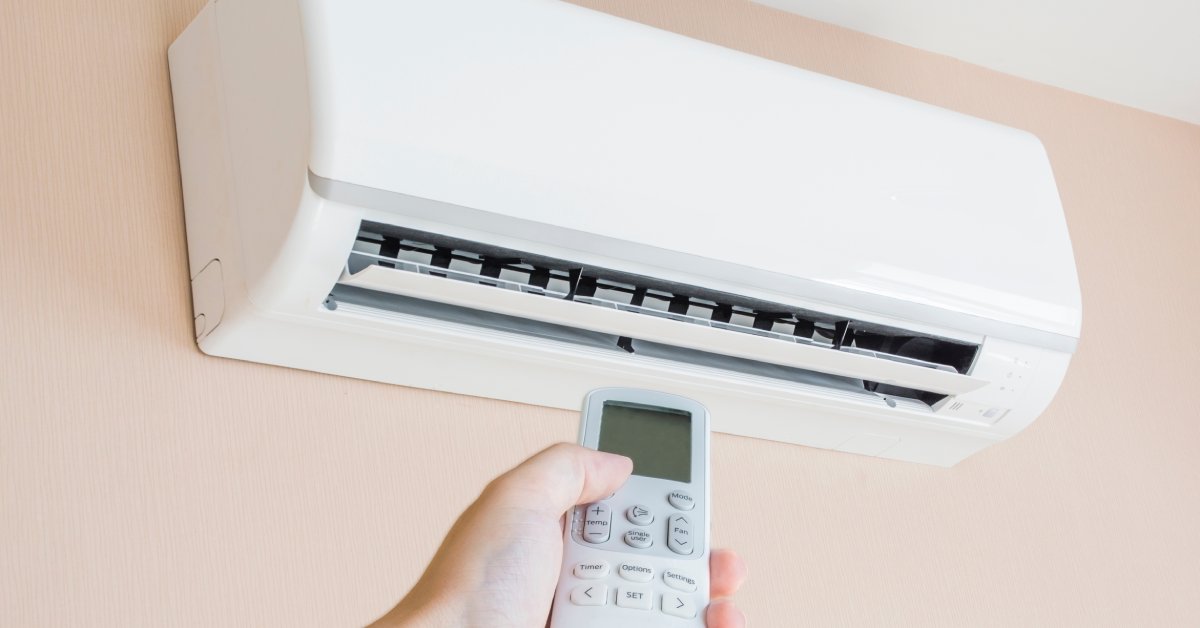
A close-up of a person's hand controlling a remote while pointing it at an air conditioner system.

Customizable Comfort With Zoning Capabilities

One unique efficiency feature of mini-splits is their ability to create different zones within a home. Each indoor air-handling unit can function independently, allowing homeowners to heat or cool specific areas as needed without wasting energy on unoccupied spaces. For instance, if you spend most of your time in the living room during the day, you can focus on maintaining a comfortable climate there without unnecessarily cooling the entire house.

This zoning capability enhances comfort and aligns with eco-friendly practices by reducing energy usage. Homeowners with larger homes can benefit from this since it offers an alternative to the inefficiency and expense of cooling or heating unused rooms.

Eco-Friendly Design and Sustainability

Mini-split systems often appeal to eco-conscious homeowners because of their emphasis on sustainability. By consuming less energy, these systems can significantly contribute to a lower carbon footprint. Many systems even use environmentally friendly refrigerants designed to minimize the impact on the ozone layer compared to older HVAC systems.

Furthermore, the reduced energy demand of mini-splits means fewer fossil fuels are burned to generate electricity. That’s an important factor for those striving to live more sustainably, especially in areas where renewable energy sources like solar or wind may not yet dominate the grid. Modern mini-splits align well with renewable energy use, offering an opportunity for eco-conscious homeowners to pair them with solar panels or green energy programs for an even greater environmental impact.

Durability and Maintenance Benefits

Efficiency and eco-friendliness aren’t just about operation; they’re also about longevity and maintenance. Mini-splits are durable, often lasting 20 years or more with proper care. This durability reduces the environmental impact associated with frequent replacements, which can be a common issue with less durable HVAC systems.

When it comes to maintenance, mini-splits are relatively easy to care for. Regular filter cleaning ensures good airflow and system performance. Unlike traditional ducted systems, there’s no need for extensive ductwork cleaning, which can be both time-consuming and resource-intensive. By maintaining your mini-split properly, you can ensure it remains efficient and eco-friendly for years to come.

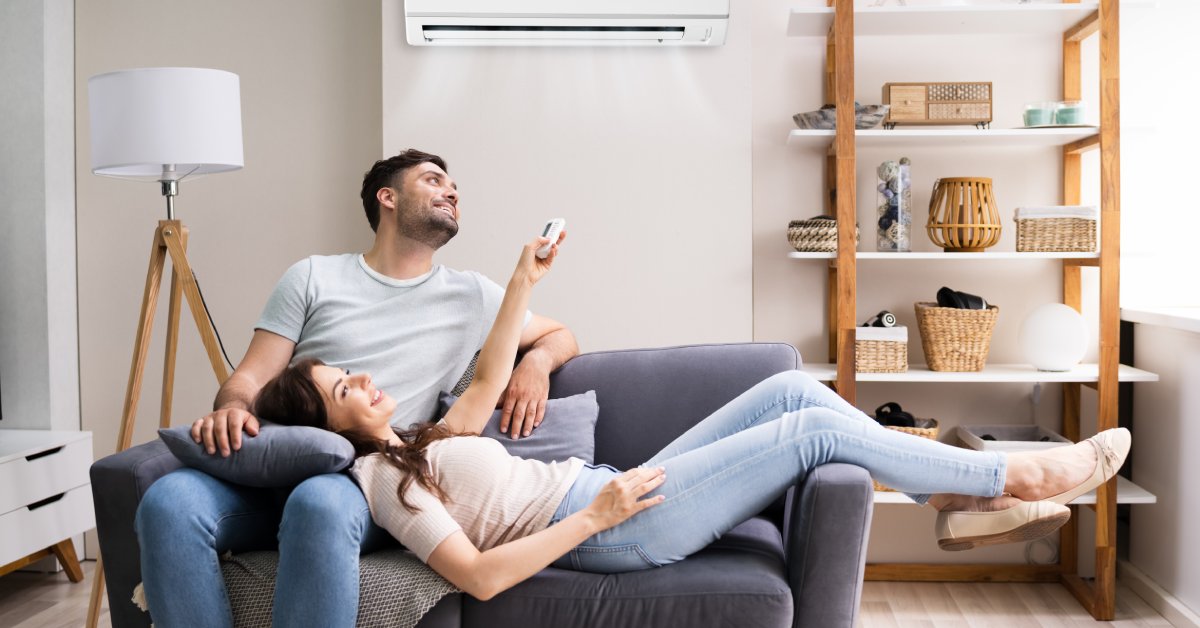
A man and a woman sit comfortably on a sofa while the woman is pointing a remote to the air conditioner behind them.

The Role of Home Design in Efficiency

While mini-splits boast impressive efficiency ratings, the design and insulation of your home can influence their performance. Homes with proper insulation make it easier to maintain stable indoor temperatures, reducing the workload on a mini-split system. Similarly, energy-efficient windows and doors can prevent heat loss or gain, further supporting the system’s eco-friendly operation.

For homeowners in older properties where retrofitting ductwork would be impractical or expensive, mini-splits offer a highly efficient alternative. Even in homes with existing HVAC systems, adding a mini-split can serve as a supplement to enhance energy efficiency in specific areas, such as finished basements, sunrooms, or even home offices.

Comparing Mini-Splits to Traditional Systems

Homeowners often wonder whether mini-splits truly outperform traditional HVAC systems in practice. For most scenarios, they do. While both systems have their uses, mini-splits excel in delivering targeted comfort with minimal energy waste, making them a standout choice for modern living. Additionally, the simplicity of installation often results in less renovation work and maintenance compared to traditional systems, saving homeowners from major disruptions and additional expenses.

It’s also worth noting that many mini-split systems boast higher Seasonal Energy Efficiency Ratio or SEER ratings compared to their traditional counterparts. This metric, widely used in the HVAC industry, measures the cooling efficiency of a system. The higher the SEER rating, the more efficient the system is at cooling your home, which translates to long-term savings and eco-friendliness.

Making the Switch to Mini-Splits

For homeowners considering a switch to mini-splits, the decision can feel both exciting and overwhelming. With their proven efficiency, eco-friendly benefits, and ability to create comfortable, targeted climate zones, these systems represent a modern and sustainable alternative to traditional HVAC solutions. Furthermore, as energy prices continue to fluctuate, investing in a highly efficient system like a mini-split can provide both immediate and long-term financial relief.

W.F. Smith provides expert ductless mini-split installation services designed to deliver fast, reliable comfort for your home. Whether you’re dealing with tricky spaces, additions, or hard-to-reach areas, our solutions seamlessly bring heating and cooling to the rooms where you need it most.

A Cost-Effective, Greener Option

Choosing sustainability doesn’t have to hurt your budget. Most homeowners often wonder if residential mini-splits are efficient and eco-friendly. Ductless systems eliminate the additional need for renovations, incorporate advanced inverter technology, and offer zoning capabilities, delivering personalized comfort without excessive energy use. Add to that their sustainable design, easy maintenance, and compatibility with renewable energy systems, and it’s easy to see why eco-conscious homeowners prefer them.

Whether you’re focused on reducing your carbon footprint, lowering energy bills, or enhancing your home’s comfort levels, mini-splits represent a smart and sustainable choice for heating and cooling. With careful selection and proper maintenance, your mini-split system can provide years of efficient, eco-friendly service, helping your home and the planet thrive together.

Factors To Consider When Hiring an HVAC Company

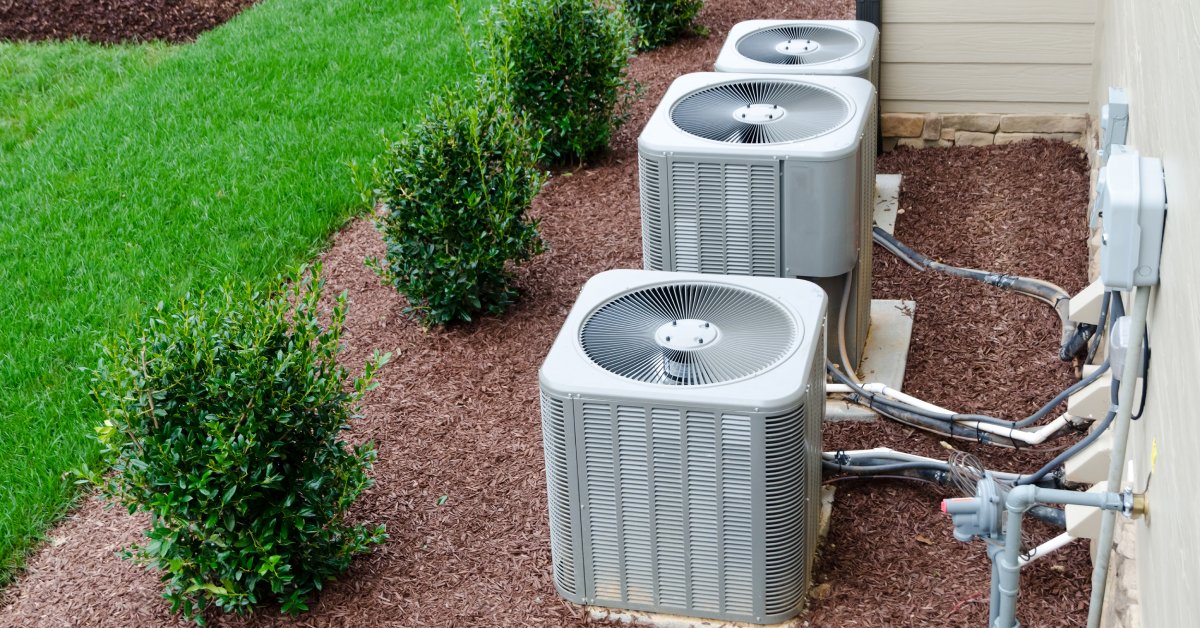
Three AC units sitting on top of concrete slabs set up next to a house, surrounded by green shrubs and neatly layered mulch.

The HVAC system is an essential component in any home, providing consistent temperatures while filtering out pollens and dust for better air quality. This is why it’s crucial to choose the right HVAC company for the proper maintenance and installation of your system.

Whether you’re dealing with a complex system installation or just need routine maintenance, finding the right professionals equipped to handle your needs is the first step toward long-term reliability. Explore the factors to consider when hiring an HVAC company so you can have a comfortable home all year.

Licensing and Certification

Trust begins with verifying a company’s licensing and certifications. Proper licensing demonstrates that an HVAC contractor complies with local and state regulations for training and safety. Additionally, industry-recognized certifications showcase a technician’s expertise. Below are some of the most widely recognized certifications for HVAC professionals.

EPA Section 608

The Environmental Protection Agency (EPA) offers Section 608 certification for professionals working with ozone-depleting refrigerants. This certification shows that the professional knows how to properly and legally handle refrigerants and prevent them from releasing into the air, ensuring an environmentally responsible service.

NATE

Another sought-after credential is certification through NATE (North American Technician Excellence), widely regarded as an indication of an HVAC technician’s proficiency and reliability in servicing everything from basic repairs to advanced HVAC systems. Companies that have this certification are more likely to offer a wider variety of services.

Reviews and Testimonials

Checking online reviews and customer testimonials can provide invaluable insights into a company’s reputation. Consistent positive feedback and testimonials from previous customers show earned respect, demonstrating the company’s ability to meet or exceed customer expectations. Reviews not only reveal the quality of work but also offer insights into key factors like punctuality, professionalism, and customer service. When evaluating reviews, look for recurring themes in customer experiences.

A close-up of a person in a reflective vest standing outdoors while holding an iPad and a digital pencil.

Evaluation and Consultation

A reputable and trustworthy HVAC company will begin the process with a thorough consultation and evaluation of your home’s specific needs. A good HVAC company will never offer a one-size-fits-all solution because they know every site is different. Instead, reputable experts will conduct on-site assessments to determine which systems and services are most suitable for the unique layout and energy requirements of your home. This not only reflects professionalism but ensures that any recommendations are tailored to optimize comfort and efficiency.

Experience

An HVAC company’s level of experience matters significantly, as it often impacts their ability to anticipate issues and provide quick resolutions. Companies that have operated in the industry for years are often better equipped to work with different brands, models, and system complexities.

Years of experience allow technicians to deliver work consistently while having the skills to adapt to new technologies. When choosing an HVAC company, don’t hesitate to ask how long they have been in the industry or whether they’re familiar with the specific systems in your home.

Pricing Transparency

Being transparent about pricing means you won’t encounter any surprises when it comes time to pay your bill. A reliable HVAC company should provide straightforward, itemized estimates before carrying out any work.

Providing transparent communication about the costs for parts, labor, and additional services builds trust between the customer and contractor. Look for companies that actively avoid upselling unnecessary services or adding hidden fees and instead prioritize customer satisfaction above profit.

Active Communication

Active communication is essential during every phase of HVAC service, from scheduling appointments to following up after the service is complete. The best HVAC companies will prioritize communication and be proactive to keep their customers informed at all stages. Whether setting clear expectations for repair timelines or promptly addressing concerns during installation, companies that excel in communication create a strong foundation of trust and accountability.

Service Options

Each HVAC company is different, and not all of them offer the services you need. Providers who offer a wide range of service options, from AC repair and furnace installation to indoor air quality assessments, can simplify home management by becoming your go-to resource.

Special Offers

Many HVAC companies entice customers with special deals or seasonal promotions. Don’t miss out on these offers, which can take the form of discounts, rebates, or free service calls. Companies offering these incentives demonstrate an understanding of their customers’ needs while showing appreciation for your business. Be sure to ask the HVAC company for promotional offers or financing options that may apply to your project.

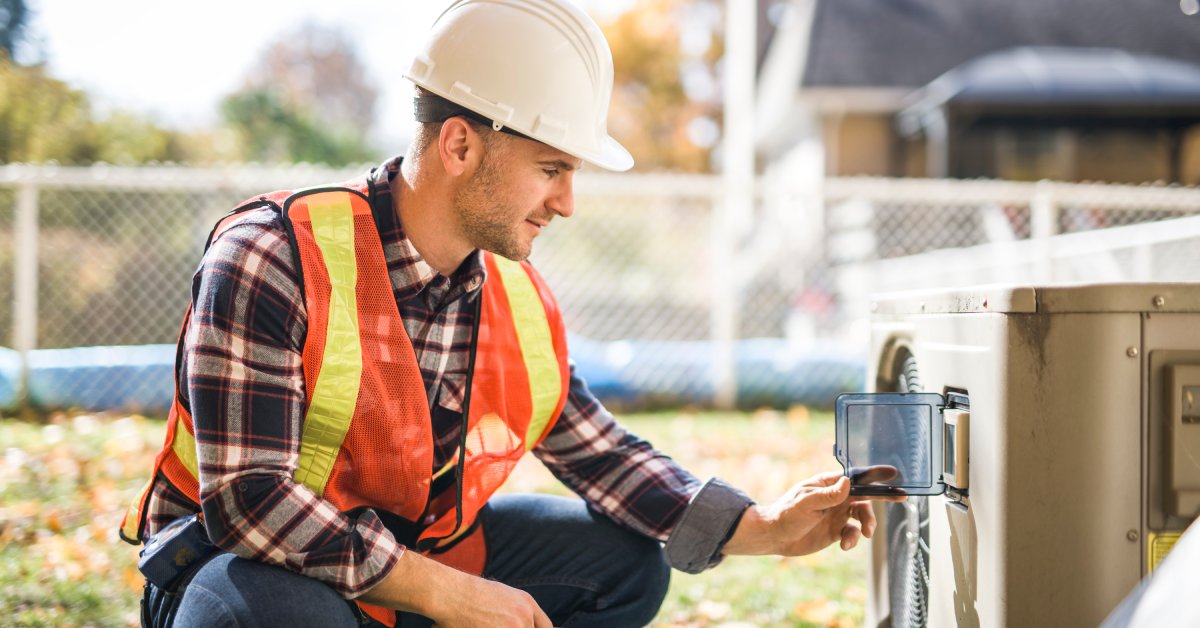
A technician wearing a safety vest and helmet while crouching down to inspect an outdoor HVAC system. He is holding a clipboard.

Preventive Maintenance

It is crucial to regularly maintain and inspect your HVAC system every year as it battles against the changing seasons. A reliable and trustworthy HVAC company will value long-term system health as much as one-time repairs or installations.

Preventive maintenance programs, such as annual tune-ups or seasonal inspections, extend the lifespan of your HVAC system and help optimize energy efficiency. Companies offering flexible maintenance plans show that they care about keeping your home safe and comfortable even after the initial service visit.

Warranty and Insurance

A trustworthy HVAC company stands by its work with strong warranties. Look for companies that provide detailed warranties on both parts and labor, ensuring you’re covered if any issues arise after the service. Proof of insurance is another critical element, offering protection for both homeowners and technicians in the unlikely event of an accident during service.

Energy-Efficient Expertise

Energy costs are on the rise, and so is energy’s impact on environmental sustainability. A good HVAC system can not only lower your overall energy costs but also promote sustainability. Look for companies that use ENERGY STAR-certified products that can reduce energy consumption and aim to provide you with long-term cost savings.

What To Expect

When hiring an HVAC company, there are certain expectations you should hold as a standard. One of these is a thorough home evaluation, where a technician will perform an in-depth assessment of your home, looking at factors like insulation and square footage to customize your experience.

After the home evaluation, expect to receive written estimates that will help you understand what services are being provided and at what costs, offering accountability for the contractor.

At W.F. Smith, we understand the importance of transparency and accountability. We are a heating and cooling company that prioritizes the needs of our customers before profit, ensuring you get the best services tailored to your home.

A Pledge to Customer Service

Choosing the right HVAC company is crucial to maintaining the performance of your home’s heating and cooling systems. By learning the factors to consider when hiring an HVAC company, you can make a well-informed decision that aligns with your needs. Choose a company that pledges a commitment to customer service, and reap the benefits of working with skilled professionals who care about your home as much as you do.

How Humidity Affects Your HVAC System and Home Comfort

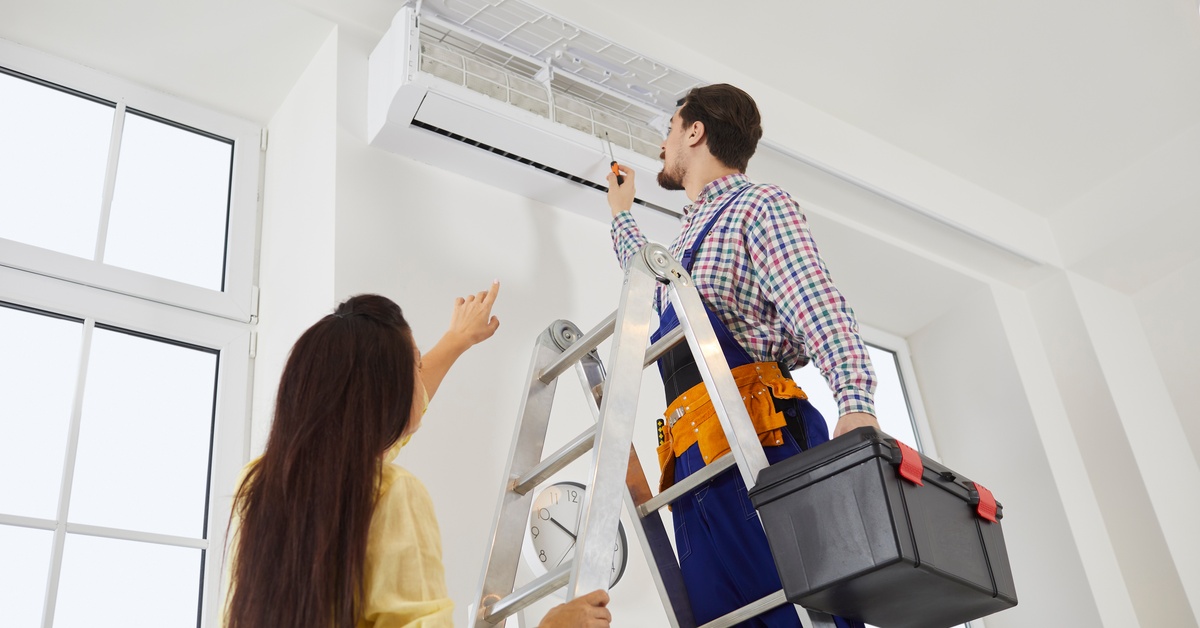
A technician stands atop a ladder repairing the AC while a woman below him is pointing at the system.

Humidity plays a role in the comfort of your living environment. While we often think of temperature as the primary factor in home comfort, humidity can affect how comfortable your home feels and how your HVAC system operates.

Too much or too little humidity could cause high energy bills or even respiratory problems. By understanding how humidity affects your HVAC system and home comfort, you can make informed decisions to maintain a healthy home environment.

How Humidity Affects HVAC Systems

The HVAC system regulates your home’s temperature, but humidity can complicate the process. If the humidity levels are too high, it can put additional strain on your system. These problems can compromise the effectiveness and lifespan of the system, leading to a costly repair down the line.

Reduced Efficiency

High humidity levels force your HVAC system to work overtime. This can reduce the system’s efficiency, making it harder to maintain a consistent indoor temperature. During humid summers, your air conditioner faces the dual challenge of cooling the air and removing excess moisture. If your HVAC has a heat pump system, keep it in cooling mode during summer to prevent additional strain.

Shorter Lifespan

An overworked HVAC system will likely experience excessive wear and tear. Humidity can force your system to run longer and work harder, causing its components to degrade quickly. Compressors, coils, and motors are vulnerable to overuse, especially when humidity levels are high. Over time, this can lead to frequent breakdowns and shorten the lifespan of your HVAC system.

Increased Energy Consumption

Humidity can cause your HVAC system to run ineffectively and for long periods. When your HVAC works harder to remove moisture in the room due to humidity, it can often result in higher energy consumption and inflated energy bills. Furthermore, during periods of peak energy use, prolonged operation puts additional pressure on the local energy grid, contributing to elevated energy costs across the board.

A woman is sweating while she sits on a sleek gray sofa, fanning herself with a vibrant pink handheld fan.

How Humidity Affects Home Comfort

It’s not just your HVAC system that suffers from humidity imbalance. Humidity also affects the comfort of your home. The average temperature in your home is directly tied to how much moisture is in the air. Here are some of the effects that high or imbalanced humidity can have on your home.

Increased Discomfort

High humidity can make high temperatures feel even hotter. Moisture-laden air slows down the evaporation of sweat, which is your body’s natural cooling mechanism. If your body cannot naturally cool down on its own, you might feel overheated despite the even temperature in your home. On the other hand, low humidity during colder months can create an uncomfortably dry environment. A cold and dry environment may cause skin and throat irritation.

Greater Risk of Developing Respiratory Illnesses

You shouldn’t have to worry about your health and well-being at home. However, humidity imbalances in your home may negatively impact your health. When humidity is too high, it can foster allergens like dust mites and pollen, which may trigger respiratory issues, asthma, or allergies. This is especially common during allergy-heavy seasons like spring and fall.

The same goes for low humidity levels, which can dry out your nasal passages during periods of cold weather, leaving you more susceptible to developing colds and sinus infections. You should maintain a good balance of humidity in your home to protect your well-being.

More Potential for Mold and Mildew Growth

Basements, kitchens, and bathrooms are particularly prone to humidity and dampness. Excess moisture in these areas makes them a perfect environment for mold and mildew to thrive. These fungi can compromise your home’s structural integrity by breaking down foundational materials and weakening the framework.

Mold and mildew release spores into the air that can negatively affect your health. These airborne spores degrade indoor air quality and pose risks to individuals with asthma, allergies, or weakened immune systems.

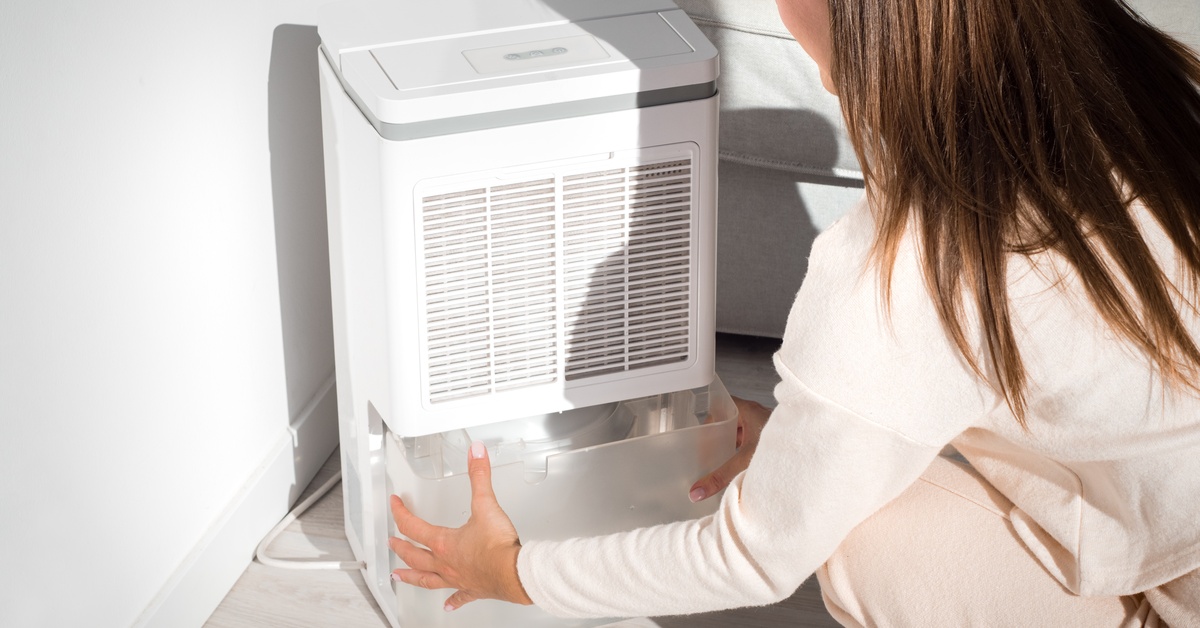
A woman is changing the water container of a white dehumidifier laid on the ground next to a gray sofa.

How To Manage Humidity in Your Home

Maintaining balanced humidity levels in your home is essential for optimizing your HVAC system’s performance and staying comfortable indoors. When humidity levels are too high, your HVAC system works harder to remove excess moisture from the air, leading to greater strain, reduced efficiency, and increased energy consumption.

On the other hand, low humidity can cause discomfort, dry indoor air, and damage to wooden furniture or flooring. When managing the humidity levels in your house, aim for a humidity level between 30 and 50 percent.

Use a Dehumidifier

If you live in an area with high humidity, investing in a dehumidifier can enhance your home’s comfort and the efficiency of your HVAC system. A dehumidifier removes excess moisture from the air, reducing strain on the air conditioner while balancing the indoor environment.

Standalone dehumidifiers are excellent solutions for targeted issues, particularly in damp spaces like basements. However, if high humidity affects your entire home, consider investing in a whole-home dehumidifier for a more comprehensive solution. Many whole-home units can integrate directly with your HVAC system, providing consistent humidity control throughout the entire house.

Maintain the Heat Pump

Regular maintenance of your HVAC system is essential for controlling humidity. Inspect the heat pump and air conditioner routinely for excess moisture. Schedule regular professional check-ups to address potential issues, such as low refrigerant levels, dirty coils, or clogged filters, that can hinder the system’s ability to manage humidity.

If you need help from heat pump specialists in Philadelphia, W.F. Smith, Inc. has you covered. Our skilled specialists are ready to assist with the installation and maintenance of your heat pump, helping you create a consistent, comfortable environment in your home throughout the year.

Take Control of Humidity Today

Humid air doesn’t have to control your comfort! By understanding how humidity affects your HVAC system and home comfort, you can take proactive steps to address the issue and prevent humidity from negatively impacting your health. Whether investing in a dehumidifier or maintaining your HVAC system, each small action creates a healthier and more energy-efficient home.

Are you ready to optimize your home’s comfort and protect your HVAC system? Contact our team at W.F. Smith, Inc. today, and take the first step toward a safer and more pleasant home.

Reasons Your Multistory Home Has Uneven Heating and Cooling

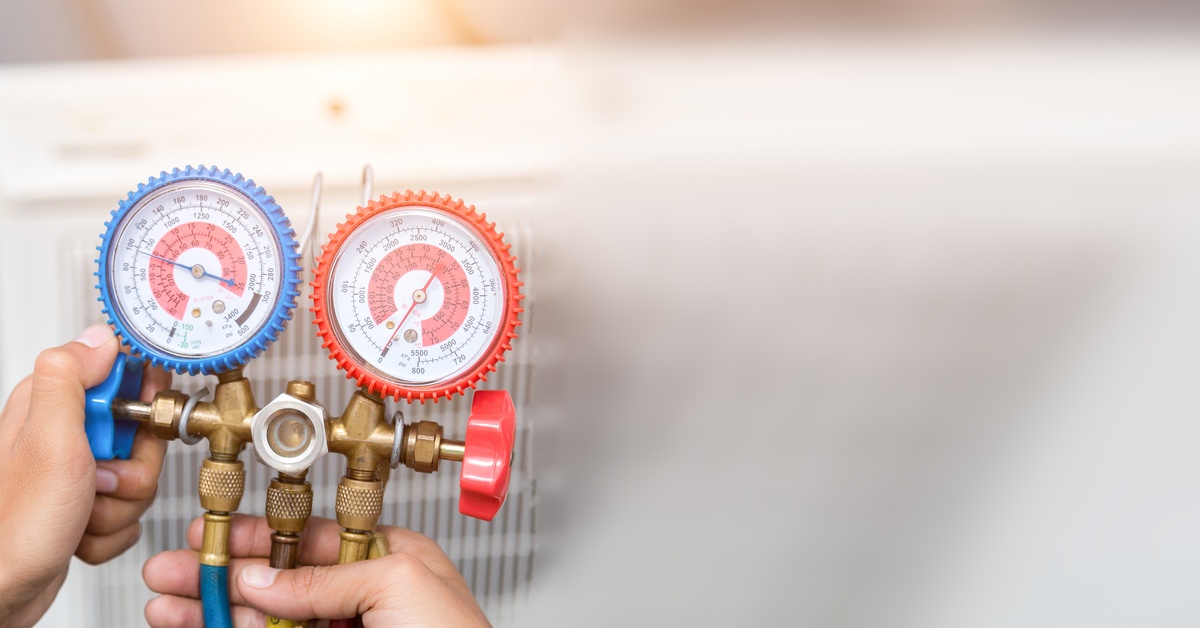
A person holding a dual temperature gauge with the blue gauge on the left showing a higher reading than the right red gauge.

Maintaining a comfortable temperature across every floor of a multistory home takes effort, especially for Philadelphia homeowners, who deal with seasonal climate changes. Uneven room temperatures can lead to discomfort, higher energy bills, and inefficient HVAC performance. Learn why your multistory home has uneven heating and cooling and effective ways to resolve this issue.

The Role of Heat Rising (Natural Convection)

Heat naturally rises, a principle known as convection, which significantly impacts temperature variations in multistory homes. Warmer air accumulates on upper floors, leaving lower floors cooler during winter and upper floors overly warm in the summer.

This phenomenon causes persistent discomfort and forces your HVAC system to work harder to maintain balance. For example, with high heating output, upstairs bedrooms may feel stifling while the downstairs living areas remain chilly. Understanding natural heat movement is essential for balancing temperatures across all floors.

Insulation Gaps and Deficiencies

Insulation is critical in maintaining consistent indoor temperatures, and deficiencies lead to considerable heat loss or gain in your home. Areas like attics, walls, and crawl spaces are common culprits for insulation inadequacies, allowing air to escape and making it harder to maintain comfortable temperatures.

Poor insulation often results in uneven heating, with some areas feeling drafty and others too warm. Upgrade your home’s insulation, particularly in problem areas, to drastically improve energy efficiency. A professional insulation assessment by W.F. Smith will pinpoint gaps or weaknesses in coverage.

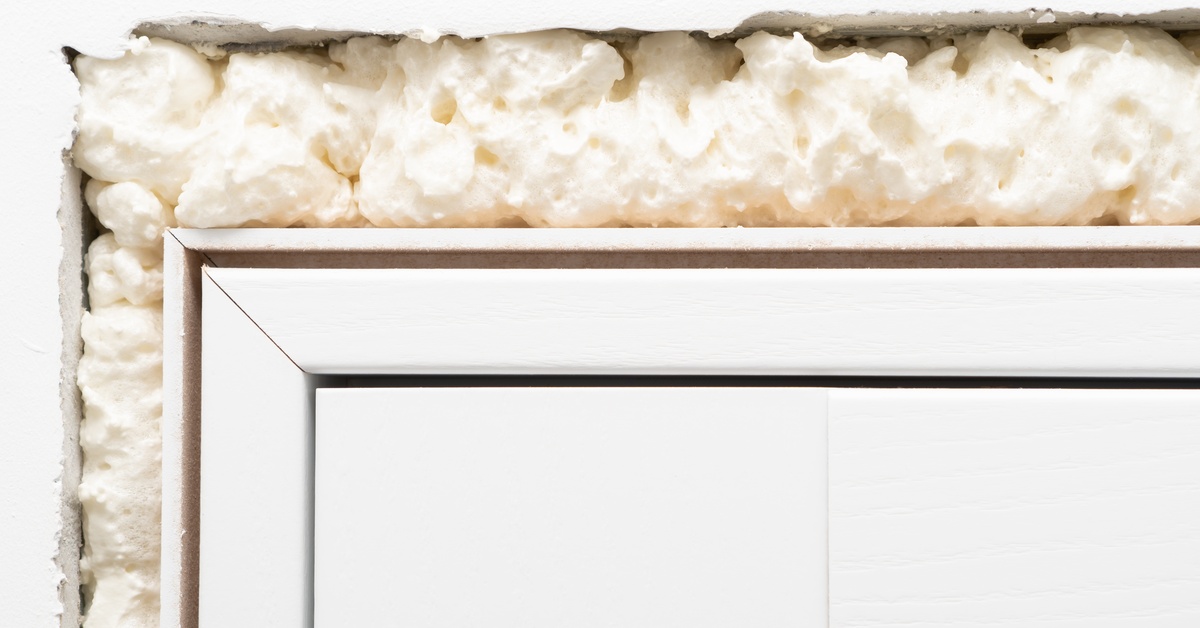
The outer-edges of a doorframe with exposed insulation containing white, puffy material with small gaps.

Air Leakage and Drafty Spaces

Drafts caused by air leaks around windows, doors, and other openings in your home disrupt temperature consistency. These leaks allow conditioned air to escape and outdoor air to infiltrate, leading to cold patches in winter and hot spots in summer.

Identify leaks with simple tests, such as feeling for drafts around frames or using a candle to see if the flame wavers near gaps. Sealing these spaces with weatherstripping or caulking is an easy and effective solution. Address air leaks to reduce temperature imbalances while reducing wasted energy.

HVAC Design and Installation Issues

An improperly designed or poorly installed HVAC system can contribute to uneven heating and cooling. Too-small systems struggle to handle your home’s heating and cooling demands, while oversized systems cycle on and off too frequently, causing inconsistent temperatures. Ductwork issues, such as poor placement or leaks, further amplify these problems.

For example, if vents aren’t evenly distributed, rooms farthest from the heating and cooling source remain less conditioned. Rely on our experienced professionals for a thorough residential furnace installation to save time on repairs and ensure comfort. Consulting an HVAC professional to assess your system’s design helps identify these inefficiencies and suggest fixes.

Limited or Nonexistent Zoning Systems

Zoning in HVAC systems allows you to control the temperature in different areas of your home independently, making it easier to maintain balance. Homes without zoning systems typically rely on a single thermostat, which can’t accurately represent the needs of every room or floor. Without zoning, upper levels may overheat while lower levels stay cold.

Adding zoning capabilities to your system with motorized dampers and thermostats resolves these issues. These upgrades give you precise control over separate areas, providing comfort and energy savings for the entire home.

Thermostat Placement Concerns

The placement of your thermostat plays a significant role in uneven heating and cooling. Thermostats installed in areas with unusual heat or airflow, such as near windows or vents, offer inaccurate readings, leading to inefficient system adjustments.

A thermostat placed in direct sunlight might cause the HVAC to over-cool other areas of your home. Relocating your thermostat to a central, neutral location accurately reflects your home’s overall temperature.

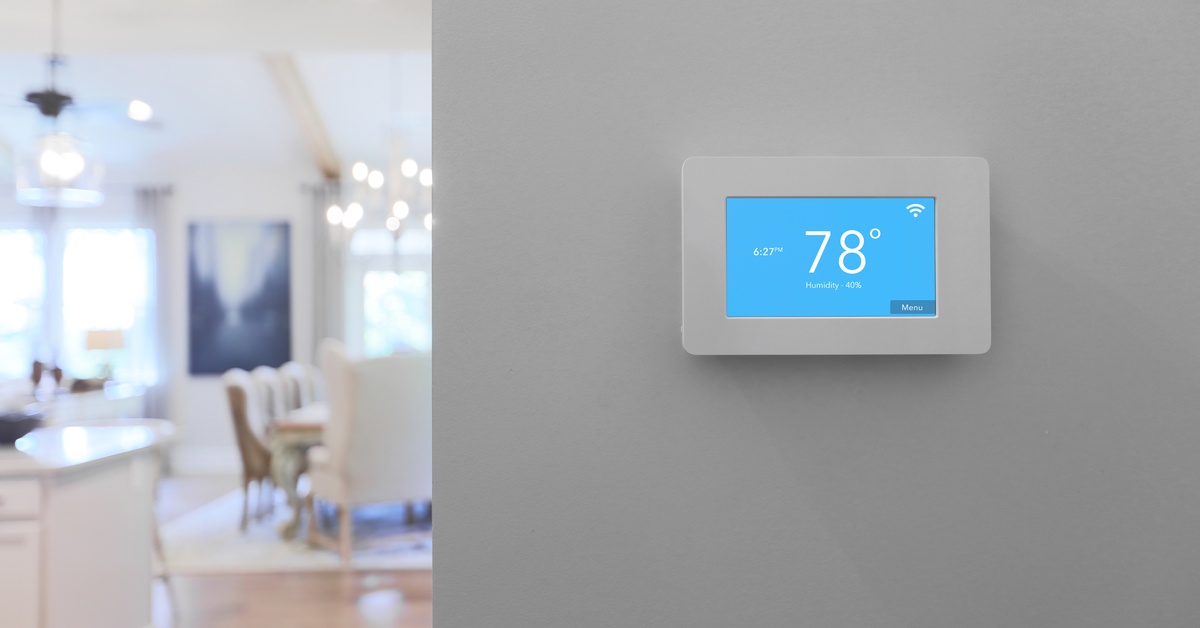
A thermostat mounted on a gray wall of a home. The display shows a temperature of 78 degrees and a time of 6:27 PM.

The Influence of Sunlight and Window Placement

Sunlight streaming through large windows creates hot spots in rooms exposed to direct sun, even during the colder months. Solar heat gain causes temperature imbalances, leaving areas in shadow colder and unevenly conditioned. Installing window treatments, such as reflective films, blinds, or energy-efficient curtains, can mitigate this effect.

Additionally, energy-efficient windows can regulate how much heat enters or escapes your home. Addressing window-related issues balances room temperatures, reduces strain on your HVAC system, and improves comfort.

Ventilation and Airflow Problems

Proper airflow is essential for an effective HVAC system, but blocked or closed vents, obstructions in ductwork, and dirty air filters disrupt the even distribution of air. These issues create cold spots in rooms far from the HVAC system or in front of blocked vents, resulting in uneven heating and cooling.

Regularly cleaning air filters, keeping vents open, and checking for obstructions greatly enhance airflow. Ensuring your ductwork is clean and free from leaks also maintains consistent temperatures across all areas of your home.

Ceiling Heights and Room Layouts

High ceilings and open layouts make it difficult to maintain consistent indoor temperatures. Warm air gathers at the top of vaulted ceilings, leaving lower areas colder, while open floor plans allow conditioned air to dissipate unevenly.

Ceiling fans are an excellent solution, as they circulate warm air downward in winter and cool air during summer. Area rugs and curtains add insulation to rooms with complex layouts. Thoughtful furniture placement and airflow adjustments can further enhance temperature balance.

Weather Conditions and Seasonal Changes

External weather factors, such as wind exposure and seasonal temperature shifts, exacerbate uneven heating and cooling. Homes with more wind-facing walls or certain orientations may experience greater heat loss or gain, impacting internal comfort. Rooms exposed to Philadelphia’s cold winter winds may feel draftier than others.

Add storm windows, use door sweeps, or install exterior insulation barriers to buffer outdoor influences. Tailor your HVAC system’s settings to meet seasonal needs and ensure internal temperatures remain consistent despite external variations.

Aging or Inefficient HVAC Systems

Due to worn-out components or outdated designs, older HVAC systems often struggle to maintain consistent home temperatures. These systems use significantly more energy and fail to distribute conditioned air effectively.

Check your system’s energy efficiency ratio (EER) to reveal its efficiency; units with low ratings are likely inefficient. Upgrading to a modern, energy-efficient system improves performance and reduces energy costs. Scheduling regular maintenance, replacing filters, and servicing your system ensures it continues functioning at its best.

When To Seek Professional Help

While certain adjustments are possible to make yourself, many underlying causes of uneven heating and cooling require expert evaluation. If problems persist despite your efforts, it’s time to consult a professional who specializes in HVAC systems and energy efficiency.

A certified technician from W.F. Smith can perform load calculations, check for system design flaws, and suggest upgrades tailored to your home. Early intervention resolves ongoing discomfort and prevents future system failures. Partnering with an experienced team ensures your home remains comfortable and energy-efficient in the long term.

Uneven heating and cooling in multistory homes is a frustrating problem, but with the right insights, it’s entirely manageable. Don’t face these challenges alone; reach out to our trusted HVAC professionals, who will help you create a tailored solution. Take the first step today toward a more balanced, energy-efficient home.