
Tricks HVAC Pros Use To Keep Their Garages Cool Year-Round

a double garage with a parked car, ATV, wooden shelves, tools, equipment, and sunlight entering open doors.

Any homeowner knows the pain of a hot, suffocating garage in summer. A bigger fan helps for a few hours, but by late afternoon, the ceiling and concrete slabs push warmth back into the space, even as outside temperatures drop.

HVAC pros usually view the garage as a small thermal system with its own heat load, air leakage patterns, and moisture issues. Here are a few tricks HVAC pros use to keep their garages cool year-round.

Find Where the Heat Is Entering

Before discussing equipment, HVAC pros trace the hottest surfaces and note when they peak. In many garages, the ceiling heats first, then the overhead door once the afternoon sun hits the front. Heat also appears along the slab edge, especially in attached garages where uninsulated perimeter areas absorb warmth from nearby pavement. That survey shapes the plan.

Check the Roof Deck and Ceiling Assembly

Pay close attention to the ceiling, as attic heat often sinks into the garage for hours. Pros frequently notice this in garages below attics with poor ventilation, especially when insulation lies thin, patchy, or compressed around the edges.

In this setup, the garage not only warms faster but also stays hot well into the evening, since the ceiling radiates stored heat downward. Adding a better insulation layer above the garage can drastically improve the room’s comfort.

Watch the Slab and Shared Walls

Concrete holds temperature longer than most realize, which is why a garage floor often feels like part of the problem after a hot day. If the slab edge meets direct sun outside, heat moves inward and lingers near the lower part of the room long after sunset.

Shared walls matter too, especially when the garage sits next to living space with leaky framing or missing insulation in the band area. These details explain why some garages feel hottest near the back wall while others stay warm from the floor up.

Tighten the Garage Before Adding Cooling

Cooling a loose garage wastes money because the room never keeps the air you paid to condition. Gaps around side doors and framing joints let hot outdoor air slip in all day and cooled air leak out once the system catches up.

A pro usually seals those weak points first because the payoff shows immediately in how long the room holds temperature after the door closes. This step also makes equipment sizing more accurate, preventing overspending on a system chosen to compensate for leakage.

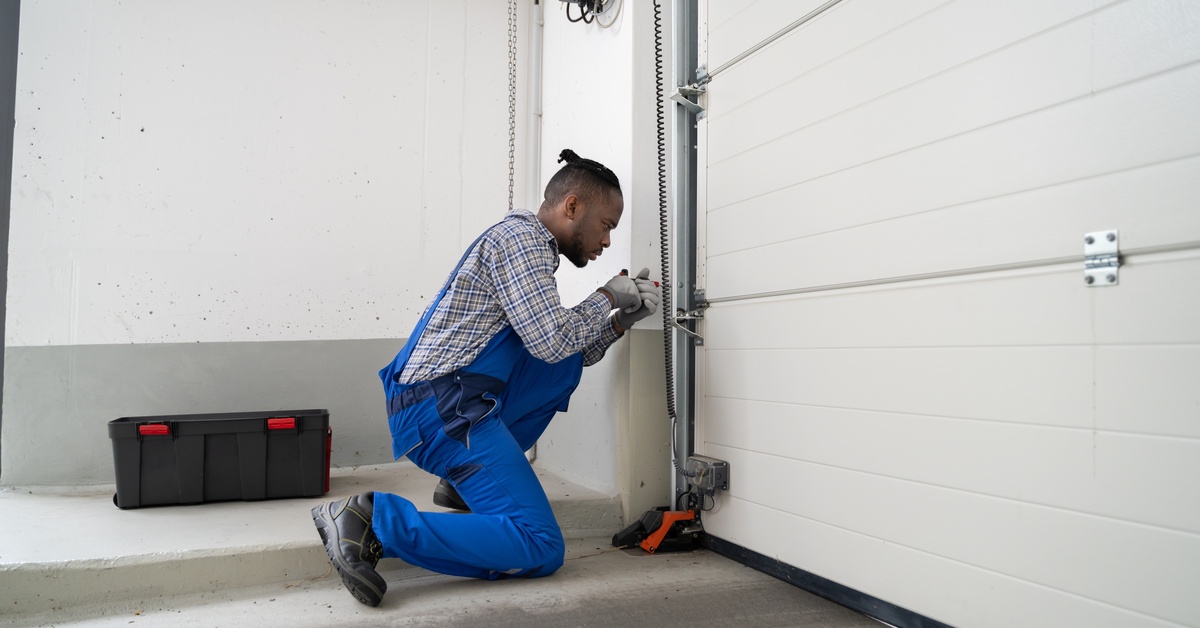
a man kneeling beside a garage door track while using tools to work on a door system inside a residential garage.

Treat the Garage Door as Part of the HVAC Plan

A garage door often accounts for a large share of the cooling load. Thin metal doors heat quickly, and older, uninsulated sections hold warmth for hours. Even a well-sized cooling setup feels inadequate when the largest surface acts like a radiator.

Pros treat the overhead door as part of the HVAC plan, not as a separate building detail. With proper panel insulation, side seals, and threshold, the room stops absorbing daily heat from this surface.

Use Ventilation at the Right Time of Day

Garage ventilation helps when it follows the heat pattern. Pulling outdoor air into the garage at midday often worsens the space because the replacement air is hotter than the room. Pros usually use ventilation for a purge cycle early morning or late evening, when outdoor air drops below indoor temperature. This timing flushes stored heat out without feeding the problem during the hottest hours.

Why Ductless Mini Splits Work in Garages

Garages respond well to ductless mini splits because their loads shift quickly and don’t match the rest of the house. Central systems for living areas often struggle in garages due to long duct runs and poor return paths. A mini split solves this by conditioning the garage directly and adjusting output as the temperature changes.

Place the Indoor Head Intentionally

Place the indoor head intentionally, as placement often matters as much as capacity. Garages rarely use the entire room for the same purpose. Mounting a unit where airflow hits shelving or the back of an SUV won’t deliver conditioned air where people spend time.

Pros usually aim the indoor head across the longest clear path, which is often toward a bench area or a central aisle rather than straight at the overhead door. This arrangement gives the garage a more even feel and reduces complaints about uneven cooling.

Control Humidity

Dampness often enters quietly through a wet vehicle, an unsealed slab, or small leaks that let humid outside air drift in during the evening. Once moisture builds, the room feels warmer than the thermostat indicates.

If the slab sweats after a storm or the side door leaks during wind-driven rain, you end up making the equipment work harder without truly solving the discomfort. Good drainage outside the opening often removes the source of the problem, rather than forcing the cooling system to chase it.

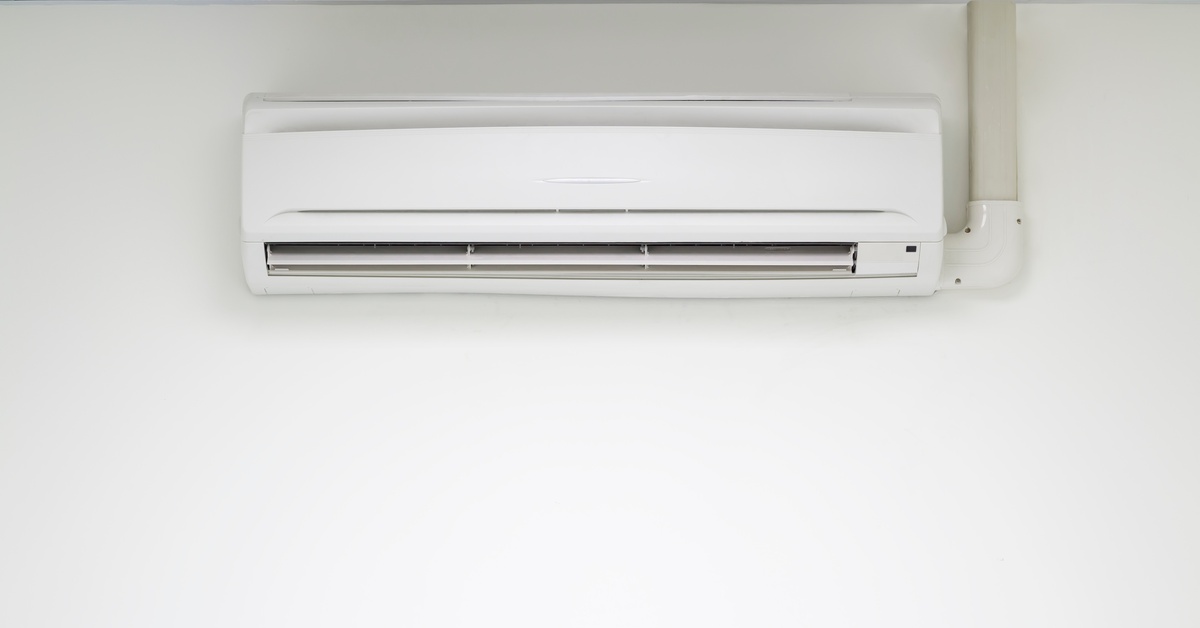
a white wall-mounted indoor air conditioner above a floor, with a remote control and a power cord nearby.

Remove Small Heat Sources

A garage often creates its own heat without anyone noticing. Old refrigerators, freezers, battery chargers, air compressors, and bright non-LED lighting all dump heat into the enclosed space you are trying to cool. One item might not seem significant, but the combined effect keeps the room warmer longer and makes the cooling setup look weaker than it is.

Often, people overlook this process in garage gyms and hobby spaces. A treadmill or a row of task lights above a workbench changes the heat profile during long sessions. Once you reduce those internal loads, the space feels more responsive, and the equipment holds temperature with less effort.

Set the Garage Up for Year-Round Operation

Small service details drive year-round comfort and support the larger plan. Keep the filter clean and ensure proper maintenance so the garage mini split operates as designed. The goal isn’t perfection but consistent attention to the details that affect daily comfort.

Here are a few checkpoints you can use over a full season:

  • Clean the indoor filter before dust starts choking airflow
  • Keep boxes and shelving away from the discharge path
  • Check the bottom door seal after the first major heat wave
  • Clear weeds and debris away from the outdoor unit
  • Watch for slow condensate drainage after humid days
  • Revisit garage ventilation timing when the weather pattern shifts

Once you put those pieces in place, the garage stops feeling like a space that needs constant rescue. The room holds temperature longer, responds more quickly to cooling, and stays more comfortable during hours of use. When used well, these tricks HVAC pros use to keep garages cool year-round turn a stubborn hot zone into a space that works as homeowners hope.

Searching for ductless mini split installation in Philadelphia? W.F. Smith has you covered with expert guidance and comfort solutions tailored for hard-to-heat or cool spaces, including garages. If you want better room-by-room control and a system matched to your space, our team will help you choose the right setup and install it with care. Schedule your estimate today and take the next step toward consistent comfort in every season

Air Conditioner Refrigerants: A Complete Guide

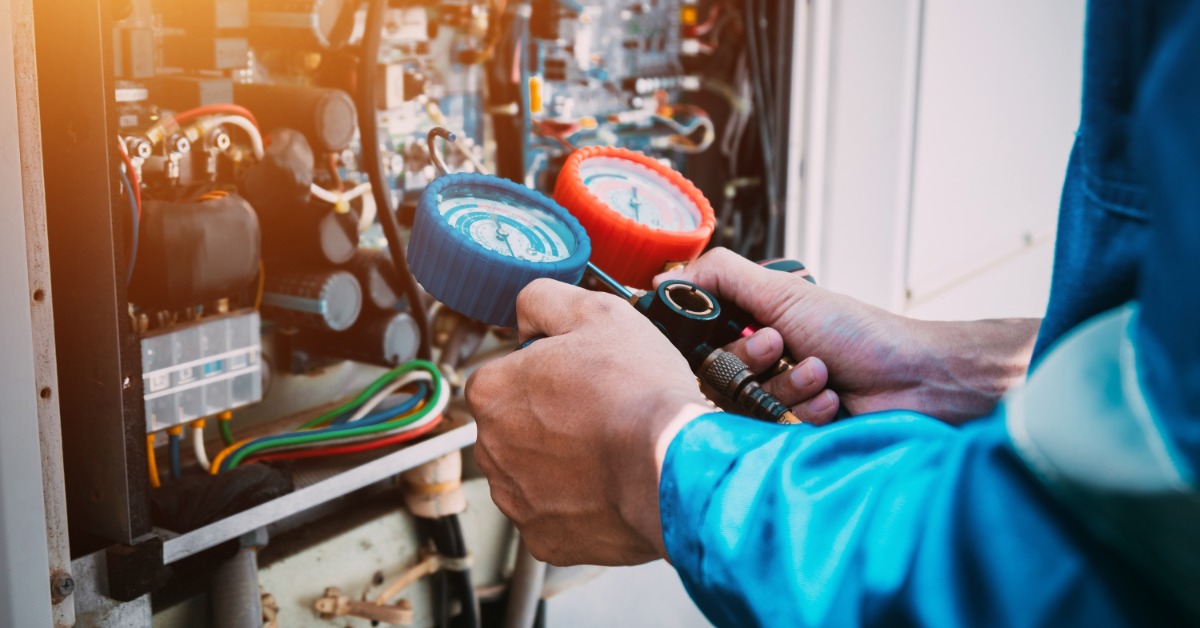
Technician checking an outdoor air conditioner unit for a refrigerant leak during a home service visit.

Most homeowners only hear about refrigerant after their air conditioner stops performing properly, turning a simple service call into a technical and potentially expensive matter. Refrigerant absorbs indoor heat and releases it outside during the cooling cycle. When its charge drops or the system relies on an older, less available refrigerant, both comfort and repair costs are affected quickly.

Homeowners don’t need every technical detail, but understanding the basics of refrigerants makes repair decisions easier. Here is a complete guide to air conditioner refrigerants.

What Refrigerant Does in Your Air Conditioner

Your air conditioner does not create cold air out of thin air. Refrigerant moves through the system, changes pressure and temperature, absorbs heat indoors, and releases heat outdoors. This cycle depends on the right charge, steady airflow, and equipment built for the refrigerant listed on the unit. When charge drops or parts fail, cooling output falls, and system strain rises.

Why Refrigerants Changed Over Time

Older refrigerants raised serious environmental concerns, prompting industry changes. R-22, for example, damaged the ozone layer by releasing chlorine when it leaked. Higher-GWP refrigerants contribute to climate change because they trap heat when released into the atmosphere. This led to a phaseout of R-22, followed by restrictions on higher-GWP refrigerants in new residential equipment. For homeowners, today’s refrigerant choice depends on the system’s age, repair costs, and when it might need replacement.

What Is Global Warming Potential or GWP

Global warming potential (GWP) is a measure of how much heat a refrigerant traps in the atmosphere over a given period, relative to carbon dioxide, which has a GWP of 1. If refrigerants with a high GWP are released, they have a greater impact on climate change, which is why regulations encourage the use of alternatives with lower GWP values.

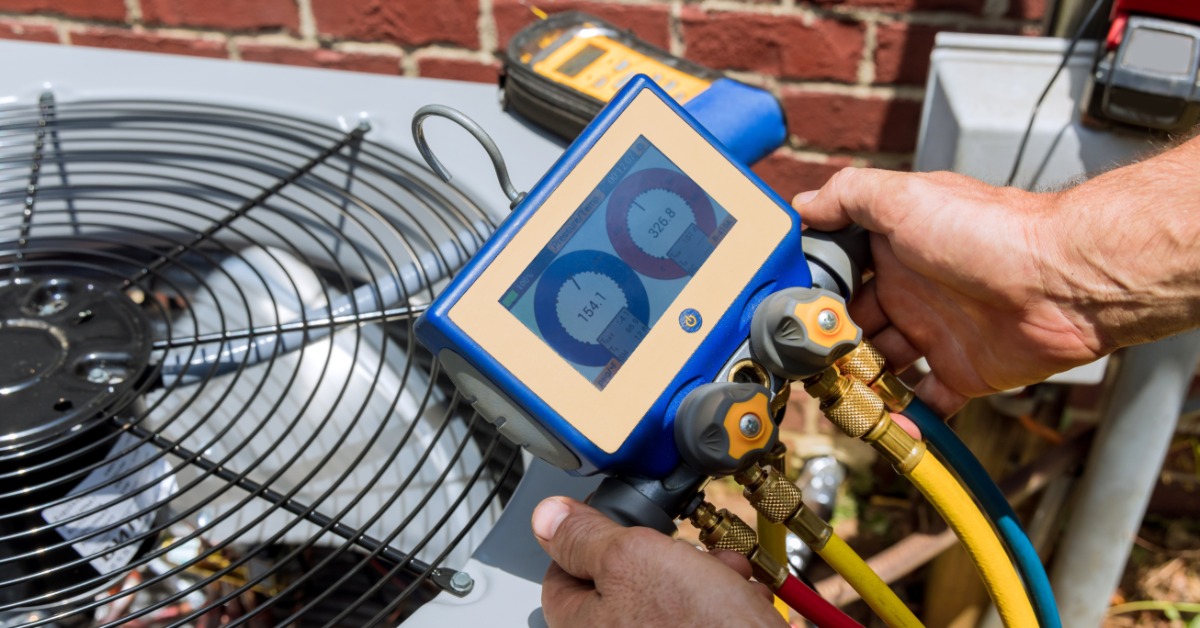
Technician checking an outdoor air conditioner with gauges during refrigerant leak detection and service.

The Main Types Homeowners Still Hear About

Homeowners typically encounter a few refrigerant names during discussions on repair or replacement. Each is suited to a specific equipment era and service rules, with the most common being R-22, R-410A, R-454B, and R-32.

R-22

R-22 is used in many residential systems built before 2010, and many homeowners still know it by the brand name Freon. U.S. production and imports ended on January 1, 2020, so any remaining supply comes from recovered or reclaimed stock. Homeowners with an R-22 system do not face an immediate legal requirement to replace it, yet repairs often cost more when a leak appears because supply is limited.

R-410A

R-410A became the standard refrigerant in many air conditioners and heat pumps made from 2010 forward. It replaced R-22 in new residential systems, but the industry is now beginning another transition because newer options have lower global warming potential.

EPA restrictions for certain new residential air-conditioning and heat pump equipment took effect January 1, 2025, with a sell-through path for some inventory made before that date into 2026. For homeowners, that means many existing R-410A systems still receive service, while new equipment shopping now brings different refrigerant labels.

R-454B and R-32

Today, homeowners are hearing more about R-454B and R-32 as next-generation refrigerants in residential cooling equipment. Manufacturers moved in this direction because lower-GWP refrigerants support newer environmental standards while still delivering strong cooling performance.

These refrigerants are not direct replacements for older systems made for R-410A or R-22. Therefore, the choice of refrigerant depends on the equipment design. When you replace an HVAC system, the new refrigerant is already included with the new unit; you cannot simply upgrade the refrigerant on its own.

How to Tell Which Refrigerant Your System Uses

The outdoor unit data plate, model information, and installation year often point you in the right direction. Pre-2010 equipment is often R-22, while many systems installed after that point use R-410A; a technician should confirm the exact refrigerant before service begins.

What a Refrigerant Leak Means for Your System

A refrigerant leak is not a minor nuisance. Low charge levels reduce cooling and put more strain on major components as summer demand rises. Because EPA rules govern refrigerant handling and venting, only trained technicians should diagnose the problem and recharge the system correctly.

Signs to watch for:

  • Warm air from the vents
  • Ice on the indoor coil or refrigerant lines
  • Longer cooling cycles
  • Hissing or bubbling near the equipment
  • Higher electric bills without a clear reason

What Not to Do With Refrigerant Problems

When refrigerant issues occur, avoid assuming it’s just a matter of adding more refrigerant. An air conditioner is designed as a closed, or sealed, loop that continuously circulates refrigerant; if the refrigerant level is low, this usually indicates a leak or another underlying issue. A licensed technician should inspect the system, confirm the correct refrigerant type, repair the root cause of the problem, and refill the refrigerant to the exact level specified by the manufacturer.

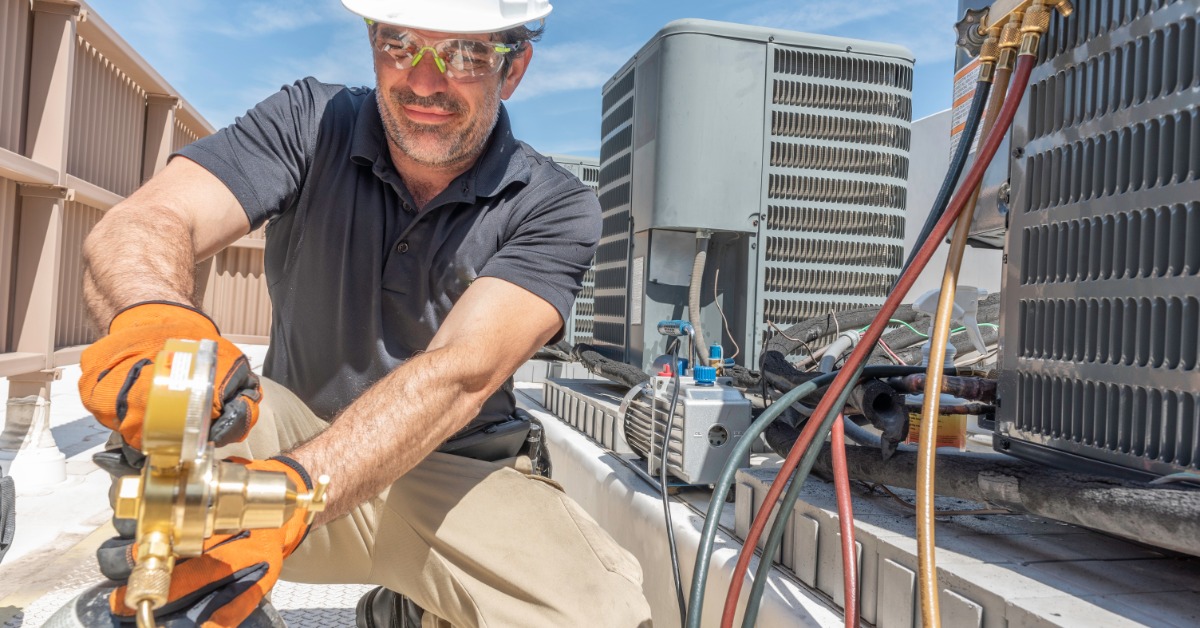
HVAC technician wearing protective gear repairs an outdoor air conditioner unit during a service visit.

Repair vs. Replacement for Older Equipment

Repair still makes sense in some cases, especially when the system is newer, and the issue sits in an accessible spot. The decision shifts when an older R-22 unit needs major work, because reclaimed refrigerant costs more, and the rest of the system is likely near the end of its service life. A good replacement discussion considers the entire system, your comfort needs, and your budget over the next several years.

What the Refrigerant Transition Means for Costs

Older refrigerants often lead to higher repair bills when supply is tight, while newer equipment prices reflect updated design standards. At the same time, current product lines give homeowners a better path than sinking money into aging systems with shrinking parts and refrigerant options. The smartest move starts with diagnosis, then a straight comparison between repair costs today and ownership costs over the next few seasons.

Questions to Ask Before Service or Replacement

A service visit goes better when you ask focused questions. Ask which refrigerant your system uses and whether the charge is low because of a leak. Ask how equipment age affects the repair cost and your replacement options if you plan to upgrade.

  • Which refrigerant does my system use?
  • Did you find a leak, or only a low charge?
  • Is this repair worth the cost at this system’s age?
  • What refrigerant will a new system use?
  • How will this choice affect future service costs?

When to Call a Professional

You should call a licensed HVAC professional any time cooling drops sharply, ice forms on the equipment, or a contractor mentions refrigerant loss. Refrigerant work is not a DIY job; homeowners should never open the sealed system or add refrigerant on their own.

The Right Next Step for Your Home

Refrigerants affect more than a label on the side of your condenser. They shape repair cost, replacement timing, environmental impact, and the long-term value of the system in your home. This complete guide to air refrigerants should serve only as a basis of information. For installation or repairs, leave it to the trained professionals.

Looking for expert AC installation contractors you can trust? Choose W.F. Smith for honest advice and a smooth upgrade built around your home’s long-term needs. If your current system uses an older refrigerant or is leaving you with costly repairs, our team will help you. Schedule your service with W.F. Smith and get professional support from your first estimate to final installation.

HVAC Packaged Units vs. Split Systems: The Differences

A light gray outdoor HVAC unit sits on top of stone bricks next to a smaller unit, surrounded by greenery.

When it’s time to choose a new heating and cooling system for your home, you’ll find that several options are available. Two of the most common choices are packaged units and split systems. Understanding the differences between them is the first step toward picking the right one for your specific situation. This guide will walk you through the differences between HVAC packaged units versus split systems so that you can make a confident, informed decision. We’ll explore the features, benefits, and considerations of each to provide you with a clear understanding of what it offers.

What Is a Split System?

A split system is the most common type of HVAC system found in homes across the country. As the name suggests, it is “split” into two main components: an indoor unit and an outdoor unit. These two parts work together to heat and cool your home.

The Indoor Unit

The indoor part of a split system is either a furnace with an evaporator coil or an air handler. The furnace is responsible for heating the air, which is then distributed throughout your house via a network of ducts. The evaporator coil plays a crucial role during the summer, working in conjunction with the outdoor unit to cool your home. This indoor equipment is typically located in a closet, basement, or attic, out of sight from the main living areas.

The Outdoor Unit

The outdoor unit houses the compressor and the condenser coil. This is the part of the system you see outside your house. Its job is to release the heat that has been removed from your home’s air during the cooling process. The two units are connected by a set of copper tubes, known as a refrigerant line, which circulates the refrigerant needed to transfer heat.

Efficiency and Flexibility

Split systems are known for their high efficiency. Because the components are separated, they can be larger and more powerful. This enables higher SEER (seasonal energy efficiency ratio) ratings, resulting in lower energy consumption and reduced utility bills. They also offer great flexibility, as you can mix and match components to best suit your home’s specific heating and cooling needs.

A gray commercial air conditioning unit sits on top of a building's rooftop, surrounded by a floor of snow.

What Is a Packaged Unit?

A packaged HVAC unit combines all the necessary heating and cooling components into a single, self-contained cabinet. The compressor, condenser, evaporator, and furnace are all housed together in one box, which is typically located on the roof, although there are also specialty products that are installed through the wall in an exterior closet.

All-in-One Design

The primary characteristic of a packaged unit is its all-in-one design. This consolidation of components makes installation simpler and faster compared to a split system. Since everything is in one place, maintenance can also be more straightforward for technicians, as they don’t have to move between indoor and outdoor locations to service the system.

Space-Saving Solution

Packaged units are excellent choices for properties with limited indoor space. Since there is no indoor component, you don’t have to sacrifice a closet, attic, or basement area to house a furnace or air handler. This makes them popular options for smaller homes, commercial buildings, and mobile homes, where maximizing interior space is a priority.

Types of Packaged Units

Several types of packaged units are available. Some offer only air conditioning, while others combine heating and cooling. You can find gas-electric models, which use a gas furnace for heating and an electric air conditioner for cooling. There are also all-electric versions, sometimes referred to as heat pump packaged units, which handle heating and cooling functions.

Two service technicians wearing blue shirts and jeans examine and test a white outdoor HVAC unit with tools.

Key Distinctions Between the Two

Now that you have a basic understanding of each system, let’s examine the key points of comparison.

Installation and Space

The most obvious difference is the physical setup. A split system requires both indoor and outdoor space, along with the installation of refrigerant lines to connect the two units. A packaged unit, on the other hand, needs only a single outdoor location. This makes packaged units ideal for buildings without basements, attics, or extra closet space.

Energy Efficiency

Split systems generally offer higher energy efficiency. The separation of components enables the use of larger coils and more sophisticated designs, which in turn contribute to higher SEER ratings. Modern packaged units have become significantly more efficient over the years, but top-of-the-line split systems often lead the way in terms of performance and energy savings.

Maintenance and Noise

Maintenance for a packaged unit can be simpler because all components are in one accessible location. For split systems, technicians may need to access both the indoor and outdoor units.

Noise is another factor. Since all the operational parts of a packaged unit are outside, the indoor environment may be quieter. With a split system, the indoor fan and furnace will generate some noise inside the house.

Cost Considerations

The initial cost can vary. Packaged units often have lower upfront installation costs because the installation process is simpler—unless a crane is needed for a rooftop installation—but the total price depends on the model, brand, and efficiency rating. Over the long term, the higher efficiency of a split system could lead to greater savings on your energy bills, which might offset a higher initial investment.

Which System Is Right for You?

Deciding between a packaged unit and a split system comes down to your home’s layout, your budget, and your priorities. If you live in a smaller home or property where indoor space is limited, a packaged unit is a fantastic space-saving choice. It provides effective heating and cooling without occupying valuable space inside. This is also a common solution for commercial buildings with flat roofs.

If your home can easily accommodate both indoor and outdoor components and your main goal is to maximize energy efficiency, a split system is likely the better option. Its potential for higher SEER ratings can lead to substantial long-term savings and a smaller environmental footprint.

Your Path to a Comfortable Home

Ultimately, understanding the differences between HVAC packaged units versus split systems is about finding the perfect fit for your lifestyle and property. Both systems are reliable, effective ways to keep your home comfortable throughout the year. The best choice is the one that aligns with your space requirements, efficiency goals, and budget.

If you’re still unsure which direction to go, consulting with a qualified HVAC professional is always a good idea. An expert can assess your home’s unique characteristics and help you select a system that will provide you with comfort and peace of mind for years to come.

At W.F. Smith, we’re proud to be a leading heating and cooling company with decades of hands-on experience serving the Philadelphia community. Our team of certified technicians is dedicated to delivering reliable, high-quality service tailored to meet your specific needs. We believe in getting the job done right the first time, ensuring your home remains a sanctuary of comfort. Contact us today!

How Humidity Affects Your HVAC System and Home Comfort

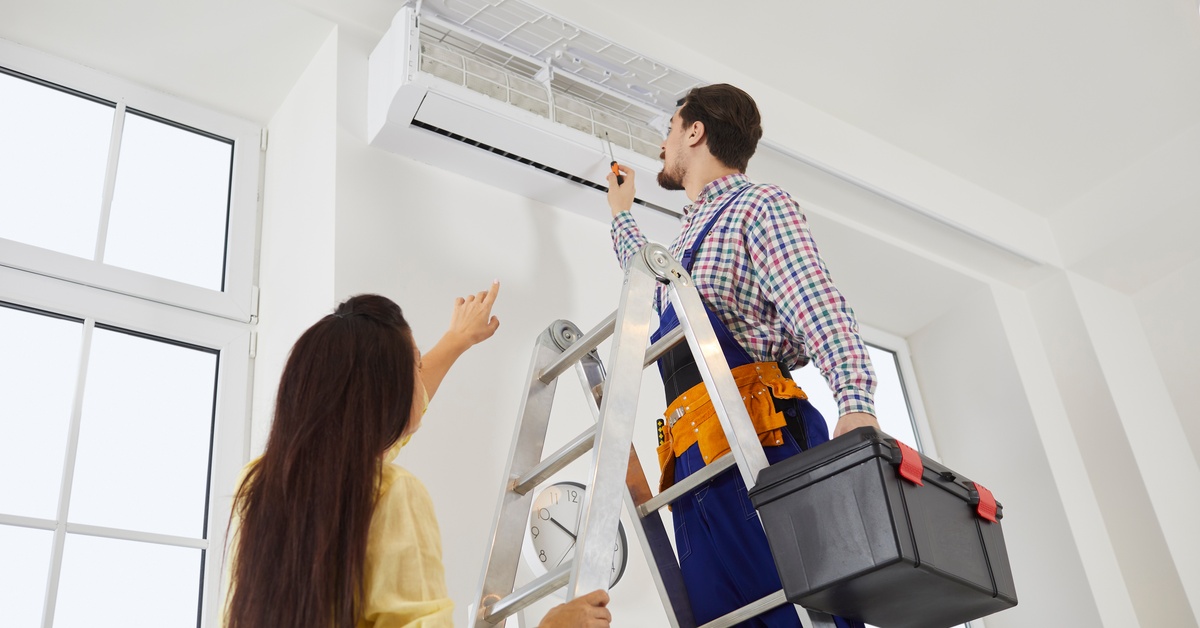
A technician stands atop a ladder repairing the AC while a woman below him is pointing at the system.

Humidity plays a role in the comfort of your living environment. While we often think of temperature as the primary factor in home comfort, humidity can affect how comfortable your home feels and how your HVAC system operates.

Too much or too little humidity could cause high energy bills or even respiratory problems. By understanding how humidity affects your HVAC system and home comfort, you can make informed decisions to maintain a healthy home environment.

How Humidity Affects HVAC Systems

The HVAC system regulates your home’s temperature, but humidity can complicate the process. If the humidity levels are too high, it can put additional strain on your system. These problems can compromise the effectiveness and lifespan of the system, leading to a costly repair down the line.

Reduced Efficiency

High humidity levels force your HVAC system to work overtime. This can reduce the system’s efficiency, making it harder to maintain a consistent indoor temperature. During humid summers, your air conditioner faces the dual challenge of cooling the air and removing excess moisture. If your HVAC has a heat pump system, keep it in cooling mode during summer to prevent additional strain.

Shorter Lifespan

An overworked HVAC system will likely experience excessive wear and tear. Humidity can force your system to run longer and work harder, causing its components to degrade quickly. Compressors, coils, and motors are vulnerable to overuse, especially when humidity levels are high. Over time, this can lead to frequent breakdowns and shorten the lifespan of your HVAC system.

Increased Energy Consumption

Humidity can cause your HVAC system to run ineffectively and for long periods. When your HVAC works harder to remove moisture in the room due to humidity, it can often result in higher energy consumption and inflated energy bills. Furthermore, during periods of peak energy use, prolonged operation puts additional pressure on the local energy grid, contributing to elevated energy costs across the board.

A woman is sweating while she sits on a sleek gray sofa, fanning herself with a vibrant pink handheld fan.

How Humidity Affects Home Comfort

It’s not just your HVAC system that suffers from humidity imbalance. Humidity also affects the comfort of your home. The average temperature in your home is directly tied to how much moisture is in the air. Here are some of the effects that high or imbalanced humidity can have on your home.

Increased Discomfort

High humidity can make high temperatures feel even hotter. Moisture-laden air slows down the evaporation of sweat, which is your body’s natural cooling mechanism. If your body cannot naturally cool down on its own, you might feel overheated despite the even temperature in your home. On the other hand, low humidity during colder months can create an uncomfortably dry environment. A cold and dry environment may cause skin and throat irritation.

Greater Risk of Developing Respiratory Illnesses

You shouldn’t have to worry about your health and well-being at home. However, humidity imbalances in your home may negatively impact your health. When humidity is too high, it can foster allergens like dust mites and pollen, which may trigger respiratory issues, asthma, or allergies. This is especially common during allergy-heavy seasons like spring and fall.

The same goes for low humidity levels, which can dry out your nasal passages during periods of cold weather, leaving you more susceptible to developing colds and sinus infections. You should maintain a good balance of humidity in your home to protect your well-being.

More Potential for Mold and Mildew Growth

Basements, kitchens, and bathrooms are particularly prone to humidity and dampness. Excess moisture in these areas makes them a perfect environment for mold and mildew to thrive. These fungi can compromise your home’s structural integrity by breaking down foundational materials and weakening the framework.

Mold and mildew release spores into the air that can negatively affect your health. These airborne spores degrade indoor air quality and pose risks to individuals with asthma, allergies, or weakened immune systems.

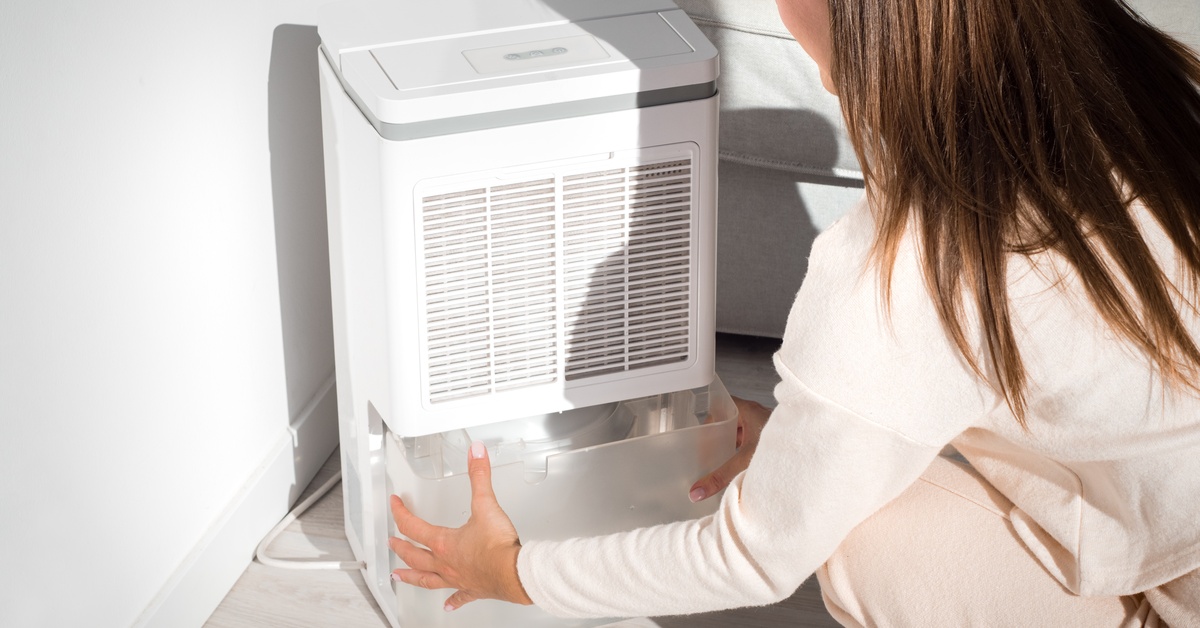
A woman is changing the water container of a white dehumidifier laid on the ground next to a gray sofa.

How To Manage Humidity in Your Home

Maintaining balanced humidity levels in your home is essential for optimizing your HVAC system’s performance and staying comfortable indoors. When humidity levels are too high, your HVAC system works harder to remove excess moisture from the air, leading to greater strain, reduced efficiency, and increased energy consumption.

On the other hand, low humidity can cause discomfort, dry indoor air, and damage to wooden furniture or flooring. When managing the humidity levels in your house, aim for a humidity level between 30 and 50 percent.

Use a Dehumidifier

If you live in an area with high humidity, investing in a dehumidifier can enhance your home’s comfort and the efficiency of your HVAC system. A dehumidifier removes excess moisture from the air, reducing strain on the air conditioner while balancing the indoor environment.

Standalone dehumidifiers are excellent solutions for targeted issues, particularly in damp spaces like basements. However, if high humidity affects your entire home, consider investing in a whole-home dehumidifier for a more comprehensive solution. Many whole-home units can integrate directly with your HVAC system, providing consistent humidity control throughout the entire house.

Maintain the Heat Pump

Regular maintenance of your HVAC system is essential for controlling humidity. Inspect the heat pump and air conditioner routinely for excess moisture. Schedule regular professional check-ups to address potential issues, such as low refrigerant levels, dirty coils, or clogged filters, that can hinder the system’s ability to manage humidity.

If you need help from heat pump specialists in Philadelphia, W.F. Smith, Inc. has you covered. Our skilled specialists are ready to assist with the installation and maintenance of your heat pump, helping you create a consistent, comfortable environment in your home throughout the year.

Take Control of Humidity Today

Humid air doesn’t have to control your comfort! By understanding how humidity affects your HVAC system and home comfort, you can take proactive steps to address the issue and prevent humidity from negatively impacting your health. Whether investing in a dehumidifier or maintaining your HVAC system, each small action creates a healthier and more energy-efficient home.

Are you ready to optimize your home’s comfort and protect your HVAC system? Contact our team at W.F. Smith, Inc. today, and take the first step toward a safer and more pleasant home.

5 Ways To Efficiently Cool Your Home in the Summer

A ductless air conditioner installed adjacent to a window on a white wall. The number '27' is displayed on the unit.

When summer rolls around, expect soaring temperatures. For homeowners, maintaining a cool and comfortable living environment during these hot months is crucial for comfort, health, and energy efficiency. Here are some ways to efficiently cool your home in the summer, ensuring you enjoy a refreshing oasis without a shocking energy bill.

1. Invest in an Energy-Efficient AC Unit

Choosing the right air conditioning unit can make or break your summer experience. Units with Energy Star certifications consume less energy, saving you money on utility bills. Additionally, consider factors such as the size of your space and the unit’s cooling capacity to ensure optimal performance without unnecessary energy expenditure.

Use ductless units that take up less space. A ductless mini split installation consumes less energy when cooling your home, as less air is lost while forced through the ventilation.

2. Use Smart Thermostats

Smart thermostats are a game-changer for regulating home temperatures. These devices learn your schedule and adjust settings to maximize efficiency. Maintain steady temperatures when you’re home and conserve energy when you’re away using smart thermostats.

The automated nature of smart thermostats makes them an efficient way to cool your home in the summer. Installation is straightforward, and the ability to control them remotely offers convenience and peace of mind.

3. Implement Effective Window Treatments

Windows are major heat conductors, but the right window treatments significantly reduce indoor heat gain. Use reflective films, blackout curtains, or thermal blinds that block sunlight and UV rays. These options keep your home cooler and protect your furniture and floors from sun damage, offering a dual benefit.

4. Maximize Natural Ventilation

Harnessing natural ventilation is a cost-effective way to cool your home. For example, you can use fans in open windows to enhance air circulation.

Placing fans strategically near open windows or hallways creates cross-ventilation, drawing cooler air in and pushing warm air out. This method reduces reliance on air conditioning, saving energy, lowering costs, and reducing maintenance needs.

5. Enhance Insulation

Insulation is an important part of any home’s temperature regulation. Install or upgrade insulation in your attic, walls, and crawl spaces to prevent cool air from escaping and hot air from entering. This improvement keeps your home comfortable during summer and increases energy efficiency year-round, offering long-term savings and comfort.

Combining these strategies will help you achieve an efficiently cooled home in the summer. Invest in the right tools and techniques to create a pleasant, economical, sustainable living environment. Call W.F. Smith for HVAC assistance and installation. We’ll provide the best service that keeps your home cool and refreshing.