Frightening HVAC Issues To Avoid This Fall

A dark gray heating and cooling unit is outdoors, surrounded by different colored rocks next to a red brick wall.

As summer fades and the crisp autumn air arrives, homeowners begin to rely on heating for comfort. This transition period is important for ensuring your HVAC system is prepared for the colder months ahead. Ignoring potential problems can lead to unexpected breakdowns, costly repairs, and compromised safety.

Discover the frightening HVAC issues to avoid this fall so you can take proactive steps to maintain a warm and secure home environment throughout the season. Read on as we walk you through common system failures, explain their causes, and offer practical advice on how to prevent them.

The Perils of a Cracked Heat Exchanger

A properly functioning HVAC system is essential for a warm home, but hidden dangers can lurk within its components. The heat exchanger, a critical part of your system, separates the combustion gases from the air that circulates through your home. Over time, repeated expansion and contraction can cause cracks to develop in this metal component, posing a serious threat to your household.

Understanding the Risk of Carbon Monoxide (CO)

When the heat exchanger is compromised, it can leak dangerous combustion by-products, including colorless and odorless carbon monoxide, directly into your home’s air supply. Carbon monoxide poisoning is a serious health risk that can cause symptoms such as headaches, dizziness, and nausea, and in severe cases, it can be fatal. Because you cannot see or smell it, a CO leak often goes undetected until it is too late.

Recognizing Warning Signs of a Crack

Identifying a cracked heat exchanger early is key to preventing a hazardous situation. You might notice unusual smells, similar to formaldehyde, coming from your vents when the heat is on. Soot buildup around the furnace burners or visible signs of corrosion on the unit can also indicate a problem. Furthermore, if the flame in your furnace burner is yellow or flickering instead of a steady blue, it could be a sign of incomplete combustion related to a breach in the exchanger.

A man wearing a black hat backwards and a blue polo shirt changes the filters of an air-conditioning unit.

The Danger of Clogged Air Filters

One of the simplest yet most overlooked maintenance tasks is changing the air filter. A clean filter is vital for your system’s efficiency and longevity and the air quality in your home. When an air filter becomes clogged with dust, debris, and other particles, it restricts airflow, forcing your HVAC system to work much harder to heat your home. This, in turn, can shorten your HVAC system’s lifespan, often leading to more expensive repairs.

How Restricted Airflow Causes System Strain

This increased strain can lead to several problems. Your HVAC may overheat, causing the system to shut down automatically as a safety precaution. This frequent cycling, known as short cycling, puts excessive wear and tear on internal components, shortening the lifespan of your unit and increasing the likelihood of a complete system failure when you need it most.

The Impact on Energy Bills and Air Quality

Beyond mechanical stress, a clogged filter drastically reduces your system’s energy efficiency. As the furnace struggles to push air through the blockage, it consumes more energy, leading to noticeably higher utility bills. Additionally, the trapped dust and allergens can circulate back into your living spaces, degrading your indoor air quality and aggravating allergies or respiratory conditions for your family.

A person's hand adjusts the temperature on a thermostat attached to a yellow wall that reads 68 and 70 degrees.

The Trouble With Malfunctioning Thermostats

Your thermostat acts as the command center for your entire HVAC system. If it is not functioning correctly, your unit will not operate as it should, leading to inconsistent temperatures and a frustrating lack of control over your home’s climate. Thermostat issues can stem from several sources, from simple battery problems to more complex wiring faults.

Identifying Signs of a Faulty Thermostat

An obviously malfunctioning thermostat may have a blank screen or be completely unresponsive. Other signs can be more subtle. Your furnace might not turn on when the temperature drops, or it might run constantly without reaching the desired setting. You could also experience “ghost readings,” where the temperature displayed on the thermostat does not match the actual temperature of the room.

Troubleshooting and When To Call for Help

Before assuming the worst, check for simple fixes. Replacing the batteries is often the first step. You should also ensure the thermostat is set to “heat” and the temperature is adjusted correctly. If these basic troubleshooting steps do not resolve the issue, the problem could be related to frayed wiring or internal sensor damage, which requires professional attention to diagnose and repair safely.

The Hazard of a Faulty Ignition System

Modern furnaces rely on an electronic ignition system to light the burners and start the heating process. If the ignition system fails, your furnace or HVAC system will not produce heat, leaving your home cold. There are two primary types of electronic ignition: a hot surface ignitor and an intermittent pilot light, and both can develop problems over time.

Why Your Furnace Fails To Start

A common symptom of a failing ignition is hearing the system click on as if it’s about to start, only for it to shut down a few moments later without ever producing heat. This cycle may repeat several times before the system locks itself out for safety. This issue often points to a problem with the ignitor, which may be cracked, or the pilot light’s flame sensor, which could be dirty and unable to detect a flame.

The Importance of a Professional Diagnosis

Attempting to repair an ignition system without proper training can be dangerous, as it involves both electrical components and the gas supply. A qualified technician can accurately diagnose whether the issue is a faulty ignitor, a dirty flame sensor, or a problem with the gas valve. Professional service ensures the repair is done correctly, restoring your furnace’s function and ensuring its safe operation.

Are you in need of a dependable and experienced heating and cooling company? Look no further than W.F. Smith! With years of expertise in the HVAC industry, we specialize in providing top-notch maintenance and repair services to keep your heating and cooling systems running smoothly, no matter the season. Contact us today!

Keep Your Home Safe and Warm

Maintaining your HVAC system is not just about comfort; it is about ensuring the safety and well-being of your family. Addressing these potential problems before they escalate can save you from inconvenient breakdowns and hazardous situations. By staying vigilant and scheduling regular professional maintenance, you can confidently steer clear of these frightening HVAC issues this fall. If you notice any of the warning signs we discussed, do not hesitate to contact a trusted HVAC professional to inspect your system and provide the necessary repairs.

What’s That Smell? Common HVAC Odors and What They Mean

A man and a woman relaxing on a couch as the man points a remote toward the AC system on the wall behind them.

Your home should smell fresh and inviting, not like a science experiment gone wrong. Unusual odors wafting through your vents is your HVAC system’s way of telling you something needs attention. Understanding what that smell is and familiarizing yourself with some common HVAC odors and what they mean can help you identify problems early and prevent costly repairs down the road. Some odors indicate minor maintenance needs, while others signal serious safety concerns requiring immediate professional intervention.

The Musty Basement Smell That Spreads

That damp, musty odor reminiscent of an old basement typically indicates moisture problems within your HVAC system. This smell often develops when condensation accumulates in areas where it shouldn’t, creating ideal conditions for mold and mildew growth. Your air conditioning system naturally produces condensation as it cools warm air, and under normal circumstances, this moisture drains away through designated channels. However, clogged drain lines, dirty evaporator coils, or damaged ductwork can trap moisture in the system.

Mold and mildew growth pose health risks, particularly for family members with allergies or respiratory conditions. The spores circulate through your home’s air supply, potentially triggering symptoms such as sneezing, coughing, and throat irritation. Addressing musty odors requires identifying and eliminating the moisture source by clearing blocked drain lines, cleaning evaporator coils, or repairing damaged ductwork.

When Your Vents Release Burning Plastic Fumes

Never ignore the distinct acrid smell of burning plastic, as it often indicates electrical problems within your HVAC system. This odor typically emerges when electrical components overheat, causing nearby plastic housing or insulation to melt. Several electrical issues can create this dangerous situation. Failing motors, damaged wiring, or overloaded circuits generate excessive heat that can ignite surrounding materials. Sometimes, foreign objects, such as toys or debris, accidentally enter the system and contact the heating elements.

Burning plastic fumes can release toxic chemicals into your home’s air supply, creating immediate health hazards. These vapors may cause headaches, dizziness, or respiratory irritation. Moreover, overheating electrical components pose fire risks that could endanger your entire property. Immediately shut off your HVAC system and contact emergency repair services if you detect burning plastic smells. Avoid operating the system until qualified technicians can inspect and repair the electrical problem.

A man wearing gray work gloves, a black shirt, and a white hard hat fixing an outdoor AC system unit's capacitor.

The Rotten Egg Odor That Demands Immediate Action

Natural gas has no inherent smell, so utility companies add mercaptan, a chemical that creates that unmistakable rotten egg odor. If this smell emerges from your vents, it indicates a potentially dangerous gas leak somewhere in your heating system. Gas leaks can occur at various points throughout your system, including supply lines, connections, heat exchangers, or valve assemblies. Even small leaks pose serious risks because natural gas is highly flammable and can displace oxygen in enclosed spaces.

Accumulated gas can ignite from the smallest spark, creating explosion risks. Additionally, breathing natural gas in confined spaces can cause oxygen deprivation, leading to drowsiness, headaches, or loss of consciousness. Never attempt to locate or repair gas leaks yourself. Instead, immediately evacuate your home, avoid using electrical switches or open flames, and call your gas company’s emergency line from a safe location outside.

Sweet Chemical Scents That Signal Refrigerant Issues

A sweet, chemical-like odor often indicates refrigerant leaks within your air conditioning system. Refrigerant has a distinctive smell that some describe as sweet or chloroform-like, though individual sensitivity to this odor can vary. Refrigerant leaks can develop at various system points, including coil connections, valve stems, or damaged tubing. Age, vibration, and corrosion gradually weaken these components, creating pathways for the refrigerant to escape into surrounding areas.

Beyond the environmental concerns, refrigerant leaks also reduce your system’s cooling efficiency and can cause compressor damage. Low refrigerant levels force your system to work harder, increasing energy consumption and accelerating component wear. Professional technicians must handle refrigerant leak repairs because these substances require special handling procedures and EPA certification for disposal. They can locate leaks using electronic detectors, repair damaged components, and recharge the system with appropriate refrigerant levels.

A man wearing a blue shirt and white work gloves opening a white ductless split AC system on a wall.

Smoky Odors That Point to Heating Problems

Smoky smells from your heating system often indicate combustion problems or blocked ventilation pathways. These odors might smell like wood smoke, cigarettes, or general burning, depending on the underlying issue. Dirty burners, blocked flue pipes, or damaged heat exchangers can create incomplete combustion, producing smoke that enters your home’s air supply. Sometimes, leaves or small animals can also block exhaust vents, forcing combustion byproducts back into the system.

Smoke contains carbon particles and potentially carbon monoxide, both of which are harmful to human health. Carbon monoxide is particularly dangerous because it’s colorless and odorless, making it difficult to detect without specialized equipment. This gas prevents your blood from carrying oxygen effectively, potentially causing fatigue, confusion, or more serious health consequences. Regular maintenance prevents many combustion-related problems. Professional technicians clean burners, inspect heat exchangers, and verify proper ventilation during routine service calls. However, immediate professional attention is necessary when smoky odors appear, as these situations can escalate quickly.

Metallic Scents From Overworked Components

A sharp, metallic smell often indicates mechanical components operating under excessive stress or beginning to fail. This odor typically emerges when metal parts grind against each other due to insufficient lubrication or bearing failure. Blower motors, fan assemblies, and belt-driven components can all produce metallic odors when they malfunction. Worn bearings create friction that generates heat and metallic particles. Similarly, loose or damaged belts can slip against pulleys, creating burning rubber smells mixed with metallic undertones.

Continuing to operate your system when mechanical components are failing can cause cascading damage. For example, a failing blower motor might strain other electrical components or reduce airflow enough to cause your system to overheat. Early intervention prevents minor mechanical problems from becoming major repair expenses. Professional technicians can lubricate moving parts, replace worn belts, or rebuild failing motors before they cause additional system damage.

W.F. Smith is your trusted partner for reliable and professional AC installation services, ensuring your home stays cool and comfortable all year round. With years of expertise and a commitment to quality, we make the process seamless and hassle-free. Let us handle your installation needs with precision and care!

Act When Strange Smells Appear

Understanding what that smell is and familiarizing yourself with some common HVAC odors and what they mean can help you respond appropriately when problems arise. This list and prompt action also serve as your first line of defense against system problems, safety hazards, and expensive repairs.

Some situations require immediate action, particularly gas leaks or electrical burning smells that pose safety risks. Other odors indicate maintenance needs that you must promptly address, but don’t require emergency response. When in doubt, consult qualified HVAC professionals to ensure proper diagnosis and safe resolution of any problems.

What To Do When Your A/C Freezes Up: Causes and Solutions

A man wearing black overalls, a blue shirt, and black gloves changes the filter of a ductless air conditioner system.

Air-conditioning is one of those modern comforts we often take for granted until something goes wrong. One of the most frustrating issues is discovering your A/C has frozen up, especially during the hottest days of the year. Knowing what to do when your A/C freezes up, including causes and solutions, can help you minimize damage and restore comfort as soon as possible.

Read on as we break down the common causes of A/C freeze-ups and explore solutions to resolve this issue. We’ll also talk about preventive care to minimize A/C damage and disruptions in the future.

Shut Down the A/C

The moment you realize your air conditioner has frozen, your first move should be to shut it off immediately. Allowing it to continue running in a frozen state risks further damage to its internal components, such as the compressor. Turning off the A/C gives you the opportunity to assess what’s wrong without causing additional wear and tear.

Once your A/C is off, allow the frozen components, such as the evaporator coil, to thaw naturally. This can take several hours, depending on the extent of the freeze, so be patient. While waiting, you can start looking into the potential reasons behind the problem.

Check for Restricted Airflow

Restricted airflow is one of the leading causes of a frozen A/C system. Dirty air filters can easily block airflow, leaving evaporator coils too cold as they work harder to compensate for the blockage. Replacing your air filter is a simple yet highly effective step to prevent future freeze-ups. Ideally, you should change the filter every one to three months, depending on your filter type and the frequency of system use.

Besides the filter, dirty vents or closed ducts can also limit airflow. Inspect your supply vents, checking that they’re clean and fully open. Don’t close vents in unused rooms, as this can unbalance the system and contribute to pressure buildup, potentially leading to freezing.

A close-up view of a person's hand using a red screwdriver in front of a ductless, open air conditioner system.

Thaw It out the Smart Way

When thawing out your frozen A/C, patience is key. Avoid external heat sources, such as hair dryers, and don’t physically scrape off the ice, either. These methods might seem like quick fixes, but they can cause more damage to the delicate components of your A/C system, potentially leading to costly repairs.

After thawing your air conditioner, run the fan for a while without activating the cooling function. Warm air will circulate through the system, removing residual moisture or ice that may still be present.

Examine the Evaporator Coil

A dirty evaporator coil is one of the most common causes of a frozen air-conditioning system. Over time, as your A/C runs, dirt, dust, and debris can build up on the coil, reducing heat transfer and causing moisture around the coil to freeze.

Cleaning the evaporator coil is a crucial part of maintaining your air-conditioning system’s performance. However, you must approach this task with care, as improper cleaning can damage the delicate fins or other components of the coil.

In most cases, this task is best left to a professional during routine A/C maintenance. A certified technician has the necessary skills and tools to clean the coil properly without risking damage. Additionally, they can inspect the system for other potential issues, such as refrigerant leaks or airflow problems, which might contribute to the freezing issue.

Leave Refrigerant Checks to the Professionals

Low refrigerant levels are a more technical cause of A/C freeze-ups and should always be handled by HVAC professionals. Refrigerant is the lifeblood of your cooling system, and low levels often indicate a leak that requires immediate attention. A professional can restore the refrigerant to its proper level and fix leaks.

Be advised that improper handling of refrigerant is often dangerous and illegal in many locations, so it’s not worth the risk. Trust this task to certified technicians with the expertise and equipment needed to handle it safely.

A man wearing black gloves and a black hat lifts up the A/C cover, revealing the vents and filters of the system.

Inspect the Blower Fan for Damage

The blower fan pushes air over the evaporator coil and into your home. If the fan is damaged or malfunctioning, airflow will drop, and freezing can occur. A visual inspection of the blower fan may reveal obvious issues, such as visible damage or improper spinning.

While minor adjustments, such as tightening a loose fan belt, are doable for the average homeowner, much of this work should also be handled by an expert technician. They can perform a thorough analysis to help your blower fan operate at peak efficiency.

Clean Vents Regularly

Keeping your air vents and ducts clean is a crucial preventive part of maintaining the efficiency of your air-conditioning system. Over time, dust, debris, and even small objects can accumulate in the vents, blocking airflow and creating conditions that can lead to A/C freezing. While regular household cleaning can clear the vents within easy reach, professional duct cleaning is a more thorough service, addressing areas that are difficult to access.

Schedule Regular Maintenance

One of the most effective ways to keep your air conditioner running smoothly is by scheduling annual maintenance. Professional inspections identify potential issues, such as worn components or refrigerant leaks, before they escalate into a frozen A/C or worse.

During a maintenance visit, experts will clean and fine-tune your system, check refrigerant levels, test the blower fan, and perform additional checks as needed. It’s this level of proactive care that resolves existing problems and extends the lifespan of your A/C unit.

W.F. Smith provides dependable ductless mini-split service to keep your system running smoothly. Whether you need repairs or routine maintenance, our skilled technicians are here to help your unit stay efficient so it can keep you comfortable and stand the test of time.

Protect Your A/C With Smart Practices

Your air conditioner maintains your home’s comfort, especially during the hotter months. Knowing what to do when your A/C freezes up, including what causes it and potential solutions, can help you resolve issues quickly and avoid costly repairs. From replacing air filters to scheduling professional maintenance, taking a proactive approach will keep you cool when it matters most.

Factors To Consider When Hiring an HVAC Company

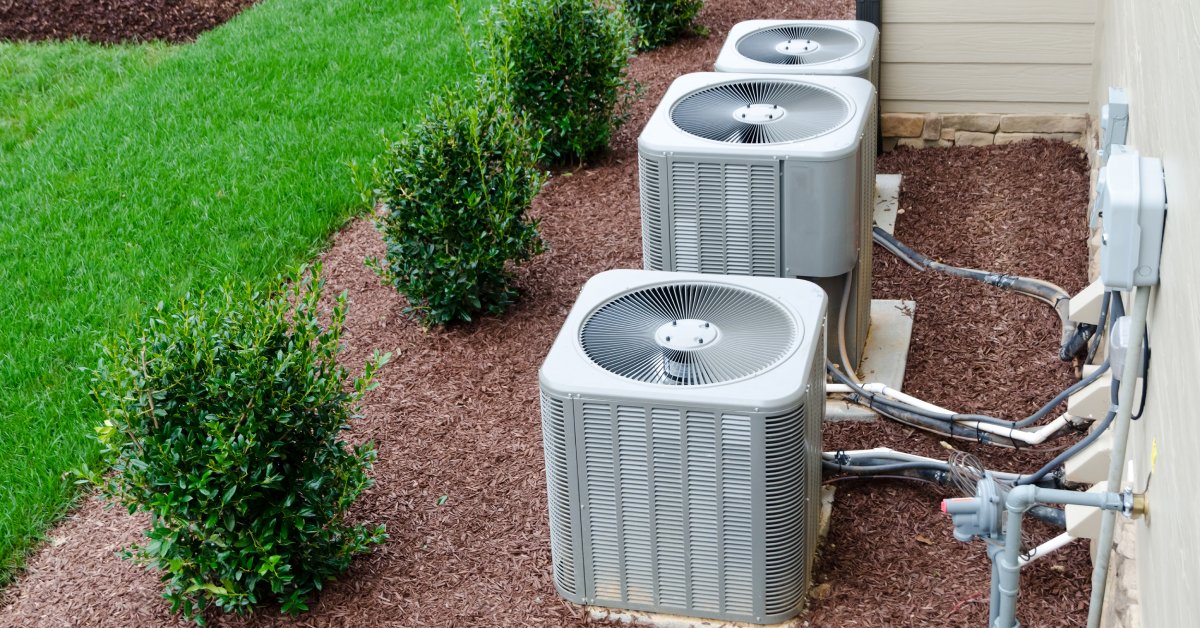
Three AC units sitting on top of concrete slabs set up next to a house, surrounded by green shrubs and neatly layered mulch.

The HVAC system is an essential component in any home, providing consistent temperatures while filtering out pollens and dust for better air quality. This is why it’s crucial to choose the right HVAC company for the proper maintenance and installation of your system.

Whether you’re dealing with a complex system installation or just need routine maintenance, finding the right professionals equipped to handle your needs is the first step toward long-term reliability. Explore the factors to consider when hiring an HVAC company so you can have a comfortable home all year.

Licensing and Certification

Trust begins with verifying a company’s licensing and certifications. Proper licensing demonstrates that an HVAC contractor complies with local and state regulations for training and safety. Additionally, industry-recognized certifications showcase a technician’s expertise. Below are some of the most widely recognized certifications for HVAC professionals.

EPA Section 608

The Environmental Protection Agency (EPA) offers Section 608 certification for professionals working with ozone-depleting refrigerants. This certification shows that the professional knows how to properly and legally handle refrigerants and prevent them from releasing into the air, ensuring an environmentally responsible service.

NATE

Another sought-after credential is certification through NATE (North American Technician Excellence), widely regarded as an indication of an HVAC technician’s proficiency and reliability in servicing everything from basic repairs to advanced HVAC systems. Companies that have this certification are more likely to offer a wider variety of services.

Reviews and Testimonials

Checking online reviews and customer testimonials can provide invaluable insights into a company’s reputation. Consistent positive feedback and testimonials from previous customers show earned respect, demonstrating the company’s ability to meet or exceed customer expectations. Reviews not only reveal the quality of work but also offer insights into key factors like punctuality, professionalism, and customer service. When evaluating reviews, look for recurring themes in customer experiences.

A close-up of a person in a reflective vest standing outdoors while holding an iPad and a digital pencil.

Evaluation and Consultation

A reputable and trustworthy HVAC company will begin the process with a thorough consultation and evaluation of your home’s specific needs. A good HVAC company will never offer a one-size-fits-all solution because they know every site is different. Instead, reputable experts will conduct on-site assessments to determine which systems and services are most suitable for the unique layout and energy requirements of your home. This not only reflects professionalism but ensures that any recommendations are tailored to optimize comfort and efficiency.

Experience

An HVAC company’s level of experience matters significantly, as it often impacts their ability to anticipate issues and provide quick resolutions. Companies that have operated in the industry for years are often better equipped to work with different brands, models, and system complexities.

Years of experience allow technicians to deliver work consistently while having the skills to adapt to new technologies. When choosing an HVAC company, don’t hesitate to ask how long they have been in the industry or whether they’re familiar with the specific systems in your home.

Pricing Transparency

Being transparent about pricing means you won’t encounter any surprises when it comes time to pay your bill. A reliable HVAC company should provide straightforward, itemized estimates before carrying out any work.

Providing transparent communication about the costs for parts, labor, and additional services builds trust between the customer and contractor. Look for companies that actively avoid upselling unnecessary services or adding hidden fees and instead prioritize customer satisfaction above profit.

Active Communication

Active communication is essential during every phase of HVAC service, from scheduling appointments to following up after the service is complete. The best HVAC companies will prioritize communication and be proactive to keep their customers informed at all stages. Whether setting clear expectations for repair timelines or promptly addressing concerns during installation, companies that excel in communication create a strong foundation of trust and accountability.

Service Options

Each HVAC company is different, and not all of them offer the services you need. Providers who offer a wide range of service options, from AC repair and furnace installation to indoor air quality assessments, can simplify home management by becoming your go-to resource.

Special Offers

Many HVAC companies entice customers with special deals or seasonal promotions. Don’t miss out on these offers, which can take the form of discounts, rebates, or free service calls. Companies offering these incentives demonstrate an understanding of their customers’ needs while showing appreciation for your business. Be sure to ask the HVAC company for promotional offers or financing options that may apply to your project.

A technician wearing a safety vest and helmet while crouching down to inspect an outdoor HVAC system. He is holding a clipboard.

Preventive Maintenance

It is crucial to regularly maintain and inspect your HVAC system every year as it battles against the changing seasons. A reliable and trustworthy HVAC company will value long-term system health as much as one-time repairs or installations.

Preventive maintenance programs, such as annual tune-ups or seasonal inspections, extend the lifespan of your HVAC system and help optimize energy efficiency. Companies offering flexible maintenance plans show that they care about keeping your home safe and comfortable even after the initial service visit.

Warranty and Insurance

A trustworthy HVAC company stands by its work with strong warranties. Look for companies that provide detailed warranties on both parts and labor, ensuring you’re covered if any issues arise after the service. Proof of insurance is another critical element, offering protection for both homeowners and technicians in the unlikely event of an accident during service.

Energy-Efficient Expertise

Energy costs are on the rise, and so is energy’s impact on environmental sustainability. A good HVAC system can not only lower your overall energy costs but also promote sustainability. Look for companies that use ENERGY STAR-certified products that can reduce energy consumption and aim to provide you with long-term cost savings.

What To Expect

When hiring an HVAC company, there are certain expectations you should hold as a standard. One of these is a thorough home evaluation, where a technician will perform an in-depth assessment of your home, looking at factors like insulation and square footage to customize your experience.

After the home evaluation, expect to receive written estimates that will help you understand what services are being provided and at what costs, offering accountability for the contractor.

At W.F. Smith, we understand the importance of transparency and accountability. We are a heating and cooling company that prioritizes the needs of our customers before profit, ensuring you get the best services tailored to your home.

A Pledge to Customer Service

Choosing the right HVAC company is crucial to maintaining the performance of your home’s heating and cooling systems. By learning the factors to consider when hiring an HVAC company, you can make a well-informed decision that aligns with your needs. Choose a company that pledges a commitment to customer service, and reap the benefits of working with skilled professionals who care about your home as much as you do.

How To Keep Your AC in Good Condition During the Off-Season

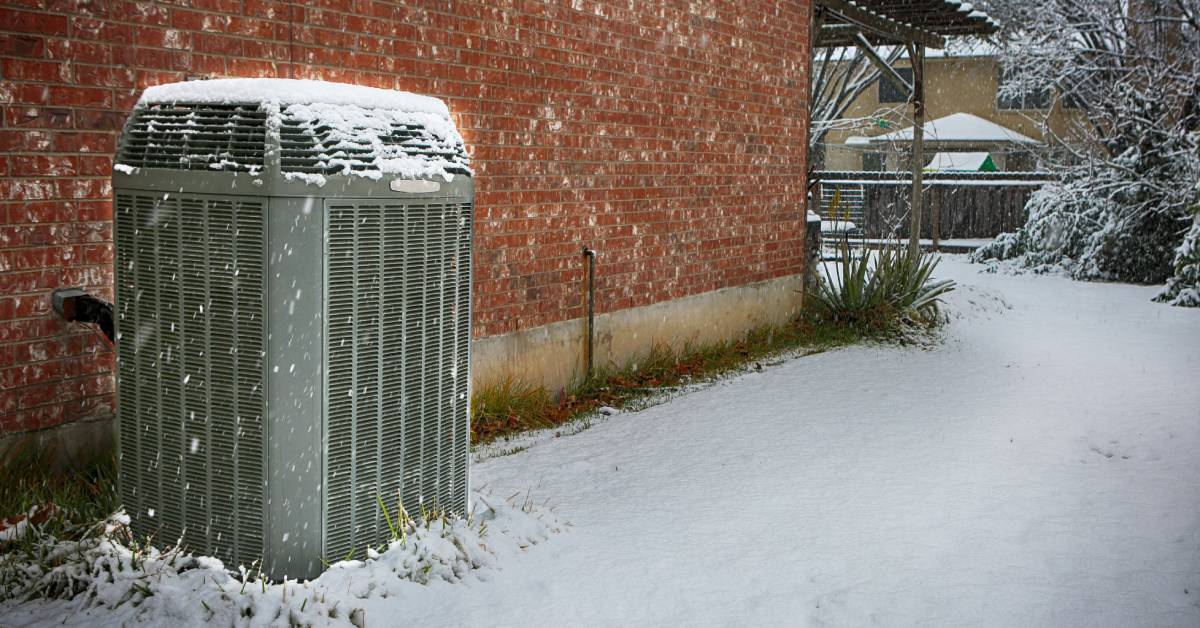
An air conditioner unit outside a brick house sits on the lawn. Snow is covering its top and surrounding it.

Your air conditioner keeps you comfortable at home, especially during the sweltering summer months. When the off-season rolls around, it’s important to take care of your AC unit.

With these pointers, your AC will stay in top shape and be ready to perform once the warm weather comes back around. Learn how to keep your AC in good condition during the off-season to save time and money.

When Is the Off-Season for Air Conditioners?

The off-season for air conditioners typically begins in the fall when temperatures start to drop, and homeowners transition from cooling to heating their homes. During this time, your AC unit remains largely inactive, giving you the perfect opportunity to focus on maintenance.

Caring for your air conditioner in the off-season helps you address issues that might have arisen while using the unit and prepare it for next summer. Proactive maintenance during these months also protects your unit from exposure to harsh weather, such as freezing temperatures or snowfall, which cause damage if left unchecked.

Clean or Replace the Air Filters

Clean air filters are essential for the efficiency and longevity of your air conditioner, even when it’s not running. Dust and debris may clog the filters, making it harder for the AC to perform well. Remove the filters, and inspect them for buildup.

If the filters are reusable, clean them according to the manufacturer’s instructions; if not, replace them with new ones. Consider setting a recurring reminder to check filters during the off-season to prevent buildup that could affect your AC’s operation later.

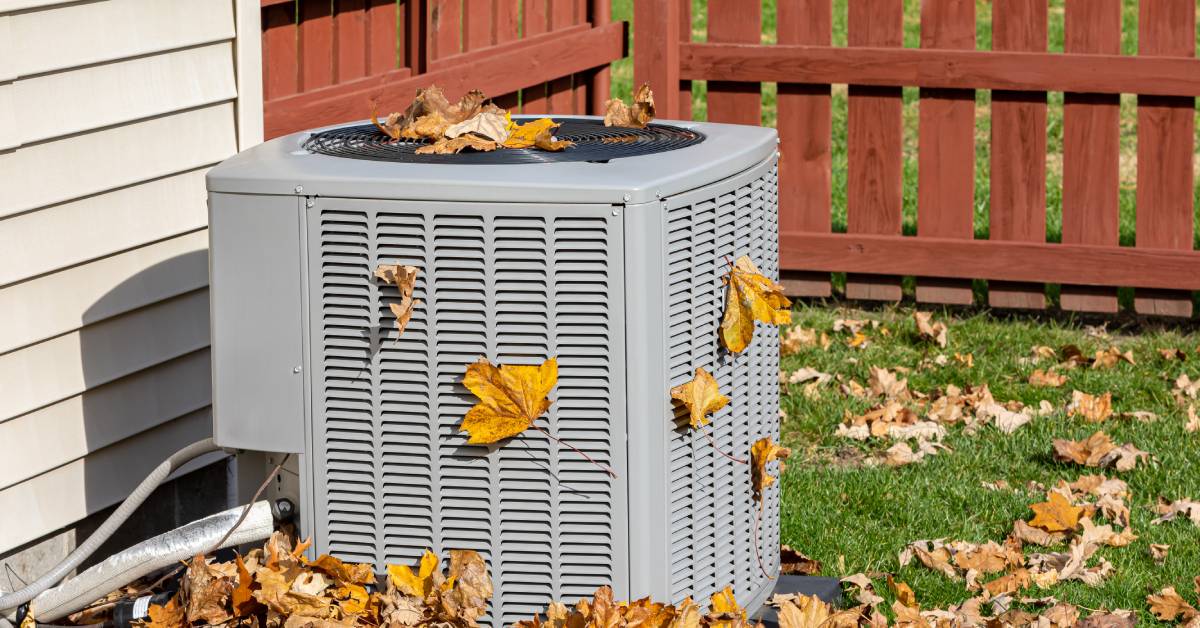
An air conditioner unit in the fenced-in yard of a house with beige siding. Brown leaves are lodged in the spaces of the unit.

Inspect and Clean the Outdoor Unit

Your AC’s outdoor condenser unit is exposed to the elements and collects debris like leaves, dirt, or twigs over time. Leaving debris unchecked obstructs airflow and leads to inefficiencies.

Use a broom or vacuum to clear the area around the unit, then gently rinse the condenser coils with a garden hose or coil cleaner to remove accumulated dirt. Avoid placing too much pressure on the fins, as damage may impact performance. It’s important to keep the air conditioner’s openings as clean as possible to ensure there aren’t any problems after starting it up once again.

Look for Visible Damage

Routine inspections during the off-season help you identify cracks, rust, or leaks before they worsen. Carefully examine the AC unit for wear or damage, paying special attention to the condenser coils, fins, and base of the system.

If you spot anything unusual, such as loose parts or visible rust, take action immediately to address the problem. Minor repairs now save you from expensive replacements or malfunctions later. If the damage seems extensive or beyond your expertise, call a professional from W.F. Smith for a thorough assessment and repair.

Check and Tighten Connections

Over time, the electrical connections and components within your AC system may loosen due to age or vibrations, which could reduce performance or create safety issues. The cold and wet conditions of the off-season may cause further damage and cause the unit to break down once you use it again.

Inspect wiring, terminals, and connections to confirm they’re all tight and in good condition. Pay attention to signs of fraying, corrosion, or wear that could compromise the unit’s functionality. Tighten loose connections carefully using the appropriate tools. If you’re unsure about handling electrical work, consult an HVAC professional. Addressing these issues during the off-season ensures your AC will run efficiently and safely when spring arrives.

Check and Clean the Drain Line

All AC units remove moisture from your home. The condensate line is responsible for draining excess moisture from your AC system, but clogs may form over time, leading to water damage or mold growth. Flush the drain line using water or a solution of vinegar or bleach and water to remove debris and grime.

If you notice standing water around the line or an unusual odor, there’s likely a clog. Regularly cleaning the drain line keeps the system in optimal condition for the spring and prevents costly repairs down the road.

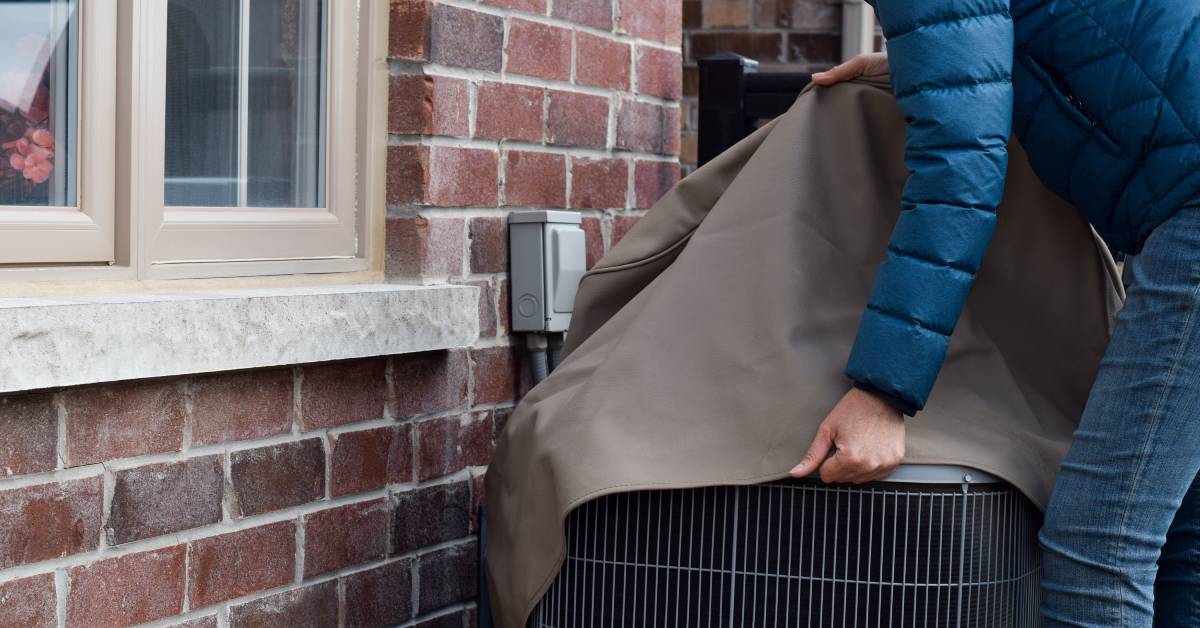
A person wearing a blue coat and jeans places a cover onto an air conditioning unit outside a brick house.

Cover the Outdoor Unit

Investing in a high-quality cover for your outdoor AC unit provides an extra layer of protection during the off-season. A cover keeps dust, debris, and snow from settling on the unit and causing damage. Look for a breathable, weather-resistant cover to avoid trapping moisture, which could lead to rust formation or mold growth inside the unit.

Secure the cover, and leave some room to encourage airflow and prevent condensation buildup. Check the manufacturer’s instructions to see if your unit needs a specific cover.

Schedule End-of-Season Maintenance With an HVAC Professional

DIY maintenance doesn’t compete with an annual inspection by an HVAC professional. The help of the experts at W.F. Smith makes a big difference in your AC’s performance and longevity. Scheduling an end-of-season or pre-season tune-up allows experts to detect hidden issues, such as refrigerant leaks or worn-out components, before they ruin your unit.

During the visit, one of our technicians will thoroughly inspect, clean, and optimize the AC system. In the event of a replacement, we will recommend options for AC installation and work with you to start the process. With a professional’s stamp of approval, you’ll have peace of mind knowing your AC is ready for a seamless transition into peak usage.

Inspect and Seal Ductwork

Leaks or gaps in ductwork significantly reduce your AC’s efficiency and put unnecessary strain on the system. During the off-season, take the opportunity to inspect ducts for visible cracks or holes. Use mastic sealant or aluminum tape to repair small leaks you find.

Sealed ductwork sends cool air to the intended areas more effectively once your AC is back in use. Keep in mind that tape and sealants are temporary solutions, and professional help will yield permanent results.

Create a Maintenance Checklist

Developing a seasonal maintenance routine encourages you to stay on top of AC care year-round. Create a checklist full of these tasks, and set reminders to complete them. Keep the checklist in an accessible spot, such as inside your tool shed, or save it digitally on your phone. Regular upkeep makes for a stress-free transition into peak cooling seasons.

Keeping your AC in good condition during the off-season is an investment in long-term comfort and cost savings for your home. By following these steps, you’ll prevent future breakdowns, save on energy bills, and keep your home cool and comfortable during periods of hot weather.

If you’re unsure about any of these tasks or need expert guidance, reach out to a trusted HVAC professional.