
How Long Can You Expect a New AC System To Last?

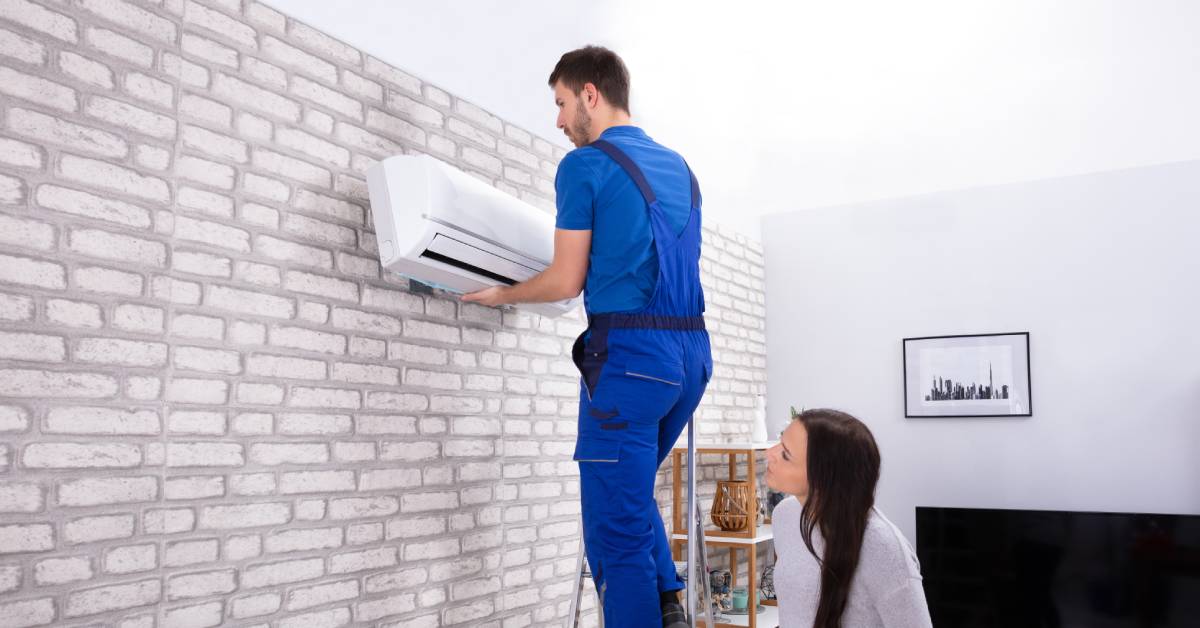
A man in a blue shirt and overalls stands on a ladder as he lifts an air conditioner onto the wall while a woman watches.

Air conditioning systems are essential for comfort at home. With this in mind, it’s important to understand how long you can expect your new AC system to last. Learn the limits of your air conditioning unit and the factors that affect its longevity.

Average Lifespan of Different AC Units

Different air conditioning systems have varying life expectancies. Central air conditioners typically last between 12 and 15 years, while ductless mini split systems usually have a shorter lifespan of 10–15 years. Either type can last up to 20 years with regular maintenance.

Keep in mind that these figures are averages and may differ based on brand, model, and environmental conditions. Understanding these lifespan ranges is vital for homeowners who are considering future replacement or upgrade costs.

Factors Affecting AC Lifespan

The lifespan of an air conditioning system depends on various factors, including the quality of the unit, the regularity of maintenance, and the frequency of use. The frequency and intensity of usage, especially in regions with extreme climates, also affect how long an AC system functions. High-quality AC units from reputable manufacturers last a long time due to their superior components and construction. Regular maintenance can resolve issues and ensure the unit lasts as long as possible.

Signs Your AC Might Be Nearing the End

Several signs indicate that your air conditioning system is nearing the end of its life. Frequent breakdowns and repairs are the most obvious, suggesting that the system’s components are worn out.

Reduced efficiency, such as longer cooling times or uneven temperatures, means the system is struggling to operate effectively. An increase in energy bills without a corresponding change in AC usage patterns also indicates that your AC unit won’t last much longer.

Tips To Extend the Lifespan of Your AC

Although all AC units will eventually reach their expiration, you can extend that lifespan. Regularly clean the unit and replace the filters to support airflow and reduce strain on the system.

Schedule periodic maintenance from the pros at W.F. Smith to identify and rectify issues before they worsen. Consider using your system more efficiently by setting a reasonable thermostat temperature and using fans to circulate cool air, alleviating the workload on your AC.

The Importance of Professional Maintenance

Investing in annual or bi-annual maintenance significantly extends your AC’s operational life. Reach out to W.F. Smith for expert evaluations and adjustments. Our technicians will spot and fix minor problems before they develop into major issues. Regular servicing keeps your system running at peak efficiency, potentially lowering your utility bills! We also excel in air conditioning installation services if you need a new unit.

Understanding how long you can expect your new AC system to last helps you make informed choices about maintenance and upgrades. Focus on quality, proactive care, and timely replacement to ensure optimal performance and constant comfort in your home.

Consult our HVAC professionals to receive personalized advice to maximize the effectiveness and longevity of your system.
4 Ways To Maximize Your Air Conditioner Efficiency

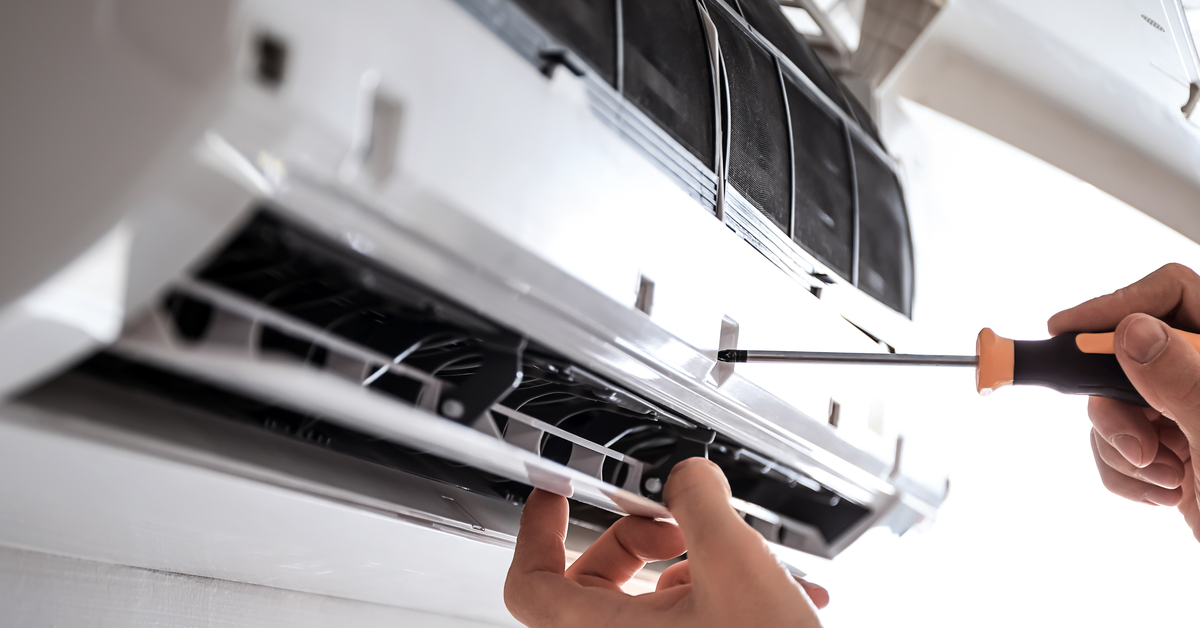
The hands of a electrician uses a screwdriver to adjust the screws of an indoor air conditioner installed near the ceiling.

A well-functioning air conditioner is a lifesaver for homeowners in the sizzling summer months. However, having the best unit to beat the heat and enjoy your time inside is important. Here are a few ways to maximize your air conditioner efficiency to stay cool longer while giving your unit the upgrades it deserves.

1. Regular Maintenance

Your AC unit requires consistent care to perform at its best and prevent unexpected breakdowns.

Schedule annual inspections with a professional HVAC technician. These professionals identify and fix minor issues before they turn into complex repairs. During these inspections, technicians typically clean the coils, check refrigerant levels, and ensure all components are in working order.

Change or clean your air filters regularly between professional visits. Dirty filters restrict airflow, making your AC work harder and use more energy. A quick monthly check keeps your system running smoothly.

2. Smart Technology

Incorporating smart technology enhances your air conditioner’s function in your home. Implement smart thermostats to control your home’s temperature remotely via your smartphone.

These devices learn your schedule and adjust the cooling accordingly, ensuring you don’t waste energy away from home. By maintaining a consistent temperature, smart thermostats reduce the strain on your AC unit, extending its lifespan and lowering energy bills.

Consider integrating smart vents and sensors to maximize your air conditioner efficiency. These tools detect occupancy and adjust airflow to occupied rooms, optimizing cooling and saving energy.

3. Seal and Insulate Your Home

Proper insulation and sealing are crucial in maximizing your air conditioner’s output. Your AC unit works harder to maintain a comfortable temperature when cool air escapes through gaps and poorly insulated areas.

Use weatherstripping and caulking around drafty windows. Insulating your attic and walls prevents cool air from escaping.

Consider using thermal curtains or blinds to block out the sun’s heat during the hottest parts of the day for extra efficiency. This simple step reduces the load on your air conditioner and keeps your home cooler.

4. Use Energy-Saving Behaviors

Adopting energy-saving behaviors can make a big difference in your air conditioner’s efficiency. Simple habits go a long way toward reducing energy consumption and keeping your home comfortable.

Set your thermostat to a higher temperature when you’re not at home. Even a small adjustment leads to significant energy savings over time. Try to keep the thermostat at a reasonable temperature when you’re at home, ideally around 78 degrees Fahrenheit.

Additionally, use ceiling fans to enhance cooling. Fans help circulate the air, allowing you to feel cooler without lowering the thermostat. Remember to turn off fans when you leave a room to save energy.

Implementing these methods will maximize your air conditioner’s efficiency and allow you to enjoy a cooler, more comfortable home without the hefty energy bills. Contact W.F. Smith for the best AC installation services and the best results. We provide excellent advice and will ensure your home is the ideal setting for relaxation.

Tips for Getting Your Air Conditioner Ready for Summer

The anticipation of summer brings with it a mixture of excitement and preparation for that type of weather. While visions of sunny skies and outdoor adventures are appealing, facing the intense heat requires some forethought and action—especially when it comes to creating a comfortable indoor environment.

The heart of ensuring a cool and serene home environment lies in the effective functioning of your air conditioning system. Neglecting the health of your AC system can lead to inefficiency, increased energy bills, and the trouble of high temperatures. Implementing these tips for getting your air conditioner ready for summer will ensure it operates efficiently and cost-effectively, providing a tranquil and cool sanctuary.

Check and Clean the Condenser Unit

The outdoor condenser unit plays a crucial role in the efficient operation of your air conditioning system. It expels heat from your home to the outside, and when it’s full of leaves, dirt, or debris, it can’t perform well. Start by cutting back any vegetation or shrubs to allow at least two feet of clearance around the unit.

Ensure Proper Insulation and Sealing

Efficient cooling isn’t just about the air conditioning unit itself; it’s also about how well your home retains the cool air it produces. Check the insulation in your attic, walls, and around ductwork to ensure it’s adequate. Look for any drafts around doors and windows, and seal them to prevent cool air from escaping. This measure will not only improve your home’s cooling efficiency but also reduce energy costs.

Schedule Professional Maintenance

While you can undertake several tasks yourself, professional maintenance by certified AC installation contractors ensures a thorough examination and tuning of your air conditioners. Experts will check coolant levels and the electrical system and ensure all components are in good working order. Identifying potential issues before they escalate will ensure your system operates at peak efficiency. They will also suggest when it is time to upgrade your system and ensure you get the most out of your investment.

Clean or Replace the Air Filters

One of the simplest yet most effective tips to enhance the performance of your air conditioning system is to clean or replace its air filters. Over time, filters accumulate dust, pet dander, and other airborne particles, impairing airflow and reducing the system’s efficiency. By cleaning or changing the air filters every month during high-usage periods, you ensure better air quality indoors and reduce the workload on your AC, which can prolong its lifespan.

Upgrade Your Thermostat

If you haven’t already, consider upgrading to a programmable or smart thermostat. These devices can significantly improve the efficiency of your air conditioning by allowing you to set different temperatures throughout the day automatically, ensuring your home is cool. With features allowing remote control via smartphone apps, managing your home’s climate has never been more convenient.

Taking proactive steps to maintain and optimize your AC enhances your comfort during the warmer months while extending the life of your system and reducing energy bills. Don’t wait for the first heatwave to realize your air conditioner isn’t up to the task. Start preparing now and enjoy a comfortably cool home all summer long.

What’s Wrong With My Air Conditioner? Several Common AC Problems That Arise in Summer

It’s every Philadelphia homeowner’s worst nightmare, turning the air conditioner on in the summer for the first time of the season, only to discover there’s something wrong with it. No one wants to deal with an air conditioner problem, which makes it essential to have a reliable AC repair service company in Philadelphia that you can trust — W.F. Smith Heating & Air Conditioning.

Continue reading

Why Is My Air Conditioner Blowing Hot Air?

AC Unit Not Cooling? Here’s Why…

The temperature is starting to heat up as we head into the summer season, which means that you’re going to want your air conditioner to be working as effectively as possible. If you turn your air conditioning unit on and it begins blowing hot air, then obviously something is wrong.

The last thing you want your air conditioner to do is to heat your home instead of cooling it, after all.

Reasons Your Air Conditioner Blows Hot Air

The following are a few reasons why your air conditioner may be blowing hot air:

Your outdoor unit is clogged – Central air conditioner systems make use of two units – one of which is located outside of your home. These units work in tandem to remove heat from your home. However, it needs unrestricted airflow to the condenser coil located in the outdoor unit to be able to do this.

If the outdoor unit is clogged up with dirt, leaves or other debris, it will restrict the airflow, causing the indoor unit to blow hot air. Just clean the outdoor unit in order to remove whatever was blocking the airflow.

Your outdoor unit has lost power – In some cases, the outdoor unit may have lost power while the indoor unit continues to operate. This can result in warm air blowing through your vents. This can happen if the breaker to the outdoor unit tripped or because the emergency shutoff switch was flipped.

Simply reset the breaker or the emergency switch. If either trip again, contact a professional. The reason it’s tripping constantly is because there is most likely a serious electrical problem with the air conditioning unit.

The coils are dirty – If the air conditioner’s coils are dirty, it’s going to restrict airflow, which can result in hot air being blown through your vents.

Your coils won’t get dirt if you schedule an annual air conditioner inspection – a professional will clean the coils while performing a thorough inspection of your air conditioner.

Your air conditioner is low on refrigerant – Without the proper levels of refrigerant, your air conditioner system won’t be able to effectively remove heat from your home. Usually, if your refrigerant levels are low, then there’s a leak.

A professional HVAC technician will identify the leak, fix the leak and re-fill your unit with the proper amount of refrigerant.

Your thermostat is set wrong – Believe it or not, but if your thermostat is set improperly, then it could cause your air conditioner to blow hot air. Check your thermostat and make sure that it’s not set to “HEAT” or that the fan isn’t set to “ON.”

If the fan is set to “ON,” then your fan will be blowing air through your vents even when your air conditioner isn’t working to cool the air it’s blowing. It’s why you might be feeling warm air blowing through your vents.

Air Conditioner Repair in Philadelphia

These are some of the reasons why your air conditioner may be blowing hot air. Be sure to contact W.F. Smith to schedule an air conditioner repair today.