
The Pros and Cons of High-Efficiency Furnaces

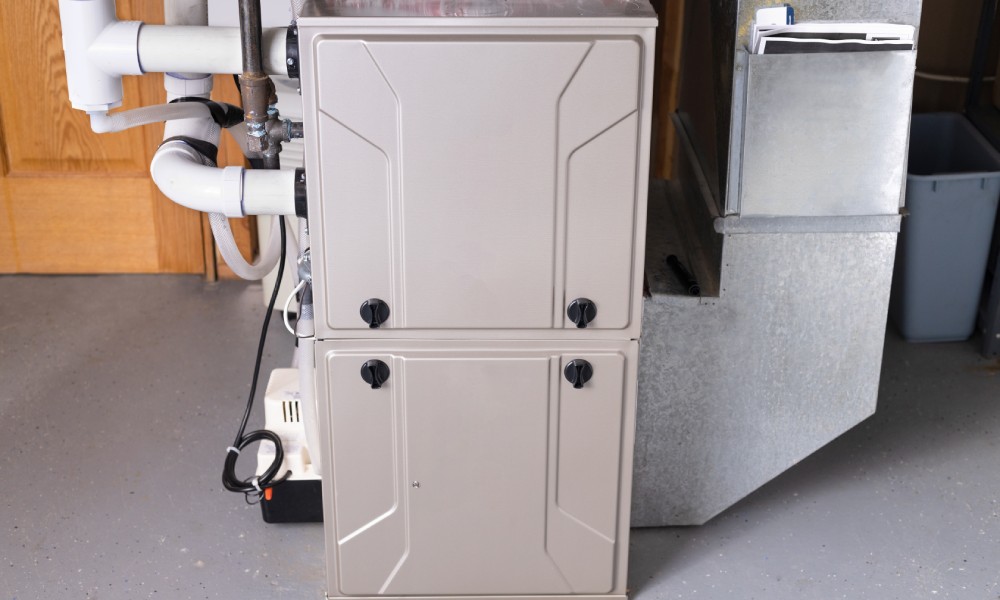
A light grey double-stage high-efficiency gas furnace standing on concrete floor in a residential basement.

Exploring the realm of home heating solutions leads many to consider high-efficiency furnaces as a beacon of sustainability and economic sensibility. These advanced heating systems promise cozy living spaces during cold months, offering a blend of environmental friendliness and cost-effectiveness.

But opting for such a significant home upgrade involves weighing both its advantages and potential downsides. Let’s delve into the pros and cons of high-efficiency furnaces. Arm yourself with the knowledge needed to determine if this green heating solution is the ideal match for your abode and your lifestyle.

Pro: Long-Term Cost Savings

High-efficiency furnaces operate at 90–98 percent AFUE (annual fuel utilization efficiency), meaning they convert nearly all the fuel to usable heat. This efficiency translates into significant savings on utility bills over time, as less energy is wasted during the heating process. Homeowners can expect a noticeable reduction in monthly heating costs, making these furnaces an economically sound choice in the long term.

Con: High Initial Investment

The most significant barrier for many homeowners is the upfront cost. High-efficiency furnaces come with a higher price tag compared to standard models due to their advanced technology and materials. This initial investment can be prohibitive, despite the potential for long-term savings on energy bills.

Pro: Low Environmental Impact

High-efficiency furnaces reduce the amount of greenhouse gas emissions produced by utilizing less fuel to generate the same amount of heat. This makes them an eco-conscious option for homeowners looking to minimize their carbon footprint. The efficiency of these systems aligns with growing concerns about energy conservation and environmental stewardship.

Con: Complex Installation Requirements

Installing a high-efficiency furnace often requires significant modifications to existing ductwork, drainage systems, and vents, especially in older homes. This complexity can make installation more expensive and require a more extended setup period, making the transition to a high-efficiency system more complicated and potentially disruptive.

Pro: Improved Indoor Air Quality

Many high-efficiency furnaces are equipped with advanced filters that can improve indoor air quality by removing contaminants from the air as it circulates through the heating system. A residential furnace installation of this quality is particularly beneficial for households with individuals who have allergies or are sensitive to dust and other airborne particles.

Con: Maintenance and Repair Considerations

With advanced technology comes the need for specialized maintenance and repairs. High-efficiency furnaces may require more frequent check-ups by qualified technicians to maintain their optimal performance levels. Additionally, when repairs are needed, they can be more costly and complex due to the specialized components and technology involved.

Deciding to upgrade to a high-efficiency furnace is no small undertaking. Ultimately, your choice should align with your priorities, values, and the specific needs of your household. Whatever direction you choose, understanding the pros and cons of high-efficiency furnaces is a solid step toward making an informed decision that heats your home responsibly for years to come.

Why Does My Heating System Click?

Generally speaking, your furnace shouldn’t make a lot of noise when it’s running. A gentle hum is normal, but any other loud sounds that you don’t ordinarily hear could indicate that something is wrong. One sound that you might hear if there’s an issue with your furnace is that of a clicking sound.

Reasons Your Furnace is Clicking

If you hear a clicking sound coming from your furnace while it’s running, it’s best to call a professional furnace repair service to come and inspect your furnace in order to determine the exact problem – and to fix it. The following are some of the potential problems your furnace might be experiencing if you hear a clicking sound:

  • There’s a problem with the ignitor – If you have a gas stove, then you’re aware of the brief clicking sound it makes when you first fire it up. You’ll hear this too when the furnace first starts up. However, it shouldn’t last very long. If the clicking continues for more than a minute, it could mean that the igniter is dirty or clogged and needs to be either cleaned or repaired.
  • The gas valve is clogged – If the furnace is working perfectly fine and the ignitor isn’t dirty or clogged, then it could mean that there’s an issue with the gas getting to the pilot light. The clicking will continue because the ignitor is trying to spark a flame without gas. This could be a result of your a clogged gas valve.
  • The thermocouple is stopping the gas – The thermocouple flame sensor is a safety mechanism in the furnace that will shut the gas off if there’s a problem with the flame temperature. In some cases, the thermocouple may not be working properly and may be improperly sensing a problem with your flame temperature.
  • The furnace motor is having issues – If the furnace is running properly and producing heat but you’re still hearing clicking sounds, it could be the motor bearings in the furnace motor. It could also be other small parts knocking around inside the motor. This should be inspected as it could result in an important component getting damaged or breaking.
  • There’s an issue with the inducer – If you have an oil furnace, then the fan on the inducer could be dirty, clogged or loose, which will cause a clicking sound as it runs.
  • The ductwork is damaged – If the clicking sound is coming from your ducts and not your furnace, then it may mean that there are loose or cracked ducts in your ductwork.

If you’re hearing clicking sounds in your furnace as it attempts to start up or while it’s running, then it could be the result of any of these problems. If you’re in the greater Philadelphia area, we recommend contacting us at W.F. Smith as soon as possible by visiting us online or to schedule a furnace inspection. Even if the issue turns out to be minor, fixing it as soon as possible can help to prevent worse and more expensive problems from happening.

How Long Will My Heating System Last?

In order to make it through the winter every year, you’ll want to make sure that you have a heating system that you can depend on. The last thing you’ll want is for your heating system to break down on you in the midst of some of the coldest temperatures of the year. Knowing when to replace your heating system will help you to avoid such problems.

How Long do Heating Systems Last?

When it comes to something like a furnace or a boiler, you can expect them to last between ten and 15 years. However, these days, newer heating systems are much more effective and efficient, which means that newer heating systems could end up lasting upwards of 25 years. This does depend on how you take care of your heating system.

Maintaining Your Heating System

If you make sure that your heating system is properly maintained, then it’s more likely to last longer. There are a few ways that you can do this.

  • Improve your home’s efficiency – If your home is losing heat, it means that your heating system will have to work extra hard to replace that heat. By eliminating air leaks throughout your house and by taking other measures to improve your home’s efficiency, such as adding better insulation or upgrading old windows and doors to more energy efficient models, you can help keep heat from escaping your home, allowing your heating system to work less. The less it has to work, the longer it will last.
  • Change your filters – Your air filters help to keep your home’s air quality high. Their job is to trap dust and debris, thereby preventing contaminants from circulating throughout your home. However, if the filters get too dirty, they will begin obstructing the air flow throughout your house, which will force your heating system to use more energy to produce more heat, thereby causing unnecessary wear and tear. Check your filters every month and change them every one to three months as needed.
  • Schedule annual inspections – A thorough inspection before winter can help ensure that your heating system is working effectively and efficiently. Professional inspectors will make repairs, clean components and lubricate parts as needed to help keep your heating system working properly for as long as possible.

Signs You Need to Replace Your Heating System

The following are some of the common signs that your heating system is reaching the end of its life and needs to be replaced:

  • Your heating bills are too high – If your heating costs have skyrocketed, it means that your heating system can no longer produce heat efficiently.
  • It’s no longer working effectively – If you’re unable to heat your home effectively or evenly, it could be because your heating system is reaching the end of its lifespan.
  • It’s making strange sounds – Strange, loud sounds are often indicative of broken or damaged components.

To schedule an inspection or to replace your heating system, be sure to contact us at W.F. Smith in Philadelphia and serving the surrounding cities.

Tips For Reducing Heating Costs

Now that summer is at an end, temperatures are going to begin dropping steadily. Like most homeowners and business owners throughout the Philadelphia area, odds are you’ll be relying more and more on your heating system to keep your property warm and comfortable. Unfortunately, this also means that your heating costs are going to get higher and higher. However, there are several ways that you can keep those heating costs down.

Reducing Your Monthly Heating Costs

The following are a number of tips that you should follow in order to reduce your heating costs while still keeping your home or place of business warm and safe throughout fall and winter:

  • Use your curtains wisely – Figure out which windows face the sun during the day and leave them open to let in as much sunlight (and heat) as possible. Keep the curtains on the windows facing away from the sun closed to keep the heat trapped inside. Once night comes around, make sure the curtains are all closed to help prevent heat from escaping. This allows you to depend less on your heating system.
  • Change your air filters – Clean or replace your air filters every month. Dirty air filters will obstruct the flow of hot air throughout your home or business.
  • Use your ceiling fans – Believe it or not, but ceiling fans can be extremely effective during the winter. Flip the switch on the body of the fan to run it in reverse. The blades will push the hot air that’s rising up back down, thereby keeping your rooms warm and preventing heat from escaping towards the ceilings. Because your home or business will be more evenly heated, your heating system won’t have to work more to replace lost heat.
  • Insulate the attic – If your attic isn’t properly insulated, it should be. Insulation in the attic will help keep warm air from escaping through your ceilings and up into the attic, where it’s not needed.
  • Install a programmable thermostat – A programmable thermostat will allow you to program your heating system to heat your home to different temperatures at different times of the day for up to a week in advance. This means that you can program it to lower to a more cost efficient setting right after you leave home for work and have it go back up to a more comfortable setting right before you return.
  • Get a tune-up – Have your heating system inspected by a professional. They will repair or replace worn out parts, clean dirty components and lubricate moving pieces to ensure that your system will not only function more effectively but more efficiently as well.

These are a few tips that can help you to reduce the cost of heating your home or place of business during the colder times of the year. If you need a residential or commercial heating system inspection in the Philadelphia area, be sure to contact us at W.F. Smith today.

How Often Should I Change My Furnace Filters?

Your furnace filter is meant to help prevent dust, debris, and other contaminants from being spread throughout your home. It traps these things, thereby preserving your air quality as heat circulates throughout the house. However, it’s important that you change your furnace filters before they get too dirty. Once dust, debris, and other contaminants begin building up, they can not only restrict airflow but can compromise the quality of your air as well.

Continue reading