Dual-Fuel Heating Systems: What Are They & How Do They Work?

A pink flower blooms outdoors, with a gray modern heat pump system behind it, installed next to a red brick wall.

Keeping your home warm when the temperature dips is essential, but the cost can feel overwhelming. You likely rely on a furnace or a heat pump, and both have their limitations depending on your climate.

However, there is a way to bridge the gap between efficiency and power. It involves combining two distinct technologies into one seamless package. So, what are dual-fuel heating systems, and how do they work? By understanding how these hybrid systems operate, you can decide if this technology is the right upgrade for your household.

Understanding the Basics of Dual Fuel

You might hear the term dual fuel and immediately think of a hybrid vehicle. That comparison is actually quite accurate.  It combines an electric heat pump with a gas furnace. A heat pump is excellent at moving heat from the outside air into your home, which is highly efficient in mild temperatures.

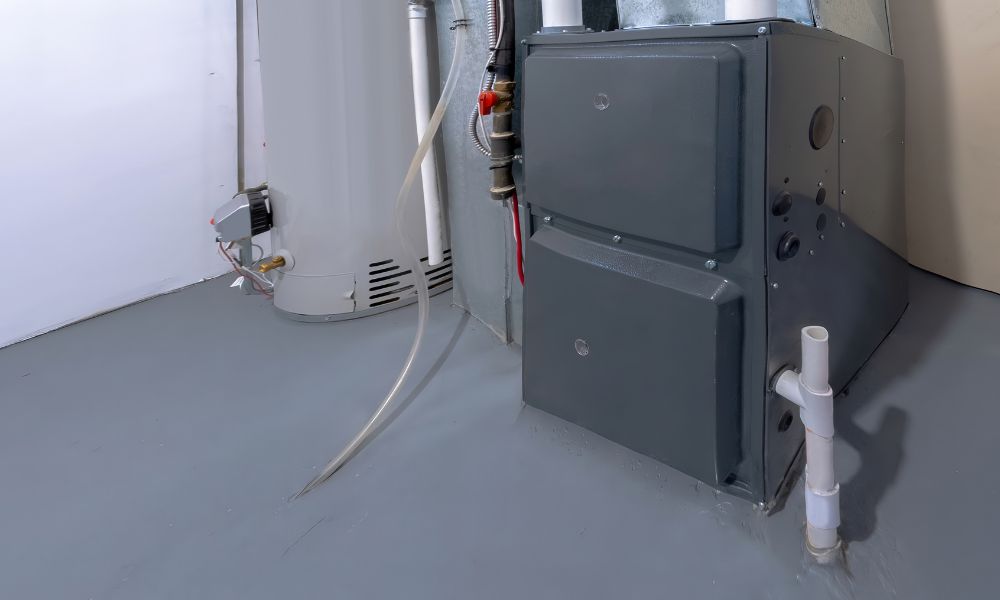
Meanwhile, a gas furnace generates heat through combustion, providing powerful warmth when temperatures drop below freezing. A dual-fuel system installs both units and alternates between them based on which is most efficient at that moment.

A gray heat pump unit installed outdoors sits next to a white AC unit. Behind them is a brown, wooden wall.

How the Technology Functions

The magic of this system lies in its ability to think for itself! You do not need to manually switch between the heat pump and the furnace. The system utilizes a control mechanism that monitors the outside temperature.

The Role of the Heat Pump

During moderately cold days, the electric heat pump does the heavy lifting. Heat pumps transfer heat rather than generate it, so even when it feels cold outside, there is still thermal energy in the air. The pump extracts this energy and moves it inside. Because the heat pump operates during these milder periods, you save money by not burning expensive fossil fuels when they aren’t necessary.

When the Furnace Takes Over

Heat pumps lose efficiency as the temperature outside approaches freezing. There is simply less heat in the air to extract, and the unit has to work much harder to maintain your indoor temperature. This is where the gas furnace steps in!

Once the outdoor temperature drops below a specific set point, the system automatically shuts off the heat pump and fires up the furnace. They’re less efficient energy-wise than heat pumps, but they’re far more effective at keeping a home warm during a deep freeze.

The Switching Point

The transition point between the two systems is usually determined during installation. A technician will set a balance point where the heat pump becomes less cost-effective than the furnace. The system effectively hovers around this point, constantly evaluating the outdoor conditions to choose the most economical heating source for your home.

Why Homeowners Choose Hybrid Heating

Efficiency is the primary reason people invest in these systems. You are no longer locked into a single fuel source that might be inefficient for half the winter. You utilize electricity when it is cheapest and most effective, and you use gas only when you absolutely need that extra power.

Comfort is another major factor. Heat pumps provide a steady, gentle warmth that many people find pleasant. However, they can struggle to keep up during a blizzard. Furnaces blast hot air that instantly warms a room, but can sometimes make the air feel dry or stuffy. A dual-fuel system gives you the best of both worlds! You get the consistent comfort of the heat pump for most of the winter, with the furnace’s raw power in reserve for the coldest nights.

Considering the Installation Costs

We must address the financial realities of installing a dual-fuel system. You’re essentially buying two heating systems instead of one. The upfront cost will be higher than replacing a standalone furnace or heat pump, but the upgrade cost from a furnace and air conditioner to a dual fuel system is relatively small in many cases.

However, it’s helpful to consider the total cost of ownership rather than just the installation price. The monthly savings on your energy bills will begin to pay back that difference immediately. You also gain peace of mind knowing you have a backup. If one component requires repair, the other can often still operate to keep your home from freezing.

A tall, gray dual heat pump and AC unit sits on the grass outdoors, next to a brick wall and a towering tree.

Evaluating Your Climate

Geography plays a major role in whether a dual-fuel system makes sense for you. If you live in an area where temperatures rarely drop below freezing, a standard heat pump is likely all you need. The furnace component would rarely turn on, making the extra investment unnecessary.

These systems shine brightest in areas with four distinct seasons or regions where winter temperatures fluctuate. If your winter involves plenty of days in the 30s and 40s, with occasional dips into the teens or 20s, a hybrid system is ideal. It can use the heat pump for most of the season and rely on the furnace for those harsh cold snaps.

Maintenance Requirements

Owning a sophisticated system means staying on top of maintenance. You have two units that rely on each other, so professional check-ups are vital. You need a technician who understands both the refrigeration cycles of the heat pump and the combustion processes of the furnace. Neglecting one part of the system can strain the other, reducing the efficiency you paid for.

However, routine filter changes remain your responsibility. Keeping airflow unrestricted helps both the furnace and the heat pump operate correctly. Beyond that, scheduling annual maintenance before the heating season begins allows a professional to verify the switch point settings and clean the internal components.

Making the Right Choice for Your Home

Upgrading your heating system is a major decision. It impacts your comfort every single day and affects your finances for years to come. A dual-fuel system represents a modern approach to an age-old problem, acknowledging that no single heating method is perfect for every temperature and combining strengths to address it.

Now that you know what dual-fuel heating systems are and how they work, the next step is to look at your specific home configuration. Reach out to a certified HVAC professional to discuss your current setup! They can calculate your potential savings and help you determine if a hybrid system is the smart move for your comfort and your wallet.

At W.F. Smith, we are committed to providing furnace installation services you can rely on. With decades of experience serving the community and a deep understanding of modern heating systems, including innovative dual-fuel technology, our certified technicians are ready to guide you. If you’re considering switching to a more efficient and reliable heating system, give us a call today!

HVAC Packaged Units vs. Split Systems: The Differences

A light gray outdoor HVAC unit sits on top of stone bricks next to a smaller unit, surrounded by greenery.

When it’s time to choose a new heating and cooling system for your home, you’ll find that several options are available. Two of the most common choices are packaged units and split systems. Understanding the differences between them is the first step toward picking the right one for your specific situation. This guide will walk you through the differences between HVAC packaged units versus split systems so that you can make a confident, informed decision. We’ll explore the features, benefits, and considerations of each to provide you with a clear understanding of what it offers.

What Is a Split System?

A split system is the most common type of HVAC system found in homes across the country. As the name suggests, it is “split” into two main components: an indoor unit and an outdoor unit. These two parts work together to heat and cool your home.

The Indoor Unit

The indoor part of a split system is either a furnace with an evaporator coil or an air handler. The furnace is responsible for heating the air, which is then distributed throughout your house via a network of ducts. The evaporator coil plays a crucial role during the summer, working in conjunction with the outdoor unit to cool your home. This indoor equipment is typically located in a closet, basement, or attic, out of sight from the main living areas.

The Outdoor Unit

The outdoor unit houses the compressor and the condenser coil. This is the part of the system you see outside your house. Its job is to release the heat that has been removed from your home’s air during the cooling process. The two units are connected by a set of copper tubes, known as a refrigerant line, which circulates the refrigerant needed to transfer heat.

Efficiency and Flexibility

Split systems are known for their high efficiency. Because the components are separated, they can be larger and more powerful. This enables higher SEER (seasonal energy efficiency ratio) ratings, resulting in lower energy consumption and reduced utility bills. They also offer great flexibility, as you can mix and match components to best suit your home’s specific heating and cooling needs.

A gray commercial air conditioning unit sits on top of a building's rooftop, surrounded by a floor of snow.

What Is a Packaged Unit?

A packaged HVAC unit combines all the necessary heating and cooling components into a single, self-contained cabinet. The compressor, condenser, evaporator, and furnace are all housed together in one box, which is typically located on the roof, although there are also specialty products that are installed through the wall in an exterior closet.

All-in-One Design

The primary characteristic of a packaged unit is its all-in-one design. This consolidation of components makes installation simpler and faster compared to a split system. Since everything is in one place, maintenance can also be more straightforward for technicians, as they don’t have to move between indoor and outdoor locations to service the system.

Space-Saving Solution

Packaged units are excellent choices for properties with limited indoor space. Since there is no indoor component, you don’t have to sacrifice a closet, attic, or basement area to house a furnace or air handler. This makes them popular options for smaller homes, commercial buildings, and mobile homes, where maximizing interior space is a priority.

Types of Packaged Units

Several types of packaged units are available. Some offer only air conditioning, while others combine heating and cooling. You can find gas-electric models, which use a gas furnace for heating and an electric air conditioner for cooling. There are also all-electric versions, sometimes referred to as heat pump packaged units, which handle heating and cooling functions.

Two service technicians wearing blue shirts and jeans examine and test a white outdoor HVAC unit with tools.

Key Distinctions Between the Two

Now that you have a basic understanding of each system, let’s examine the key points of comparison.

Installation and Space

The most obvious difference is the physical setup. A split system requires both indoor and outdoor space, along with the installation of refrigerant lines to connect the two units. A packaged unit, on the other hand, needs only a single outdoor location. This makes packaged units ideal for buildings without basements, attics, or extra closet space.

Energy Efficiency

Split systems generally offer higher energy efficiency. The separation of components enables the use of larger coils and more sophisticated designs, which in turn contribute to higher SEER ratings. Modern packaged units have become significantly more efficient over the years, but top-of-the-line split systems often lead the way in terms of performance and energy savings.

Maintenance and Noise

Maintenance for a packaged unit can be simpler because all components are in one accessible location. For split systems, technicians may need to access both the indoor and outdoor units.

Noise is another factor. Since all the operational parts of a packaged unit are outside, the indoor environment may be quieter. With a split system, the indoor fan and furnace will generate some noise inside the house.

Cost Considerations

The initial cost can vary. Packaged units often have lower upfront installation costs because the installation process is simpler—unless a crane is needed for a rooftop installation—but the total price depends on the model, brand, and efficiency rating. Over the long term, the higher efficiency of a split system could lead to greater savings on your energy bills, which might offset a higher initial investment.

Which System Is Right for You?

Deciding between a packaged unit and a split system comes down to your home’s layout, your budget, and your priorities. If you live in a smaller home or property where indoor space is limited, a packaged unit is a fantastic space-saving choice. It provides effective heating and cooling without occupying valuable space inside. This is also a common solution for commercial buildings with flat roofs.

If your home can easily accommodate both indoor and outdoor components and your main goal is to maximize energy efficiency, a split system is likely the better option. Its potential for higher SEER ratings can lead to substantial long-term savings and a smaller environmental footprint.

Your Path to a Comfortable Home

Ultimately, understanding the differences between HVAC packaged units versus split systems is about finding the perfect fit for your lifestyle and property. Both systems are reliable, effective ways to keep your home comfortable throughout the year. The best choice is the one that aligns with your space requirements, efficiency goals, and budget.

If you’re still unsure which direction to go, consulting with a qualified HVAC professional is always a good idea. An expert can assess your home’s unique characteristics and help you select a system that will provide you with comfort and peace of mind for years to come.

At W.F. Smith, we’re proud to be a leading heating and cooling company with decades of hands-on experience serving the Philadelphia community. Our team of certified technicians is dedicated to delivering reliable, high-quality service tailored to meet your specific needs. We believe in getting the job done right the first time, ensuring your home remains a sanctuary of comfort. Contact us today!

The Advantages of Dual-Fuel Heating Systems

The Advantages of Dual-Fuel Heating Systems

The quest for an optimal home heating solution is more relevant than ever in today’s world. Homeowners not only seek to reduce their carbon footprints but also aim to enhance the comfort and livability of their spaces, all while keeping an eye on energy consumption and costs.

With multiple heating options available, the advantages of dual-fuel heating systems emerge as a compelling answer to these demands. By blending the efficiency of an electric heat pump with the robust heating capabilities of a gas furnace, this system offers a versatile and environmentally friendly approach to home heating.

Cost-Effective Operation

The initial cost of a dual-fuel heating system may be higher than that of traditional systems. However, the long-term savings on utility bills can be substantial. By switching between gas and electric power depending on the temperature and efficiency, dual-fuel systems optimize your home’s energy consumption for cost-effective operation. Many regions offer incentives for installing energy-efficient systems, which can further offset the initial investment.

Environmental Impact

For those concerned about their carbon footprint, dual-fuel systems present a more environmentally friendly heating option. By relying on the more energy-efficient heat pump during most of the heating season, these systems reduce reliance on fossil fuels and lower greenhouse gas emissions. When the system does use the gas furnace, it’s only doing so during cooler temperatures when it’s absolutely necessary, minimizing environmental impact.

Flexibility and Longevity

These systems are adaptable and capable of optimizing performance for current weather conditions. This flexibility not only contributes to their cost-effectiveness and efficiency but also potentially extends the lifespan of the system. Since the heat pump and furnace share the heating load, neither component overloads, reducing wear and tear and potentially leading to a longer service life. Where maintenance or potential repairs are concerned, it’s crucial to work with a provider skilled in HVAC services to keep your dual-fuel system running smoothly.

Energy Efficiency

One of the most compelling reasons to consider a dual-fuel heating system is its superb energy efficiency. During milder weather, the system relies on an electric heat pump, using less energy to move heat into your home, reducing the amount of electricity used for heating. Then, as temperatures drop to levels where the heat pump becomes less efficient, the system switches to using the gas furnace, ensuring your home remains warm even in the coldest of weather.

Improved Comfort

Dual-fuel systems excel at maintaining consistent indoor temperatures, enhancing the comfort of your home. The use of a heat pump for mild conditions ensures gentle, even heating without the intense blasts of hot air often associated with traditional furnaces. By optimizing the balance between the heat pump and gas furnace, the system helps preserve an ideal indoor climate in terms of temperature and adequate humidity levels.

Dual-fuel heating systems represent a forward-thinking solution for homeowners looking to enhance comfort, reduce environmental impact, and save money over the long term. These systems offer a versatile, sustainable, and efficient approach to home heating that is well worth considering for any modern and energy-conscious household.

The Best Ways To Replace Baseboard Heating Systems

There’s something about moving into a classic, well-loved house that new construction simply can’t match. Whether it’s the sense of continuity, the neighborhood character, or the work that has endured through the years, an older home is something special.

But on a cold day, character and continuity can’t fight off a mean draft. The hydronic baseboard heating systems that still exist in some older homes don’t meet today’s standards for comfort or efficiency. If you’re ready to retrofit your older home’s heating, consider some of the best ways to replace baseboard heating systems and start matching classic construction with contemporary amenities.

Forced Air and a Gas Furnace

For affordable and reliable heat on chilly Mid-Atlantic days, a traditional gas furnace is often the best alternative to relying on baseboards. However, installing a furnace and the attendant ductwork can be somewhat invasive. Prepare to pay more upfront for long-term savings—once you’ve installed your furnace and ensured that you’re connected to a gas line, you’ll enjoy low-cost natural gas for years to come. Best of all, modern high-efficiency furnaces can recapture wasted heat and bring costs down even further.

Geothermal and Air-to-Air Heat Pumps

If natural gas is not an option, a heat pump can be an effective way to heat your home. A heat pump transfers heat from outdoors and brings it into your home, whether by drawing upon air or by capturing underground heat. Because the ground several feet below the surface has a consistent year-round temperature, a heat pump can transfer this heat in the dead of winter and send it into your home. Using similar technology, an air-source heat pump can remove heat from ambient outdoor air and circulate warm air through your system.

Dual Fuel Systems: The Best of Both Worlds

When Northeastern winter sets in, heat pumps can’t do it all. That could mean continuing to rely on baseboard heating, which can spike your electric bill in the winter months. When you’re already illuminating your home for more hours each day, you’ll begin to feel those costs over the years. That’s why a dual fuel system can be one of the best ways to replace baseboard heating systems. This model pairs an electric heat pump with a gas furnace for affordable heat certainty through each winter. The unit relies on the heat pump as the primary means of heat, but then drops back to natural gas to supplement when necessary. This keeps electric bills down with minimal gas consumption, too.

Don’t depend on inefficient, expensive electric heating if you don’t have to. The residential HVAC contractors at W.F. Smith make it possible to retrofit classic Philadelphia-area homes with the modern comforts you deserve. Contact us today to learn more about the gas and hybrid systems that will bring your older home’s HVAC into the twenty-first century while maintaining that time-honored charm.

Is Outdated Ductwork Ruining My Home’s Energy Efficiency?

Are you a residential homeowner in Philadelphia struggling to keep your energy costs low? If so, outdated ductwork could be dragging down the efficiency of your home. The good news is that fixing an inefficient or old duct system doesn’t have to break the bank. Knowing how to identify ways your home’s ductwork is to blame for your energy inefficiency can do wonders for keeping your family warm and cozy through the winter. It’s time to learn how outdated ductwork can impact your energy efficiency and what steps you can take to counter it.

Continue reading