The Pros and Cons of High-Efficiency Furnaces

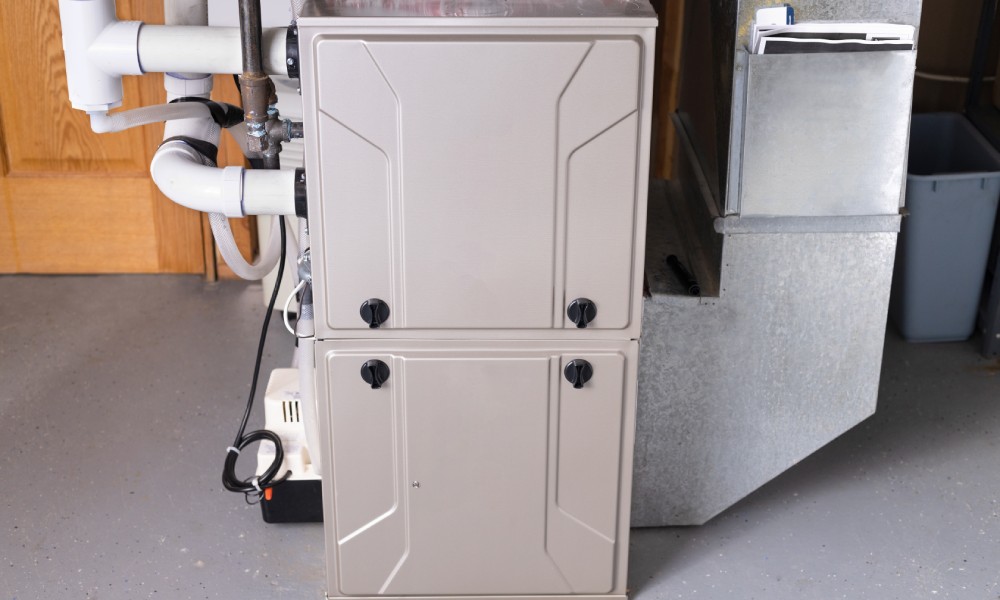
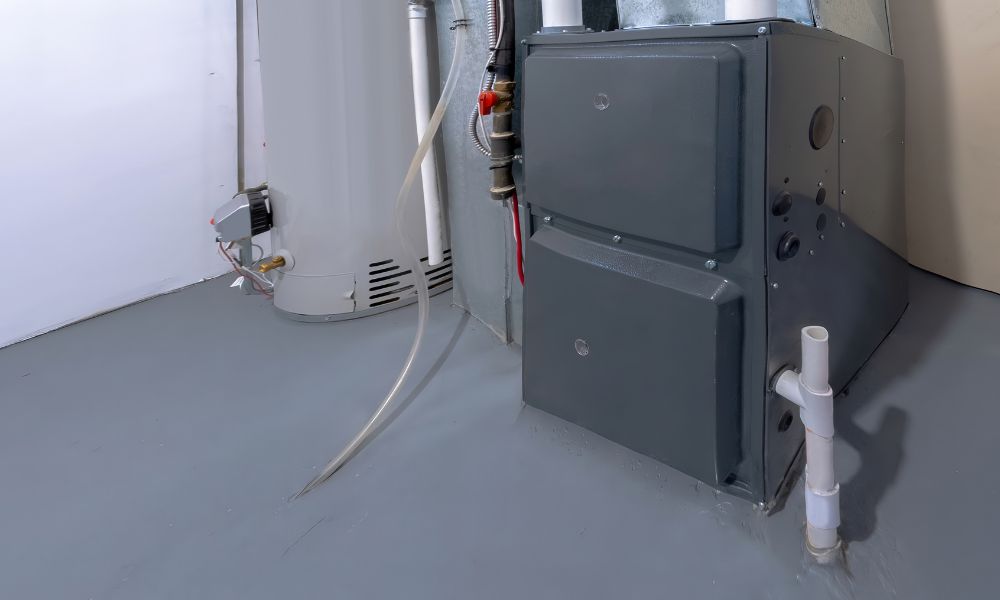
A light grey double-stage high-efficiency gas furnace standing on concrete floor in a residential basement.

Exploring the realm of home heating solutions leads many to consider high-efficiency furnaces as a beacon of sustainability and economic sensibility. These advanced heating systems promise cozy living spaces during cold months, offering a blend of environmental friendliness and cost-effectiveness.

But opting for such a significant home upgrade involves weighing both its advantages and potential downsides. Let’s delve into the pros and cons of high-efficiency furnaces. Arm yourself with the knowledge needed to determine if this green heating solution is the ideal match for your abode and your lifestyle.

Pro: Long-Term Cost Savings

High-efficiency furnaces operate at 90–98 percent AFUE (annual fuel utilization efficiency), meaning they convert nearly all the fuel to usable heat. This efficiency translates into significant savings on utility bills over time, as less energy is wasted during the heating process. Homeowners can expect a noticeable reduction in monthly heating costs, making these furnaces an economically sound choice in the long term.

Con: High Initial Investment

The most significant barrier for many homeowners is the upfront cost. High-efficiency furnaces come with a higher price tag compared to standard models due to their advanced technology and materials. This initial investment can be prohibitive, despite the potential for long-term savings on energy bills.

Pro: Low Environmental Impact

High-efficiency furnaces reduce the amount of greenhouse gas emissions produced by utilizing less fuel to generate the same amount of heat. This makes them an eco-conscious option for homeowners looking to minimize their carbon footprint. The efficiency of these systems aligns with growing concerns about energy conservation and environmental stewardship.

Con: Complex Installation Requirements

Installing a high-efficiency furnace often requires significant modifications to existing ductwork, drainage systems, and vents, especially in older homes. This complexity can make installation more expensive and require a more extended setup period, making the transition to a high-efficiency system more complicated and potentially disruptive.

Pro: Improved Indoor Air Quality

Many high-efficiency furnaces are equipped with advanced filters that can improve indoor air quality by removing contaminants from the air as it circulates through the heating system. A residential furnace installation of this quality is particularly beneficial for households with individuals who have allergies or are sensitive to dust and other airborne particles.

Con: Maintenance and Repair Considerations

With advanced technology comes the need for specialized maintenance and repairs. High-efficiency furnaces may require more frequent check-ups by qualified technicians to maintain their optimal performance levels. Additionally, when repairs are needed, they can be more costly and complex due to the specialized components and technology involved.

Deciding to upgrade to a high-efficiency furnace is no small undertaking. Ultimately, your choice should align with your priorities, values, and the specific needs of your household. Whatever direction you choose, understanding the pros and cons of high-efficiency furnaces is a solid step toward making an informed decision that heats your home responsibly for years to come.

The Advantages of Dual-Fuel Heating Systems

The Advantages of Dual-Fuel Heating Systems

The quest for an optimal home heating solution is more relevant than ever in today’s world. Homeowners not only seek to reduce their carbon footprints but also aim to enhance the comfort and livability of their spaces, all while keeping an eye on energy consumption and costs.

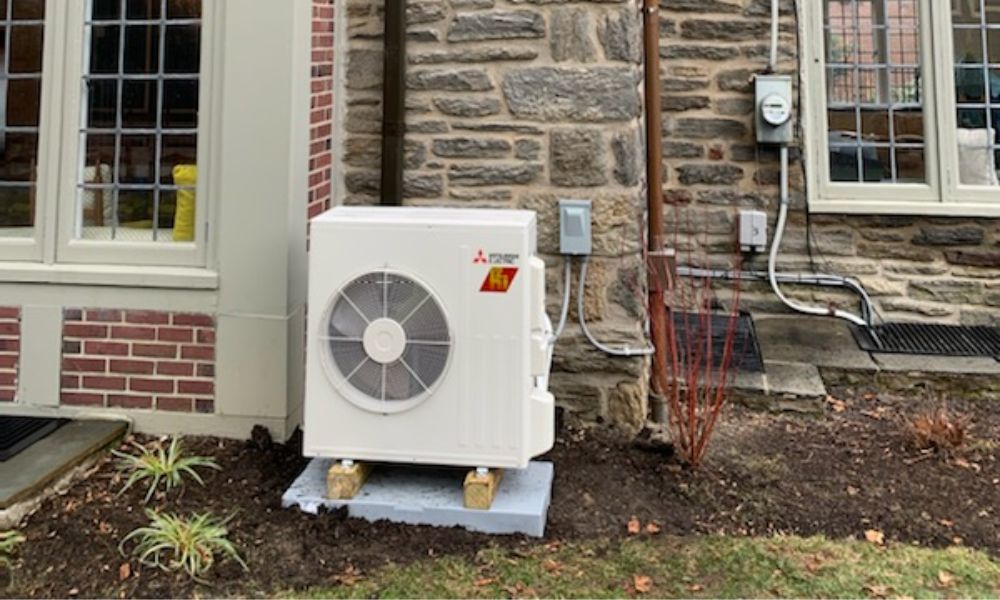
With multiple heating options available, the advantages of dual-fuel heating systems emerge as a compelling answer to these demands. By blending the efficiency of an electric heat pump with the robust heating capabilities of a gas furnace, this system offers a versatile and environmentally friendly approach to home heating.

Cost-Effective Operation

The initial cost of a dual-fuel heating system may be higher than that of traditional systems. However, the long-term savings on utility bills can be substantial. By switching between gas and electric power depending on the temperature and efficiency, dual-fuel systems optimize your home’s energy consumption for cost-effective operation. Many regions offer incentives for installing energy-efficient systems, which can further offset the initial investment.

Environmental Impact

For those concerned about their carbon footprint, dual-fuel systems present a more environmentally friendly heating option. By relying on the more energy-efficient heat pump during most of the heating season, these systems reduce reliance on fossil fuels and lower greenhouse gas emissions. When the system does use the gas furnace, it’s only doing so during cooler temperatures when it’s absolutely necessary, minimizing environmental impact.

Flexibility and Longevity

These systems are adaptable and capable of optimizing performance for current weather conditions. This flexibility not only contributes to their cost-effectiveness and efficiency but also potentially extends the lifespan of the system. Since the heat pump and furnace share the heating load, neither component overloads, reducing wear and tear and potentially leading to a longer service life. Where maintenance or potential repairs are concerned, it’s crucial to work with a provider skilled in HVAC services to keep your dual-fuel system running smoothly.

Energy Efficiency

One of the most compelling reasons to consider a dual-fuel heating system is its superb energy efficiency. During milder weather, the system relies on an electric heat pump, using less energy to move heat into your home, reducing the amount of electricity used for heating. Then, as temperatures drop to levels where the heat pump becomes less efficient, the system switches to using the gas furnace, ensuring your home remains warm even in the coldest of weather.

Improved Comfort

Dual-fuel systems excel at maintaining consistent indoor temperatures, enhancing the comfort of your home. The use of a heat pump for mild conditions ensures gentle, even heating without the intense blasts of hot air often associated with traditional furnaces. By optimizing the balance between the heat pump and gas furnace, the system helps preserve an ideal indoor climate in terms of temperature and adequate humidity levels.

Dual-fuel heating systems represent a forward-thinking solution for homeowners looking to enhance comfort, reduce environmental impact, and save money over the long term. These systems offer a versatile, sustainable, and efficient approach to home heating that is well worth considering for any modern and energy-conscious household.

Tips for Retrofitting Modern HVAC Systems in Older Homes

Tips for Retrofitting Modern HVAC Systems in Older Homes

Old homes are testaments to architectural history, but their features can be challenging to modernize. Many homeowners worry about installing new HVAC systems without disrupting the aesthetic or structural integrity of their historic homes.

Installing these complex systems requires technical know-how and a deep sensitivity to the preservation of the original glory of old homes. These tips for retrofitting modern HVAC systems in old homes will ensure that your update complements the home’s legacy while stepping into the world of contemporary living essentials.

Assess the Architectural Integrity

Before embarking on a retrofitting project, do a thorough evaluation of the home’s structural integrity. Old homes may present unique challenges, such as insufficient space for ductwork or limited electrical capacity. Work with HVAC professionals to assess the viability of the existing framework. They can determine if it can support a modern HVAC system and recommend appropriate solutions that respect the architectural integrity of the home.

Incorporate Zoning Systems for Efficiency

Aged homes often have diverse room layouts and insulation levels, making it challenging to maintain a consistent temperature throughout the structure. Implementing a zoning system allows for the heating or cooling of different areas of the home independently, improving comfort and reducing energy waste. This approach optimizes the performance of the HVAC system and can also lead to substantial energy savings over time.

Choose the Right HVAC System

You should select an HVAC system that aligns with the needs of your home. Consider the size of the unit, energy efficiency ratings, and the type of refrigerant it uses. Consulting professionals in AC installation services will help you determine the most suitable option to prevent malfunctions.

Insulate and Seal the Home

One of the most effective steps in retrofitting modern HVAC systems in older homes is quality insulation and seals. This minimizes the loss of conditioned air and reduces the strain on the HVAC system. Pay attention to areas prone to air leakage, such as windows, doors, and the attic. By improving the thermal envelope of the home, you’ll enhance your new HVAC’s efficiency and create a more comfortable indoor environment.

Do Regular Maintenance for Longevity

After installing a modern HVAC system, regular maintenance is critical to its longevity and performance. Schedule periodic check-ups and cleanings with HVAC professionals to keep the system running smoothly. Regular care prolongs the lifespan of the unit and safeguards your home against issues that could disrupt your comfort.

Retrofitting a modern HVAC system into an older home is a delicate balance between preserving the past and embracing the future. At W. F. Smith we can guarantee this project is successful and enhances the value and comfort of the property. Call us today to learn more about our services and enhance your living experience today.

The Best Ways To Replace Baseboard Heating Systems

There’s something about moving into a classic, well-loved house that new construction simply can’t match. Whether it’s the sense of continuity, the neighborhood character, or the work that has endured through the years, an older home is something special.

But on a cold day, character and continuity can’t fight off a mean draft. The hydronic baseboard heating systems that still exist in some older homes don’t meet today’s standards for comfort or efficiency. If you’re ready to retrofit your older home’s heating, consider some of the best ways to replace baseboard heating systems and start matching classic construction with contemporary amenities.

Forced Air and a Gas Furnace

For affordable and reliable heat on chilly Mid-Atlantic days, a traditional gas furnace is often the best alternative to relying on baseboards. However, installing a furnace and the attendant ductwork can be somewhat invasive. Prepare to pay more upfront for long-term savings—once you’ve installed your furnace and ensured that you’re connected to a gas line, you’ll enjoy low-cost natural gas for years to come. Best of all, modern high-efficiency furnaces can recapture wasted heat and bring costs down even further.

Geothermal and Air-to-Air Heat Pumps

If natural gas is not an option, a heat pump can be an effective way to heat your home. A heat pump transfers heat from outdoors and brings it into your home, whether by drawing upon air or by capturing underground heat. Because the ground several feet below the surface has a consistent year-round temperature, a heat pump can transfer this heat in the dead of winter and send it into your home. Using similar technology, an air-source heat pump can remove heat from ambient outdoor air and circulate warm air through your system.

Dual Fuel Systems: The Best of Both Worlds

When Northeastern winter sets in, heat pumps can’t do it all. That could mean continuing to rely on baseboard heating, which can spike your electric bill in the winter months. When you’re already illuminating your home for more hours each day, you’ll begin to feel those costs over the years. That’s why a dual fuel system can be one of the best ways to replace baseboard heating systems. This model pairs an electric heat pump with a gas furnace for affordable heat certainty through each winter. The unit relies on the heat pump as the primary means of heat, but then drops back to natural gas to supplement when necessary. This keeps electric bills down with minimal gas consumption, too.

Don’t depend on inefficient, expensive electric heating if you don’t have to. The residential HVAC contractors at W.F. Smith make it possible to retrofit classic Philadelphia-area homes with the modern comforts you deserve. Contact us today to learn more about the gas and hybrid systems that will bring your older home’s HVAC into the twenty-first century while maintaining that time-honored charm.

Is Outdated Ductwork Ruining My Home’s Energy Efficiency?

Are you a residential homeowner in Philadelphia struggling to keep your energy costs low? If so, outdated ductwork could be dragging down the efficiency of your home. The good news is that fixing an inefficient or old duct system doesn’t have to break the bank. Knowing how to identify ways your home’s ductwork is to blame for your energy inefficiency can do wonders for keeping your family warm and cozy through the winter. It’s time to learn how outdated ductwork can impact your energy efficiency and what steps you can take to counter it.

Continue reading