5 Ways To Efficiently Cool Your Home in the Summer

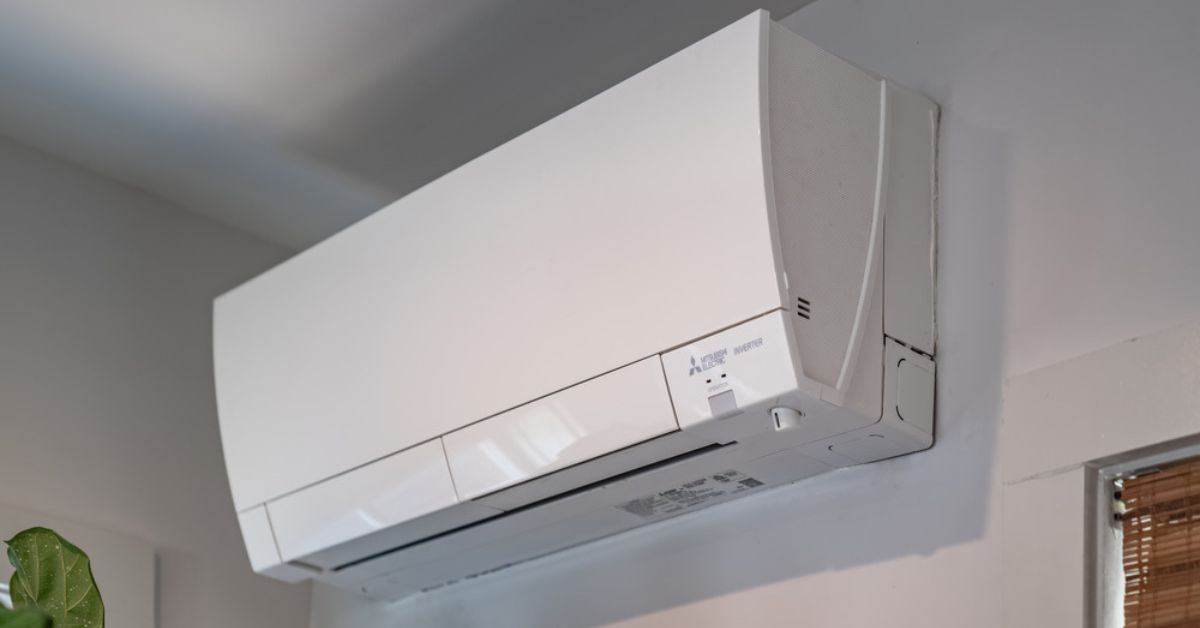
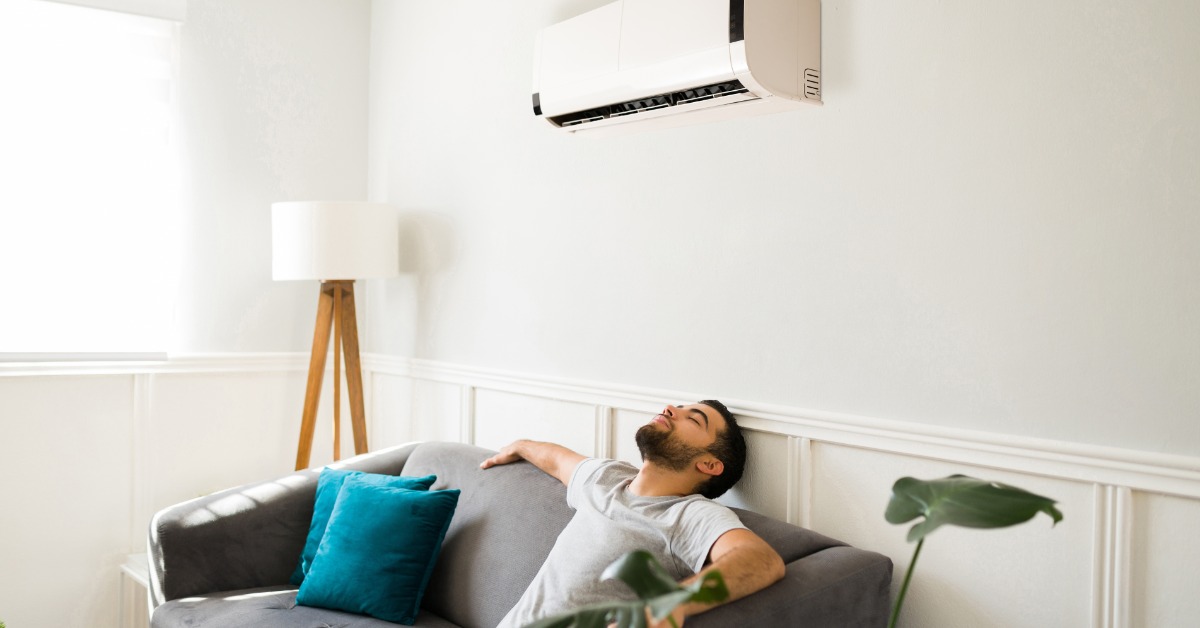
A ductless air conditioner installed adjacent to a window on a white wall. The number '27' is displayed on the unit.

When summer rolls around, expect soaring temperatures. For homeowners, maintaining a cool and comfortable living environment during these hot months is crucial for comfort, health, and energy efficiency. Here are some ways to efficiently cool your home in the summer, ensuring you enjoy a refreshing oasis without a shocking energy bill.

1. Invest in an Energy-Efficient AC Unit

Choosing the right air conditioning unit can make or break your summer experience. Units with Energy Star certifications consume less energy, saving you money on utility bills. Additionally, consider factors such as the size of your space and the unit’s cooling capacity to ensure optimal performance without unnecessary energy expenditure.

Use ductless units that take up less space. A ductless mini split installation consumes less energy when cooling your home, as less air is lost while forced through the ventilation.

2. Use Smart Thermostats

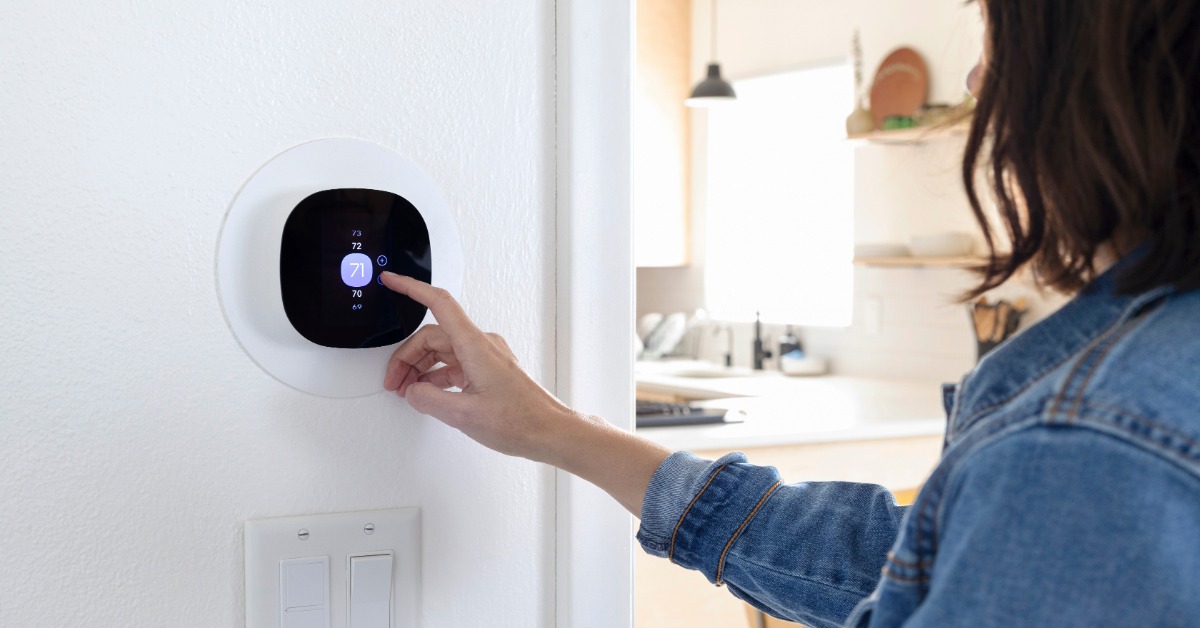
Smart thermostats are a game-changer for regulating home temperatures. These devices learn your schedule and adjust settings to maximize efficiency. Maintain steady temperatures when you’re home and conserve energy when you’re away using smart thermostats.

The automated nature of smart thermostats makes them an efficient way to cool your home in the summer. Installation is straightforward, and the ability to control them remotely offers convenience and peace of mind.

3. Implement Effective Window Treatments

Windows are major heat conductors, but the right window treatments significantly reduce indoor heat gain. Use reflective films, blackout curtains, or thermal blinds that block sunlight and UV rays. These options keep your home cooler and protect your furniture and floors from sun damage, offering a dual benefit.

4. Maximize Natural Ventilation

Harnessing natural ventilation is a cost-effective way to cool your home. For example, you can use fans in open windows to enhance air circulation.

Placing fans strategically near open windows or hallways creates cross-ventilation, drawing cooler air in and pushing warm air out. This method reduces reliance on air conditioning, saving energy, lowering costs, and reducing maintenance needs.

5. Enhance Insulation

Insulation is an important part of any home’s temperature regulation. Install or upgrade insulation in your attic, walls, and crawl spaces to prevent cool air from escaping and hot air from entering. This improvement keeps your home comfortable during summer and increases energy efficiency year-round, offering long-term savings and comfort.

Combining these strategies will help you achieve an efficiently cooled home in the summer. Invest in the right tools and techniques to create a pleasant, economical, sustainable living environment. Call W.F. Smith for HVAC assistance and installation. We’ll provide the best service that keeps your home cool and refreshing.

5 Top Ways To Save Money on Air Conditioning This Summer

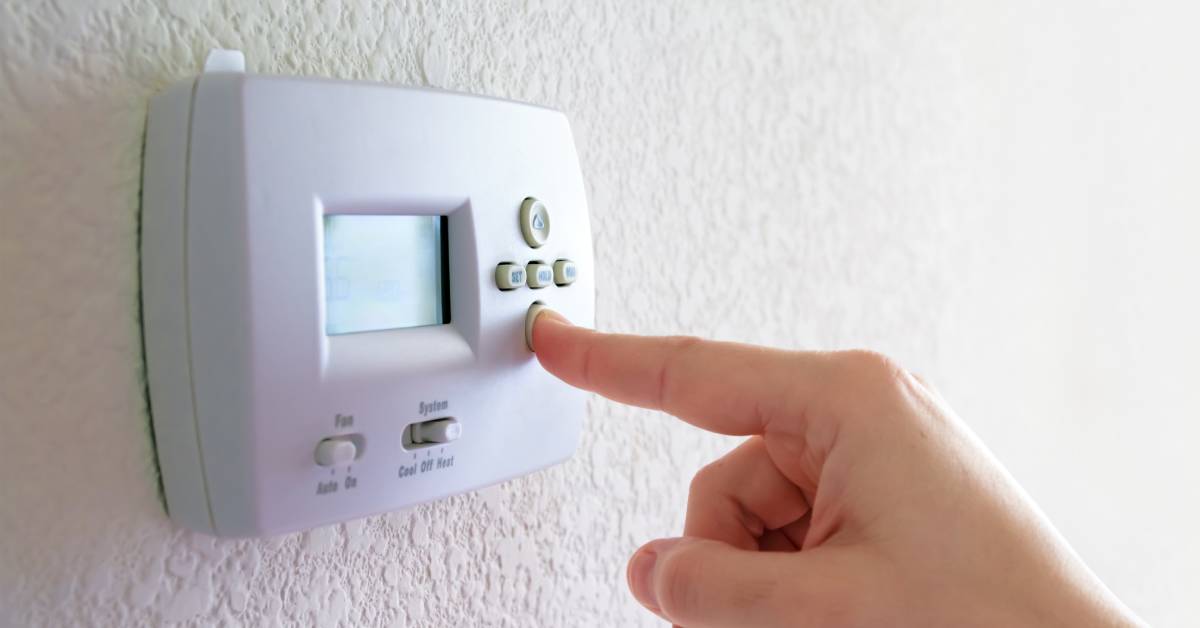
A person uses their finger to press the down button on a programmable thermostat installed on a textured white wall.

When summer arrives, it comes with the sweltering heat that drives up energy bills. Air conditioning is essential for comfort and controlling costs. However, running your AC is expensive. Therefore, you might need to find ways to keep your home cool without breaking the bank. Here are some effective ways to save money on air conditioning this summer to keep your home comfortable and your wallet happy.

1. Use a Programmable Thermostat

A programmable thermostat is one of the best investments for your air conditioning system. This device optimizes your cooling schedule by adjusting temperatures based on your daily routine. For example, you may set the thermostat to rest when you’re not home and to cool the house down again before you return.

Adjusting the thermostat for certain times of the day helps you save money by using less energy and thereby lowering your energy bill. This simple technology significantly reduces energy waste while keeping your home comfortable.

2. Ensure Regular Maintenance for Peak Efficiency

Regular maintenance ensures your air conditioning unit operates at peak efficiency. This includes changing or cleaning its filters every month during the summer season. Clogged filters restrict airflow, forcing the unit to work harder, which increases energy consumption.

Additionally, consider scheduling a professional tune-up at the beginning of the cooling season. The technicians from a heating and cooling company like W.F. Smith identify potential issues, clean components, and ensure your system runs smoothly. Invest in maintenance and extend the life of your system, saving money on costly repairs.

3. Use Fans Strategically

Ceiling fans and portable fans are excellent allies helping you rely less on your air conditioning unit. By circulating air throughout your home, fans enhance the cooling effect created by your AC.

Remember to turn off fans when you leave a room, as they cool people, not spaces. This synergy between your fan and air conditioning system can lead to savings over the summer months.

4. Keep Windows, Doors, and Blinds Closed

Another effective method to prevent heat gain in your home is to keep windows, doors, and blinds closed during the hottest parts of the day. Sunlight streaming through windows increases indoor temperatures significantly, forcing your AC to work harder. On particularly hot days, keep windows shut during the day and open them at night to create a natural cooling effect, causing you to rely less on air conditioning.

5. Consider Energy-Efficient Upgrades

If you’re looking for long-term savings, consider investing in energy-efficient upgrades. Modern smart AC units are designed to consume less energy while providing superior cooling.

Additionally, consider insulation improvements to reduce the cool air escaping your home. You might also explore window coverings designed to block sunlight or reflect heat. These upgrades are worthwhile investments because they lead to long-term savings on your energy bills.

Use these methods to save money on air conditioning this summer and make your home more energy-efficient. The warm months are prime time to use your air conditioner, and decreasing the load on its daily use provides numerous benefits. Take proactive steps now, and enjoy a comfortable summer without financial stress.

4 Ways To Maximize Your Air Conditioner Efficiency

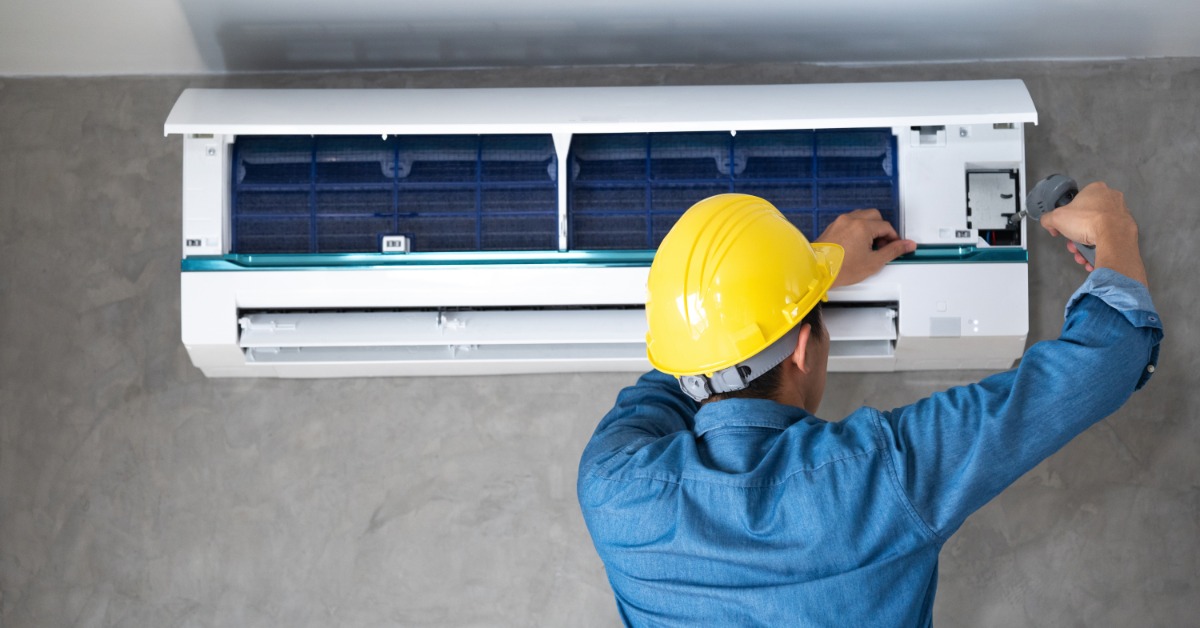
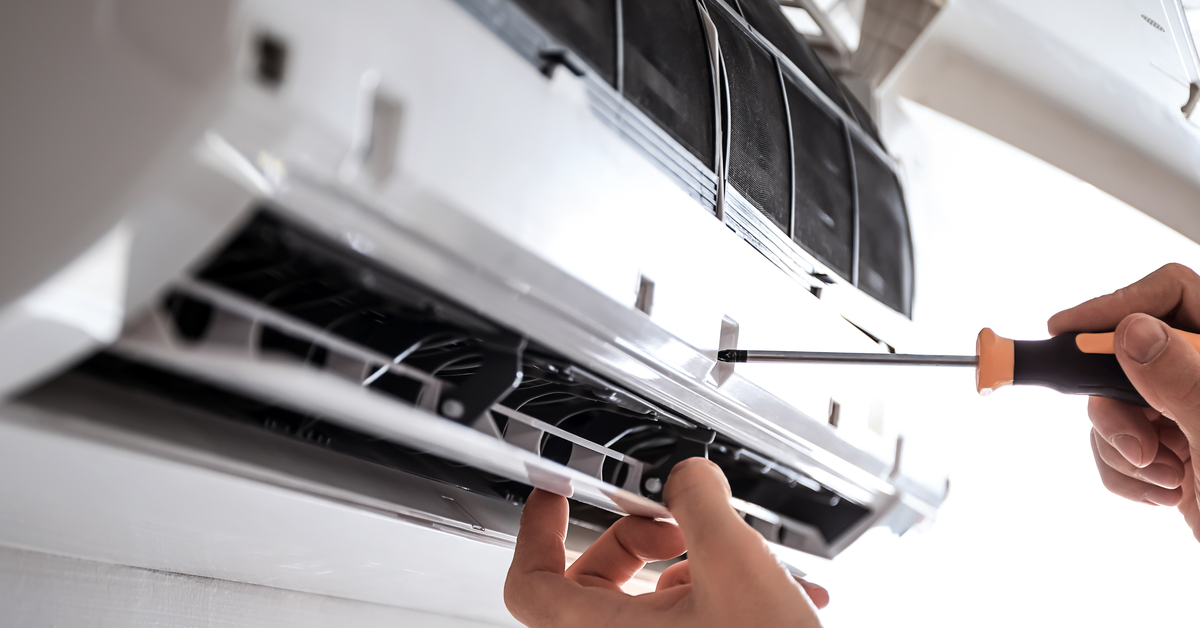
The hands of a electrician uses a screwdriver to adjust the screws of an indoor air conditioner installed near the ceiling.

A well-functioning air conditioner is a lifesaver for homeowners in the sizzling summer months. However, having the best unit to beat the heat and enjoy your time inside is important. Here are a few ways to maximize your air conditioner efficiency to stay cool longer while giving your unit the upgrades it deserves.

1. Regular Maintenance

Your AC unit requires consistent care to perform at its best and prevent unexpected breakdowns.

Schedule annual inspections with a professional HVAC technician. These professionals identify and fix minor issues before they turn into complex repairs. During these inspections, technicians typically clean the coils, check refrigerant levels, and ensure all components are in working order.

Change or clean your air filters regularly between professional visits. Dirty filters restrict airflow, making your AC work harder and use more energy. A quick monthly check keeps your system running smoothly.

2. Smart Technology

Incorporating smart technology enhances your air conditioner’s function in your home. Implement smart thermostats to control your home’s temperature remotely via your smartphone.

These devices learn your schedule and adjust the cooling accordingly, ensuring you don’t waste energy away from home. By maintaining a consistent temperature, smart thermostats reduce the strain on your AC unit, extending its lifespan and lowering energy bills.

Consider integrating smart vents and sensors to maximize your air conditioner efficiency. These tools detect occupancy and adjust airflow to occupied rooms, optimizing cooling and saving energy.

3. Seal and Insulate Your Home

Proper insulation and sealing are crucial in maximizing your air conditioner’s output. Your AC unit works harder to maintain a comfortable temperature when cool air escapes through gaps and poorly insulated areas.

Use weatherstripping and caulking around drafty windows. Insulating your attic and walls prevents cool air from escaping.

Consider using thermal curtains or blinds to block out the sun’s heat during the hottest parts of the day for extra efficiency. This simple step reduces the load on your air conditioner and keeps your home cooler.

4. Use Energy-Saving Behaviors

Adopting energy-saving behaviors can make a big difference in your air conditioner’s efficiency. Simple habits go a long way toward reducing energy consumption and keeping your home comfortable.

Set your thermostat to a higher temperature when you’re not at home. Even a small adjustment leads to significant energy savings over time. Try to keep the thermostat at a reasonable temperature when you’re at home, ideally around 78 degrees Fahrenheit.

Additionally, use ceiling fans to enhance cooling. Fans help circulate the air, allowing you to feel cooler without lowering the thermostat. Remember to turn off fans when you leave a room to save energy.

Implementing these methods will maximize your air conditioner’s efficiency and allow you to enjoy a cooler, more comfortable home without the hefty energy bills. Contact W.F. Smith for the best AC installation services and the best results. We provide excellent advice and will ensure your home is the ideal setting for relaxation.

5 Common HVAC Installation Mistakes To Avoid

Two men and a woman in hard hats and overalls work together to install an HVAC system on the side of a person's home.

A well-functioning HVAC system is a significant pillar in your home’s comfort. However, improper installation leads to numerous issues, including increased energy bills and reduced system longevity. Avoid these common HVAC installation mistakes to ensure the climate in your home remains controlled.

1. Choosing the Wrong Unit Size

One of the most common mistakes homeowners make is choosing an HVAC unit that is either too large or too small for their home. A unit that’s the wrong fit for your home may cause excessive wear and tear or struggle with maintaining temperatures.

Avoid this mistake by having a professional calculate the correct size for your HVAC unit based on your home’s square footage, insulation, and other factors. The experts at W.F. Smith have the tools to gather the necessary information and provide accurate heating and cooling services for your home.

2. Poor Ductwork Design

Improper ductwork design significantly impacts your HVAC system’s efficiency. Leaky or poorly insulated ducts lead to uneven heating and cooling, increased energy consumption, and poor indoor air quality. Ensuring that your ductwork has the proper design, sealing, and insulation through a professional prevents these issues and provides an efficient HVAC system.

3. Incorrect Thermostat Placement

Your thermostat’s placement has a significant effect on your HVAC system’s performance. Installing the thermostat in a location with direct sunlight and drafts or near heat-producing appliances causes inaccurate temperature readings and inefficient operation.

Place your thermostat on an interior wall, away from direct sunlight, drafts, and heat sources, ensuring accurate temperature control. Take note of the window positions and how far the light reaches to find the best spot.

4. Ignoring Manufacturer’s Instructions

Each HVAC system comes with specific installation guidelines from the manufacturer. Ignoring these instructions leads to improper installation, voided warranties, and reduced system efficiency. Always ensure that your HVAC contractor follows the manufacturer’s guidelines during installation to guarantee optimal performance and protect your investment.

5. Skipping Professional Installation

Attempting a DIY HVAC installation or hiring an unqualified contractor results in numerous issues, including safety hazards, poor system performance, and costly repairs. Hire an HVAC professional to ensure your system’s correct and safe installation. Hiring the professionals at W.F. Smith will save you money in the long run and provide peace of mind, knowing that your system is in good hands.

Avoid these common HVAC installation mistakes to enjoy a comfortable and energy-efficient home. Consider hiring the help of our HVAC experts to complete a smooth installation with precision. You’ll avoid repairs and climate-control issues when you choose professional help.

The Pros and Cons of High-Efficiency Furnaces

A light grey double-stage high-efficiency gas furnace standing on concrete floor in a residential basement.

Exploring the realm of home heating solutions leads many to consider high-efficiency furnaces as a beacon of sustainability and economic sensibility. These advanced heating systems promise cozy living spaces during cold months, offering a blend of environmental friendliness and cost-effectiveness.

But opting for such a significant home upgrade involves weighing both its advantages and potential downsides. Let’s delve into the pros and cons of high-efficiency furnaces. Arm yourself with the knowledge needed to determine if this green heating solution is the ideal match for your abode and your lifestyle.

Pro: Long-Term Cost Savings

High-efficiency furnaces operate at 90–98 percent AFUE (annual fuel utilization efficiency), meaning they convert nearly all the fuel to usable heat. This efficiency translates into significant savings on utility bills over time, as less energy is wasted during the heating process. Homeowners can expect a noticeable reduction in monthly heating costs, making these furnaces an economically sound choice in the long term.

Con: High Initial Investment

The most significant barrier for many homeowners is the upfront cost. High-efficiency furnaces come with a higher price tag compared to standard models due to their advanced technology and materials. This initial investment can be prohibitive, despite the potential for long-term savings on energy bills.

Pro: Low Environmental Impact

High-efficiency furnaces reduce the amount of greenhouse gas emissions produced by utilizing less fuel to generate the same amount of heat. This makes them an eco-conscious option for homeowners looking to minimize their carbon footprint. The efficiency of these systems aligns with growing concerns about energy conservation and environmental stewardship.

Con: Complex Installation Requirements

Installing a high-efficiency furnace often requires significant modifications to existing ductwork, drainage systems, and vents, especially in older homes. This complexity can make installation more expensive and require a more extended setup period, making the transition to a high-efficiency system more complicated and potentially disruptive.

Pro: Improved Indoor Air Quality

Many high-efficiency furnaces are equipped with advanced filters that can improve indoor air quality by removing contaminants from the air as it circulates through the heating system. A residential furnace installation of this quality is particularly beneficial for households with individuals who have allergies or are sensitive to dust and other airborne particles.

Con: Maintenance and Repair Considerations

With advanced technology comes the need for specialized maintenance and repairs. High-efficiency furnaces may require more frequent check-ups by qualified technicians to maintain their optimal performance levels. Additionally, when repairs are needed, they can be more costly and complex due to the specialized components and technology involved.

Deciding to upgrade to a high-efficiency furnace is no small undertaking. Ultimately, your choice should align with your priorities, values, and the specific needs of your household. Whatever direction you choose, understanding the pros and cons of high-efficiency furnaces is a solid step toward making an informed decision that heats your home responsibly for years to come.