How To Keep Your AC in Good Condition During the Off-Season

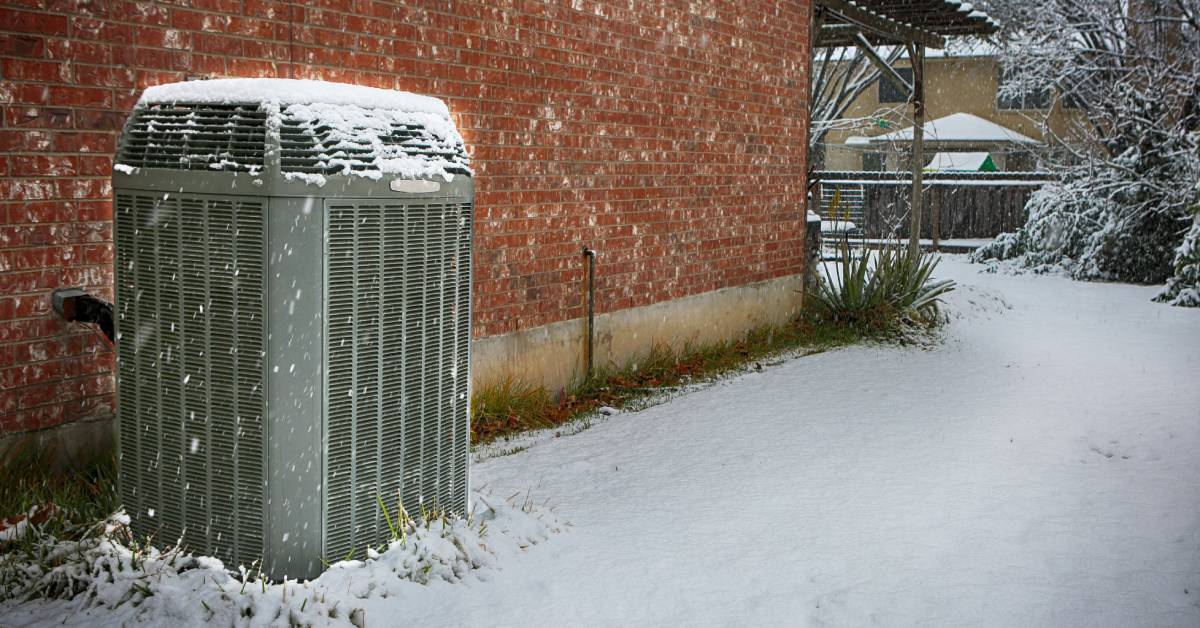
An air conditioner unit outside a brick house sits on the lawn. Snow is covering its top and surrounding it.

Your air conditioner keeps you comfortable at home, especially during the sweltering summer months. When the off-season rolls around, it’s important to take care of your AC unit.

With these pointers, your AC will stay in top shape and be ready to perform once the warm weather comes back around. Learn how to keep your AC in good condition during the off-season to save time and money.

When Is the Off-Season for Air Conditioners?

The off-season for air conditioners typically begins in the fall when temperatures start to drop, and homeowners transition from cooling to heating their homes. During this time, your AC unit remains largely inactive, giving you the perfect opportunity to focus on maintenance.

Caring for your air conditioner in the off-season helps you address issues that might have arisen while using the unit and prepare it for next summer. Proactive maintenance during these months also protects your unit from exposure to harsh weather, such as freezing temperatures or snowfall, which cause damage if left unchecked.

Clean or Replace the Air Filters

Clean air filters are essential for the efficiency and longevity of your air conditioner, even when it’s not running. Dust and debris may clog the filters, making it harder for the AC to perform well. Remove the filters, and inspect them for buildup.

If the filters are reusable, clean them according to the manufacturer’s instructions; if not, replace them with new ones. Consider setting a recurring reminder to check filters during the off-season to prevent buildup that could affect your AC’s operation later.
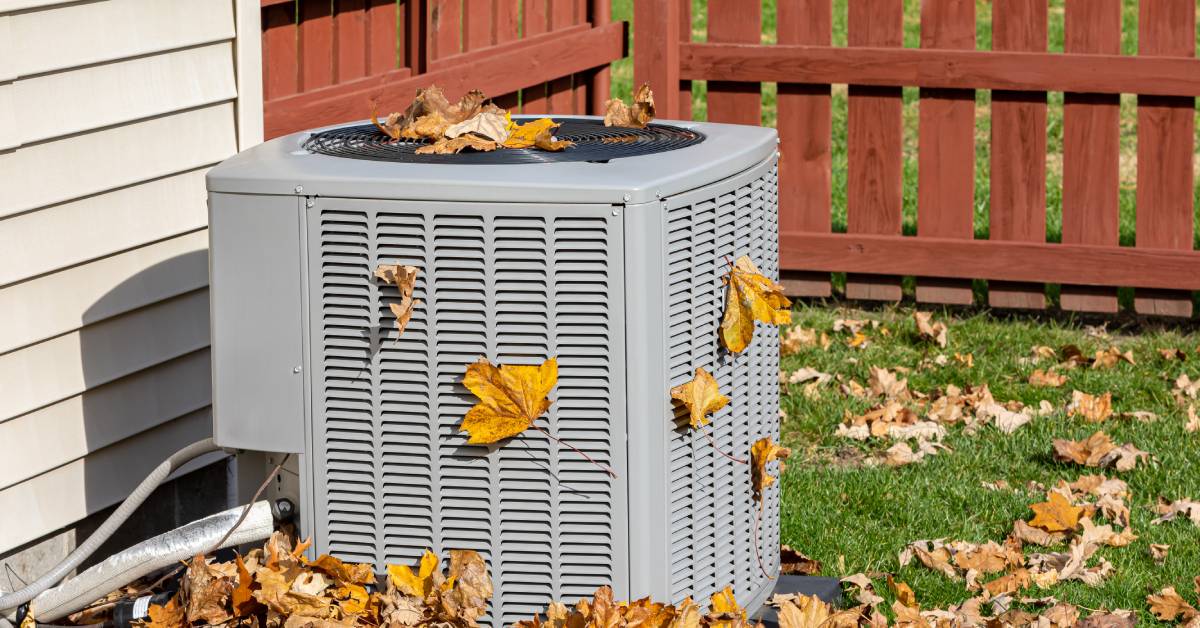
An air conditioner unit in the fenced-in yard of a house with beige siding. Brown leaves are lodged in the spaces of the unit.

Inspect and Clean the Outdoor Unit

Your AC’s outdoor condenser unit is exposed to the elements and collects debris like leaves, dirt, or twigs over time. Leaving debris unchecked obstructs airflow and leads to inefficiencies.

Use a broom or vacuum to clear the area around the unit, then gently rinse the condenser coils with a garden hose or coil cleaner to remove accumulated dirt. Avoid placing too much pressure on the fins, as damage may impact performance. It’s important to keep the air conditioner’s openings as clean as possible to ensure there aren’t any problems after starting it up once again.

Look for Visible Damage

Routine inspections during the off-season help you identify cracks, rust, or leaks before they worsen. Carefully examine the AC unit for wear or damage, paying special attention to the condenser coils, fins, and base of the system.

If you spot anything unusual, such as loose parts or visible rust, take action immediately to address the problem. Minor repairs now save you from expensive replacements or malfunctions later. If the damage seems extensive or beyond your expertise, call a professional from W.F. Smith for a thorough assessment and repair.

Check and Tighten Connections

Over time, the electrical connections and components within your AC system may loosen due to age or vibrations, which could reduce performance or create safety issues. The cold and wet conditions of the off-season may cause further damage and cause the unit to break down once you use it again.

Inspect wiring, terminals, and connections to confirm they’re all tight and in good condition. Pay attention to signs of fraying, corrosion, or wear that could compromise the unit’s functionality. Tighten loose connections carefully using the appropriate tools. If you’re unsure about handling electrical work, consult an HVAC professional. Addressing these issues during the off-season ensures your AC will run efficiently and safely when spring arrives.

Check and Clean the Drain Line

All AC units remove moisture from your home. The condensate line is responsible for draining excess moisture from your AC system, but clogs may form over time, leading to water damage or mold growth. Flush the drain line using water or a solution of vinegar or bleach and water to remove debris and grime.

If you notice standing water around the line or an unusual odor, there’s likely a clog. Regularly cleaning the drain line keeps the system in optimal condition for the spring and prevents costly repairs down the road.
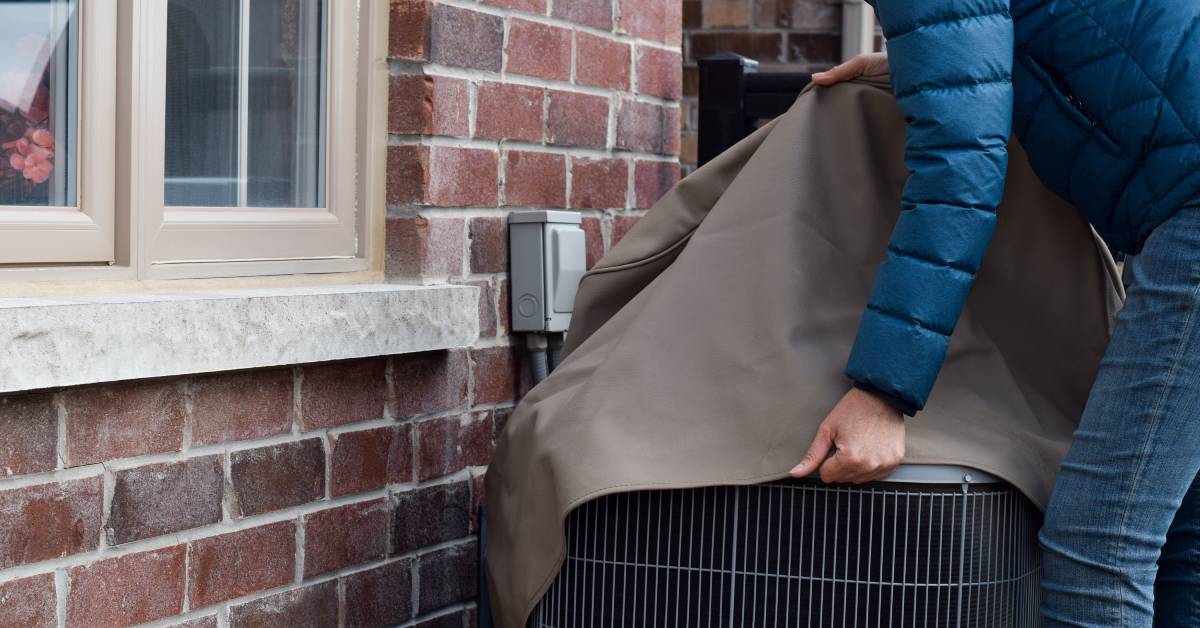
A person wearing a blue coat and jeans places a cover onto an air conditioning unit outside a brick house.

Cover the Outdoor Unit

Investing in a high-quality cover for your outdoor AC unit provides an extra layer of protection during the off-season. A cover keeps dust, debris, and snow from settling on the unit and causing damage. Look for a breathable, weather-resistant cover to avoid trapping moisture, which could lead to rust formation or mold growth inside the unit.

Secure the cover, and leave some room to encourage airflow and prevent condensation buildup. Check the manufacturer’s instructions to see if your unit needs a specific cover.

Schedule End-of-Season Maintenance With an HVAC Professional

DIY maintenance doesn’t compete with an annual inspection by an HVAC professional. The help of the experts at W.F. Smith makes a big difference in your AC’s performance and longevity. Scheduling an end-of-season or pre-season tune-up allows experts to detect hidden issues, such as refrigerant leaks or worn-out components, before they ruin your unit.

During the visit, one of our technicians will thoroughly inspect, clean, and optimize the AC system. In the event of a replacement, we will recommend options for AC installation and work with you to start the process. With a professional’s stamp of approval, you’ll have peace of mind knowing your AC is ready for a seamless transition into peak usage.

Inspect and Seal Ductwork

Leaks or gaps in ductwork significantly reduce your AC’s efficiency and put unnecessary strain on the system. During the off-season, take the opportunity to inspect ducts for visible cracks or holes. Use mastic sealant or aluminum tape to repair small leaks you find.

Sealed ductwork sends cool air to the intended areas more effectively once your AC is back in use. Keep in mind that tape and sealants are temporary solutions, and professional help will yield permanent results.

Create a Maintenance Checklist

Developing a seasonal maintenance routine encourages you to stay on top of AC care year-round. Create a checklist full of these tasks, and set reminders to complete them. Keep the checklist in an accessible spot, such as inside your tool shed, or save it digitally on your phone. Regular upkeep makes for a stress-free transition into peak cooling seasons.

Keeping your AC in good condition during the off-season is an investment in long-term comfort and cost savings for your home. By following these steps, you’ll prevent future breakdowns, save on energy bills, and keep your home cool and comfortable during periods of hot weather.

If you’re unsure about any of these tasks or need expert guidance, reach out to a trusted HVAC professional.
Central vs. Forced Air: What Are the Differences?

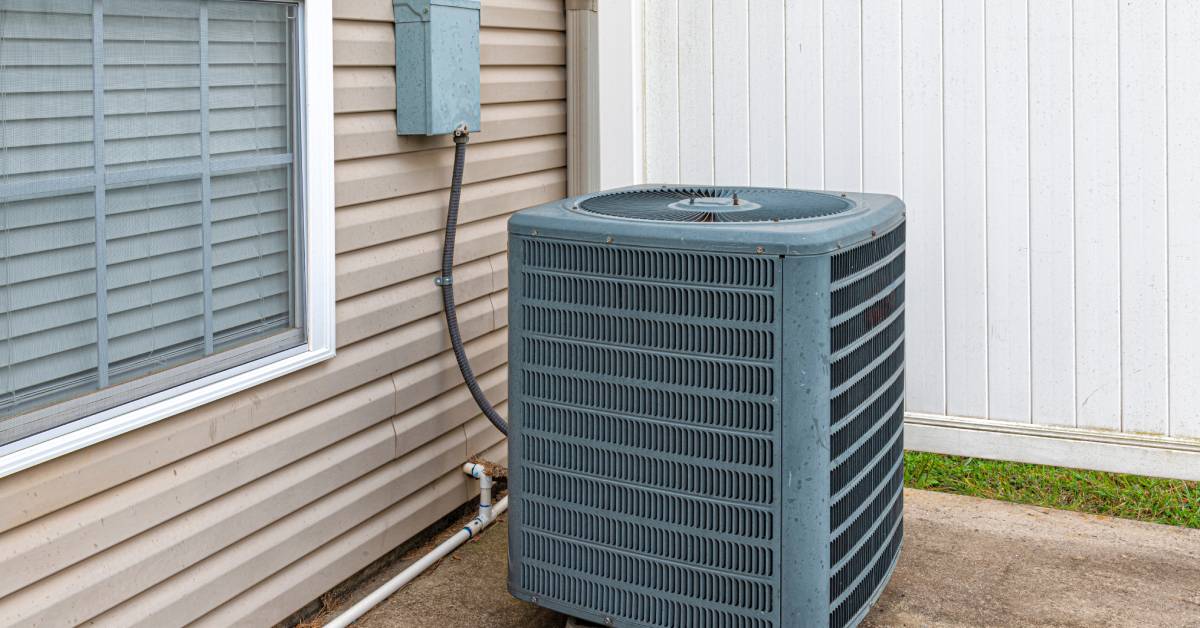
A central air-conditioning unit connected to a panel on the side of a house with beige shingles next to a white fence.

Heating and cooling systems are essential to creating a comfortable living environment for homeowners. With so many technological advancements, you must choose the right system for your home’s specific needs.

As two of the most common options, central air and forced-air systems often stand out as climate control solutions. Learn the difference between central and forced air to make an informed decision for your needs.

What Are Central Air Systems?

Central air systems regulate the temperature throughout the home using a single cooling system. They rely on key components, including ducts, an air handler, and an outdoor condenser unit to circulate cool air.

The process begins with the condenser, which removes heat from indoor air, turning it into cool air. Ducts and vents installed throughout the home distribute this air. Central air systems work seamlessly with a thermostat, giving you precise control over your home’s temperature. This trait makes them an excellent solution for providing consistent cooling comfort, especially during hot summer months.

What Is Forced Air Heating?

Forced-air systems are primarily heating-focused and work by pulling cool air into a furnace, where it’s warmed. Key components include the furnace, a blower, and ductwork that distributes the heated air throughout the home. The furnace creates heat through gas, electricity, or oil combustion, and the blower pushes this warm air into ducts and vents.

A forced-air system often supports add-ons like air purifiers and humidifiers, making them versatile. Additionally, some systems pair with air conditioners to deliver heating and cooling seasonally.

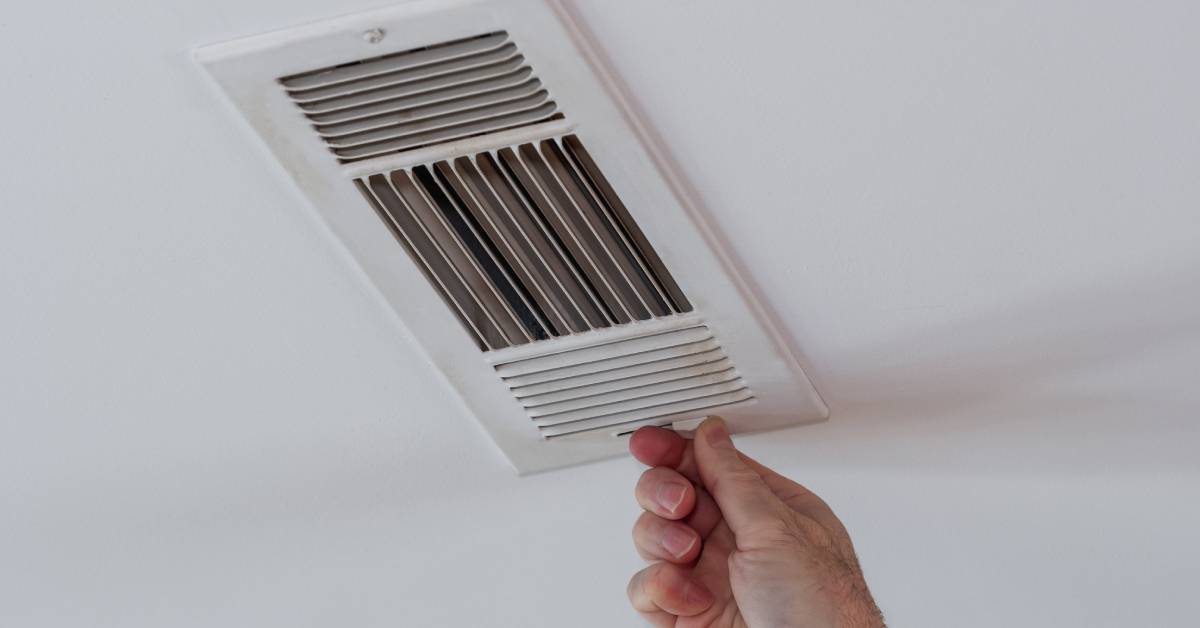
A person grabs the switch on the side of a vent installed in a white ceiling that opens the slats.

Key Similarities Between Central and Forced-Air Systems

Both systems use ducts and vents to distribute air efficiently, maintaining consistency throughout the home. Each system supports heating and cooling, with central air often combined with furnaces and forced-air systems occasionally paired with air-conditioning units.

Additionally, both systems enhance comfort levels with add-ons like programmable thermostats, which offer greater control and energy efficiency. These similarities make them versatile options for homeowners. Their shared infrastructure also means easier installation of upgrades or modifications.

Major Differences in Functionality

The primary difference lies in function. Central air systems are cooling-centric, while forced-air systems focus on heating. Central air cools air through a compressor and disperses it evenly across rooms via ducts. Conversely, forced air uses a furnace to warm air before circulating it.

Although forced-air systems accommodate cooling by connecting with an air conditioner, their primary design is for heating. This distinction makes central air ideal for homes in warm climates, while forced air serves colder regions more effectively. Understanding what your home needs most—cooling or heating—is key to selecting the right system.

Installation Process and Requirements

The installation process for central air systems typically involves setting up an outdoor condenser unit and ductwork. Forced-air systems, on the other hand, require a furnace installation, which often integrates with preexisting ductwork.

Both installations require structural considerations, like space for the outdoor unit or furnace and access to existing ventilation systems. Central air may need more time for complex duct installations, especially in older homes without preexisting systems.

In either case, a professional with experience in HVAC services ensures these systems function properly. Careful planning is essential when choosing either system for compatibility with your home’s layout and energy needs.

Energy Efficiency Comparison

Energy efficiency greatly impacts a system’s overall value, and both systems aim to minimize energy waste. Central air systems with high seasonal energy efficiency ratio (SEER) ratings are designed to consume less electricity during operation. Likewise, forced-air systems with high annual fuel utilization efficiency (AFUE) ratings provide optimal heating with minimal energy loss.

Homeowners can benefit from energy-efficient models of both systems to reduce utility bills. Additionally, features like programmable thermostats and zoned heating or cooling improve efficiency further.

Cost Analysis – Upfront and Long-Term

The upfront costs for installing central air systems can be considerable due to condenser units and ductwork setup. Forced-air systems, while typically less expensive initially, may incur higher costs if paired with air-conditioning units. Long-term costs also vary; forced-air systems that rely on gas may have fluctuating fuel prices, while central air systems depend on consistent electricity use.

Maintenance, repairs, and potential upgrades should also factor into the calculation. Evaluating the initial investment and operational costs over the system’s lifespan can help homeowners make more financially sound decisions.

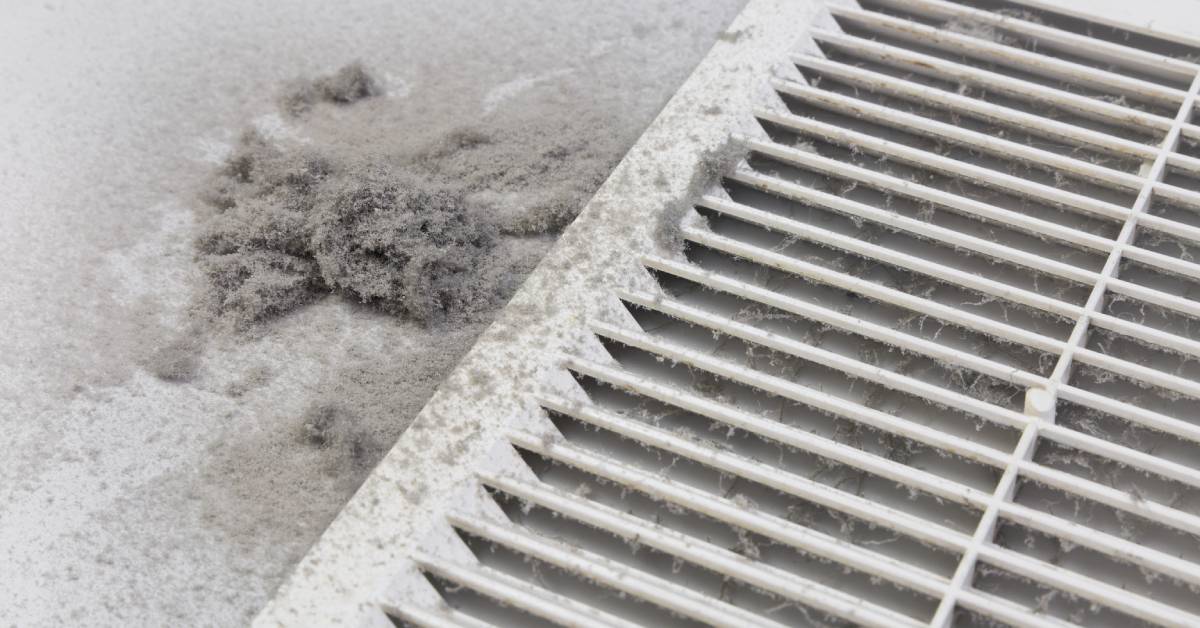
The side of a white vent with a large layer of dust clogging the openings and coating the sides with thick clumps.

Maintenance and Longevity

Maintenance is crucial for both systems for longevity and optimal performance. Central air systems require regular cleaning of filters, condenser coils, and ducts to maintain efficient cooling. Forced-air systems need seasonal furnace inspections, filter changes, and duct cleaning to prevent airflow issues.

Both systems generally last 15 to 20 years, although that depends on usage and upkeep. Factors like climate, frequency of use, and adherence to maintenance schedules greatly affect their lifespan. Proactive care prevents costly repairs and extends the system’s durability.

Climate Suitability for Each System

Climate plays a major role in determining which system suits your home best. Central air systems excel in regions with hot, humid climates where consistent cooling is essential. Forced-air systems, with their quick and effective heating capabilities, are better for colder, temperate regions. For areas with seasonal variations, a hybrid solution—like a forced-air system paired with a cooling unit—may offer the best of both worlds.

Pros and Cons of Central Air

There are many pros and cons to each system, and it helps to have a reliable list to reference when choosing either. The pros and cons of central air include:

Pros

  • Provides consistent and quiet cooling.
  • Can improve air quality with integrated filtration systems.
  • Raises home value due to modern appeal.

Cons

  • Higher upfront installation costs.
  • Requires adequate space for ducts and the outdoor unit.

In the US, central air is more common than forced air, but it is possible to use both or either in your HVAC setup.

Pros and Cons of Forced Air

Forced-air systems may not be as popular as central air, but they still have their benefits along with drawbacks. These pros and cons include:

Pros

  • Delivers fast heating for immediate comfort.
  • Can integrate with air purifiers and humidifiers.
  • More cost-effective upfront, especially if ducts already exist.

Cons

  • Air quality may be impacted by dust and allergens without proper filtration.
  • Systems can be noisier during operation.

Take time to consider what your home needs and how your chosen HVAC system improves your comfort.

Common Misconceptions About Central and Forced Air Systems

Many people assume forced-air systems are solely for heating, but they can integrate with cooling units to provide year-round comfort. Likewise, central air systems are often seen as costly, but energy-efficient models and smart thermostats can reduce long-term expenses.

Another misconception is that ductwork installation is always invasive. However, newer retrofitting techniques make the process simpler. Correcting these misunderstandings is essential for making an informed choice.

Understanding the difference between central and forced-fair systems comes down to your unique needs, climate, and budget. Consider your home’s size, local weather patterns, and long-term energy goals.

Consulting with an HVAC expert from W.F. Smith provides tailored insights to guide your decision. Whichever system you choose, a well-maintained HVAC system ensures comfort and efficiency for years to come.

Furnace Troubleshooting Tips To Keep You Cozy This Winter

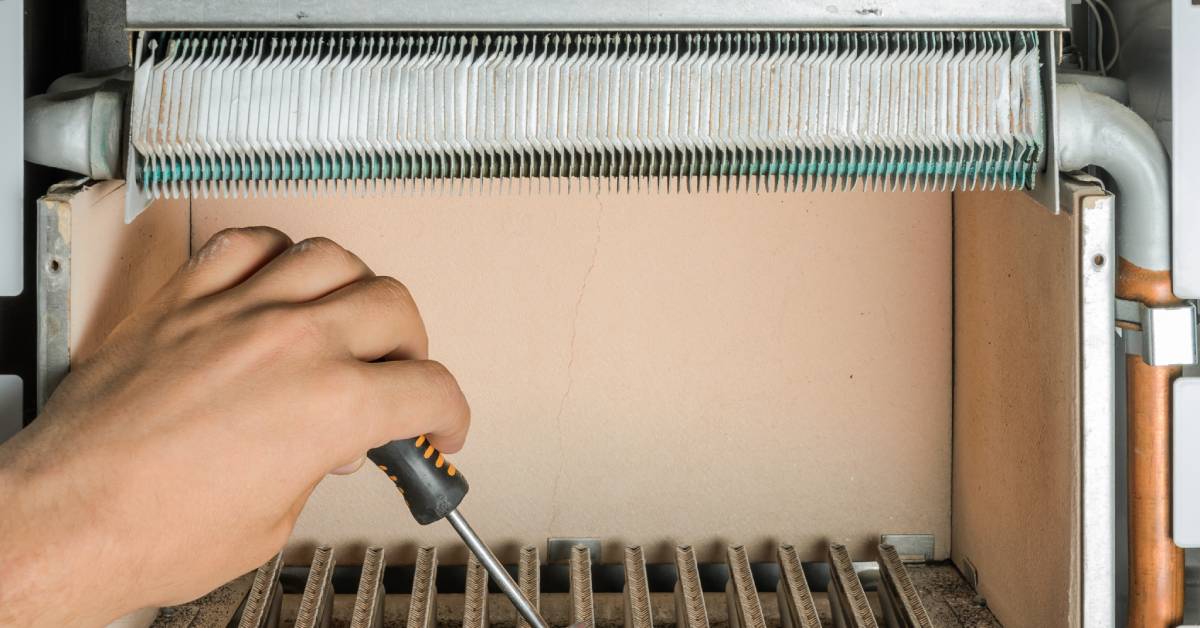
A person uses a screwdriver to adjust a component in between the rungs of a dirty gas burner showing signs of damage.

As temperatures start to dip, the last thing any homeowner wants is a malfunctioning furnace. Knowing how to keep the furnace in top shape ensures you stay warm throughout the colder months. Use these furnace troubleshooting tips to keep you cozy this winter, helping you identify minor issues and when to call the pros for assistance.

What Are the Main Parts of a Furnace?

Furnaces are integral to any home’s heating system. Understanding the basics will prevent many common issues. Most furnaces use gas, electric, oil, or propane. Each has unique components, but all work to heat and circulate air throughout the home.

Familiarize yourself with key parts like the thermostat, burners, and blower so you can quickly identify and address issues. This foundational knowledge will help you to perform simple troubleshooting tasks before they escalate.

Signs Your Furnace Needs Attention

Recognizing when your furnace is signaling distress is crucial for timely intervention. Common indicators include unusual noises like banging or rattling, odd smells such as burning, or uneven heating where certain rooms remain cold.

These signs are early warnings of underlying issues that can worsen if they’re ignored. Addressing them promptly prevents more significant problems and extends the life of the furnace.

Furnace Troubleshooting Tips

Examine the Thermostat

Before assuming the worst with your furnace, start with the thermostat. Set the device to “heat” and make sure the temperature setting is higher than the room’s current temperature. The cause of an unresponsive furnace is sometimes due to dead thermostat batteries or incorrect settings.

Make sure to clean any dust or debris that could interfere with the thermostat’s operation. Conducting a quick check saves you time and prevents unnecessary stress over what could be a minor issue.

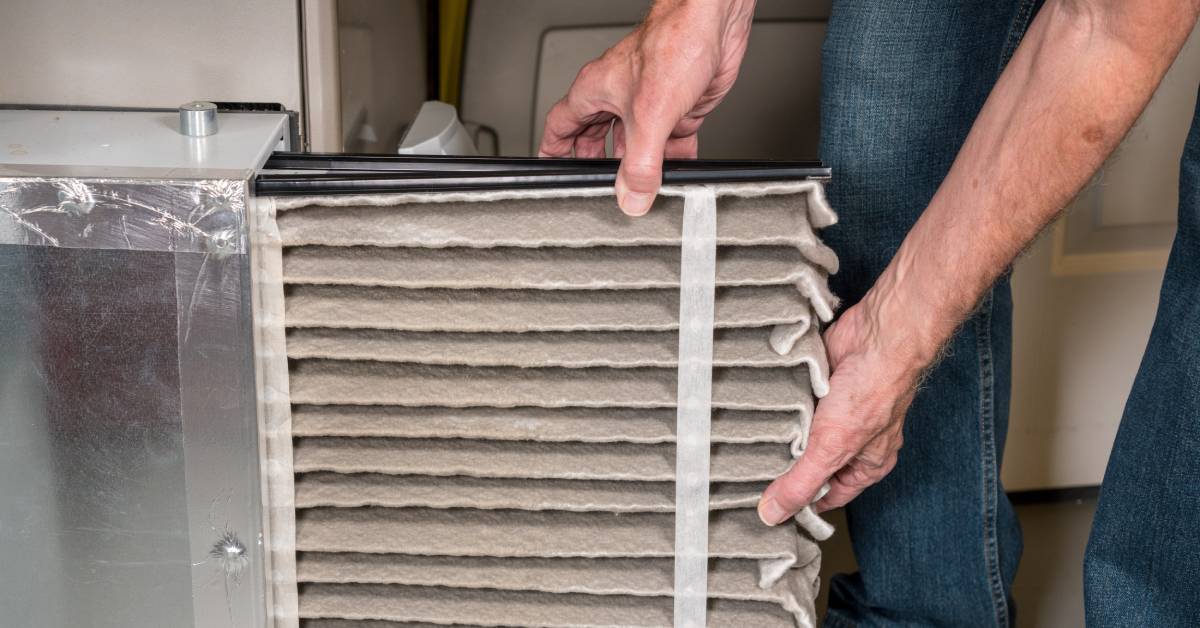
A person wearing jeans removes an air filter from a furnace. Layers of dirt and dust line the filter.

Clean or Replace the Filter

As the furnace draws in air, the filters catch dust or dirt that could damage the system or catch fire. After some time, these filters may become clogged from catching too much debris.

Regular filter maintenance is necessary for both efficiency and air quality. Clogged or dirty filters restrict airflow and force the furnace to work harder, which leads to overheating and shutdowns.

Changing the filter every one to three months ensures the furnace operates with ease. Not to mention, this fix will improve the air quality in your home by trapping dust and allergens.

Inspect the Pilot Light or Ignition System

When the furnace isn’t producing heat, there could be an error with the pilot light or ignition system. Check that the pilot light is lit and burning a steady blue flame. If it’s flickering or yellow, there might be an issue with the gas supply or burner.

Electric ignition systems may require resetting or replacing if they’re failing. Consult the furnace’s manual to guide you through these checks. If problems persist, it’s best to bring in a professional.

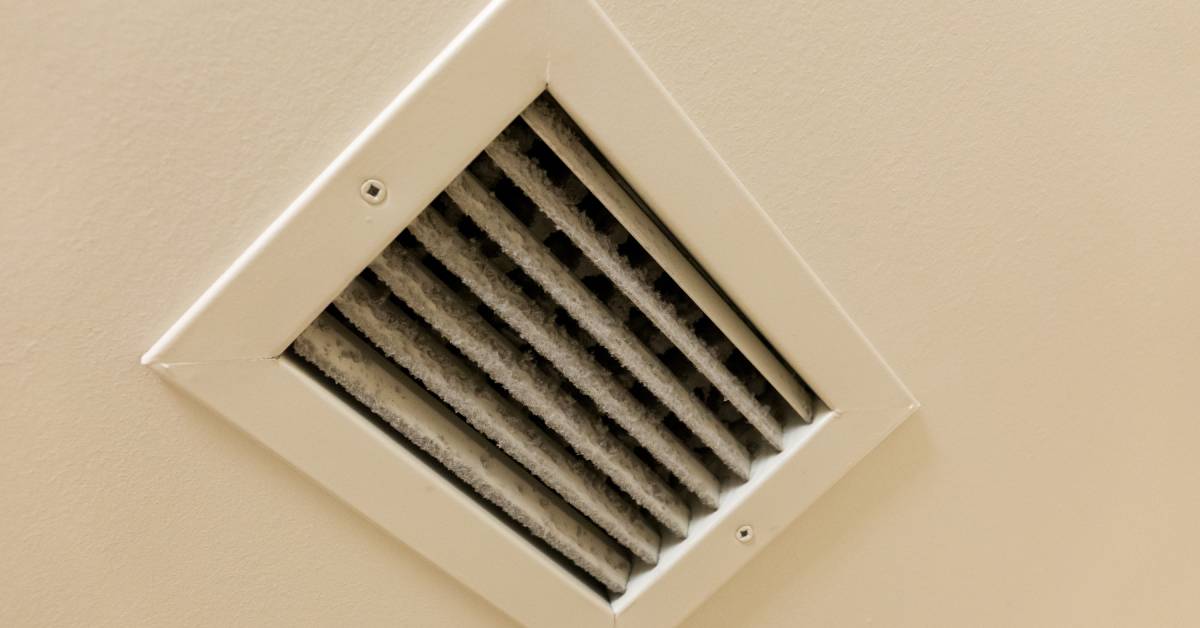
The opening of a ventilation duct in a white ceiling. Large clumps of dust line the rungs of the vent's opening.

Ensure Proper Airflow

Blocked vents and ducts drastically reduce a furnace’s efficiency. Remove furniture or drapes from in front of the vent and make sure ducts are free from dust. Clogged ducts decrease airflow, resulting in uneven heating, a colder home, and increased energy bills.

Periodically cleaning vents and scheduling professional duct cleaning will enhance the furnace’s performance. Maintaining clear airflow pathways is key to a warm, energy-efficient home.

Address Unusual Noises

Unusual noises often indicate a need for immediate attention. Squeals or screeches signify a belt or motor issue while rattling might mean loose components. Ignoring these sounds leads to severe mechanical failures down the road.

A quick inspection can reveal the source. Tightening bolts or lubricating moving parts may resolve the problem. However, persistent noises warrant a professional assessment to prevent further damage.

Fix Uneven Heating Issues

If you notice some rooms are warmer than others, your furnace is most likely distributing heat unevenly. This issue results from blocked vents, thermostat placement, or leaky ducts. Balancing dampers, if available, can regulate airflow to different areas of the house.

Testing and adjusting these elements restores uniform warmth throughout your home. Should these solutions not work, consult an HVAC specialist at W.F. Smith to diagnose more complex furnace issues.

Recognize Potential Hazards

Safety should always be a priority when dealing with furnaces. Be on the lookout for signs of gas leaks, like the smell of rotten eggs or carbon monoxide, which is odorless but deadly. Install carbon monoxide detectors near the furnace and throughout the house to provide early warnings.

If you suspect a leak, evacuate the house immediately and contact a gas furnace installer for more information. Regular inspections and maintenance are crucial for identifying and mitigating these hazards.

Winterize the Furnace

Preparing the furnace for winter is essential for a reliable performance. Cold temperatures cause you to use the furnace regularly to warm up your home. If the furnace has unresolved issues, its consistent use will lead to an eventual breakdown.

Before the cold sets in, conduct a thorough inspection of your furnace, clean the area around it, and ensure all components are in good working order. Scheduling a professional tune-up to address any potential issues before they become problems is a good idea.

Taking these steps ensures your furnace is ready to handle the demands of winter. A little preparation goes a long way in maintaining comfort during the chilly months.

When Should You Call a Professional?

Some furnace issues are best left to the experts. If you’ve exhausted basic troubleshooting steps and the problem persists, or if you’re uncomfortable handling certain components, it’s time to call a professional.

Experienced technicians diagnose and fix issues accurately. They also conduct thorough safety checks annually to ensure everything is in order.

Annual inspections are critical for the longevity and safety of your furnace. These checkups ensure that all components function correctly and prevent issues before they escalate. Our professional technicians thoroughly evaluate the necessary parts, including cleaning and adjusting them.

Regular inspections give you peace of mind and confidence in your heating system. Prioritizing this annual check is a proactive step toward a warm, safe home.

As winter approaches, having a reliable furnace is essential to stay comfortable. Keep yourself cozy this winter with these troubleshooting tips to guarantee your furnace operates efficiently and safely.

For more tips and professional services, contact the trusted HVAC professionals at W.F. Smith to assist with all your heating needs.

Common Furnace Problems You Should Know About

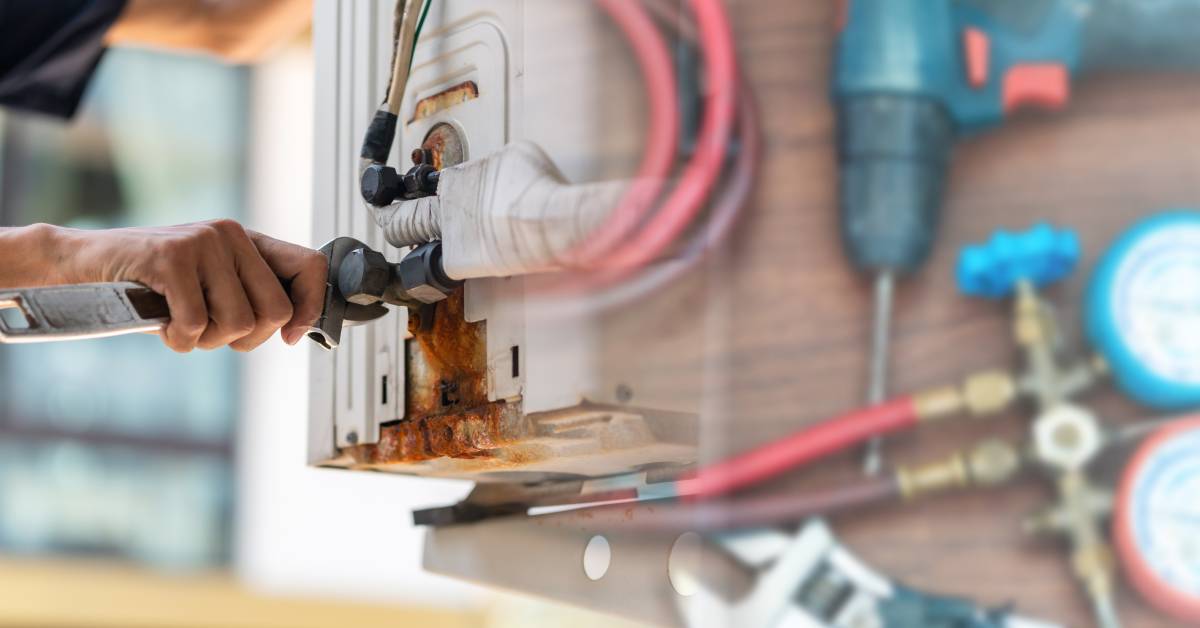
A person uses a wrench to twist the head of a screw attached to a rusted furnace. Mechanical tools are seen in a faded backdrop.

Have you ever felt a chilling draft just as the winter months arrive? Furnaces are the unsung heroes of our homes, providing warmth and comfort when we need it most. Like any other home appliance, they develop problems that affect their performance and safety. Knowing these common furnace issues is crucial for every homeowner, and this guide will help you resolve them.

Introduction to Furnace Issues

Furnaces play a pivotal role in maintaining our home’s comfort and safety, especially during the colder months. When functioning properly, they keep us warm and cozy, but when problems arise, they lead to discomfort and potentially hazardous situations.

It’s essential for homeowners to recognize the signs of a malfunctioning furnace. Understanding the signs of potential issues that may crop up in furnace operation keeps you safe and your home in good condition. Read on to learn how to avoid more serious and costly repairs.

A woman in a black coat and gray hat holds her hands to her mouth as she looks at the open panel of a home thermostat.

Thermostat Malfunctions

One of the most common furnace issues stems from thermostat malfunctions. If you notice inconsistent temperatures throughout your home or find your thermostat unresponsive, it might be due to faulty wiring or an outdated model. Sometimes, old wiring creates a disconnection in the thermostat system, causing inputs that don’t match the setting.

Such problems lead to inefficient heating and increased energy bills. Address these issues by recalibrating your thermostat or upgrading to a smart model for better temperature control. Regular maintenance and timely replacements ensure that your thermostat functions optimally.

Pilot Light Problems

Older furnaces rely on a pilot light to ignite the stream of gas supplied to the main burner. These furnaces are typically found in older homes, and require special care to ensure they don’t go out.

A pilot light that won’t stay lit or is completely off is a major concern. Problems such as gas leaks or chilling temperatures may occur, which may become worse in the middle of winter.

This issue often arises from a dirty or clogged pilot orifice or problems with the thermocouple. A flickering or weak flame indicates that it’s time for some maintenance.

Cleaning the pilot orifice or adjusting the thermocouple may resolve most pilot light issues. If these solutions don’t work, a professional may replace the thermocouple, which might be necessary. Proper maintenance ensures your furnace operates safely and efficiently.

Strange Noises From the Furnace

Strange noises emanating from your furnace may be unsettling. These sounds, whether they’re banging, whistling, or rattling, often indicate issues like loose components, duct problems, or fan malfunctions. It’s crucial to identify and address the source of these noises promptly.

Tightening loose parts and inspecting the ductwork often resolve these issues. If the noise persists, professional servicing might be necessary to ensure everything’s in working order. Addressing these sounds early prevents more significant problems down the line.

Inadequate Airflow

Weak or nonexistent airflow from your vents can be frustrating, especially when you expect a warm home. Blocked filters or a failing blower motor are common culprits behind this issue. Regularly replacing or cleaning filters drastically improves airflow and furnace efficiency.

Additionally, inspecting and servicing the blower motor ensures that it functions smoothly. By maintaining proper airflow, you ensure even heating throughout your home, maximizing comfort.

Frequent Cycling

Does your furnace seem to turn on and off rapidly? This frequent cycling may occur from thermostat issues or clogged filters. Such behavior wastes energy and places undue stress on your furnace.

Addressing this involves recalibrating your thermostat and regularly maintaining or replacing filters. Ensuring your furnace operates in consistent cycles helps in prolonging its lifespan and reducing energy bills. Consistent furnace operation is key to a warm and efficient home.

No Heat From the Furnace

A furnace running without emitting heat can be incredibly frustrating. This issue might stem from ignition problems or disruptions in the gas supply. Checking the ignition system to ensure it’s functioning correctly and verifying the gas flow can often resolve this problem. In some cases, professional intervention might be required to diagnose deeper issues. Ensuring your furnace produces consistent heat is crucial for maintaining home comfort during chilly months.

Blower Runs Continuously

A continuously running blower fan can increase electricity consumption and reduce furnace efficiency. Often, this is due to the thermostat being set to fan mode or issues with the relay switch. Adjusting your thermostat settings or inspecting the relay resolves these issues.

If the blower continues to run without stopping, it might be time for a furnace installation contractor to assess and determine if replacement is necessary. Proper functioning of the blower ensures energy efficiency and consistent heating.

Furnace Smells Odd

Unpleasant odors from your furnace can be concerning. A burning smell might indicate dust accumulation, while a musty odor suggests mold growth within the ducts. Regular cleaning of your ducts and addressing moisture issues eliminates these smells.

Ensuring proper ventilation and regular maintenance can further prevent these issues. Keeping your furnace smelling fresh is not only about comfort but also about ensuring indoor air quality.

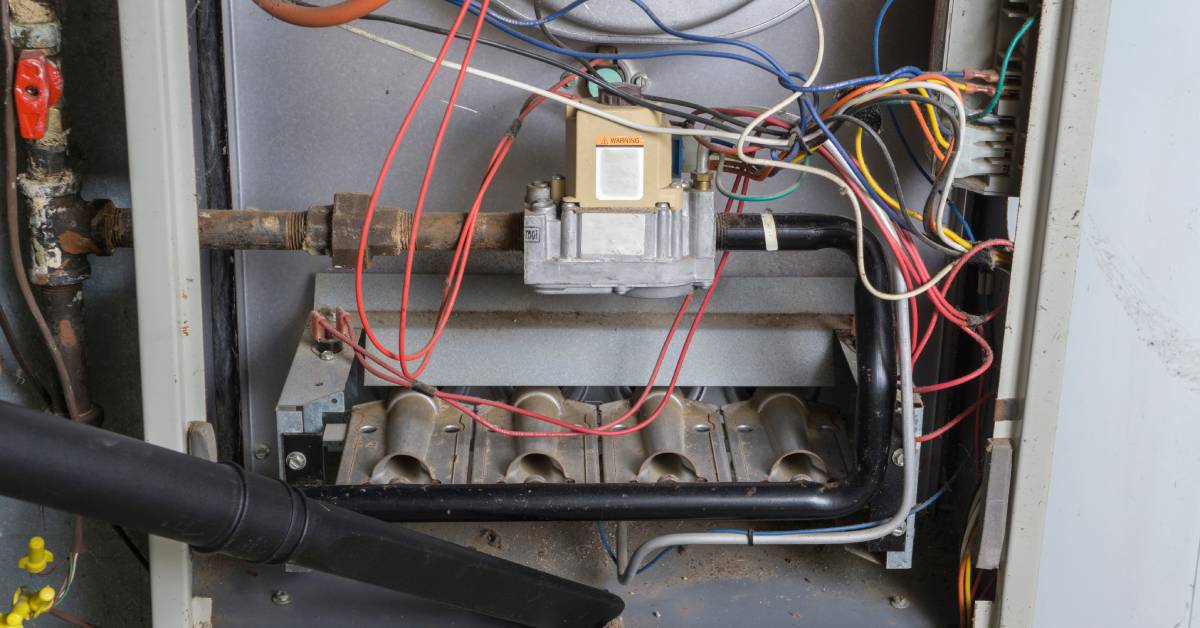
The inner components of a furnace with wiring, pipes, and hoses. Signs of wear and age are seen in the rust on the metal parts.

Furnace Fails To Start

A furnace that doesn’t start can leave you in the cold, literally. Causes for this issue range from control board failures to power supply problems.

Checking electrical connections and inspecting the control board can help in diagnosing the issue. If the furnace remains unresponsive, seeking professional assistance is recommended. A fully operational furnace is essential for comfort and safety during winter.

Carbon Monoxide Leaks

Carbon monoxide (CO) leaks are a serious safety concern. Signs of CO leaks include detector alerts or health symptoms in residents. A cracked heat exchanger or poor ventilation often causes these leaks.

Immediate professional inspection and installing CO detectors can prevent potential hazards. Regular maintenance and vigilance ensure your home remains safe from this invisible threat.

Dirty or Clogged Filters

Over time, furnace filters can become clogged with dirt and debris. This reduces furnace efficiency and affects indoor air quality.

Regularly replacing filters and ensuring routine maintenance can keep your furnace operating at its best. Clean filters mean cleaner air and a more efficient heating system. Prioritizing filter maintenance is a simple yet effective way to enhance furnace performance.

Timely intervention prevents more severe issues down the line. Reliable furnace operation hinges on many components functioning correctly.

Knowing about these common furnace issues is the first step toward a warm, efficient, and safe home. Regular maintenance and timely interventions prevent most problems from escalating. Understanding these common challenges ensures your furnace remains in top condition.

How Long Can You Expect a New AC System To Last?

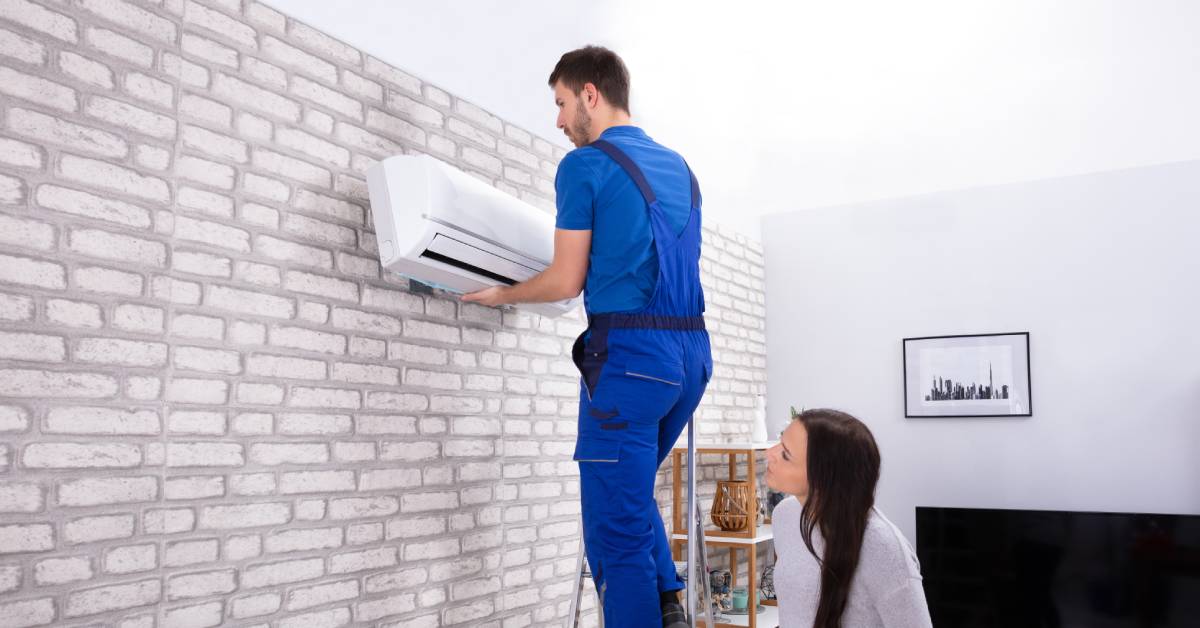
A man in a blue shirt and overalls stands on a ladder as he lifts an air conditioner onto the wall while a woman watches.

Air conditioning systems are essential for comfort at home. With this in mind, it’s important to understand how long you can expect your new AC system to last. Learn the limits of your air conditioning unit and the factors that affect its longevity.

Average Lifespan of Different AC Units

Different air conditioning systems have varying life expectancies. Central air conditioners typically last between 12 and 15 years, while ductless mini split systems usually have a shorter lifespan of 10–15 years. Either type can last up to 20 years with regular maintenance.

Keep in mind that these figures are averages and may differ based on brand, model, and environmental conditions. Understanding these lifespan ranges is vital for homeowners who are considering future replacement or upgrade costs.

Factors Affecting AC Lifespan

The lifespan of an air conditioning system depends on various factors, including the quality of the unit, the regularity of maintenance, and the frequency of use. The frequency and intensity of usage, especially in regions with extreme climates, also affect how long an AC system functions. High-quality AC units from reputable manufacturers last a long time due to their superior components and construction. Regular maintenance can resolve issues and ensure the unit lasts as long as possible.

Signs Your AC Might Be Nearing the End

Several signs indicate that your air conditioning system is nearing the end of its life. Frequent breakdowns and repairs are the most obvious, suggesting that the system’s components are worn out.

Reduced efficiency, such as longer cooling times or uneven temperatures, means the system is struggling to operate effectively. An increase in energy bills without a corresponding change in AC usage patterns also indicates that your AC unit won’t last much longer.

Tips To Extend the Lifespan of Your AC

Although all AC units will eventually reach their expiration, you can extend that lifespan. Regularly clean the unit and replace the filters to support airflow and reduce strain on the system.

Schedule periodic maintenance from the pros at W.F. Smith to identify and rectify issues before they worsen. Consider using your system more efficiently by setting a reasonable thermostat temperature and using fans to circulate cool air, alleviating the workload on your AC.

The Importance of Professional Maintenance

Investing in annual or bi-annual maintenance significantly extends your AC’s operational life. Reach out to W.F. Smith for expert evaluations and adjustments. Our technicians will spot and fix minor problems before they develop into major issues. Regular servicing keeps your system running at peak efficiency, potentially lowering your utility bills! We also excel in air conditioning installation services if you need a new unit.

Understanding how long you can expect your new AC system to last helps you make informed choices about maintenance and upgrades. Focus on quality, proactive care, and timely replacement to ensure optimal performance and constant comfort in your home.

Consult our HVAC professionals to receive personalized advice to maximize the effectiveness and longevity of your system.