Types of Heating Solutions: Which One Is Best for Your Home?

We all know about the importance of heating our homes, but not many people are aware of the various types of heating systems available. Some homes only need one heating source, while larger homes or additions require additional capacity to meet their needs. There are plenty of options available and if you’re considering a brand-new heater or upgrading with a brand-new furnace installation, we’ve got you covered with all the heating options available today.

Continue reading

Keep Your Heater Running Longer: Maintenance Tips For Commercial Spaces

Pennsylvanians know how to handle winter, but anyone hardened by a Mid-Atlantic winter will tell you that the indoors offers an essential reprieve from the elements. Your employees, customers, and clients expect your building to be warm enough to carry out their business. The key is having a reliable heating system — and the key to a reliable heating system is regular maintenance.

Continue reading

How to Keep Your Heat Pump from Freezing

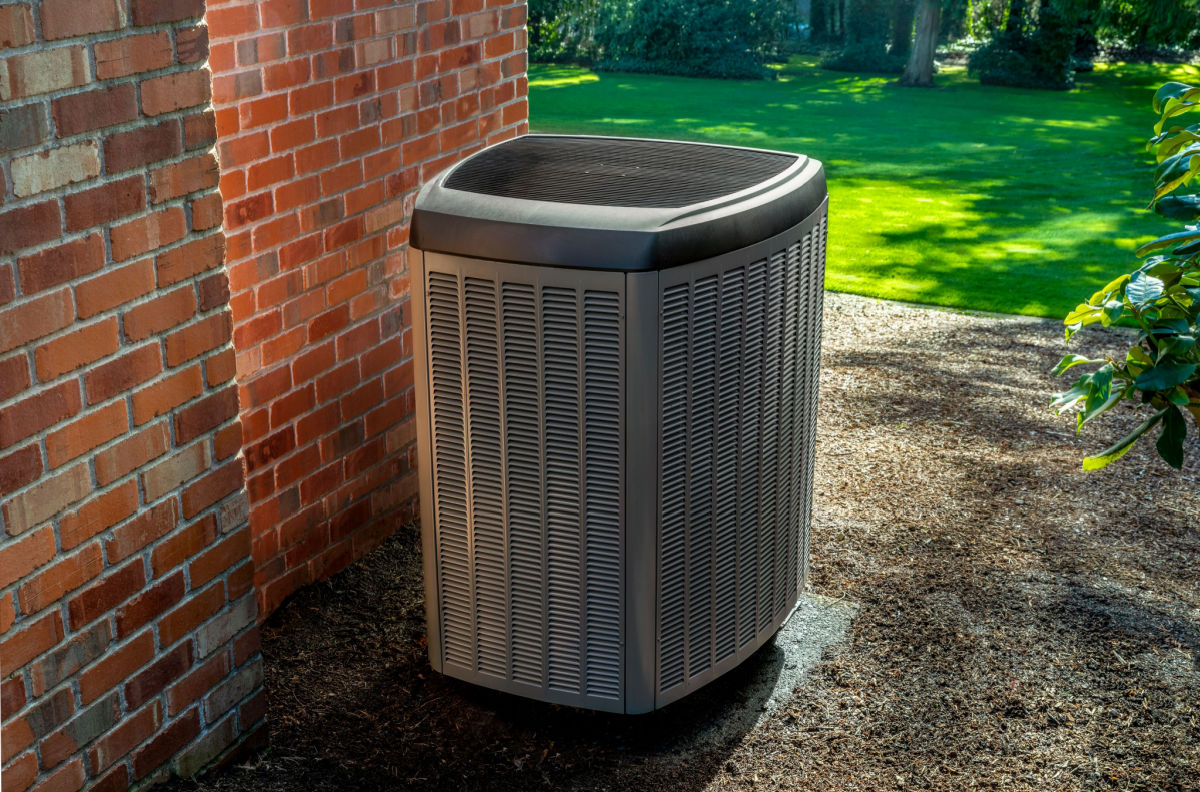
Heat pumps are often convenient for homeowners since they are both heating systems during the winter and air conditioners during the summer. However, because heat pumps exist as outdoor units, they can freeze during the winter. Not only can this make your heat pump work less efficiently and effectively, it can also cause major damage to the unit itself.

Why Does Your Heat Pump Freeze?

When a heat pump produces heat, the refrigerant will be turned into a gas once it reaches the outdoor coil. There, it will condense and release moisture. In extreme temperatures, the moisture, which gathers on the outdoor unit’s coils, will then freeze.

Generally, any frost that develops on the coils will be melted by the defrost component of the heat pump. However, in some cases, the ice may not melt and could accumulate instead. Fortunately, there are ways that you can prevent this from happening.

How to Prevent Your Heat Pump Coils From Freezing

There are a number of issues that can cause a heat pump to freeze. For example, the defrosting component can fail, thereby allowing frost to build up until it begins to affect the heat pump’s performance. The following are a few tips that you should follow in order to prevent your heat pump from freezing:

  • Keep the heat pump’s outdoor unit clear – Unimpeded airflow is necessary for your heat pump to work properly. If airflow is restricted in any way, then the moisture in the air can freeze on the evaporator or condenser coil. This means that you need to keep the area around your outdoor unit clear of any bushes, debris or snow.
  • Watch for leaky gutters near your heat pump – Gutters that are leaking or that aren’t secure can cause water to drip down onto your outdoor unit where it can freeze. Have your gutters checked to make sure that they are properly secured and in good condition.
  • Check to be sure the heat pump’s outdoor unit is level – If the ground that the unit is situated on isn’t level, then it could block the drainage path for melted ice as well as block airflow, thereby causing the buildup of ice.
  • Have your heat pump inspected – A technician from W.F. Smith can make sure all of the heat pump’s components, such as the defrosting component, are working. They will clean dirty components as well to help prevent issues with the airflow.
  • Change your heat pump’s air filter – Changing the filter as needed will help prevent the airflow from being impeded.

Schedule a Heat Pump Inspection Today

To help prevent your heat pump from freezing or to remove any ice that has built up on your heat pump, schedule a professional heat pump inspection. If you’re located in the Philadelphia, PA area, call (215) 624-1313 or get in touch by contacting us online at W.F. Smith today. Our fully licensed and insured technicians have an average of 20 years of experience each and have a reputation for providing high-quality work and exceptional customer service.

Why Does My Heating System Click?

Generally speaking, your furnace shouldn’t make a lot of noise when it’s running. A gentle hum is normal, but any other loud sounds that you don’t ordinarily hear could indicate that something is wrong. One sound that you might hear if there’s an issue with your furnace is that of a clicking sound.

Reasons Your Furnace is Clicking

If you hear a clicking sound coming from your furnace while it’s running, it’s best to call a professional furnace repair service to come and inspect your furnace in order to determine the exact problem – and to fix it. The following are some of the potential problems your furnace might be experiencing if you hear a clicking sound:

  • There’s a problem with the ignitor – If you have a gas stove, then you’re aware of the brief clicking sound it makes when you first fire it up. You’ll hear this too when the furnace first starts up. However, it shouldn’t last very long. If the clicking continues for more than a minute, it could mean that the igniter is dirty or clogged and needs to be either cleaned or repaired.
  • The gas valve is clogged – If the furnace is working perfectly fine and the ignitor isn’t dirty or clogged, then it could mean that there’s an issue with the gas getting to the pilot light. The clicking will continue because the ignitor is trying to spark a flame without gas. This could be a result of your a clogged gas valve.
  • The thermocouple is stopping the gas – The thermocouple flame sensor is a safety mechanism in the furnace that will shut the gas off if there’s a problem with the flame temperature. In some cases, the thermocouple may not be working properly and may be improperly sensing a problem with your flame temperature.
  • The furnace motor is having issues – If the furnace is running properly and producing heat but you’re still hearing clicking sounds, it could be the motor bearings in the furnace motor. It could also be other small parts knocking around inside the motor. This should be inspected as it could result in an important component getting damaged or breaking.
  • There’s an issue with the inducer – If you have an oil furnace, then the fan on the inducer could be dirty, clogged or loose, which will cause a clicking sound as it runs.
  • The ductwork is damaged – If the clicking sound is coming from your ducts and not your furnace, then it may mean that there are loose or cracked ducts in your ductwork.

If you’re hearing clicking sounds in your furnace as it attempts to start up or while it’s running, then it could be the result of any of these problems. If you’re in the greater Philadelphia area, we recommend contacting us at W.F. Smith as soon as possible by visiting us online or to schedule a furnace inspection. Even if the issue turns out to be minor, fixing it as soon as possible can help to prevent worse and more expensive problems from happening.

How Long Will My Heating System Last?

In order to make it through the winter every year, you’ll want to make sure that you have a heating system that you can depend on. The last thing you’ll want is for your heating system to break down on you in the midst of some of the coldest temperatures of the year. Knowing when to replace your heating system will help you to avoid such problems.

How Long do Heating Systems Last?

When it comes to something like a furnace or a boiler, you can expect them to last between ten and 15 years. However, these days, newer heating systems are much more effective and efficient, which means that newer heating systems could end up lasting upwards of 25 years. This does depend on how you take care of your heating system.

Maintaining Your Heating System

If you make sure that your heating system is properly maintained, then it’s more likely to last longer. There are a few ways that you can do this.

  • Improve your home’s efficiency – If your home is losing heat, it means that your heating system will have to work extra hard to replace that heat. By eliminating air leaks throughout your house and by taking other measures to improve your home’s efficiency, such as adding better insulation or upgrading old windows and doors to more energy efficient models, you can help keep heat from escaping your home, allowing your heating system to work less. The less it has to work, the longer it will last.
  • Change your filters – Your air filters help to keep your home’s air quality high. Their job is to trap dust and debris, thereby preventing contaminants from circulating throughout your home. However, if the filters get too dirty, they will begin obstructing the air flow throughout your house, which will force your heating system to use more energy to produce more heat, thereby causing unnecessary wear and tear. Check your filters every month and change them every one to three months as needed.
  • Schedule annual inspections – A thorough inspection before winter can help ensure that your heating system is working effectively and efficiently. Professional inspectors will make repairs, clean components and lubricate parts as needed to help keep your heating system working properly for as long as possible.

Signs You Need to Replace Your Heating System

The following are some of the common signs that your heating system is reaching the end of its life and needs to be replaced:

  • Your heating bills are too high – If your heating costs have skyrocketed, it means that your heating system can no longer produce heat efficiently.
  • It’s no longer working effectively – If you’re unable to heat your home effectively or evenly, it could be because your heating system is reaching the end of its lifespan.
  • It’s making strange sounds – Strange, loud sounds are often indicative of broken or damaged components.

To schedule an inspection or to replace your heating system, be sure to contact us at W.F. Smith in Philadelphia and serving the surrounding cities.